
ToolMage
Sign in

Best 1 Personalized AI tools for Writing

Popular Personalized AI tools in Writing include COMPROMATH, helping you work more efficiently.

COMPROMATH
Free

COMPROMATH

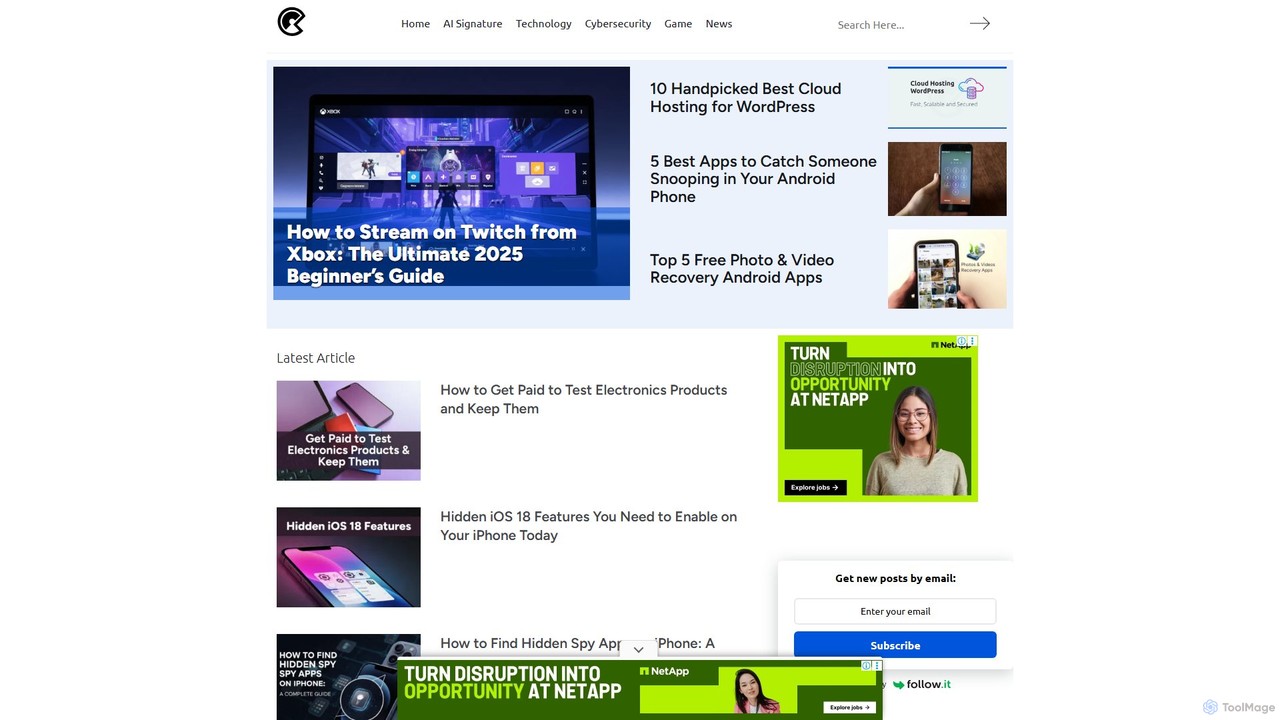
COMPROMATH is a technology resource hub offering a suite of free AI tools, including a signature and logo generator. It also provides in-depth articles, guides, and news on topics like AI, cybersecurity, and gaming, serving as a one-stop platform for tech enthusiasts and creators.

Logo Generator
Visits 30.8KFavorites 111Likes 103

About Personalized

Personalized AI writing tools are designed to generate content uniquely tailored to individual users or specific audience segments. These tools leverage advanced algorithms and data analysis to understand user preferences, behaviors, and context. Their primary value lies in creating highly relevant and engaging text that resonates deeply with the recipient, significantly enhancing communication effectiveness. This specialization within AI writing moves beyond generic content, focusing on deep audience connection.

Core Features

  • Audience Segmentation: Automatically categorize users into distinct groups based on demographics, behavior, or preferences for targeted content delivery.
  • Dynamic Content Generation: Produce text variations in real-time, adapting tone, style, and information based on individual user profiles or interaction history.
  • Preference Learning: Continuously learn and refine content generation based on user feedback, engagement metrics, and explicit preferences.
  • Contextual Adaptation: Integrate real-time data (e.g., location, time, recent activity) to make content immediately relevant to the user's current situation.

Applicable Scenarios

Marketing professionals use these tools to craft individualized email campaigns, product recommendations, and ad copy that speaks directly to each customer's needs and interests. Educators can generate personalized learning paths and feedback for students. Customer service teams can provide tailored responses that address specific user queries and history, improving satisfaction.

How to Choose

When selecting personalized AI writing tools, consider the depth of personalization required, the types of data sources it can integrate with (CRM, analytics), and its ability to adapt content across various channels. Evaluate the ease of defining audience segments and setting personalization rules, as well as the tool's learning capabilities and ethical data handling practices.

Personalized use cases

1

Crafting Personalized Marketing Emails

Marketing managers use personalized AI writing tools to generate unique email subject lines, body content, and calls-to-action for each subscriber, based on their past purchases, browsing history, and demographic data. This significantly boosts open rates and conversion.

2

Generating Dynamic Product Recommendations

E-commerce platforms employ these tools to create tailored product descriptions and recommendations for individual shoppers, reflecting their preferences and previous interactions. This enhances the shopping experience and drives sales.

3

Developing Adaptive Learning Content

Educational institutions utilize personalized AI to create customized study materials, quizzes, and feedback for students. The content adapts to each student's learning pace, strengths, and weaknesses, optimizing educational outcomes.

4

Automating Personalized Customer Service Responses

Customer support teams leverage personalized AI to draft empathetic and context-aware responses to customer inquiries. The AI analyzes the customer's history and sentiment to provide relevant and helpful solutions, improving satisfaction.

5

Creating Tailored Newsletters and Content Feeds

Media companies and content creators use these tools to curate and generate personalized news summaries or article recommendations for individual readers. This ensures higher engagement by delivering content most relevant to each user's interests.

6

Producing Individualized Sales Outreach Messages

Sales professionals employ personalized AI to draft unique cold emails or LinkedIn messages for prospects. The AI incorporates details from the prospect's company, role, and recent activities, making the outreach highly relevant and increasing response rates.

Personalized FAQ

What are Personalized AI Writing Tools?

Personalized AI writing tools are software applications that use artificial intelligence to generate written content specifically adapted for individual users or defined audience segments. They analyze data like user preferences, behavior, and context to produce highly relevant and engaging text, moving beyond generic content creation.

How do Personalized AI Writing Tools differ from general AI Writing Assistants?

General AI writing assistants focus on generating text, improving grammar, or summarizing information for a broad audience. Personalized tools, however, specialize in tailoring content to specific individuals by integrating user data and preferences, ensuring the output is uniquely relevant to each recipient, rather than just being well-written.

What data do Personalized AI Writing Tools typically use for customization?

These tools commonly utilize a range of data, including demographic information, past purchase history, browsing behavior, explicit user preferences, interaction history, location data, and real-time contextual cues. The more data available, the more precise and effective the personalization can be.

Who benefits most from using Personalized AI Writing Tools?

Marketing professionals, e-commerce businesses, educators, customer service departments, and sales teams benefit significantly. Anyone needing to communicate with a diverse audience on an individual level to increase engagement, relevance, and conversion rates will find these tools invaluable.

What are the key considerations when implementing Personalized AI Writing Tools?

Key considerations include data privacy and security, the quality and availability of user data for personalization, the tool's integration capabilities with existing systems (CRM, marketing automation), the level of customization offered, and the ethical implications of using personalized content.