ToolMage
Sign in

Best 1 Response Generation AI tools for Writing

Popular Response Generation AI tools in Writing include Meet Millie, helping you work more efficiently.

Meet Millie
Freemium

Meet Millie

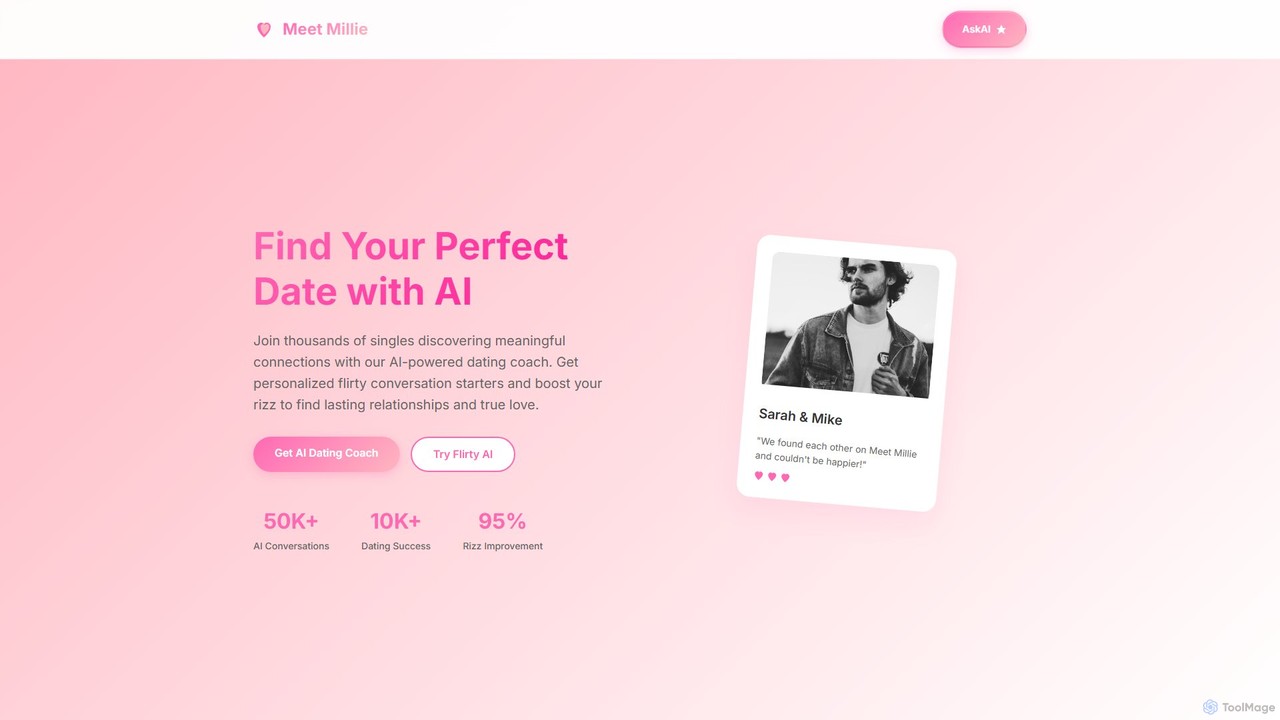
Meet Millie is an AI-powered dating coach designed to enhance your modern romance journey. It combines artificial intelligence with dating psychology to boost your confidence, refine your conversation skills, and help you forge genuine connections. Get personalized guidance, witty responses, and effective conversation starters to make a lasting impression.

Dating
Visits 5.3KFavorites 105Likes 122

About Response Generation

Response Generation tools are a specialized category of AI writing assistants designed to automatically create contextual replies to incoming messages. Leveraging natural language processing (NLP), these tools analyze the intent, tone, and content of a prompt—such as an email, customer query, or social media comment—to produce relevant and coherent answers. Their primary goal is to streamline communication workflows, enhance engagement, and ensure consistent messaging across various platforms. Unlike general text generators, they excel at conversational turn-taking and maintaining context from previous interactions.

Core Features

  • Contextual Analysis: Understands the intent, sentiment, and key entities within an incoming message.
  • Tone and Style Customization: Adapts a reply's tone to be formal, friendly, empathetic, or aligned with a specific brand voice.
  • Multi-Channel Support: Generates appropriate responses formatted for email, live chat, social media comments, and online reviews.
  • Knowledge Base Integration: Pulls accurate information from internal documents or databases to formulate factual answers.
  • Actionable Suggestions: Recommends next steps, creates follow-up tasks, or suggests relevant links to include in the response.

Use Cases

These tools are widely used in customer support for automating ticket replies, in social media management for engaging with comments and DMs, and in sales for personalizing follow-up emails. Marketing teams also use them to manage online reviews and maintain a consistent brand voice across all touchpoints.

How to Choose

When selecting a tool, consider its integration capabilities with your existing CRM, helpdesk, or social media platforms. Evaluate the level of customization available for tone of voice and response templates. Also, check the range of supported languages and channels, and ensure the pricing model aligns with your message volume and team size.

Featured tool rankings

Response Generation use cases

1

Automate Customer Support Email Replies

A customer support agent for an e-commerce brand uses a response generation tool integrated with their helpdesk. When a common query like 'Where is my order?' arrives, the AI analyzes the ticket, retrieves the tracking status from the order management system, and drafts a personalized, empathetic reply. The agent simply reviews and sends it, reducing response time from minutes to seconds and enabling them to handle a significantly higher volume of tickets daily.

2

Manage Social Media Community Engagement

A social media manager for a software company faces a high volume of comments and questions on their posts. They use an AI response generator to draft replies to common feature questions, acknowledge positive feedback, and provide initial responses to technical issues before escalating them. This ensures no comment is left unanswered and helps maintain an active, helpful community presence online.

3

Streamline Online Review Management

A restaurant manager needs to respond to dozens of online reviews each week. The tool helps by generating draft responses that thank customers for positive feedback and offer professional, non-confrontational replies to negative reviews. It can incorporate specific details from the review, making the response feel personal while saving the manager significant time and ensuring brand reputation is managed consistently.

4

Accelerate Sales Outreach Follow-ups

A sales development representative (SDR) needs to follow up with dozens of leads daily. After an initial call, the AI tool can generate personalized follow-up emails based on call notes. It summarizes key discussion points, reiterates the value proposition, and suggests next steps, ensuring timely and consistent communication that helps nurture leads through the sales funnel more effectively.

5

Enhance Internal Team Communication

A human resources manager frequently receives similar questions from employees about company policies or benefits. By using a response generation tool integrated with their internal messaging platform, they can provide instant, accurate answers by pulling information from the employee handbook. This frees up HR staff to focus on more complex strategic tasks and improves the employee experience by providing immediate support.

6

Draft Professional Replies for Freelancers

A freelance designer receives multiple project inquiries daily. A response generation tool helps them quickly draft professional replies to new leads. It can ask clarifying questions about project scope, provide a link to their portfolio, and state their availability, ensuring they respond promptly and professionally to every potential client without spending hours on repetitive email writing.

Response Generation FAQ

What are AI Response Generation tools?

AI Response Generation tools are specialized software that use artificial intelligence to automatically create written replies to user inputs like emails, messages, or comments. They analyze the context and intent of the original message to generate a relevant, coherent, and stylistically appropriate response, streamlining communication tasks for support, sales, and marketing teams.

How to choose the right Response Generation tool?

To choose the right tool, evaluate these key factors:

  • Integrations: Does it connect seamlessly with your essential platforms (e.g., Zendesk, Gmail, Hootsuite, Slack)?
  • Customization: Can you define your brand's specific tone of voice and create custom response templates?
  • Channels Supported: Does it work across all the channels you use, such as email, live chat, social media, and review sites?
  • Language Capabilities: Does it accurately handle the languages of your customer base?
  • Analytics: Does it provide insights into response times, common topics, and agent performance?
What's the difference between Response Generation and general AI Writing tools?

The key difference is their primary purpose. Response Generation tools are reactive; they are specifically designed to analyze an incoming message and craft a contextual reply. Their strength lies in conversation and interaction. In contrast, general AI Writing tools are proactive; they are built to create original, long-form content like articles, blog posts, or marketing copy from a prompt, without needing an initial message to respond to.

What are the main benefits of using AI for response generation?

The primary benefits include significantly increased efficiency by reducing manual typing, improved consistency in brand voice and messaging accuracy, and faster response times which enhances customer satisfaction. They also enable teams to scale their communication efforts without proportionally increasing staff, and can help reduce human error in repetitive communication tasks.

Who can benefit from Response Generation tools?

A wide range of professionals and teams can benefit. This includes customer support teams managing high ticket volumes, social media managers engaging with their community, sales representatives personalizing outreach, and business owners responding to reviews. Essentially, anyone who spends a significant amount of time replying to messages can improve their workflow, consistency, and response speed.