Writing Best in category 1 results Translation AI Tool

Popular AI tools in the Translation field of Writing include Deerpark AI, etc., helping you quickly improve efficiency.

Deerpark AI

Deerpark AI

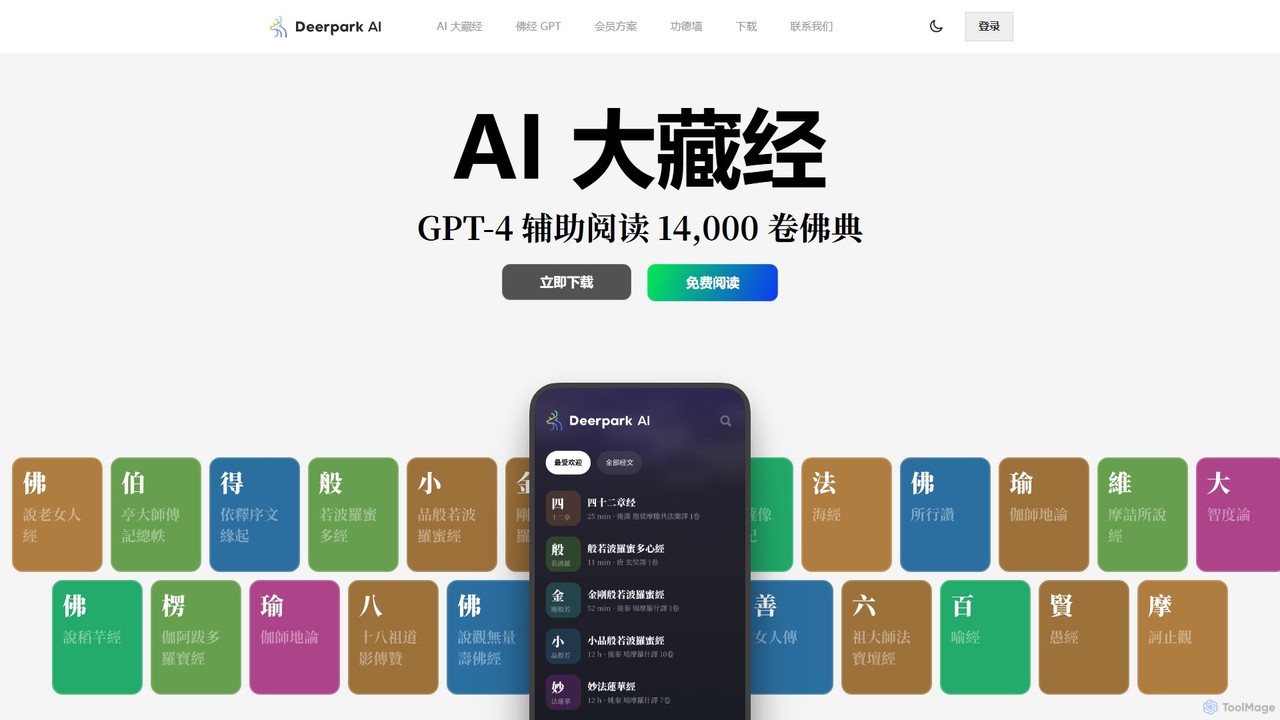
Deerpark AI is an AI-powered platform making the vast Buddhist Tripitaka accessible. It features a GPT-4 chatbot trained …

2.8K

About Translation

AI Translation tools are specialized software applications that automatically convert text or speech from one language into another. Leveraging advanced natural language processing (NLP) and machine learning, these tools analyze source content to produce accurate and contextually appropriate translations. They are essential for global communication, content localization, and breaking down language barriers in various professional and personal contexts. Beyond simple word-for-word conversion, modern AI translation can adapt to specific styles, tones, and industry-specific terminology.

Core Features

  • Neural Machine Translation (NMT): Utilizes deep learning models to translate entire sentences, ensuring better fluency and contextual accuracy than older methods.
  • Contextual Understanding: Analyzes surrounding text to resolve ambiguities and select the most appropriate translation for words with multiple meanings.
  • Terminology Management: Allows users to upload glossaries and style guides, ensuring consistent use of specific terms and brand voice across translations.
  • Real-time Translation: Provides instant translation for live conversations, video calls, or streaming content, facilitating immediate cross-lingual interaction.
  • Document & File Translation: Supports direct upload and translation of various file formats (e.g., PDF, Word, Excel), preserving original formatting.

Applicable Scenarios

These tools are widely adopted by global businesses for localizing websites, marketing campaigns, and product manuals, as well as by content creators for translating articles and videos. They also assist individuals in understanding foreign language content and facilitating cross-cultural communication.

How to Choose

When selecting an AI translation tool, consider the accuracy and fluency it offers for your target languages, especially for specialized content. Evaluate its customization options, such as terminology management and style guide integration, which are crucial for maintaining brand consistency. Also, assess its integration capabilities with existing workflows and platforms, and compare pricing models based on usage volume or subscription tiers. Finally, check for supported file formats and real-time translation features if those are critical for your needs.

TranslationUse Cases

1

Localize Global Marketing Campaigns for Diverse Audiences

Marketing teams use AI translation tools to adapt advertising copy, social media posts, and website content for different linguistic and cultural markets. By inputting original English campaign materials, the tool quickly generates localized versions in multiple target languages, ensuring cultural relevance and brand consistency while significantly reducing manual translation time and costs.

2

Translate Technical Manuals and Product Guides Accurately

Manufacturers and software companies leverage AI translation to convert complex technical specifications, user manuals, and product guides into various languages. These tools, often integrated with custom glossaries, ensure precise terminology and consistent phrasing, enabling global product launches and providing clear support to international customers without extensive human translation efforts.

3

Enable Real-time Language Translation in Virtual Meetings

Professionals conducting international virtual meetings utilize AI translation features embedded in communication platforms to bridge language gaps instantly. As participants speak, their words are translated in real-time into the preferred language of other attendees, fostering seamless communication and understanding, and eliminating the need for human interpreters in many scenarios.

4

Localize E-commerce Product Descriptions for Global Sales

E-commerce businesses employ AI translation to rapidly translate thousands of product titles, descriptions, and reviews for international online marketplaces. This allows them to quickly expand their reach to new customer bases, present products in local languages, and enhance the shopping experience, leading to increased global sales and reduced time-to-market for new products.

5

Translate Customer Support Chats and Emails Instantly

Customer service departments use AI translation to handle inquiries from non-native speakers across various channels like chat, email, and ticketing systems. The tools translate incoming messages into the agent's language and outgoing responses back into the customer's language, enabling efficient, multilingual support without requiring agents to be fluent in every language.

6

Adapt Educational Content for International Learners

Educational institutions and e-learning platforms use AI translation to make courses, lectures, and learning materials accessible to a global student body. By translating text, subtitles, and even audio transcripts, these tools help break down language barriers in education, allowing students worldwide to engage with content in their native language and promoting inclusive learning environments.

TranslationFrequently Asked Questions