Decart is a pioneering AI company developing real-time generative models. Its core products—Mirage, Oasis, and Sidekick—specialize in real-time video-to-video transformation, generative open-world creation for gaming, and talk-to-video experiences, aiming to revolutionize industries like live streaming, gaming, and interactive entertainment.
Opus is a generative AI platform that transforms text into dynamic, 3D virtual worlds and video content. Designed for storytellers, game developers, and artists, it uses advanced Story NLP to interpret scripts and automatically generate complete scenes with characters, environments, lighting, and animations, aiming to decentralize and accelerate entertainment production.
Product overview
Decart Product overview
Decart is a pioneering AI company developing real-time generative models. Its core products—Mirage, Oasis, and Sidekick—specialize in real-time video-to-video transformation, generative open-world creation for gaming, and talk-to-video experiences, aiming to revolutionize industries like live streaming, gaming, and interactive entertainment.

Opus Product overview
Opus is a generative AI platform that transforms text into dynamic, 3D virtual worlds and video content. Designed for storytellers, game developers, and artists, it uses advanced Story NLP to interpret scripts and automatically generate complete scenes with characters, environments, lighting, and animations, aiming to decentralize and accelerate entertainment production.
Detailed feature comparison
| Feature | Decart | Opus |
|---|---|---|
| Primary category | Generative Art | World Generation |
| Added | 2025-09-02 | 2025-08-12 |
| Pricing | Not verified | Not verified |
| Official website | decart.ai | opus.ai |
| Product type | Website | Website |
| Performance data | ||
| User rating | Not verified | Not verified |
| Comments | 0 | 0 |
| Monthly visits | 425.3K | 160.6K |
| Monthly growth | 32.5% | 8.8% |
| Favorites | 103 | 154 |
| Details | View details | View details |
Decart vs Opus monthly traffic
Compare Decart and Opus by monthly reach, traffic trend, visit depth, top regions, and acquisition sources.
How to interpret the traffic data
In the Decart vs Opus monthly traffic comparison, Decart currently shows 425.3K visits and Opus shows 160.6K; Decart has about 2.6 times the visible traffic of Opus, an absolute difference of about 264.7K visits. This reflects visible reach, not feature quality or paid users.
Both tools provide verified traffic details, so monthly trends, visit depth, regions, and acquisition sources can be compared on the same basis.
Decart monthly traffic:
Latest traffic
Monthly traffic trend
- 2025/9: 745.8K Monthly visits
- 2026/1: 426K Monthly visits
- 2026/2: 512.2K Monthly visits
- 2026/3: 399.4K Monthly visits
- 2026/4: 320.9K Monthly visits
- 2026/5: 425.3K Monthly visits
Top regions
Top 5 countries/regions
| Country/region | Percentage | Traffic |
|---|---|---|
| 🇺🇸United States | 59.25% | 252K |
| 🇷🇺Russia | 15.86% | 67.5K |
| 🇶🇦Qatar | 9.58% | 40.7K |
| 🇬🇧United Kingdom | 8.3% | 35.3K |
| 🇹🇷Turkey | 7.01% | 29.8K |
Traffic sources
| Source type | Percentage | Traffic |
|---|---|---|
| Direct | 68.81% | 292.6K |
| Referral | 30.4% | 129.3K |
| 0.79% | 3.4K |
Search keywords
Opus monthly traffic:
Latest traffic
Monthly traffic trend
- 2025/9: 55.7K Monthly visits
- 2026/1: 115.2K Monthly visits
- 2026/2: 149.6K Monthly visits
- 2026/3: 157.8K Monthly visits
- 2026/4: 147.6K Monthly visits
- 2026/5: 160.6K Monthly visits
Top regions
Top 5 countries/regions
| Country/region | Percentage | Traffic |
|---|---|---|
| 🇺🇸United States | 29.65% | 47.6K |
| 🇮🇳India | 23.38% | 37.6K |
| 🇧🇷Brazil | 20.77% | 33.4K |
| 🇳🇬Nigeria | 13.5% | 21.7K |
| 🇩🇪Germany | 12.7% | 20.4K |
Traffic sources
| Source type | Percentage | Traffic |
|---|---|---|
| Direct | 92.18% | 148K |
| Referral | 7.82% | 12.6K |
Search keywords
Usage comparison
Compare the core capabilities of Decart and Opus
Decart Core features
Opus Core features
Use cases
Decart Use cases
Opus Use cases
Best suited roles
Decart Best suited roles
Opus Best suited roles
Decart vs Opus:In-depth comparison and selection guidance
First decide whether the products solve the same kind of need
This in-depth Decart vs Opus comparison uses only the product records, taxonomy, audience, traffic, and community signals available on this page. Decart is primarily listed under “Generative Art”, while Opus is primarily listed under “World Generation”, so the first decision is whether your actual task matches their recorded scope.
The structured fields currently show these decision-relevant differences: Primary category (Decart: Generative Art; Opus: World Generation); Monthly visits (Decart: 425.3K; Opus: 160.6K); Monthly growth (Decart: 32.5%; Opus: 8.8%); Favorites (Decart: 103; Opus: 154); Website (Decart: decart.ai; Opus: opus.ai). These facts are more useful for selection than brand visibility alone.
What market visibility and monthly traffic mean
In the Decart vs Opus monthly traffic comparison, Decart currently shows 425.3K visits and Opus shows 160.6K; Decart has about 2.6 times the visible traffic of Opus, an absolute difference of about 264.7K visits. This reflects visible reach, not feature quality or paid users.
Both tools provide verified traffic details, so monthly trends, visit depth, regions, and acquisition sources can be compared on the same basis.
If public market visibility is an important first-pass criterion, investigate Decart first. The final choice should still follow taxonomy, use case, and a real trial because higher traffic does not prove broader capabilities or better workflow fit.
Product positioning, use cases, and roles
Decart and Opus currently overlap in shared categories: Game Development and Video Generation; shared tags: game development. This can place both on the same shortlist, but it does not prove equal implementation, depth, or cost.
Decart's unique categories/tags are Generative Art, Api, AI model, diffusion model, generative video, interactive AI, live streaming, and open world generation; Opus's are World Generation, Storytelling, 3d generation, AI filmmaking, computational production, decentralized entertainment, script to video, and storytelling. These unique fields are the strongest differentiators: validate the product whose recorded scope matches the task instead of following traffic alone.
What ratings, comments, and favorites can tell you
Decart has no verified rating, 0 comments, 103 favorites, and 113 likes;Opus has no verified rating, 0 comments, 154 favorites, and 175 likes。
Neither product has enough rating or comment samples for a credible reputation ranking.
Selection guidance by actual need
When to evaluate Decart first
Put Decart on the priority trial list when the task aligns with “Generative Art” and especially Generative Art, Api, AI model, diffusion model, generative video, and interactive AI, or the users include AI Researcher, Content Creator, Game Developer, and Live Streamer. This follows recorded positioning and does not imply unlisted capabilities are absent.
Decart also currently records: pricing is not verified, product type is website, 425.3K verified monthly visits, no verified user rating. Verify any hard requirement around price, platform, or reach before trial, and do not let sparse review data substitute for testing.
When to evaluate Opus first
Put Opus on the priority trial list when the task aligns with “World Generation” and especially World Generation, Storytelling, 3d generation, AI filmmaking, computational production, and decentralized entertainment. This follows recorded positioning and does not imply unlisted capabilities are absent.
Opus also currently records: pricing is not verified, product type is website, 160.6K verified monthly visits, no verified user rating. Verify any hard requirement around price, platform, or reach before trial, and do not let sparse review data substitute for testing.
How to validate the recommendation before deciding
The available data describes positioning, public visibility, and community signals, but it cannot prove output quality, speed, integration effort, privacy, or long-term cost in your workflow. Before deciding, run the same representative tasks in Decart and Opus, then record completion time, accuracy, manual corrections, and the real paid threshold. A like-for-like trial turns this comparison into a defensible adoption decision.
Comparison FAQ
How should I choose between Decart and Opus?
Where does this comparison data come from?
What do unknown fields mean?
Related AI tools

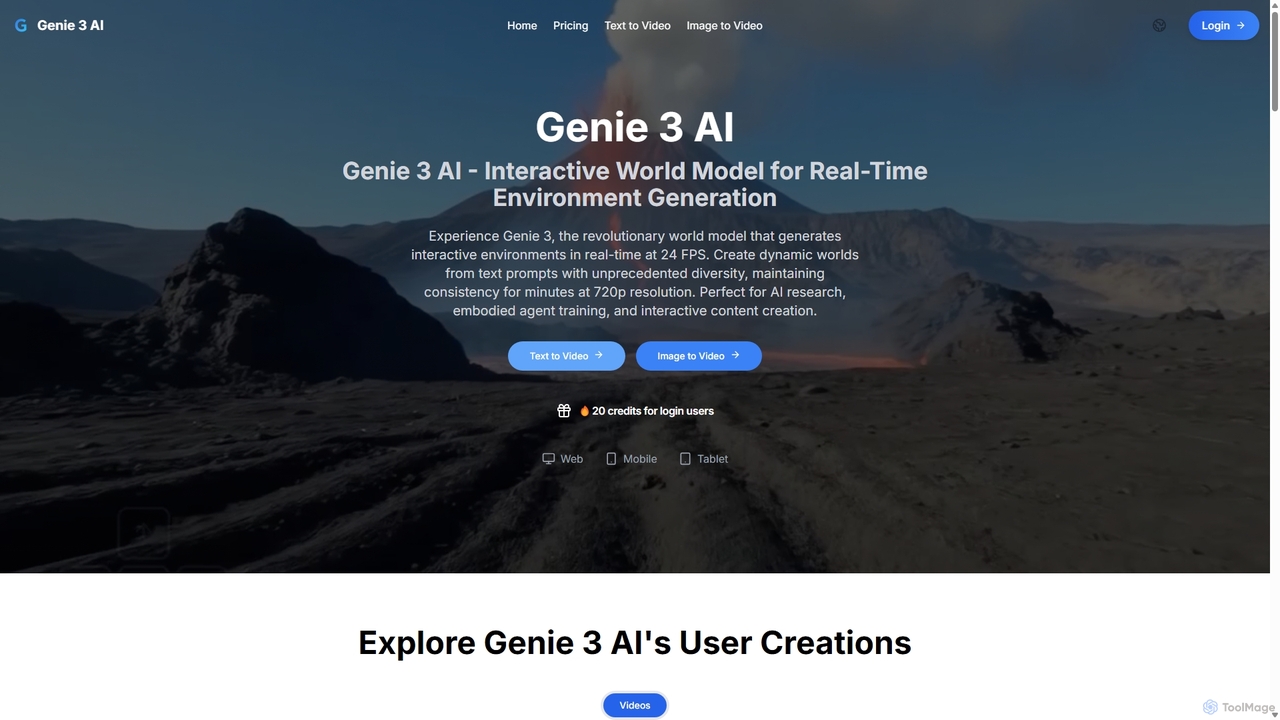
Genie 3 AI
Genie 3 AI is a revolutionary interactive world model that generates dynamic, navigable environments from text or image prompts in real-time. Operating at 24 FPS and 720p resolution, it allows users to interact with AI-created worlds, making it ideal for AI research, embodied agent training, and advanced content creation.
Simulation
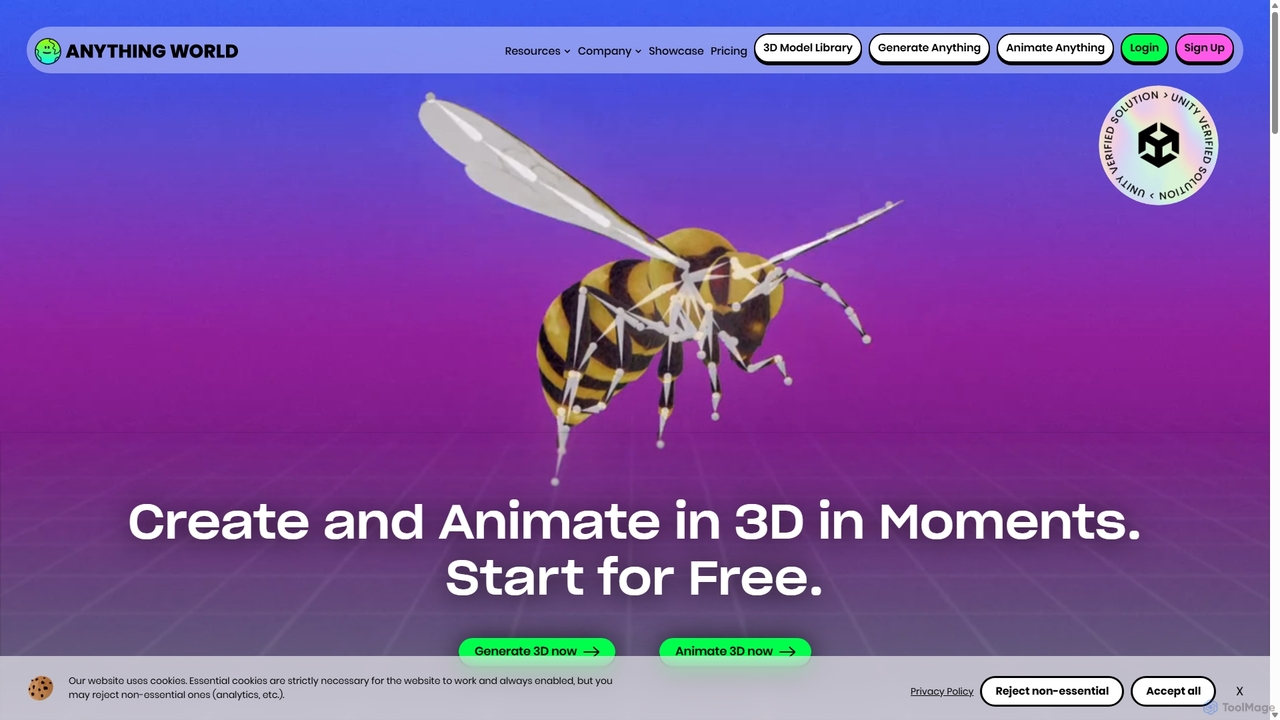
Anything World
Anything World is an AI-powered platform that revolutionizes 3D content creation with automated rigging and animation. It provides game-ready SDKs for Unity and Unreal Engine, enabling developers and artists to rapidly generate and control animated 3D models and entire virtual worlds using simple text or voice commands.
3D
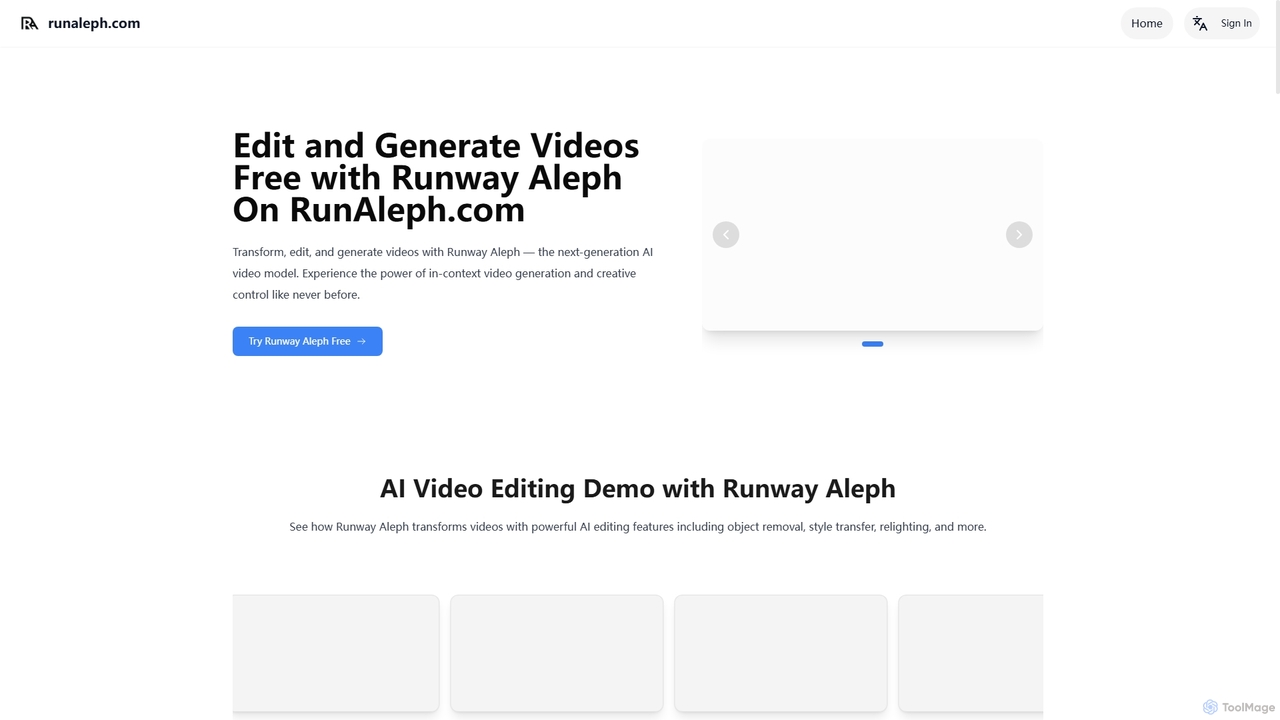
Runaleph
runaleph is a free online gateway to Runway Aleph, a next-generation AI video model. It allows users to edit, transform, and generate videos using simple text prompts. Key features include video-to-video transformation, in-context object manipulation, camera angle generation, and scene restyling without any prior editing experience.
Generative Art
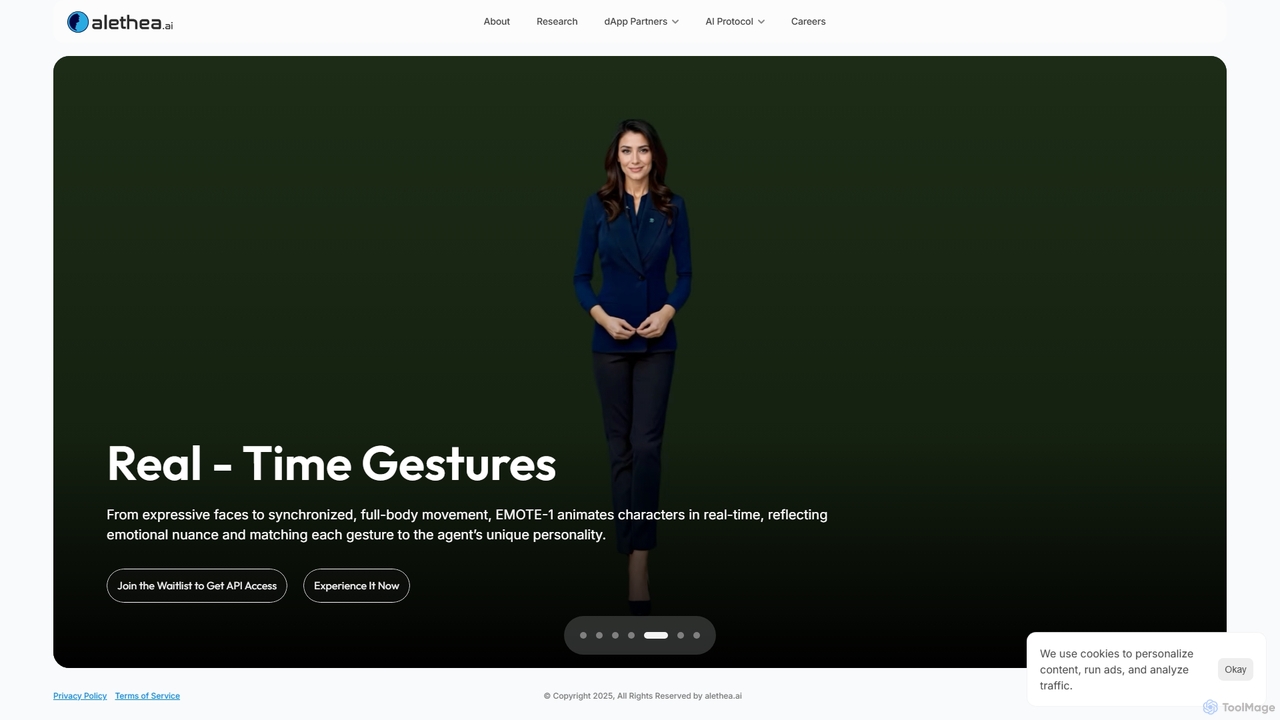
Alethea AI
Alethea AI is a research and development lab pioneering the intersection of Agentic AI and blockchain. It enables the creation of interactive, intelligent, and ownable AI characters through its multimodal engine, EMOTE-1, and its Text-to-Character system, CharacterGPT. The platform is a leader in intelligent NFTs (iNFTs) and decentralized AI, empowering developers to build and deploy autonomous AI agents on-chain.
Character Generator
GameGen-X
GameGen-X is a revolutionary AI-powered platform designed for game developers. It utilizes a diffusion transformer model to generate entire open-world games, including dynamic environments, characters, and events, from simple text prompts. This tool dramatically accelerates the game development process.
3D
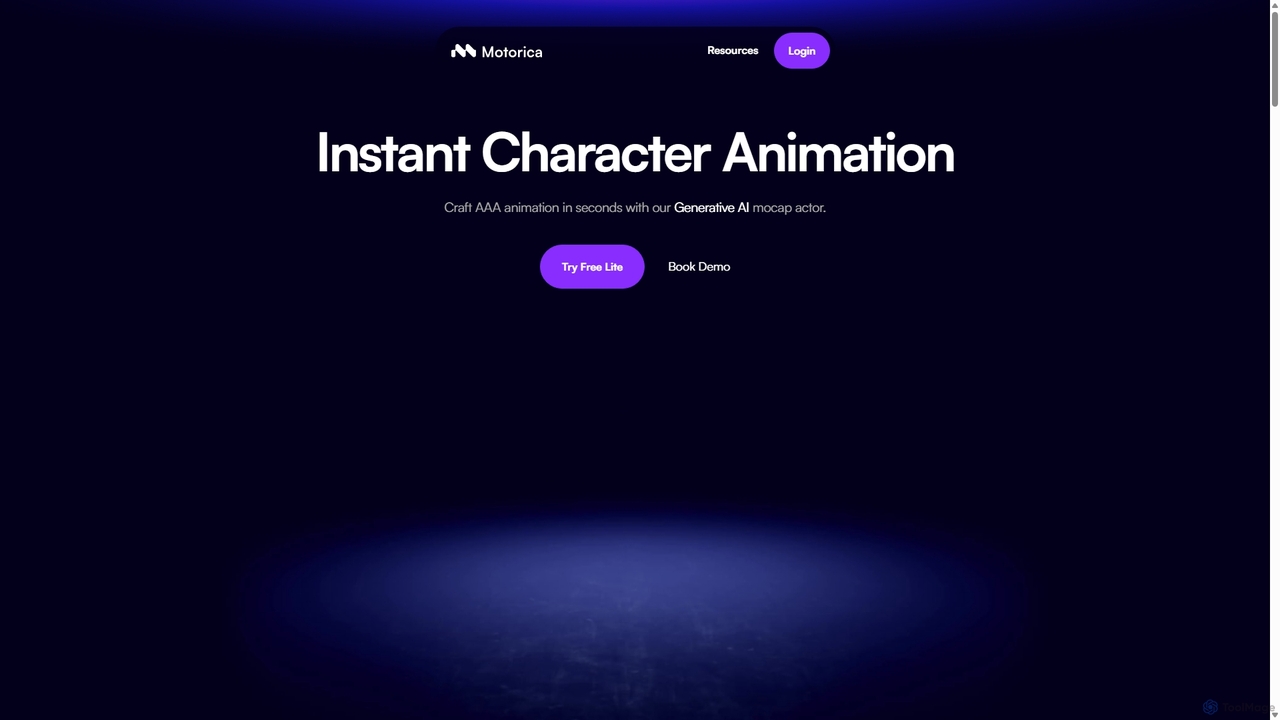
Motorica
Motorica is a generative AI platform that creates AAA-quality character animations in seconds. It acts as a virtual mocap actor, allowing users to direct animations live, blend over 100 styles, or train custom AI models. Ideal for game developers and VFX artists to accelerate their workflow.
3D Animation
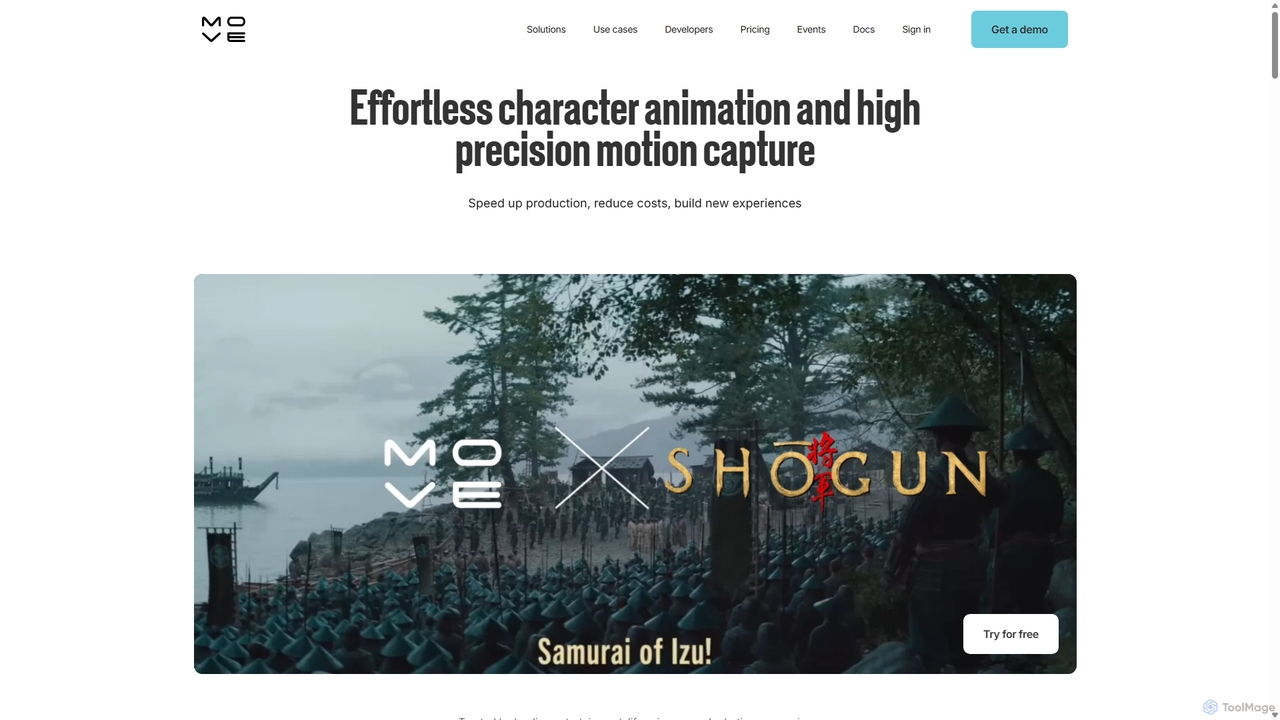
Move AI
Move AI is an advanced markerless motion capture platform that uses AI to transform video from any camera, including iPhones and GoPros, into high-fidelity 3D character animation. It democratizes mocap technology, making it accessible and affordable for creators in gaming, film, VFX, and research, drastically speeding up production workflows and reducing costs.
Motion Capture
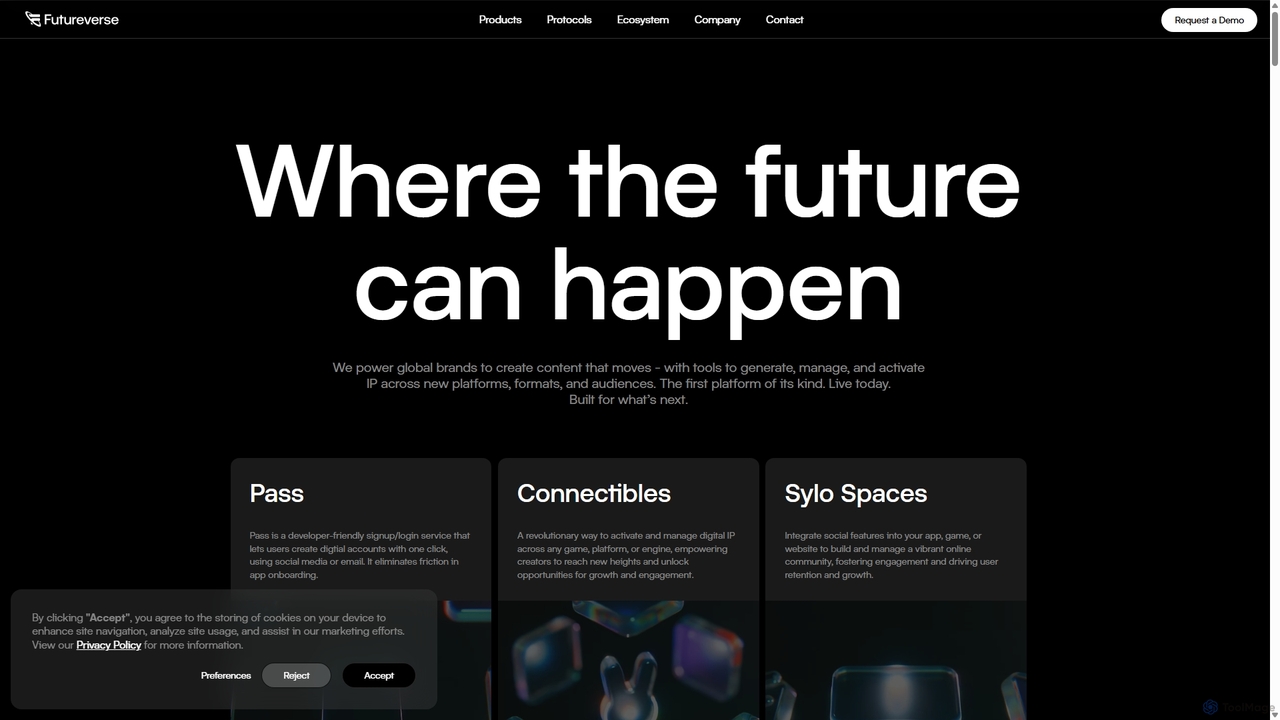
Futureverse
Futureverse is an all-in-one technology platform that combines AI and blockchain to build the open metaverse. It provides developers, brands, and creators with a comprehensive suite of tools for creating immersive games, intelligent applications, and interoperable digital experiences, fostering true digital ownership and engagement.
Blockchain
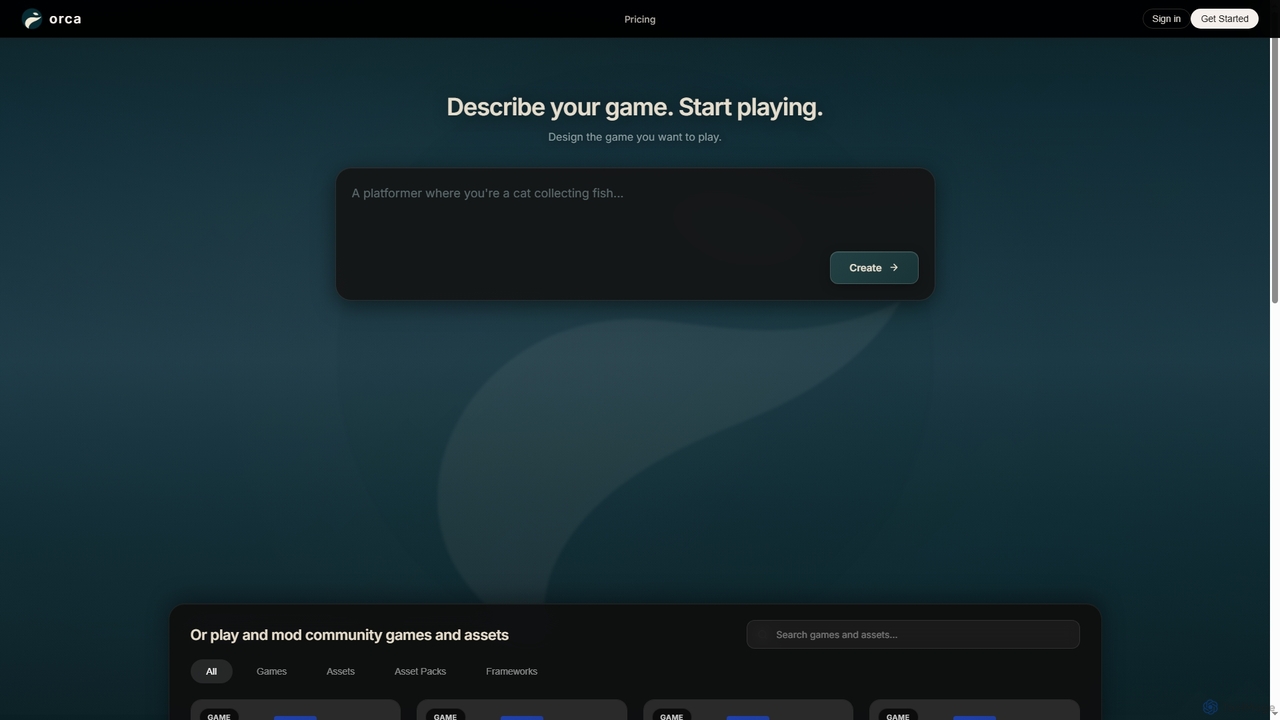
Orcaengine
Orcaengine is an AI-powered game development agent that allows anyone to create, play, and modify games using simple text descriptions. No coding is required. Explore a community of user-generated games or bring your own ideas to life instantly.
Generative
Vagon
Vagon is a high-performance cloud computing platform that provides users with powerful virtual desktops accessible from any device. It's designed for professionals like creatives, engineers, and developers to run demanding applications such as 3D rendering, video editing, and game development without needing expensive local hardware. Vagon offers scalable GPU, CPU, and storage options with a flexible pay-as-you-go model, enabling seamless remote work and collaboration.
Virtual Desktops
Asseter
Asseter is an AI-powered Digital Asset Management (DAM) platform for CG artists and creative teams. It organizes and categorizes 3D models and media, featuring deep DCC software integration. It includes Scout, a unique visual search engine that finds 3D assets from stock marketplaces using just a picture, dramatically speeding up creative workflows.
Asset Management
Muapi
Muapi is a powerful API platform designed to accelerate AI image and video generation. It provides developers and creators with unified access to a diverse range of cutting-edge AI models. With Muapi, you can easily integrate functionalities like text-to-video, image-to-video, consistent character generation, and style transfer into your applications. The platform simplifies the development process, offering a single API endpoint for multiple advanced generative AI tasks, backed by a clear, pay-as-you-go pricing structure.
Api
Runware
Runware provides a high-performance, low-cost API for developers to integrate generative AI for image and video creation. Leveraging custom hardware and renewable energy, it offers industry-leading inference speeds for over 300,000 models, including Stable Diffusion, FLUX.1, and Kling. It's a scalable, easy-to-use platform that requires no ML expertise, designed for building next-generation AI-native applications.
Api Platform
Playabl
Playabl is an AI-powered platform for creating cross-game assets. It allows users to turn ideas into characters, weapons, and 3D models that can be used across various gaming environments, embodying a 'create once, play everywhere' philosophy.
3D Modeling
Dream Machine AI
Dream Machine AI by Luma Labs is a revolutionary text-to-video and image-to-video model that generates high-quality, realistic 5-second video clips. It transforms simple text prompts or static images into dynamic, cinematic scenes with consistent characters, accurate physics, and fluid camera movements, making advanced video creation accessible to everyone.
Generative Art