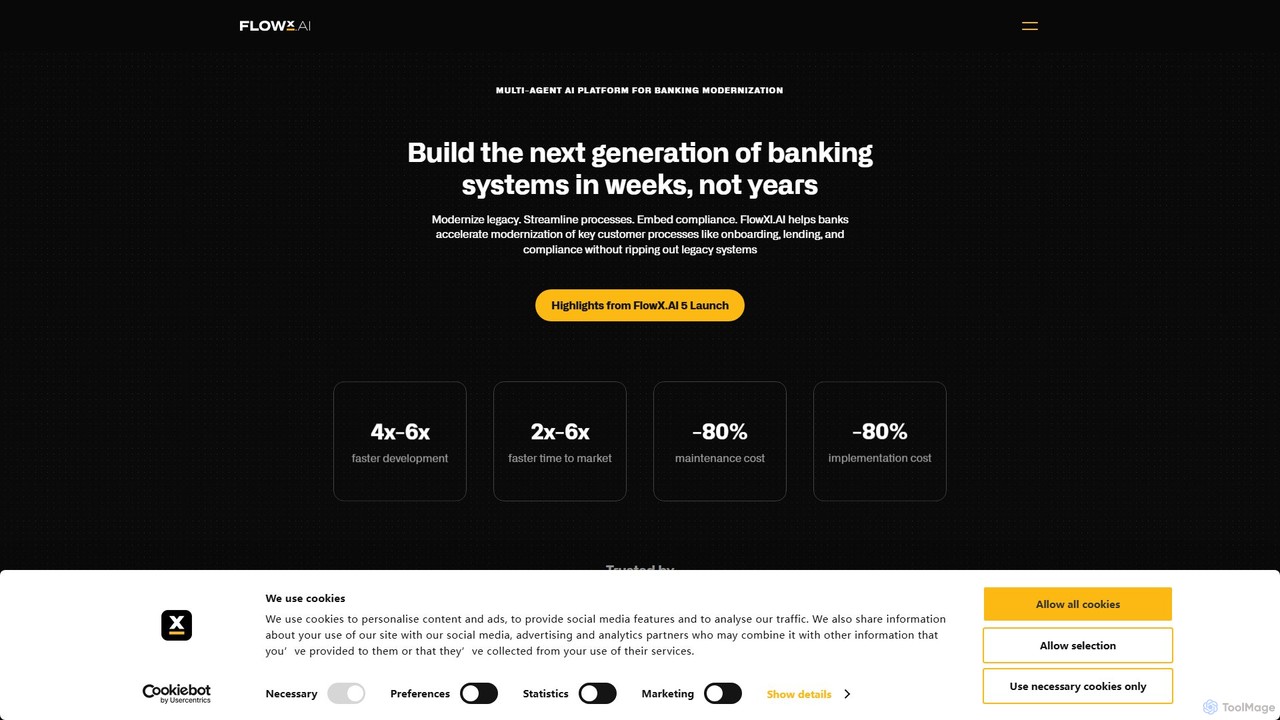
Enzyme is a comprehensive electronic Quality Management System (eQMS) designed for innovative companies, especially in regulated industries like medical devices and biotech. It streamlines quality processes from pre-market to post-market, offering modules for document control, risk management, training, audits, and more, ensuring compliance and operational efficiency.
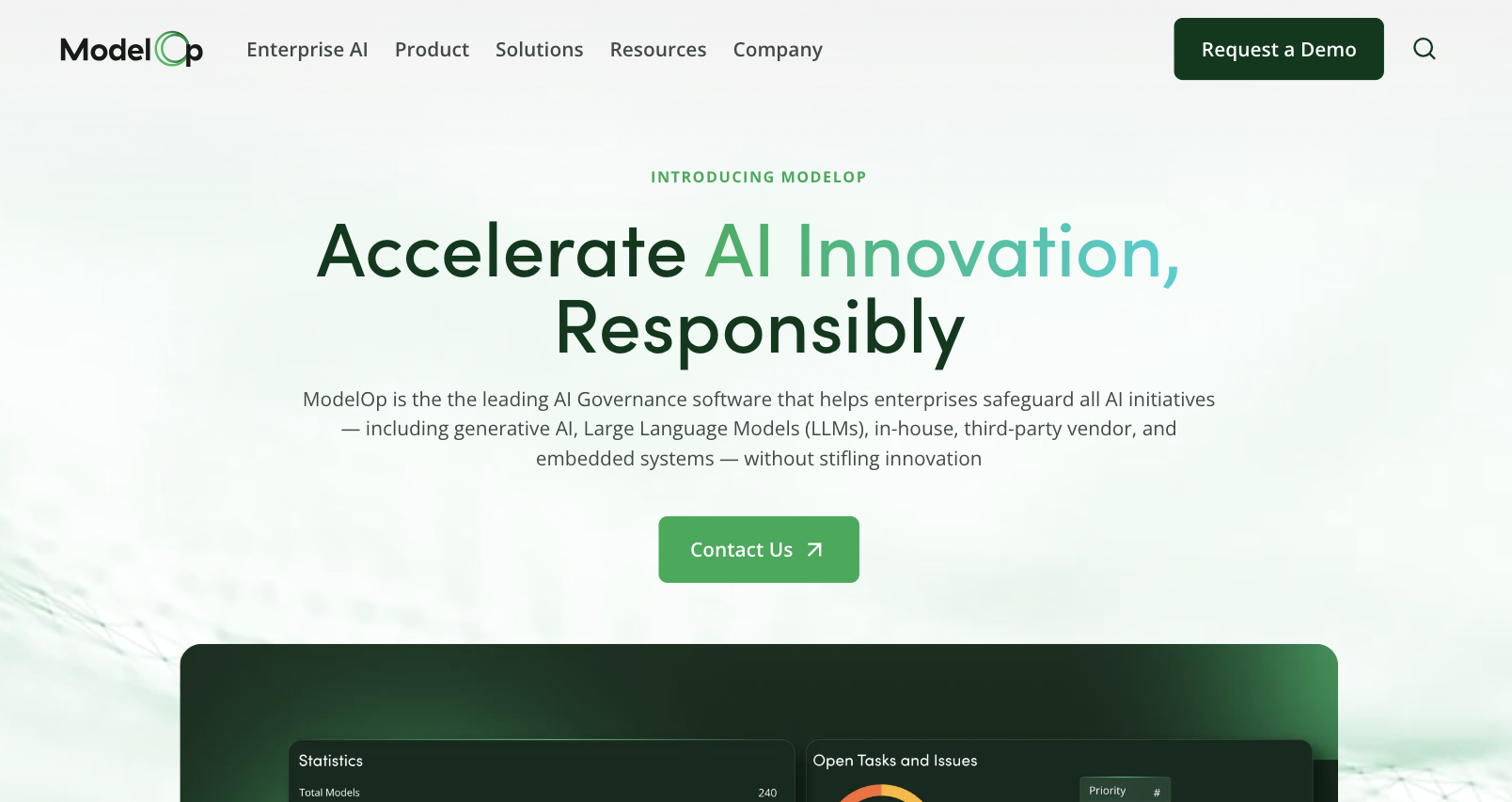
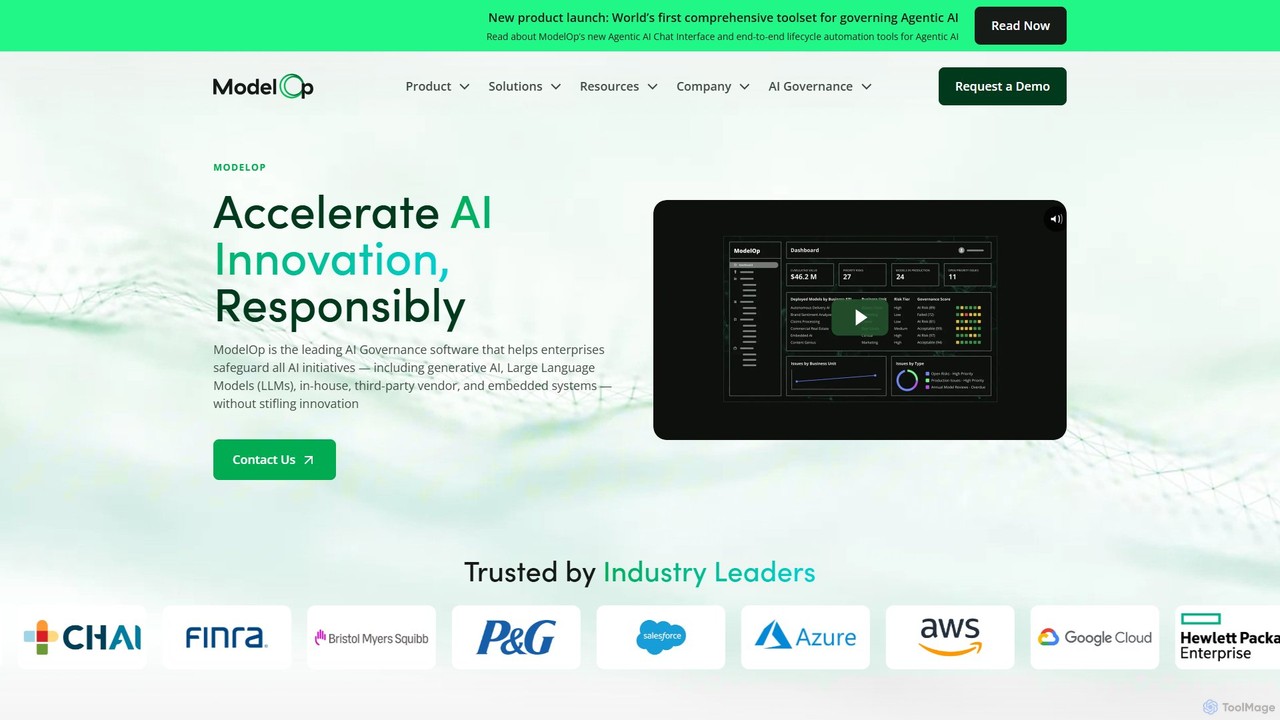
ModelOp is a leading enterprise AI Governance software platform designed to help organizations accelerate AI innovation responsibly. It provides a centralized system to manage, monitor, and govern all AI initiatives, including generative AI, LLMs, in-house models, and third-party systems, ensuring compliance, mitigating risk, and maximizing value.
Product overview
Enzyme Product overview
Enzyme is a comprehensive electronic Quality Management System (eQMS) designed for innovative companies, especially in regulated industries like medical devices and biotech. It streamlines quality processes from pre-market to post-market, offering modules for document control, risk management, training, audits, and more, ensuring compliance and operational efficiency.
ModelOp Product overview
ModelOp is a leading enterprise AI Governance software platform designed to help organizations accelerate AI innovation responsibly. It provides a centralized system to manage, monitor, and govern all AI initiatives, including generative AI, LLMs, in-house models, and third-party systems, ensuring compliance, mitigating risk, and maximizing value.
Detailed feature comparison
| Feature | Enzyme | ModelOp |
|---|---|---|
| Primary category | Quality Management | Risk Management |
| Added | 2025-08-03 | 2025-08-14 |
| Pricing | Paid | Paid |
| Official website | www.enzyme.com | www.modelop.com |
| Product type | Website | Website |
| Performance data | ||
| User rating | Not verified | Not verified |
| Comments | 0 | 0 |
| Monthly visits | 3.7K | 10.9K |
| Monthly growth | 84.4% | 4.4% |
| Favorites | 78 | 101 |
| Details | View details | View details |
Enzyme vs ModelOp monthly traffic
Compare Enzyme and ModelOp by monthly reach, traffic trend, visit depth, top regions, and acquisition sources.
How to interpret the traffic data
In the Enzyme vs ModelOp monthly traffic comparison, Enzyme currently shows 3.7K visits and ModelOp shows 10.9K; ModelOp has about 3 times the visible traffic of Enzyme, an absolute difference of about 7.2K visits. This reflects visible reach, not feature quality or paid users.
Both tools provide verified traffic details, so monthly trends, visit depth, regions, and acquisition sources can be compared on the same basis.
Enzyme monthly traffic:
Latest traffic
Monthly traffic trend
- 2025/9: 4.5K Monthly visits
- 2026/1: 3.7K Monthly visits
- 2026/2: 2.7K Monthly visits
- 2026/3: 2.5K Monthly visits
- 2026/4: 2K Monthly visits
- 2026/5: 3.7K Monthly visits
Top regions
Top 5 countries/regions
| Country/region | Percentage | Traffic |
|---|---|---|
| 🇺🇸United States | 77.49% | 2.8K |
| 🇮🇳India | 22.51% | 827 |
Search keywords
ModelOp monthly traffic:
Latest traffic
Monthly traffic trend
- 2025/9: 8.1K Monthly visits
- 2026/1: 6.8K Monthly visits
- 2026/2: 7.4K Monthly visits
- 2026/3: 9.5K Monthly visits
- 2026/4: 10.4K Monthly visits
- 2026/5: 10.9K Monthly visits
Top regions
Top 5 countries/regions
| Country/region | Percentage | Traffic |
|---|---|---|
| 🇺🇸United States | 53.79% | 5.8K |
| 🇻🇳Vietnam | 19.24% | 2.1K |
| 🇮🇳India | 11.84% | 1.3K |
| 🇬🇧United Kingdom | 7.6% | 826 |
| 🇵🇰Pakistan | 7.53% | 819 |
Search keywords
Usage comparison
Compare the core capabilities of Enzyme and ModelOp
Enzyme Core features
ModelOp Core features
Use cases
Enzyme Use cases
ModelOp Use cases
Enzyme vs ModelOp:In-depth comparison and selection guidance
First decide whether the products solve the same kind of need
This in-depth Enzyme vs ModelOp comparison uses only the product records, taxonomy, audience, traffic, and community signals available on this page. Enzyme is primarily listed under “Quality Management”, while ModelOp is primarily listed under “Risk Management”, so the first decision is whether your actual task matches their recorded scope.
The structured fields currently show these decision-relevant differences: Primary category (Enzyme: Quality Management; ModelOp: Risk Management); Monthly visits (Enzyme: 3.7K; ModelOp: 10.9K); Monthly growth (Enzyme: 84.4%; ModelOp: 4.4%); Favorites (Enzyme: 78; ModelOp: 101); Website (Enzyme: www.enzyme.com; ModelOp: www.modelop.com). These facts are more useful for selection than brand visibility alone.
What market visibility and monthly traffic mean
In the Enzyme vs ModelOp monthly traffic comparison, Enzyme currently shows 3.7K visits and ModelOp shows 10.9K; ModelOp has about 3 times the visible traffic of Enzyme, an absolute difference of about 7.2K visits. This reflects visible reach, not feature quality or paid users.
Both tools provide verified traffic details, so monthly trends, visit depth, regions, and acquisition sources can be compared on the same basis.
If public market visibility is an important first-pass criterion, investigate ModelOp first. The final choice should still follow taxonomy, use case, and a real trial because higher traffic does not prove broader capabilities or better workflow fit.
Product positioning, use cases, and roles
Enzyme and ModelOp currently overlap in shared categories: Compliance; shared tags: compliance and risk management. This can place both on the same shortlist, but it does not prove equal implementation, depth, or cost.
Enzyme's unique categories/tags are Quality Management, Regulatory, audit management, biotech, CAPA, document control, eQMS, and medical devices; ModelOp's are Risk Management, Model Management, agentic AI, AI governance, enterprise AI, LLM governance, MLOps, and model monitoring. These unique fields are the strongest differentiators: validate the product whose recorded scope matches the task instead of following traffic alone.
What ratings, comments, and favorites can tell you
Enzyme has no verified rating, 0 comments, 78 favorites, and 72 likes;ModelOp has no verified rating, 0 comments, 101 favorites, and 95 likes。
Neither product has enough rating or comment samples for a credible reputation ranking.
Selection guidance by actual need
When to evaluate Enzyme first
Put Enzyme on the priority trial list when the task aligns with “Quality Management” and especially Quality Management, Regulatory, audit management, biotech, CAPA, and document control. This follows recorded positioning and does not imply unlisted capabilities are absent.
Enzyme also currently records: pricing is paid, product type is website, 3.7K verified monthly visits, no verified user rating. Verify any hard requirement around price, platform, or reach before trial, and do not let sparse review data substitute for testing.
When to evaluate ModelOp first
Put ModelOp on the priority trial list when the task aligns with “Risk Management” and especially Risk Management, Model Management, agentic AI, AI governance, enterprise AI, and LLM governance. This follows recorded positioning and does not imply unlisted capabilities are absent.
ModelOp also currently records: pricing is paid, product type is website, 10.9K verified monthly visits, no verified user rating. Verify any hard requirement around price, platform, or reach before trial, and do not let sparse review data substitute for testing.
How to validate the recommendation before deciding
The available data describes positioning, public visibility, and community signals, but it cannot prove output quality, speed, integration effort, privacy, or long-term cost in your workflow. Before deciding, run the same representative tasks in Enzyme and ModelOp, then record completion time, accuracy, manual corrections, and the real paid threshold. A like-for-like trial turns this comparison into a defensible adoption decision.
Comparison FAQ
How should I choose between Enzyme and ModelOp?
Where does this comparison data come from?
What do unknown fields mean?
Related AI tools

Monitaur
Monitaur is an AI governance and risk management platform that helps businesses operationalize responsible AI. It unifies data, governance, risk, and compliance teams to mitigate AI risks, ensure model fairness and performance, and turn ethical principles into provable actions.
Risk Management
Credo AI
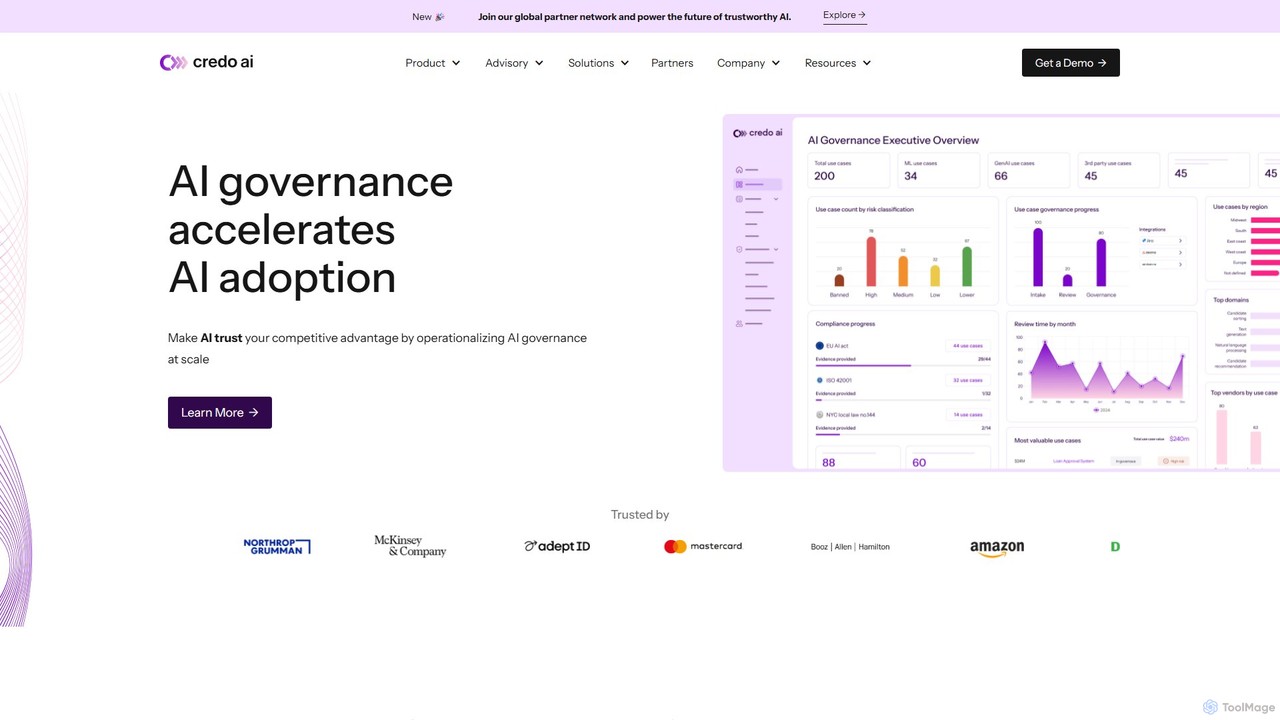
Credo AI is an enterprise-grade AI governance platform that helps organizations operationalize Responsible AI (RAI). It enables businesses to manage AI risks, ensure compliance with global regulations, and build trust by providing tools for inventory, assessment, and monitoring of all AI systems, including generative AI.
Governance
Naaia
Naaia is a leading European AI Management System (AIMS) platform for AI compliance and risk management. It helps organizations navigate regulations like the EU AI Act by transforming legal obligations into actionable plans. The platform provides end-to-end governance, risk monitoring, and compliance management for the entire AI lifecycle, ensuring responsible and trusted AI adoption.
Risk Management
getsignify
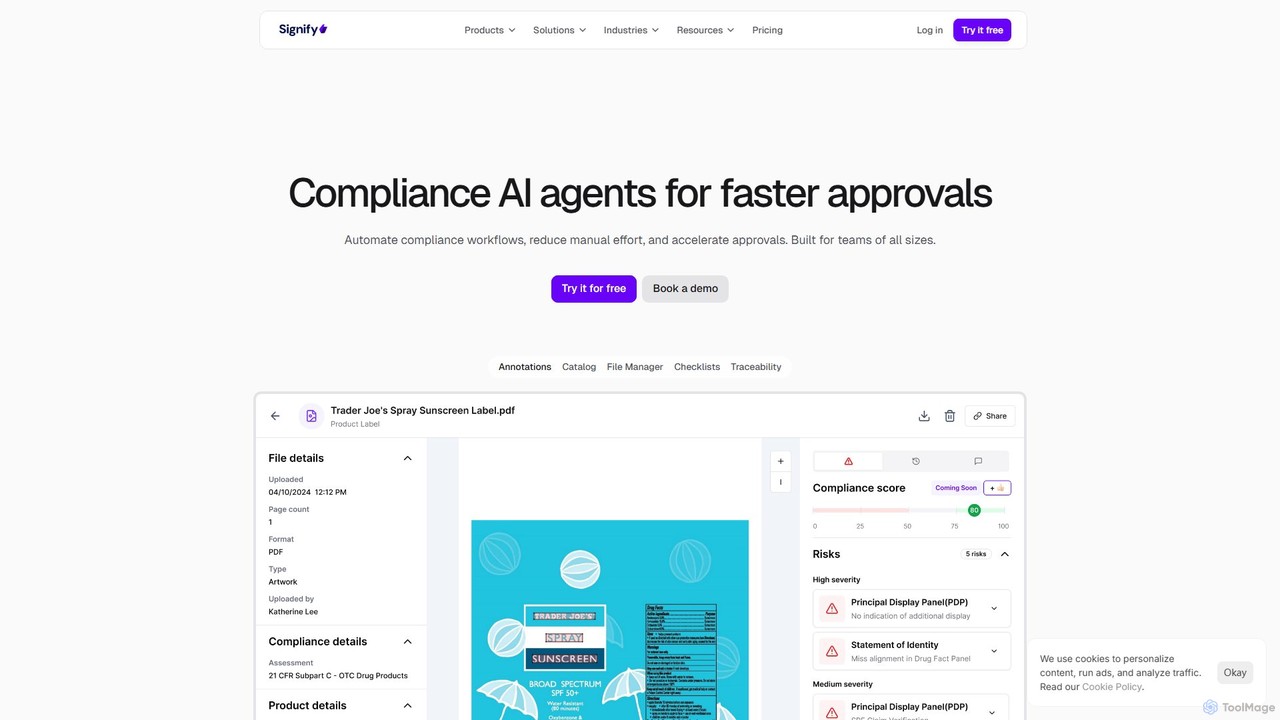
getsignify is an AI-powered compliance platform that deploys specialized AI agents to automate regulatory workflows, review documents and artwork, and accelerate product approvals. It's designed for teams in regulated industries like food & beverage, cosmetics, medical devices, and consumer electronics, helping them reduce manual effort and ensure accuracy.
Risk Management
DataSnack
DataSnack is an AI risk mitigation platform that monitors and prevents culturally insensitive, biased, or harmful GenAI responses in real-time. It helps businesses protect their brand reputation, optimize AI performance, and ensure compliance by assessing models, configuring guardrails, and providing live monitoring.
Risk Management
Suzan AI
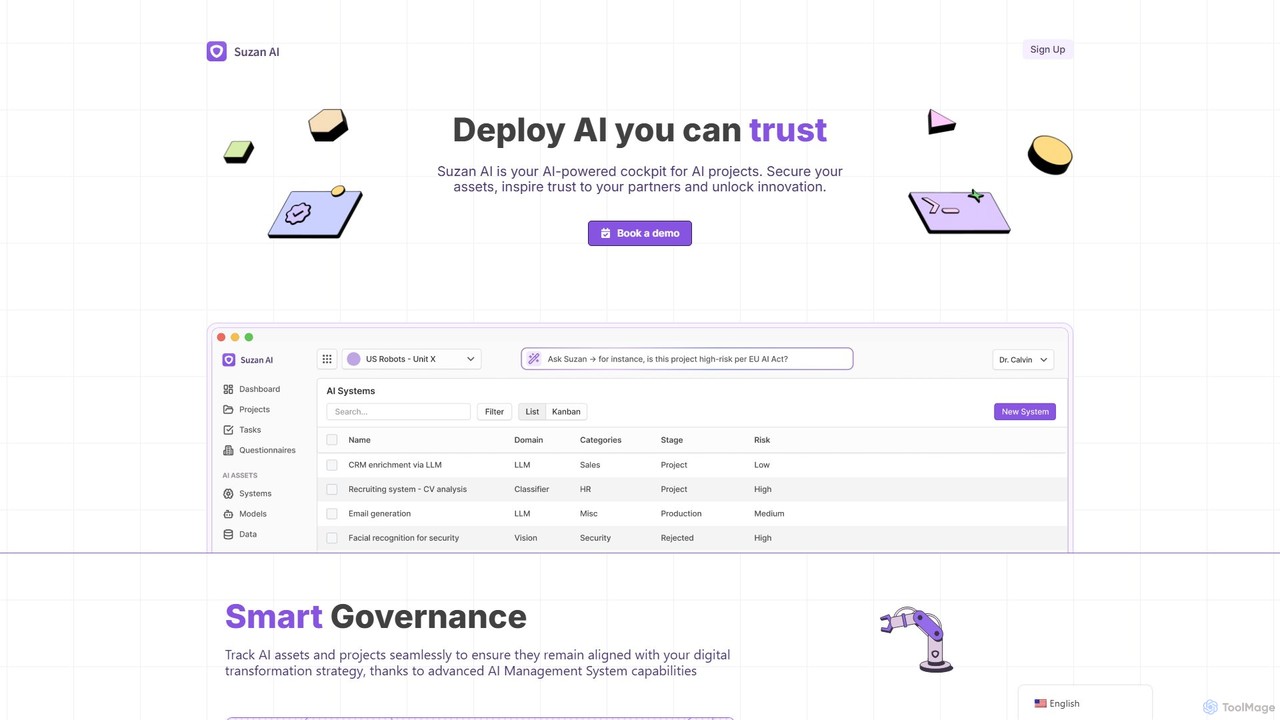
Suzan AI is an AI-powered governance, risk, and compliance (GRC) platform designed to help organizations deploy trustworthy AI. It provides a centralized cockpit to manage AI projects, automate asset inventory, assess risks, and ensure seamless compliance with global regulations, fostering innovation securely.
Risk Management
Factocert
Factocert is a leading global consulting platform that leverages AI-enhanced processes to simplify and accelerate ISO certification, product certification, and compliance audits for businesses worldwide. It offers expert guidance across numerous industries, ensuring a streamlined, cost-effective, and successful certification journey.
Compliance
Robust Intelligence
Robust Intelligence, now a Cisco company, is an end-to-end AI risk management platform. It secures AI models throughout their lifecycle with a real-time AI Firewall and automated testing, helping enterprises mitigate security, ethical, and operational risks to deploy AI safely and responsibly.
Mlops
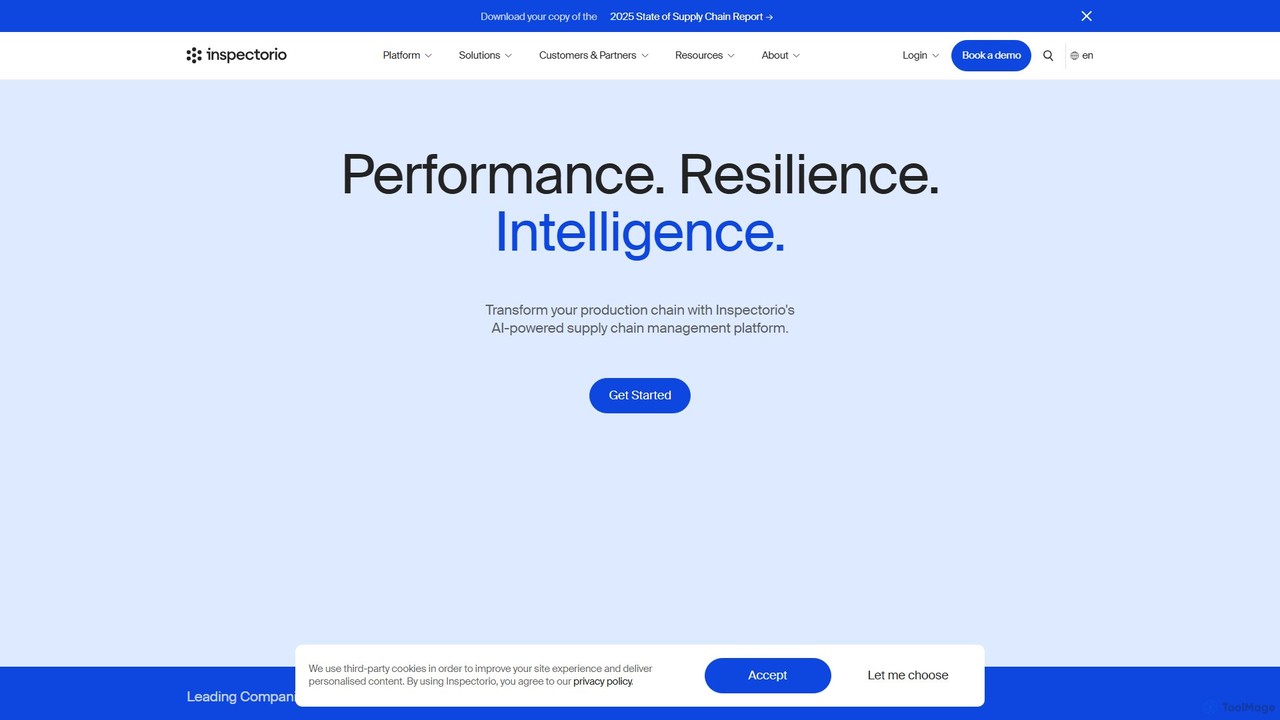
Inspectorio
Inspectorio is an AI-powered supply chain management platform that helps brands, retailers, and suppliers optimize quality, compliance, traceability, and production. It digitizes and connects supply chain operations to enhance transparency, reduce risk, and improve performance.
Compliance
Protevia
Protevia is an AI-powered platform designed to automate data privacy, security, and compliance. It helps businesses discover, classify, and protect sensitive data across their entire digital ecosystem, ensuring adherence to global regulations like GDPR, CCPA, and HIPAA.
Risk Management
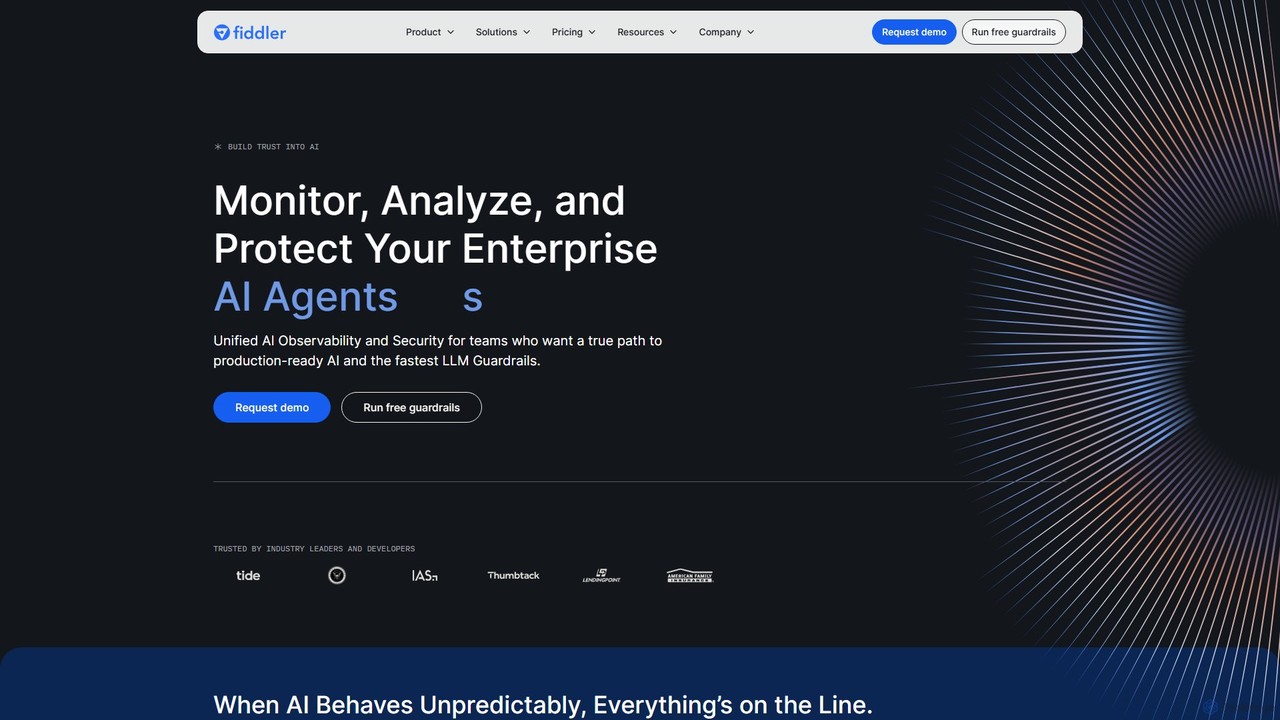
Fiddler AI
Fiddler AI is an enterprise-grade AI Observability platform designed to build trust and transparency into AI systems. It provides unified monitoring, explainability, and security for both traditional machine learning (ML) models and large language models (LLMs). The platform helps teams detect and resolve issues like data drift, performance degradation, bias, and security vulnerabilities, ensuring AI applications are reliable, fair, and compliant.
Model Monitoring
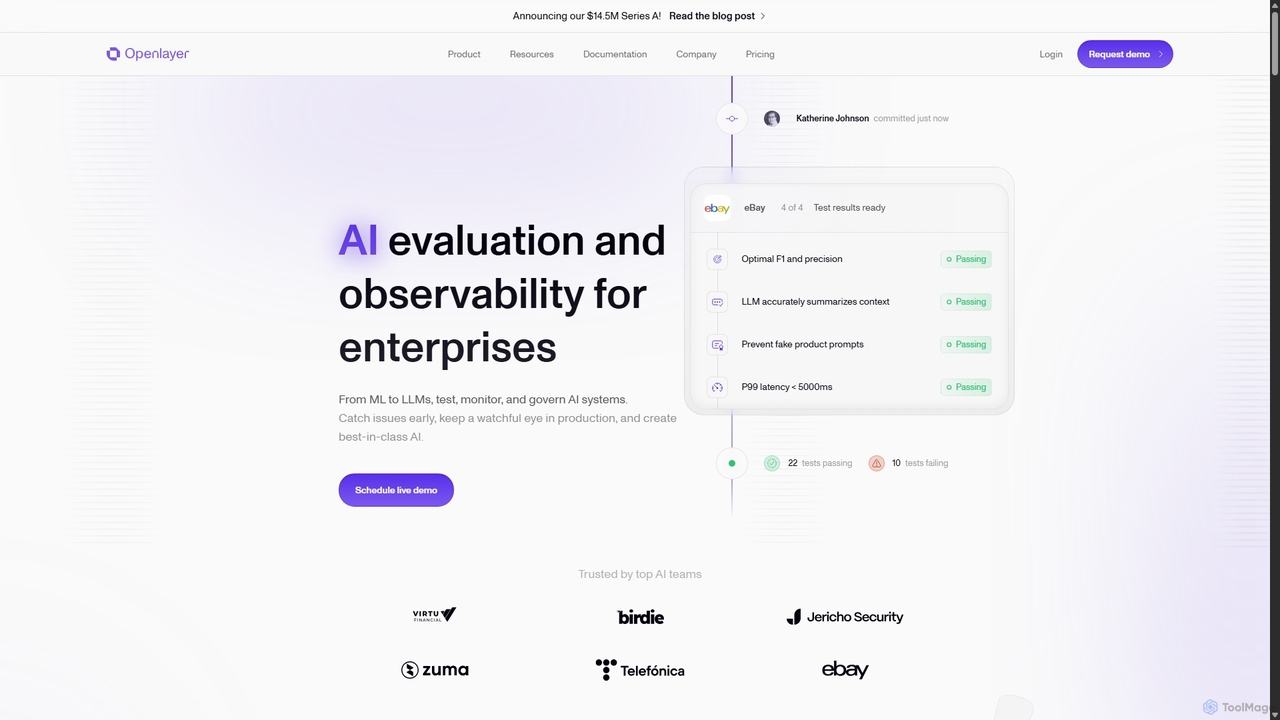
Openlayer
Openlayer is an enterprise-grade platform for AI evaluation and observability. It empowers teams to test, monitor, and govern both traditional machine learning models and large language models (LLMs) throughout their entire lifecycle, from development to production, ensuring reliability and compliance.
Analytics
Hadrius
Hadrius is an AI-powered compliance platform designed for SEC and FINRA regulated RIAs and broker-dealers. It automates and centralizes the entire compliance program, including marketing review, communications monitoring, and employee compliance. By leveraging AI, Hadrius saves firms over 19 hours per week, reduces false positives by over 90%, and consolidates multiple vendor tools into a single, secure, and scalable solution.
Compliance
FlowX.AI
FlowX.AI is a multi-agent AI platform designed for banking modernization. It enables financial institutions to rapidly build and deploy complex, enterprise-grade applications on top of existing legacy systems. By leveraging AI agents and a low-code approach, it drastically reduces development time, cuts costs, and streamlines critical processes like customer onboarding, lending, and compliance.
Low Code No Code
Cape AI
Cape AI is an agentic AI platform for financial institutions, designed to automate complex workflows by transforming unstructured documents into actionable, structured data. It enhances efficiency and accuracy in risk management, compliance, investment research, and customer onboarding. By leveraging fine-tuned LLMs, it can be deployed on-premise or in a private cloud, ensuring top-tier security for sensitive financial data.
Dataanalysis