ToolMage
Sign in

Best 21 Mlops AI tools for Developer Tools

Popular Mlops AI tools in Developer Tools include SuperAnnotate, Encord, Arize, Credo AI, Humanloop, Hopsworks, Superb AI, HoneyHive, Union.ai, and Metaflow, helping you work more efficiently.

Tensorfuse
Freemium

Tensorfuse

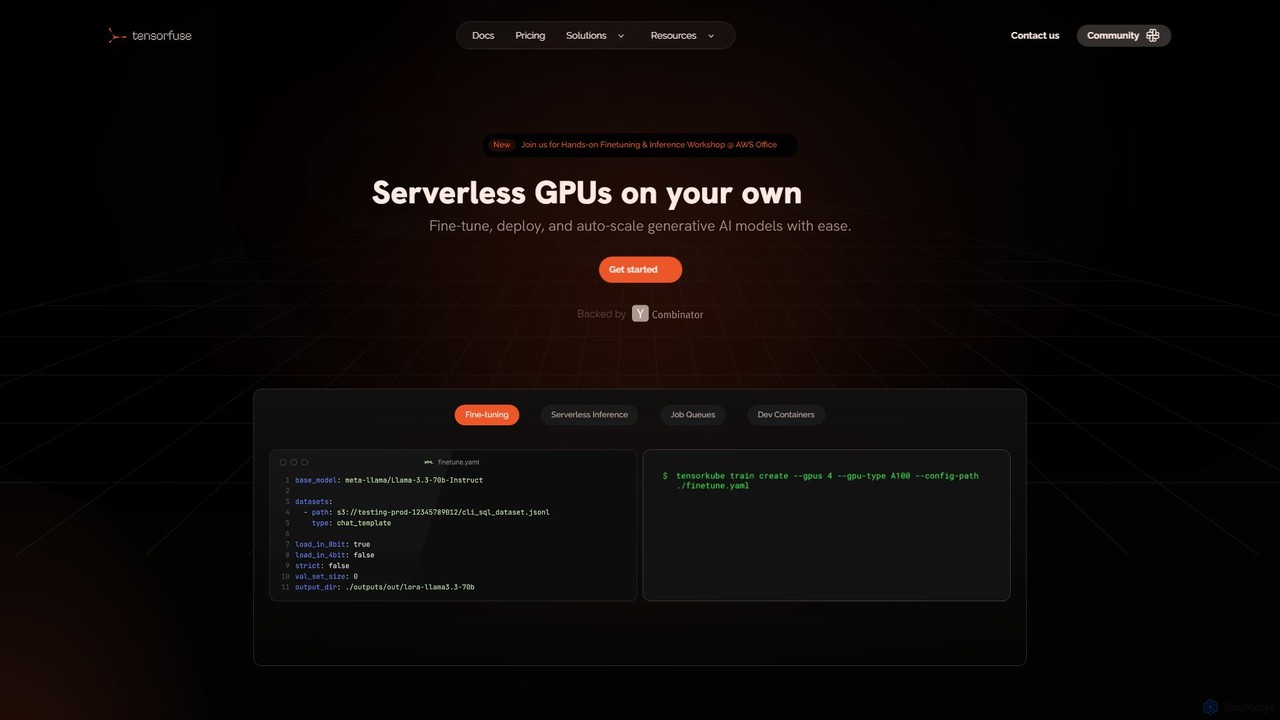
Tensorfuse is a serverless GPU platform that allows developers to fine-tune, deploy, and auto-scale generative AI models on their own AWS cloud. It simplifies infrastructure management, offering features like serverless inference, job queues, and dev containers to accelerate development, reduce costs, and eliminate DevOps overhead.

Deployment
Visits 13.1KFavorites 130Likes 110
HoneyHive
Freemium

HoneyHive

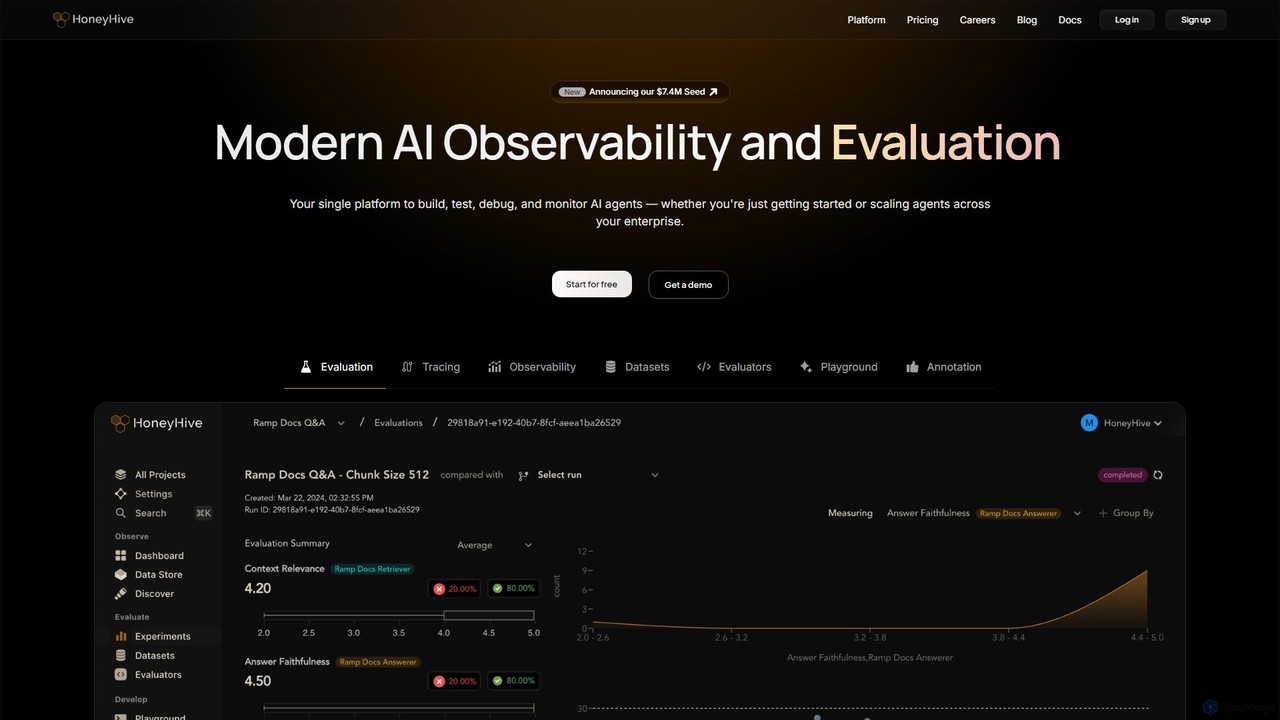
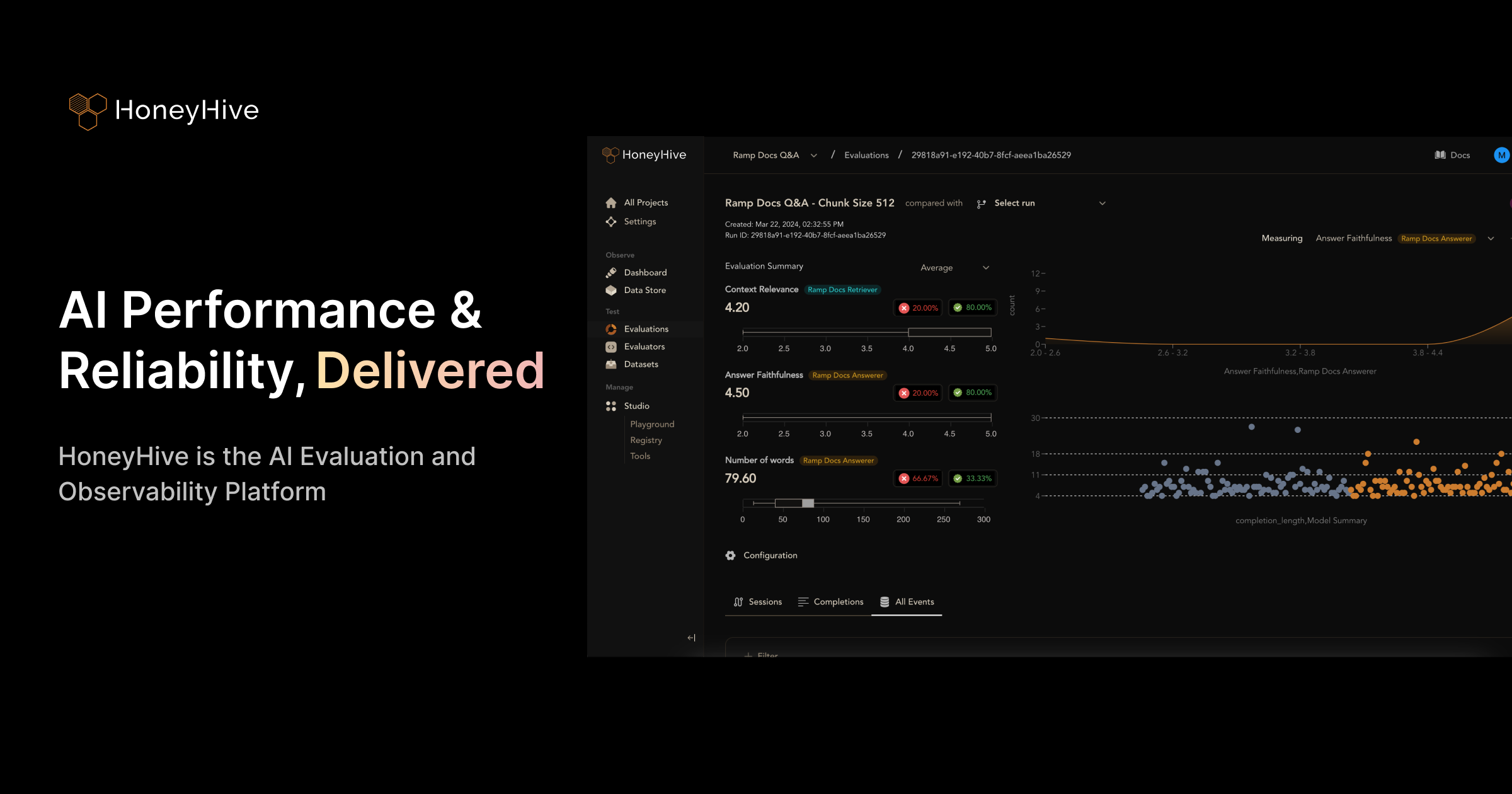
HoneyHive is an all-in-one AI observability and evaluation platform for developers building with LLMs and AI agents. It provides a unified solution to build, test, debug, and monitor AI applications, from initial experiments to enterprise-scale deployment. The platform helps teams systematically measure AI quality, gain deep visibility into agent interactions, monitor performance metrics like cost and latency, and collaborate on essential assets like prompts and datasets, ensuring the confident shipment of reliable AI products.

Debugging
Visits 31.6KFavorites 182Likes 197
Metaflow
Free

Metaflow

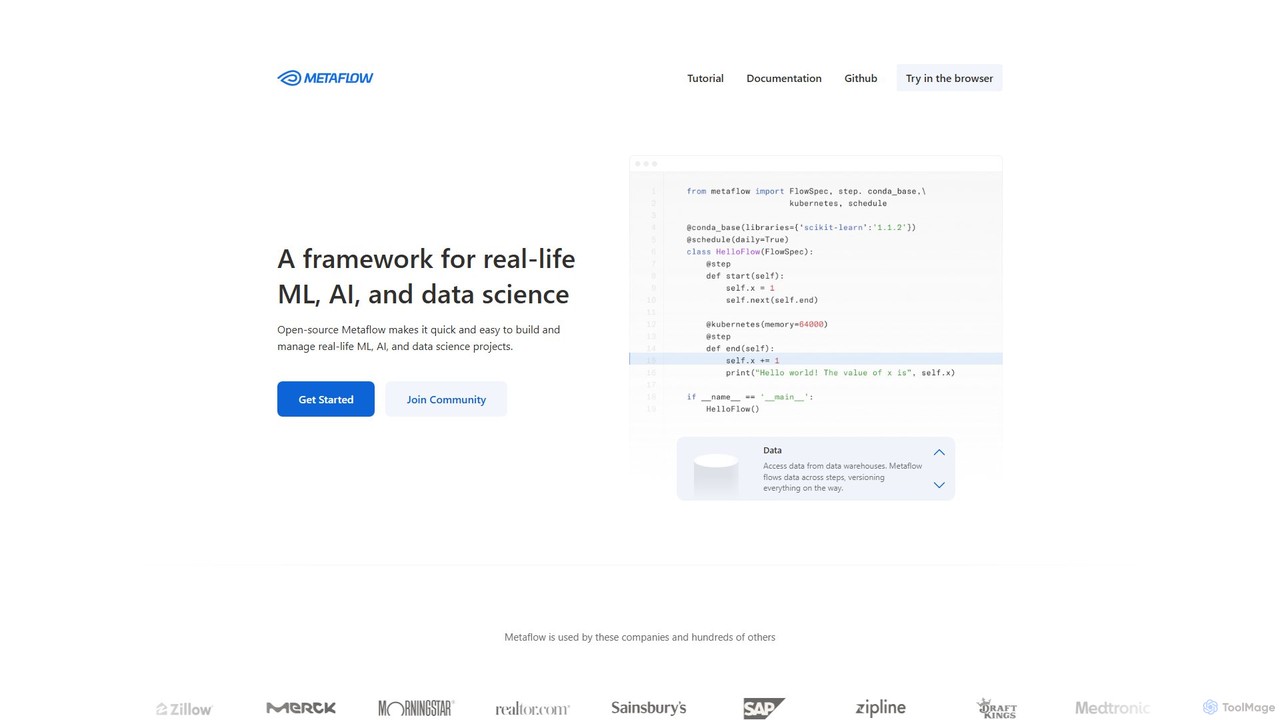
A human-centric Python framework, originally from Netflix, for building and managing real-life data science, ML, and AI projects. It simplifies workflow orchestration, data management, and model deployment, enabling rapid prototyping and scalable production pipelines.

Mlops
Visits 26.8KFavorites 112Likes 111
Radicalbit
Paid

Radicalbit

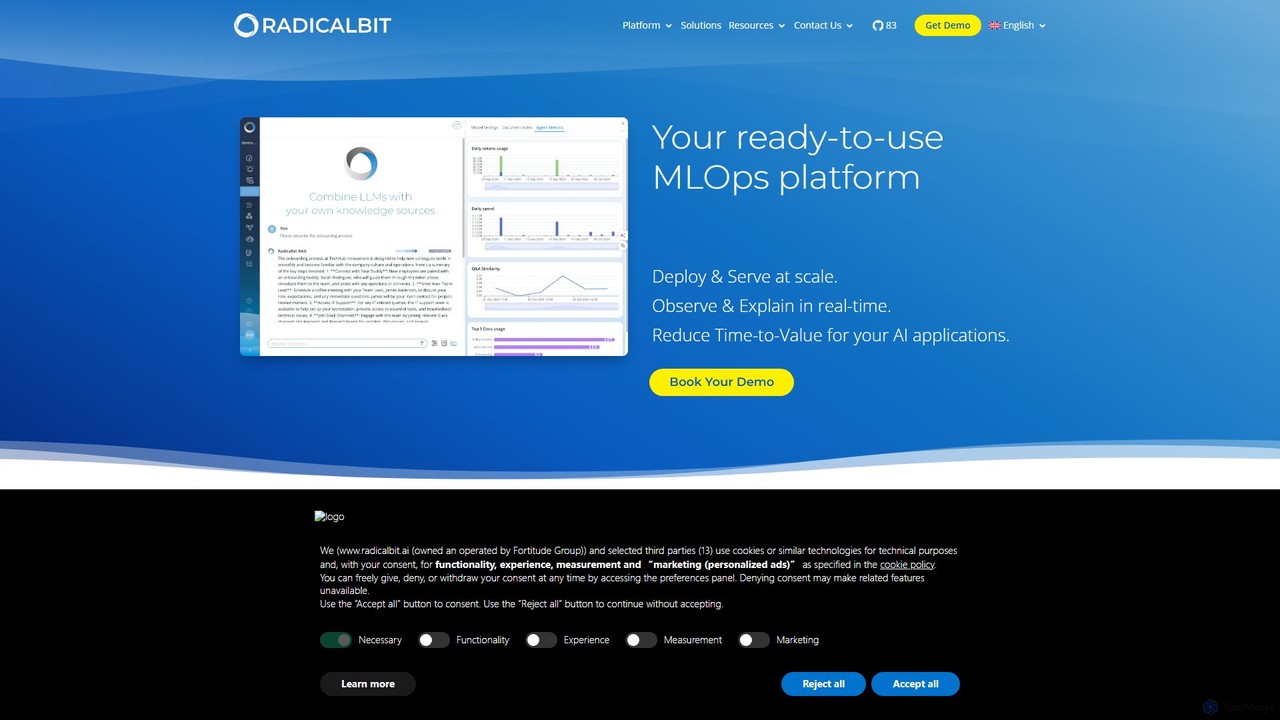
Radicalbit is an enterprise-grade MLOps platform designed to deploy, serve, and monitor AI and LLM models at scale. It offers real-time observability, explainability, and data integrity to accelerate time-to-value, reduce operational costs, and ensure robust governance and compliance for AI applications.

Model Management
Visits 8.5KFavorites 170Likes 153
Robust Intelligence
Paid

Robust Intelligence

Robust Intelligence, now a Cisco company, is an end-to-end AI risk management platform. It secures AI models throughout their lifecycle with a real-time AI Firewall and automated testing, helping enterprises mitigate security, ethical, and operational risks to deploy AI safely and responsibly.

Mlops
Visits 8.1KFavorites 160Likes 168
Neural Vault
Freemium

Neural Vault

Neural Vault is a secure, centralized platform for AI developers and MLOps teams to store, version, manage, and deploy machine learning models. It streamlines the model lifecycle, enhances collaboration, and ensures the security and reproducibility of AI projects.

Storage
Visits 6.5KFavorites 140Likes 135
Hopsworks
Freemium

Hopsworks

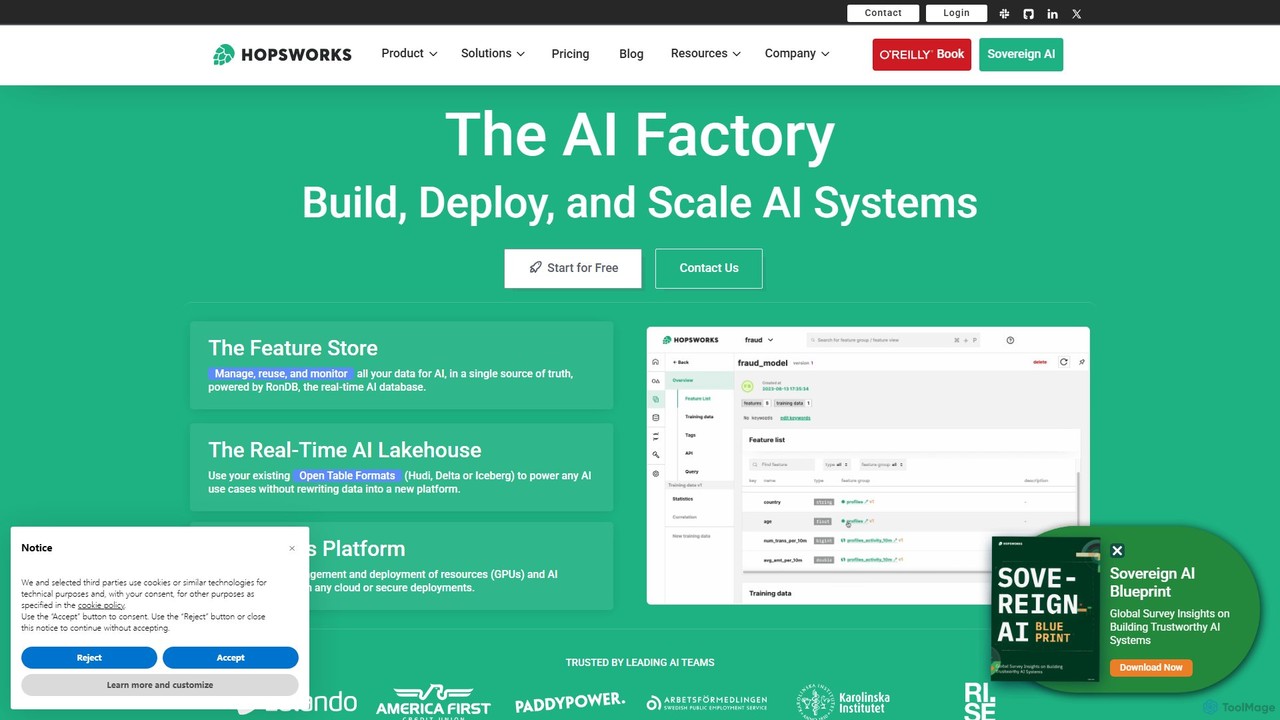
Hopsworks is a real-time AI Lakehouse and the industry's most advanced Feature Store. It's designed for MLOps, unifying data and compute to build and operate reliable, real-time AI systems. It supports any framework, cloud, or on-premises environment, enabling faster model development and significant cost reduction.

Database
Visits 43.2KFavorites 159Likes 165
usevelvet
Freemium

usevelvet

Velvet is a developer gateway, now part of Arize AI, designed for analyzing, evaluating, and monitoring AI-powered features. It provides a comprehensive suite for AI observability, LLM tracing, and model performance management, helping developers build and perfect AI applications from development to production.

Ai Management
Visits 8.5KFavorites 117Likes 130
WhyLabs
Freemium

WhyLabs

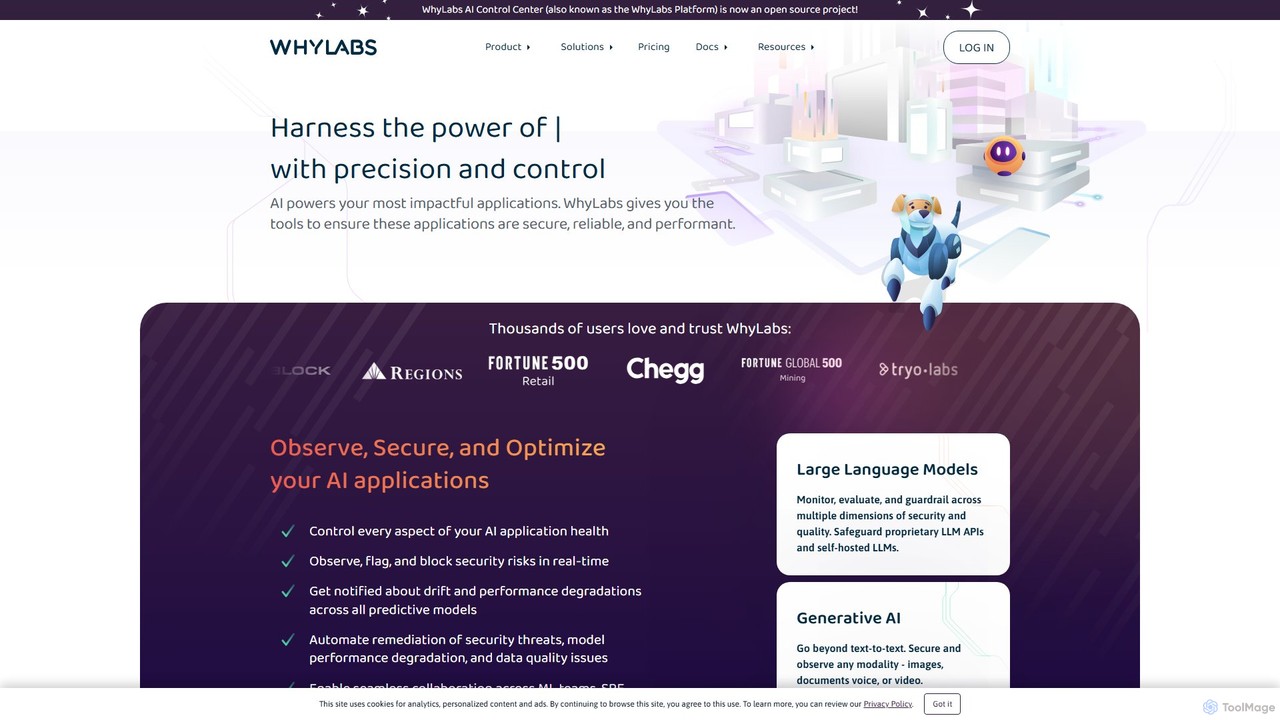
WhyLabs is an AI observability and security platform designed for MLOps, SRE, and security teams. It provides tools to monitor, secure, and optimize AI applications, including LLMs and predictive models. The platform detects data drift, performance degradation, and security threats like prompt injections in real-time, all while using a privacy-preserving architecture that never moves or duplicates raw data.

Mlops
Visits 11.4KFavorites 150Likes 153
dstack
Freemium

dstack

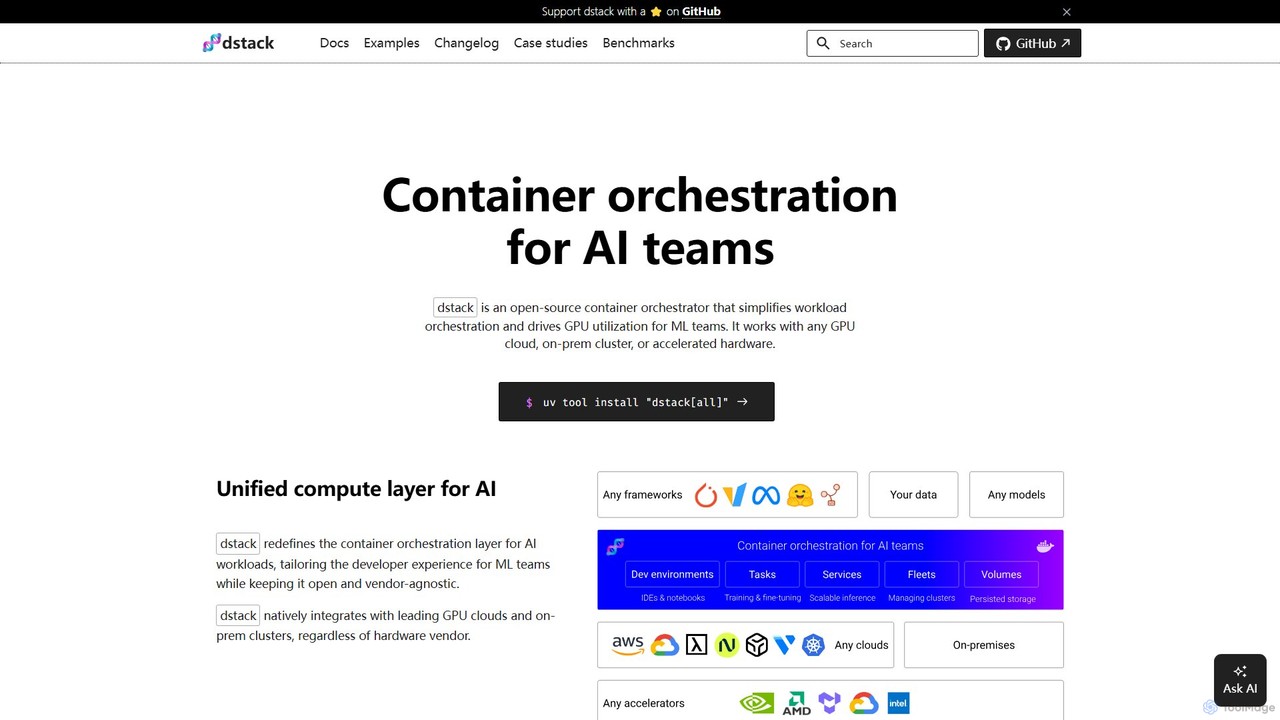
dstack is an open-source container orchestrator designed for AI and ML teams. It simplifies workload orchestration and maximizes GPU utilization across any cloud provider, on-premise cluster, or accelerated hardware. It provides a unified compute layer, streamlining development, training, and model deployment.

Orchestration
Visits 20.2KFavorites 170Likes 171
Credo AI
Paid

Credo AI

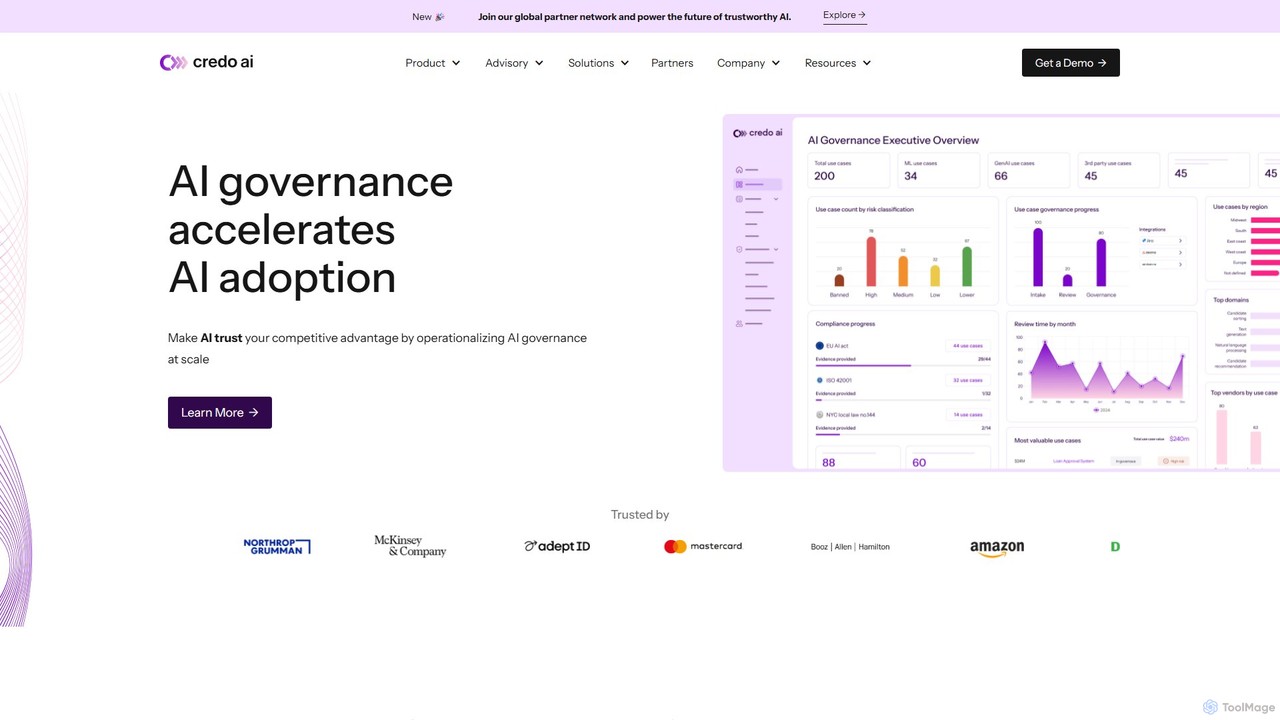
Credo AI is an enterprise-grade AI governance platform that helps organizations operationalize Responsible AI (RAI). It enables businesses to manage AI risks, ensure compliance with global regulations, and build trust by providing tools for inventory, assessment, and monitoring of all AI systems, including generative AI.

Governance
Visits 56.2KFavorites 147Likes 139
Superb AI
Paid

Superb AI

Superb AI is an end-to-end MLOps platform for computer vision, enabling businesses to build, manage, and deploy custom AI models. It specializes in automating the entire data pipeline, from labeling and curation to model training and diagnostics, for industries like autonomous driving, manufacturing, and security.

Data Labeling
Visits 39.7KFavorites 143Likes 165
Union.ai
Freemium

Union.ai

Union.ai is an enterprise-grade, production-ready platform for orchestrating complex AI and machine learning workflows. Built on the open-source Flyte, it empowers teams to build, serve, and scale compound AI systems with unparalleled performance and efficiency. It bridges the data-ML gap, optimizes cloud costs with features like scale-to-zero, and enhances developer velocity through a seamless, integrated experience.

Orchestration
Visits 31.5KFavorites 151Likes 160
Humanloop
Freemium

Humanloop

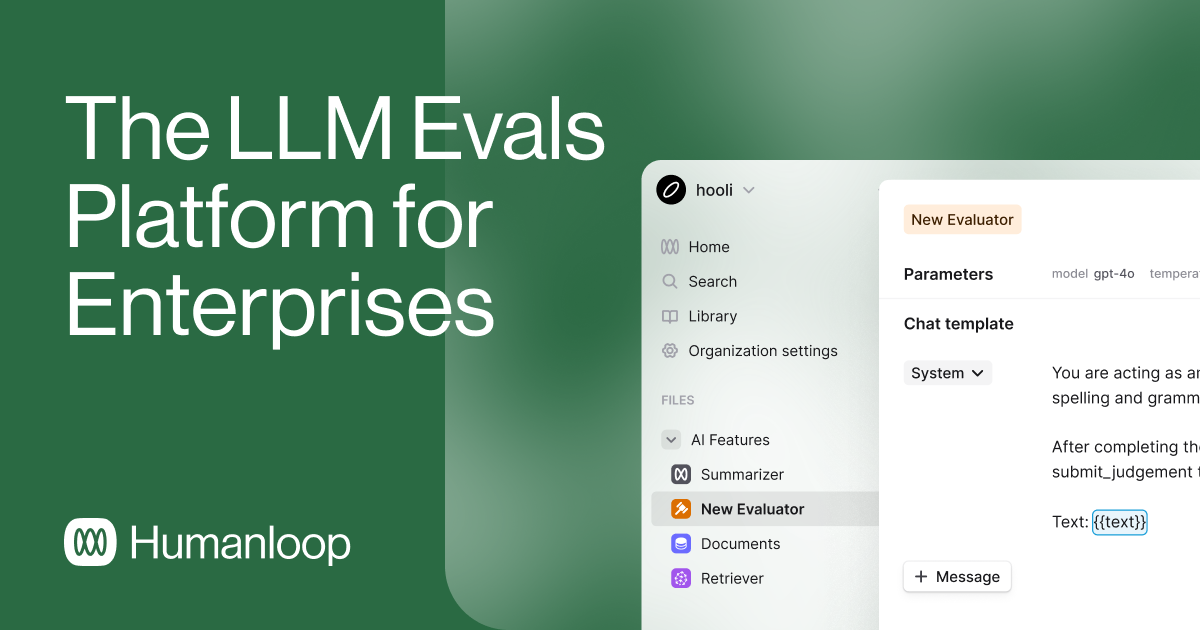
Humanloop is an enterprise-grade LLM evaluation and observability platform. It provides a comprehensive suite of tools for developing, evaluating, and monitoring AI applications, enabling teams to ship and scale reliable AI products with confidence. It fosters collaboration between engineers, product managers, and domain experts through both code-first and UI-first workflows.

Enterprise Solutions
Visits 50.5KFavorites 123Likes 131
dagworks
Freemium

dagworks

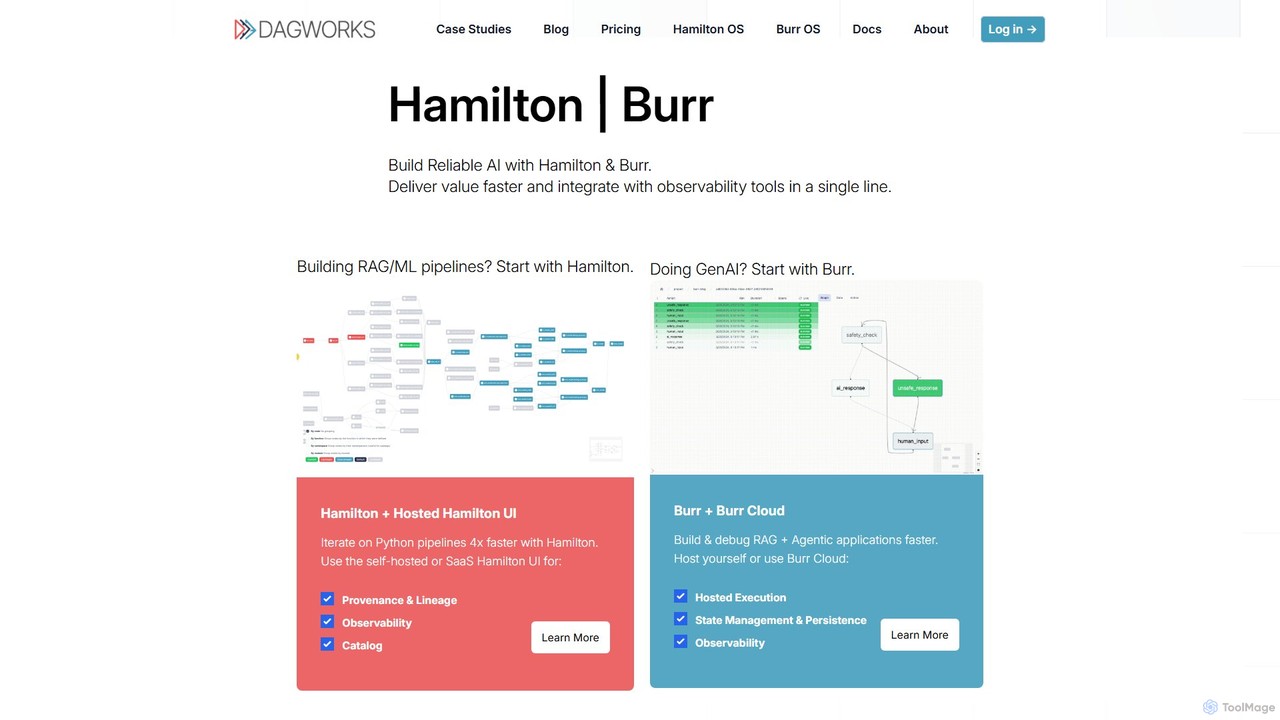
Dagworks provides a suite of open-source developer tools, Hamilton and Burr, designed to build, debug, and observe reliable AI applications. Hamilton standardizes ML and data pipelines for faster iteration and clear lineage, while Burr simplifies the creation of complex, stateful RAG and agentic systems with built-in observability.

Mlops
Visits 10.1KFavorites 112Likes 114
SuperAnnotate
Freemium

SuperAnnotate

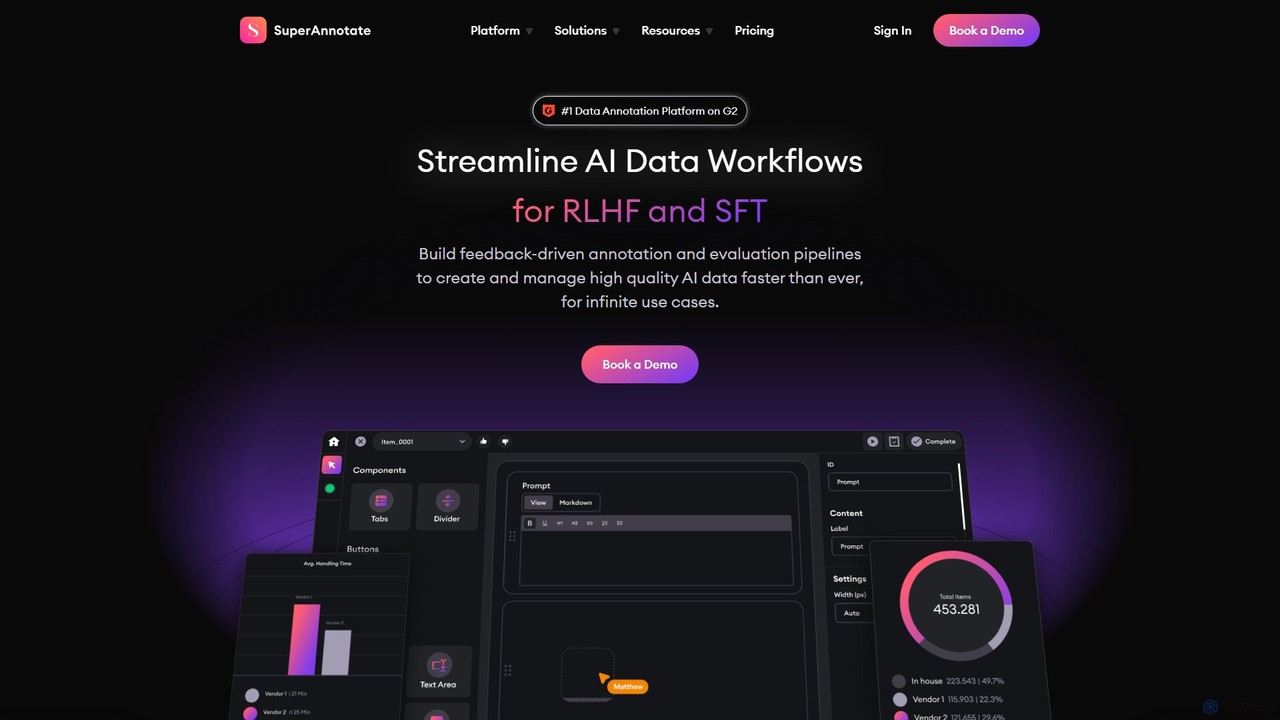
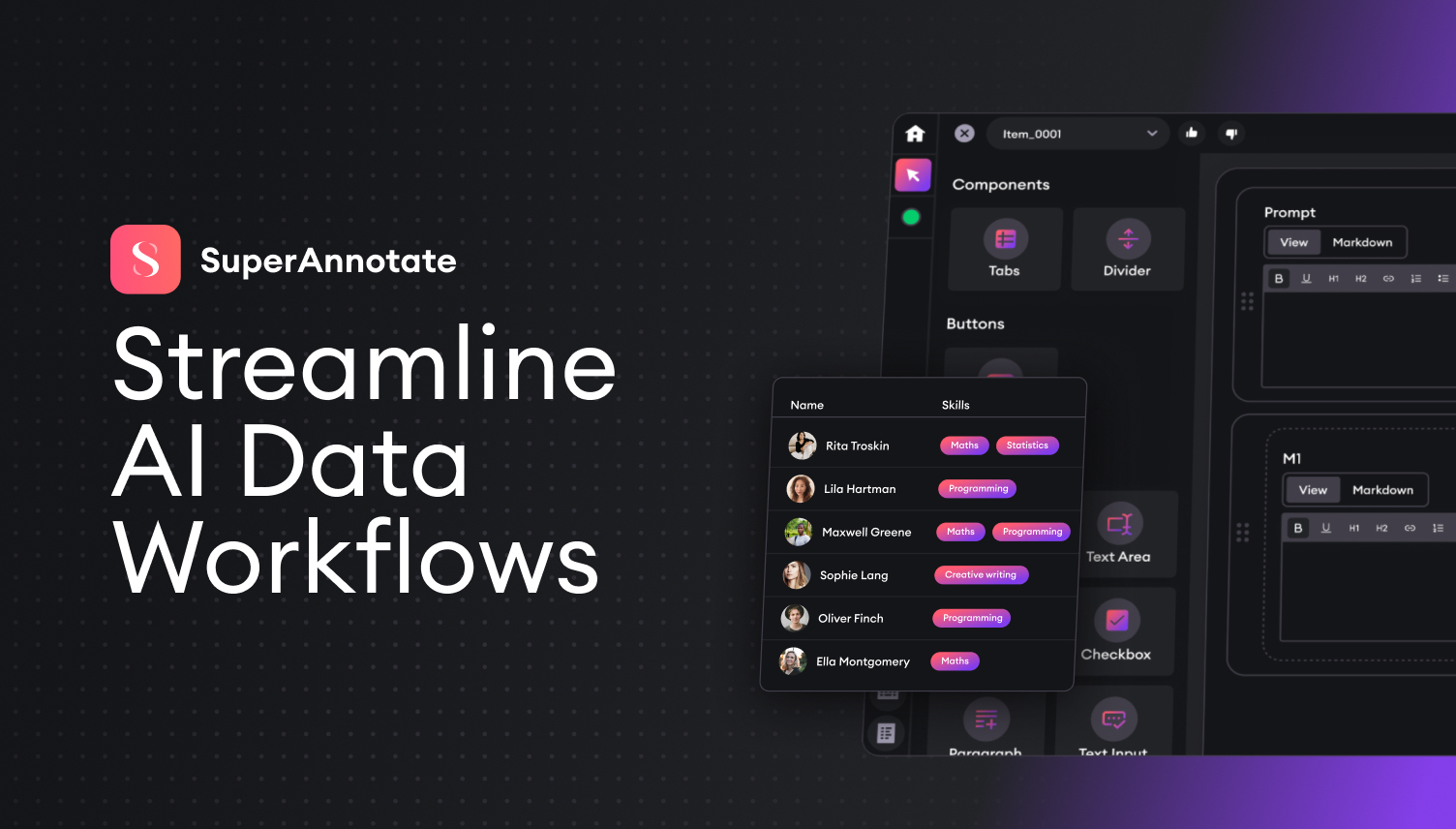
SuperAnnotate is a leading AI data platform that streamlines the entire data pipeline for machine learning. It enables teams to annotate, manage, and curate high-quality multimodal datasets (image, video, text, audio) to accelerate model development, including for complex workflows like RLHF, RAG, and SFT. It's designed to improve model accuracy and efficiency.

Labeling
Visits 412.7KFavorites 126Likes 129
remyx
Freemium

remyx

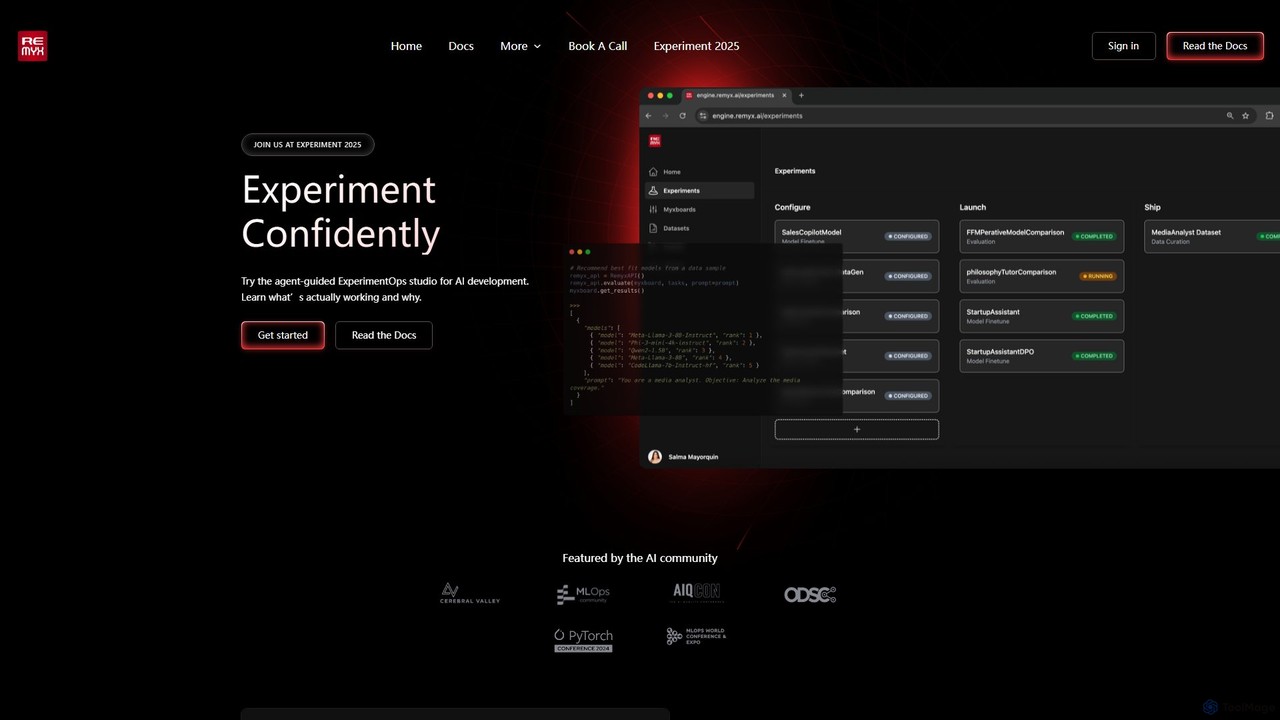
Remyx is an ExperimentOps platform designed for AI development. It helps AI and product teams operationalize knowledge by providing a collaborative studio for structured, reusable, and traceable experiments. By focusing on custom metrics and guided learning loops, Remyx accelerates the AI development lifecycle, ensuring that AI systems are aligned with real-world business goals and user impact.

Experimentation
Visits 7.9KFavorites 128Likes 141
UbiOps
Freemium

UbiOps

UbiOps is a powerful MLOps platform for AI model serving, orchestration, and training. It enables data scientists and AI teams to seamlessly deploy, manage, and scale their models on any infrastructure—local, hybrid, or multi-cloud—without deep engineering expertise. The platform handles containerization, API creation, and auto-scaling, accelerating the path from development to production for various AI applications, including Generative AI and Computer Vision.

Platform As A Service (Paas)
Visits 20.7KFavorites 145Likes 154
Encord
Freemium

Encord

Encord is a comprehensive data development platform for visual and multimodal AI. It provides tools for managing, curating, and annotating large-scale, unstructured data like images, videos, and DICOM files. The platform helps AI teams build high-quality datasets, improve model performance, and accelerate the deployment of production-ready AI applications through advanced labeling, model evaluation, and human-in-the-loop workflows.

Annotation
Visits 273.5KFavorites 150Likes 131
Arize
Freemium

Arize

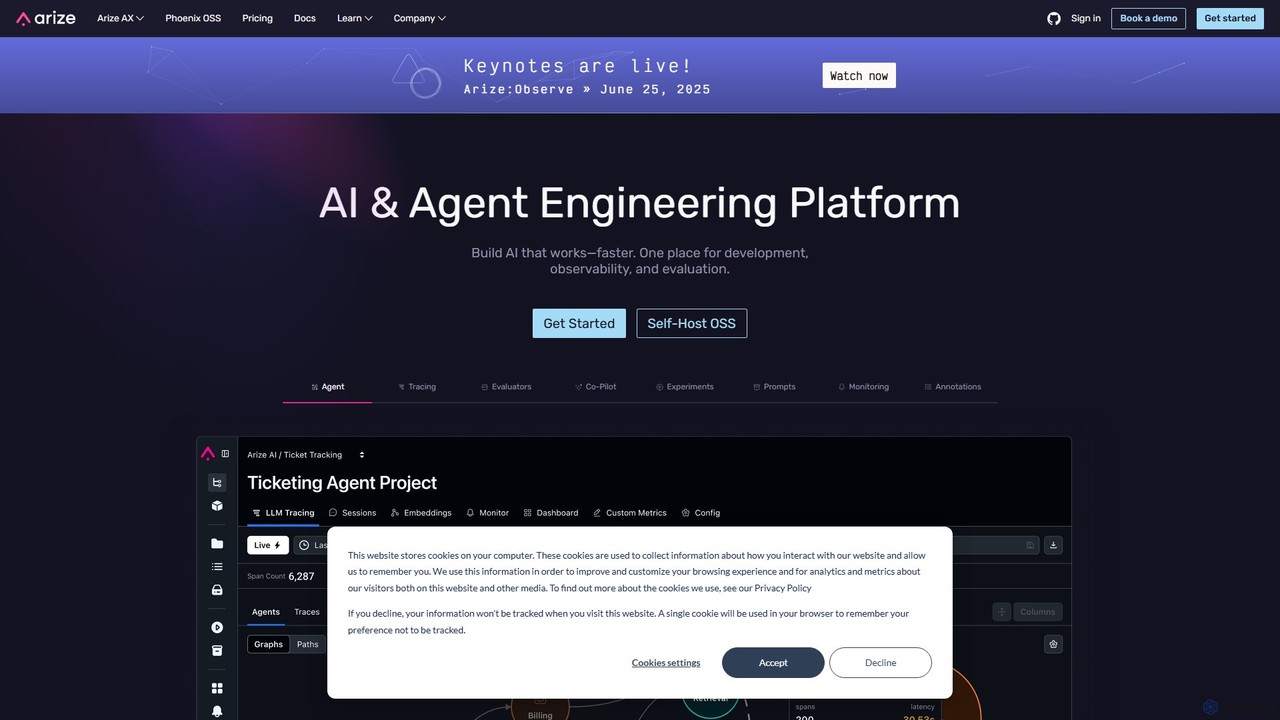
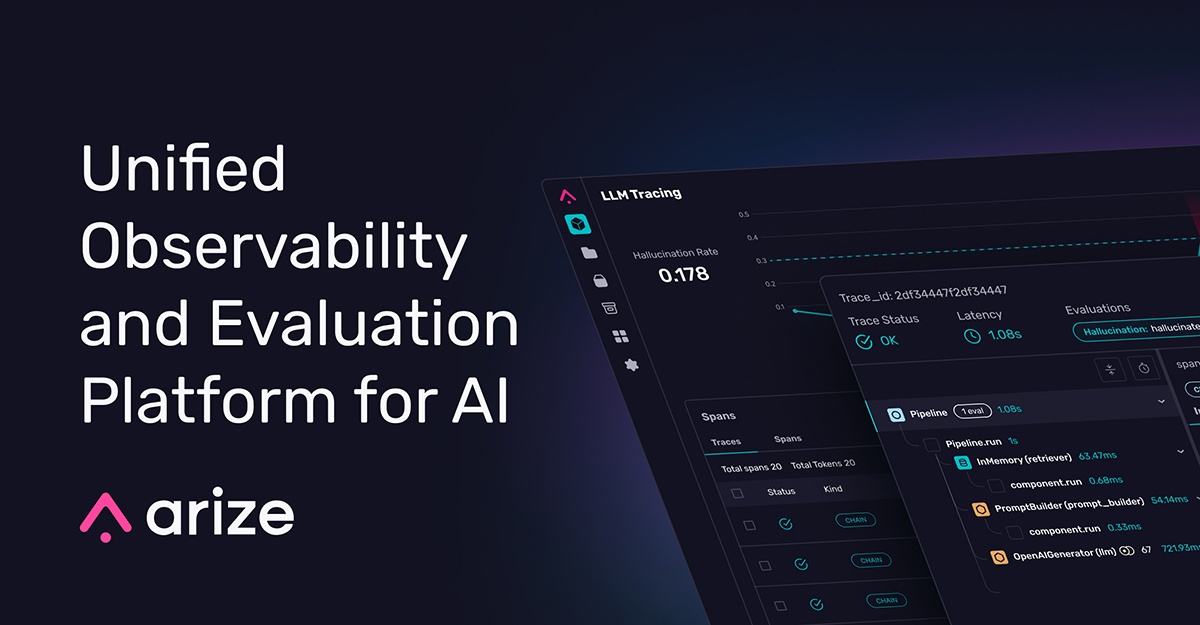
Arize is an AI & Agent Engineering Platform designed for development, observability, and evaluation. It provides a unified solution for teams to build, monitor, debug, and improve LLM and ML models faster. By closing the loop between development and production, Arize helps ensure AI systems are reliable, trustworthy, and high-performing at scale.

Mlops
Visits 254.6KFavorites 116Likes 109
Modelbit
Freemium

Modelbit

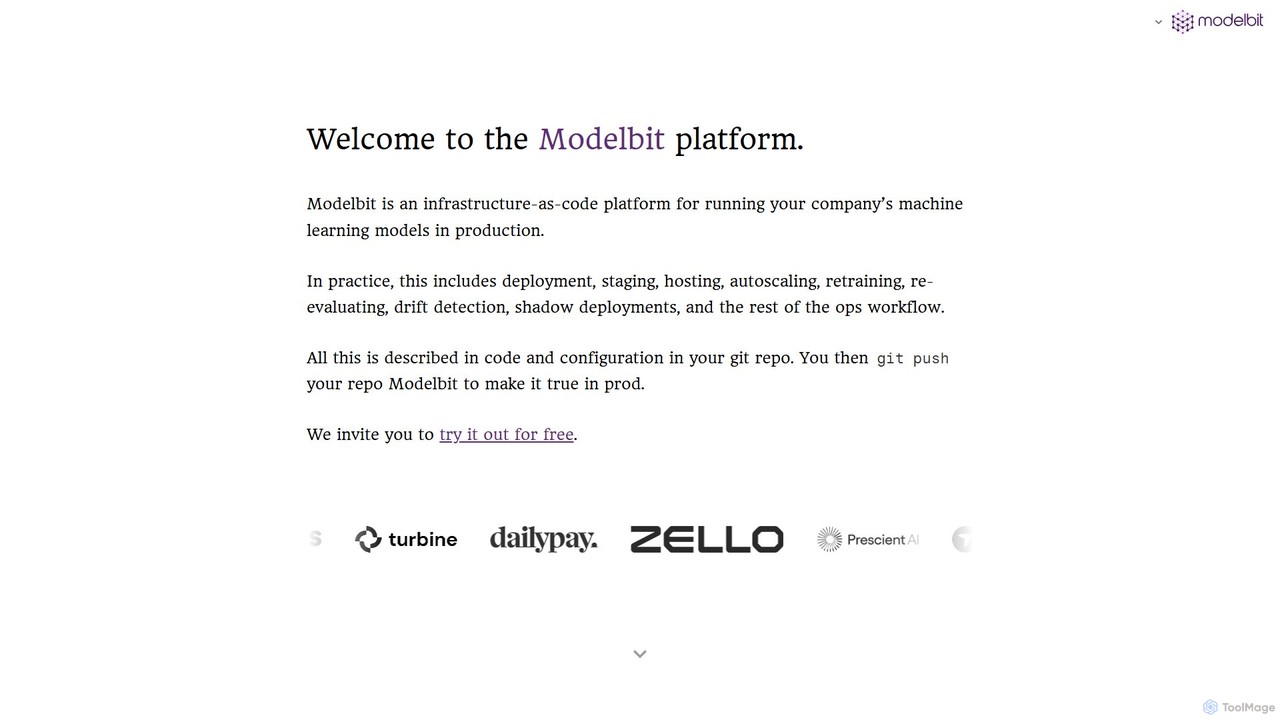
Modelbit is an MLOps platform for deploying machine learning models directly from Python notebooks to production. It provides an infrastructure-as-code workflow, enabling data scientists to deploy, host, scale, and manage models with a single line of code and a git push.

Mlops
Visits 6.9KFavorites 144Likes 148

About Mlops

MLOps (Machine Learning Operations) tools are a class of platforms designed to automate and manage the entire machine learning lifecycle. They apply DevOps principles to ML systems, bridging the gap between model development and operational deployment. These tools facilitate continuous integration, delivery, and deployment (CI/CD) specifically for machine learning models, ensuring they are reproducible, scalable, and reliable in production environments. The primary goal is to shorten development cycles and maintain high-quality models over time.

Core Features

  • Experiment Tracking: Logs parameters, metrics, and artifacts from different training runs for comparison and reproducibility.
  • Model Registry: A centralized repository to version, store, and manage trained machine learning models.
  • Automated Pipelines: Creates reproducible workflows for data preparation, model training, validation, and deployment.
  • Model Serving: Deploys models as scalable and reliable APIs or services for real-time or batch predictions.
  • Performance Monitoring: Tracks the performance of deployed models, detecting issues like data drift or concept drift.

Use Cases

MLOps tools are essential for organizations that deploy machine learning models at scale. They are widely used in industries like finance for fraud detection systems, e-commerce for recommendation engines, and healthcare for diagnostic models. Roles such as Machine Learning Engineers, Data Scientists, and DevOps Engineers use these platforms to collaborate on building, deploying, and maintaining production-grade AI applications.

How to Choose

When selecting an MLOps tool, consider its integration capabilities with your existing tech stack (e.g., cloud providers, data storage). Evaluate the scope of its features—whether it's an end-to-end platform or a specialized tool for a specific task like monitoring. Also, assess its scalability to handle your data and traffic volumes, and the level of technical expertise required for your team to use it effectively.

Featured tool rankings

Mlops use cases

1

Automating Credit Score Model Retraining

A financial services company uses an MLOps platform to manage their credit scoring models. Machine Learning Engineers set up an automated pipeline that triggers every quarter. This pipeline pulls new customer data, retrains the model, runs a suite of validation tests against a baseline, and, if performance improves, automatically promotes the new model to a staging environment for final review. This process ensures the model remains accurate and compliant with regulations, reducing manual effort by over 90%.

2

Deploying and Monitoring a Recommendation Engine

An e-commerce platform's data science team develops a new product recommendation algorithm. Using an MLOps tool, they package the model into a container, deploy it as a microservice, and set up a monitoring dashboard. The dashboard tracks key metrics like click-through rate and prediction latency in real-time. The tool also alerts the team if it detects data drift (e.g., a sudden change in user behavior), allowing them to quickly diagnose issues and trigger a retraining job before sales are impacted.

3

Managing Medical Imaging AI for Regulatory Compliance

A healthcare technology company develops an AI model to detect anomalies in medical scans. Due to strict regulatory requirements, they use an MLOps platform to maintain a complete audit trail. The platform's model registry versions every model with its corresponding training data, code, and performance metrics. When deploying a new version, the system automatically generates a validation report. This ensures full traceability and reproducibility, which is crucial for passing audits from bodies like the FDA or EMA.

4

Collaborative Experiment Tracking for Research Teams

A university research lab is working on a complex climate change model. Multiple researchers are running experiments with different hyperparameters and datasets. They use an MLOps tool with experiment tracking capabilities to log every run. This creates a centralized, searchable history of all experiments. Researchers can easily compare results, share findings with colleagues by sending a link to a specific run, and reproduce a previous experiment's exact setup, fostering collaboration and accelerating scientific discovery.

5

CI/CD for a Customer Service Chatbot

A SaaS company integrates MLOps into their CI/CD pipeline for their NLP-powered chatbot. When a developer commits new code or a data scientist adds new training data, a pipeline is automatically triggered. It runs unit tests, trains the NLP model, evaluates it on a golden dataset, and if all checks pass, deploys it to a staging environment. This 'CI/CD for ML' approach allows the team to iterate quickly and safely, delivering improvements to their chatbot on a daily basis without manual intervention.

6

Scalable Serving for Real-Time Fraud Detection

A fintech company needs to serve a fraud detection model that can handle thousands of transactions per second. They use an MLOps platform with a high-performance model server. The platform allows them to deploy the model across a cluster of machines and automatically scales the number of replicas based on real-time traffic. This ensures low latency and high availability, which are critical for preventing fraudulent transactions without impacting the user experience. The platform also provides detailed logs and performance metrics for each prediction.

Mlops FAQ

What are MLOps tools?

MLOps (Machine Learning Operations) tools are specialized platforms that apply DevOps principles to the machine learning lifecycle. Their primary purpose is to automate, manage, and streamline the process of building, deploying, and maintaining ML models in production. Key features often include experiment tracking, model versioning, automated training pipelines, model deployment, and performance monitoring to ensure reliability and scalability.

What is the difference between MLOps and DevOps?

MLOps is an extension of DevOps principles specifically tailored for machine learning. While DevOps focuses on the software development lifecycle (code, build, test, release), MLOps addresses additional complexities unique to ML, such as:

  • Data Versioning: Tracking changes in datasets, not just code.
  • Model Versioning: Managing different trained model versions.
  • Continuous Training (CT): Automating model retraining with new data.
  • Monitoring for Drift: Detecting when a model's performance degrades due to changes in real-world data.

In short, MLOps manages a more complex lifecycle that includes data and models as first-class citizens alongside code.

How do I choose the right MLOps tool?

Selecting the right MLOps tool depends on your specific needs. Consider these factors:

  • Scope: Do you need an end-to-end platform that covers the entire lifecycle, or a best-in-class tool for a specific function like experiment tracking or monitoring?
  • Integration: Does it integrate well with your existing infrastructure, such as your cloud provider (AWS, GCP, Azure), data sources, and CI/CD tools?
  • Scalability: Can the tool handle the volume of your data, the complexity of your models, and your expected prediction traffic?
  • Team Skillset: Is the tool accessible to your team? Some platforms are code-first and cater to ML engineers, while others offer a GUI for broader accessibility.
Who uses MLOps tools?

MLOps tools are used by a cross-functional team involved in bringing machine learning models to production. Key roles include:

  • Machine Learning Engineers: They build and manage the production pipelines, focusing on automation, scalability, and reliability.
  • Data Scientists: They use MLOps tools to track experiments, version models, and collaborate on model development before handing off to engineering.
  • DevOps Engineers: They integrate MLOps platforms into the broader CI/CD and infrastructure landscape of the organization.
  • Product Managers: They may use monitoring dashboards to understand model performance and its impact on business metrics.
What are the key stages in an MLOps pipeline?

A typical MLOps pipeline automates the machine learning lifecycle and generally consists of several key stages:

  • Data Ingestion & Validation: Automatically pulling and validating new data to ensure its quality.
  • Data Preprocessing: Transforming and preparing the data for model training.
  • Model Training: Executing the training script to produce a new model candidate.
  • Model Evaluation: Assessing the new model's performance against predefined metrics and comparing it to the current production model.
  • Model Deployment: If the new model is better, it's automatically packaged and deployed to a serving environment (e.g., staging or production).
  • Monitoring: Continuously tracking the deployed model's performance and health in real-time.