ToolMage
Sign in

AI TOOL COMPARISON

GitButler vs Gitmotion

What is the difference, and which fits your workflow? Compare features, usage, pricing models and traffic side by side.

Jump to key differences

Product overview

GitButler Product overview

GitButler is a next-generation version control client that allows developers to organize their work into multiple virtual branches simultaneously. It automates the process of managing changes, enabling parallel work on different features and bug fixes without the overhead of traditional Git branches, streamlining the entire development workflow.

Preview

Gitmotion Product overview

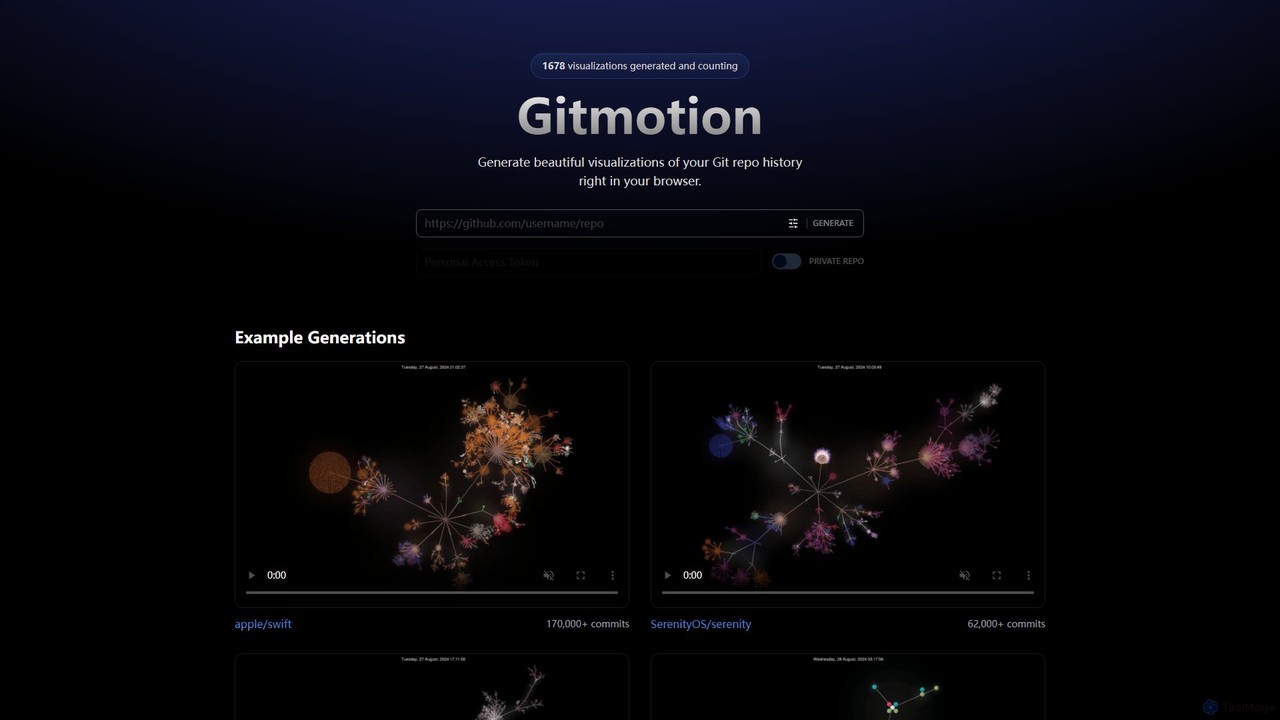
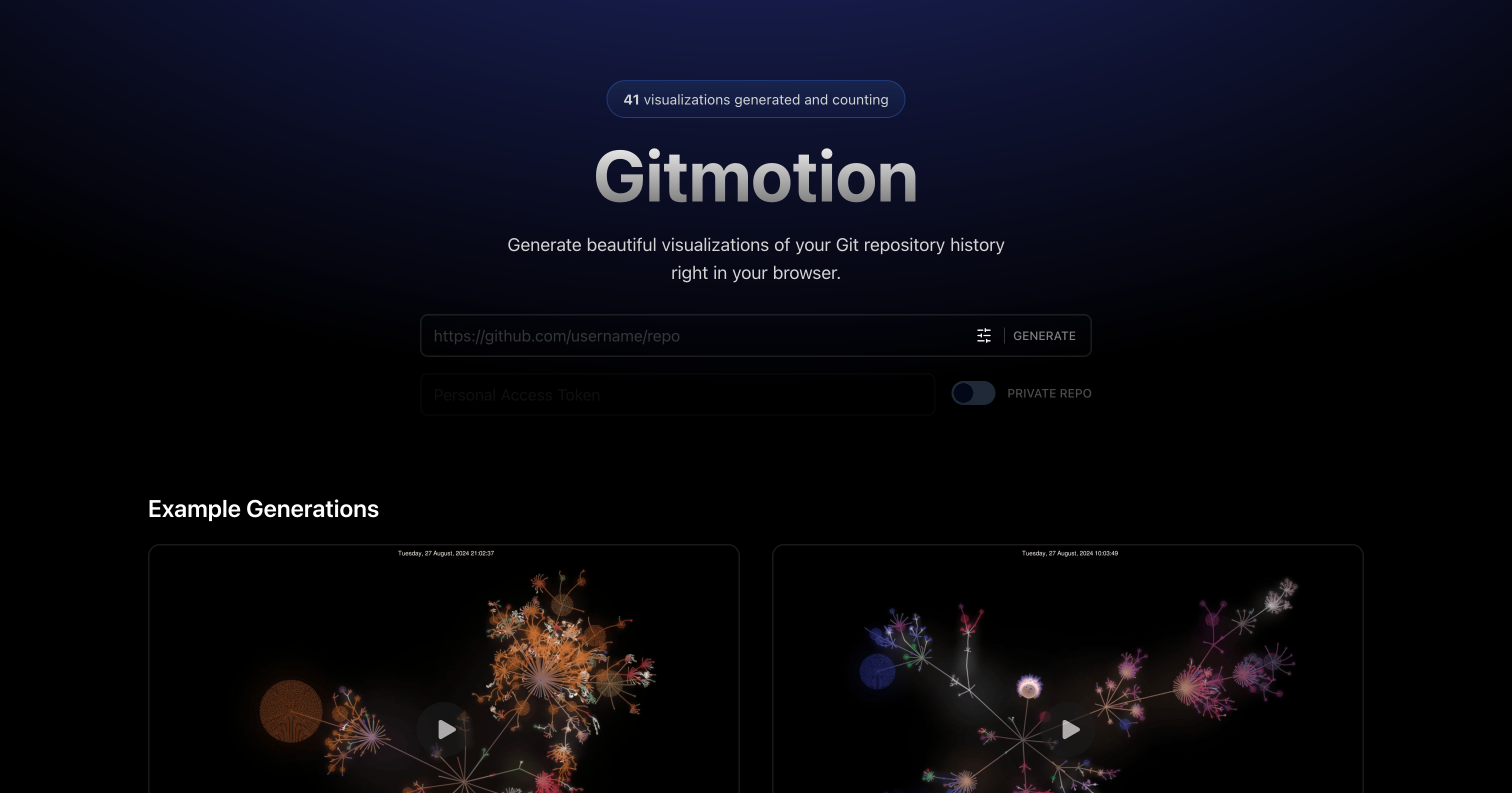
Gitmotion is a web-based tool that generates beautiful, animated visualizations of your Git repository history. It transforms complex commit logs into dynamic and easy-to-understand videos or images, perfect for project analysis, presentations, and team onboarding. It supports both public and private repositories, offering a simple way to see the evolution of your code.

Preview

Quick facts

Compare product focus, pricing models and audiences. Highlighted rows indicate different listed information; unknown pricing does not mean free.

GitButler VS Gitmotion — Quick facts
Quick factsGitButlerGitmotion
Pricing modelFreemiumFreemium
Product typeAppWeb
Primary focusCode AssistantData Visualization
Audience and rolesNo data availableNo data available
CategoriesCode Assistant · Version Control · Task ManagementData Visualization · Version Control · Visualization
AddedAug 1, 2025Aug 9, 2025
UpdatedNov 19, 2026Nov 19, 2026

Features, usage and use cases

Explore the listed product descriptions, features and workflows. Taxonomy labels alone are not feature evaluations.

GitButler

GitButler is an innovative, open-source Git client designed to revolutionize the way developers interact with version control. It addresses the common complexities and frustrations of managing work-in-progress by introducing a powerful concept: virtual branches. This tool acts as an intelligent assistant, or 'butler', that automatically organizes uncommitted changes, allowing developers to work on multiple tasks in parallel within the same working directory.

Traditionally, developers have to use `git stash` or create temporary feature branches to switch contexts, which can be cumbersome and lead to a messy commit history. GitButler eliminates this friction. It observes file changes in real-time and allows you to visually separate them into distinct, isolated virtual branches. This means you can be fixing a bug, developing a new feature, and refactoring code simultaneously, all without interfering with each other.

How to use GitButler

Using GitButler is designed to be intuitive and integrate seamlessly into your existing workflow:

  1. Download and Install: Get the GitButler desktop application for your operating system (Windows, macOS, or Linux) from the official website.
  2. Open a Repository: Simply open any of your existing Git repositories with GitButler. It will automatically detect your project and its current state.
  3. Automatic Change Tracking: As you write code, GitButler's 'butler' works in the background, observing and grouping your file changes. It intelligently understands your work without any manual commands.
  4. Organize with Virtual Branches: Your uncommitted changes will appear in the GitButler UI. You can drag and drop these changes into different virtual branches. For example, you can create a 'bug-fix' branch and a 'new-feature' branch and assign your changes accordingly.
  5. Effortless Context Switching: Switch between these virtual branches with a single click. The changes in your working directory will update instantly, with no need for stashing or committing.
  6. Craft Perfect Commits: When a task is complete, you can select a virtual branch and create a clean, focused commit from it. GitButler can even help generate descriptive commit messages based on the changes.
  7. Push and Create Pull Requests: Once you have a real Git commit, you can push it to your remote repository (like GitHub or GitLab) and create a pull request directly from the GitButler interface.

Core Features of GitButler

  • Virtual Branches: Work on multiple independent streams of changes simultaneously without creating actual Git branches. This keeps your repository clean and your focus sharp.
  • Automated Work Organization: GitButler automatically tracks and groups your uncommitted changes, providing a clear overview of all ongoing tasks.
  • Visual and Intuitive UI: A drag-and-drop interface for managing changes, crafting commits, and visualizing your workflow, making Git accessible to everyone.
  • Effortless Context Switching: Instantly switch between different tasks without using `git stash` or premature commits.
  • Undo and Time Travel: Easily undo any operation, from moving a line of code between branches to reverting a commit.
  • Integrated GitHub/GitLab Workflow: Push branches and create pull requests directly from the application, streamlining the code review process.
  • AI-Powered Commit Messages: Automatically generate clear and concise commit messages based on the code changes within a virtual branch, saving time and improving history quality.

Use Cases for GitButler

GitButler is versatile and benefits developers in various scenarios:

  • Feature Development: Work on a new feature while simultaneously fixing an unrelated bug that arises, keeping both sets of changes isolated until they are ready.
  • Complex Refactoring: Break down a large refactoring task into smaller, manageable chunks using virtual branches, and commit them incrementally.
  • Urgent Bug Fixes: Quickly switch from your current work to address a high-priority bug without losing your flow or creating a messy stash.
  • Preparing Pull Requests: Easily create clean, focused pull requests that contain only the relevant changes for a specific feature, even if the work was done alongside other modifications.

Advantages of GitButler

The primary advantage of GitButler is the significant boost in productivity and reduction in mental overhead. It transforms Git from a command-line chore into a seamless, visual experience. By handling the tedious aspects of branch management, it allows developers to stay in a state of flow and focus on what truly matters: writing great code. The result is a cleaner commit history, faster development cycles, and a more enjoyable and less error-prone version control process.

Pricing and Plans

GitButler is currently open-source and free to use. As a community-driven project, it offers its full feature set without charge for individual developers and teams. Future enterprise-level features or cloud services may be introduced with specific pricing plans, but the core client is committed to remaining free.

Gitmotion

Gitmotion is an innovative online tool designed for developers, project managers, and teams who want to visualize the history of their software projects. It takes the often complex and text-heavy log of a Git repository and transforms it into a beautiful, animated, and insightful visualization. This allows users to see the flow of development, the merging of branches, and the contributions of different team members over time in a dynamic and engaging format. The entire process is handled directly in your browser, eliminating the need for complex local installations or command-line wizardry.

By simply providing a URL to a public Git repository, or by authenticating to access a private one, Gitmotion processes the commit history and renders a motion graphic. These visualizations are not just aesthetically pleasing; they are powerful tools for communication and analysis. They can reveal patterns in development, highlight periods of intense activity, and illustrate the growth and evolution of a codebase from its inception to its current state. The tool is built to handle repositories of all sizes, from small personal projects to massive open-source endeavors like Swift or React.

How to use Gitmotion

Using Gitmotion is a straightforward process designed for simplicity and speed:

  1. Navigate to the Website: Open your web browser and go to the Gitmotion application page.
  2. Enter Repository URL: For public repositories (e.g., on GitHub, GitLab), simply copy and paste the repository's URL into the designated input field on the homepage.
  3. Authorize for Private Repositories: If you want to visualize a private repository, you will need to follow the authentication flow, typically using OAuth to securely connect your Git provider account. This ensures your code remains private and secure.
  4. Apply Filters (Optional): Before generating, you can use the available filters to customize your visualization. You might filter by specific branches, authors, date ranges, or even file paths to focus on a particular aspect of the project's history.
  5. Generate Visualization: Click the 'GENERATE' button. Gitmotion will then fetch the repository's commit data and begin rendering the animation. This may take a few moments, depending on the size of the repository.
  6. View and Share: Once complete, the visualization will be displayed in your browser. You can watch the animation, and premium users can typically download it as a video file (e.g., MP4) or a high-resolution image to share with your team, use in presentations, or embed in documentation.

Core Features of Gitmotion

  • Browser-Based Visualization: No software installation is required. Everything runs smoothly in your modern web browser.
  • Public & Private Repository Support: Easily visualize any public repository by URL, or securely connect your account to visualize private projects.
  • Animated History: Generates dynamic animations that show commits appearing, branches forming and merging, and the overall project growth over time.
  • Customizable Filters: Fine-tune your visualization by filtering the history by branch, author, or date range to create a more focused narrative.
  • Handles Large Repositories: The engine is optimized to process and visualize repositories with hundreds of thousands of commits, as demonstrated by examples like apple/swift.
  • Export Options: Paid plans likely offer the ability to export visualizations as high-quality video files (MP4) or animated GIFs for easy sharing and embedding.
  • Intuitive Interface: A clean and simple user interface makes it easy for anyone, regardless of technical skill, to generate a Git visualization.

Use Cases for Gitmotion

Gitmotion is a versatile tool with numerous applications:

  • Team Onboarding: Help new developers quickly understand the history, structure, and key development phases of a project.
  • Project Retrospectives: Use visualizations in sprint or project retrospectives to discuss development workflow, branching strategies, and team contributions.
  • Presentations and Demos: Create compelling visuals for stakeholders, management, or conference talks to showcase the evolution and activity of a project.
  • Open Source Promotion: Open source maintainers can create and share animations to highlight the vibrant activity and collaborative nature of their projects, attracting new contributors.
  • Educational Tool: An excellent resource for teaching students and beginners about version control concepts like branching, merging, and commits in a visual, intuitive way.

Advantages of Gitmotion

Gitmotion stands out by making Git history accessible and engaging. Its primary advantage is its simplicity and power. Unlike command-line tools like Gource, which require setup and configuration, Gitmotion is a 'plug-and-play' solution. It democratizes the ability to create stunning code visualizations. The browser-based approach ensures accessibility across all operating systems without any dependencies. Furthermore, its ability to handle both private and large-scale public repositories makes it a flexible tool for both corporate and open-source environments.

Pricing and Plans

Gitmotion operates on a freemium model, providing value for both casual users and professional teams.

  • Free Plan: Ideal for students, open-source developers, and anyone wanting to try the tool. This plan typically allows for the visualization of public repositories, may include a watermark on the output, and might have limits on the number of generations per day.
  • Pro Plan: Aimed at individual professionals and freelancers. This plan unlocks support for private repositories, removes watermarks, provides higher-resolution exports (e.g., HD video), and offers priority processing in the generation queue.
  • Team/Business Plan: Designed for development teams and companies. It includes all Pro features, plus team-based access management, collaborative features, and potentially API access for programmatic generation of visualizations for integration into dashboards or CI/CD pipelines.

Positioning

Their taxonomy shows where the products overlap and where each one has a more distinct focus. Unknown fields are shown explicitly and are never filled with assumptions.

Categories

Shared
Version Control
Only GitButler
Code AssistantTask Management
Only Gitmotion
Data VisualizationVisualization

Tags

Shared
Gitgithubgitlabversion control
Only GitButler
branch managementcodingdeveloper toolsopen sourceprogrammingworkflow automation
Only Gitmotion
animationcodedeveloperproject managementrepositorysoftware developmentvisualization

Audience and roles

Shared
No listed items
Only GitButler
No listed items
Only Gitmotion
No listed items

Traffic comparison

Traffic is shown on the same scale so differences in market visibility are not visually understated.

How to interpret the traffic data

Both charts share the same months and vertical scale. Each tool identifies its latest reporting month; missing months are left blank, not counted as zero. Regional and source visit counts are estimates calculated from the reported shares.

GitButler monthly traffic:

Latest traffic · 2026-05

Monthly visits
108K
Avg. visit duration
1:49
Pages per visit
2.23
Bounce rate
40.09%
Data updated 2026-06-15

Monthly traffic trend

  • 2025-09: 102.5K
  • 2026-01: 70.6K
  • 2026-02: 109.1K
  • 2026-03: 100.1K
  • 2026-04: 182.1K
  • 2026-05: 108K

Top regions

Top 5 countries/regions
Country/regionPercentageEstimated visits
🇺🇸United States53.49%57.8K
🇨🇳China15.45%16.7K
🇭🇰Hong Kong11.24%12.1K
🇯🇵Japan10.43%11.3K
🇳🇬Nigeria9.39%10.1K

Traffic sources

Source typePercentageEstimated visits
Direct68.33%73.8K
Referral29.62%32K
Email2.05%2.2K

Search keywords

cursor hooksgitgit butlergitbutlerjviasterj css expansion

Gitmotion

No data available

Community signals

Ratings, comments, favorites, and likes are community signals—not a substitute for product fit.

GitButler

Rating
No data available
Comments
0
Favorites
201
Likes
195

Gitmotion

Rating
No data available
Comments
0
Favorites
165
Likes
159

GitButler vs Gitmotion · Comparison FAQ

What do GitButler and Gitmotion have in common?
Both tools are listed under Version Control. These categories indicate overlapping use cases; compare their detailed descriptions for workflows, capabilities and limitations.
Are GitButler and Gitmotion free?
Listed pricing models: GitButler — Freemium; Gitmotion — Freemium. Missing pricing is not proof of a free plan, and freemium does not mean every feature is free. Check official sites for current plans, limits and trials.
How should I choose between GitButler and Gitmotion?
The primary listed category is Code Assistant for GitButler, and Data Visualization for Gitmotion. Compare features, steps and use cases, then verify pricing, data permissions and deployment needs. This page does not include hands-on testing and does not declare a winner from traffic or tags.

Sources and comparison methodology

This page is assembled from ToolMage product listings, taxonomy, traffic statistics and on-site user feedback. It is not a hands-on test or an independent review.

  • Feature and plan descriptions reflect information in the listings, not real-time guarantees. Verify pricing, quotas, availability and privacy terms on the official sites.
  • Traffic uses the reporting months shown. Missing statistics do not mean zero visits, and different periods do not establish growth or superiority. Regional and source visit counts are estimates based on shares.
  • Different tags indicate differences in the listings, not proof that the other product lacks a capability. Ratings, favorites and visits are not used to declare a winner.

Related comparisons