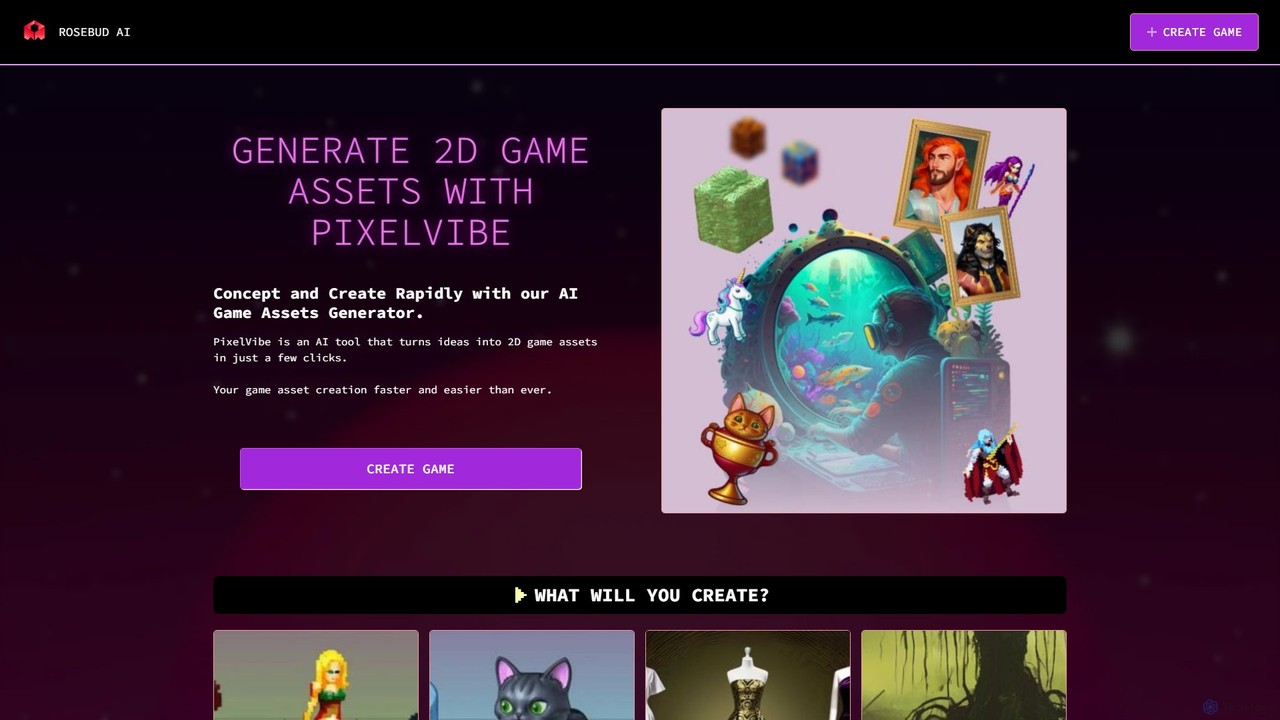
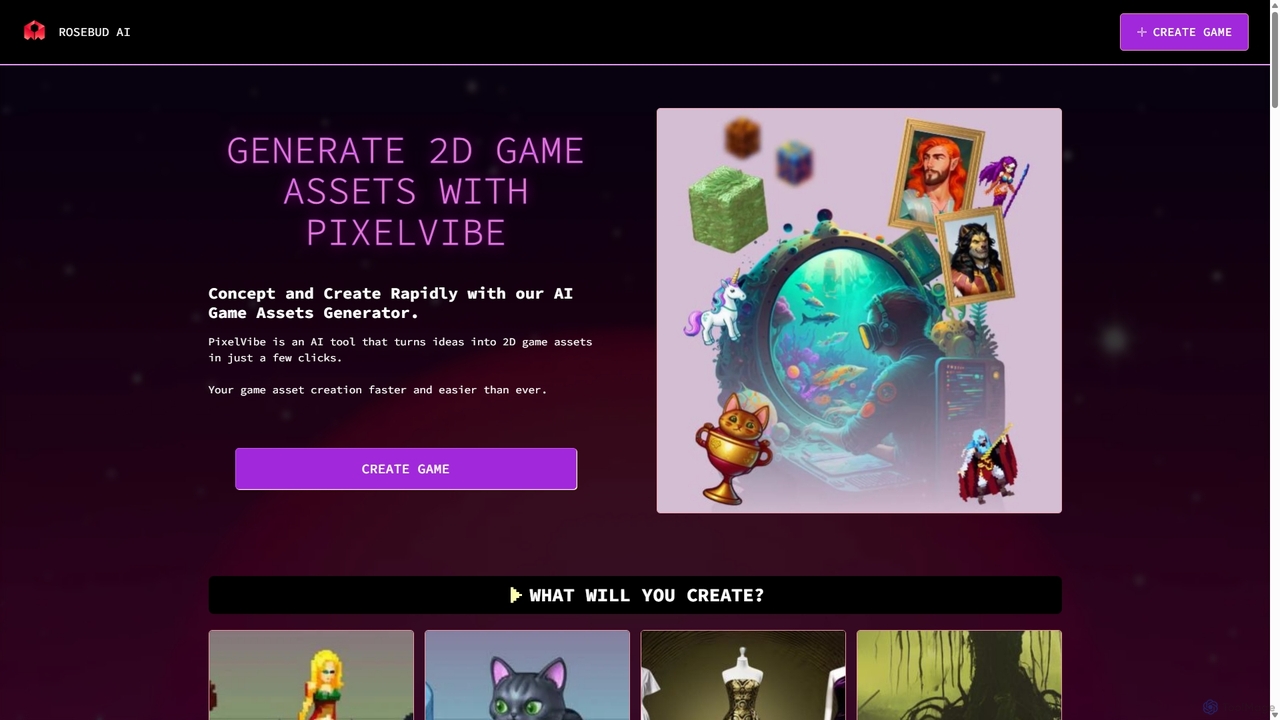
PixelVibe is an AI-powered game asset generator by Rosebud AI that transforms text prompts into high-quality 2D and 3D game assets. It offers a wide range of styles, from pixel art to cartoony, enabling game developers and creators to rapidly concept and produce character sprites, environments, props, and more, significantly speeding up the creative workflow.
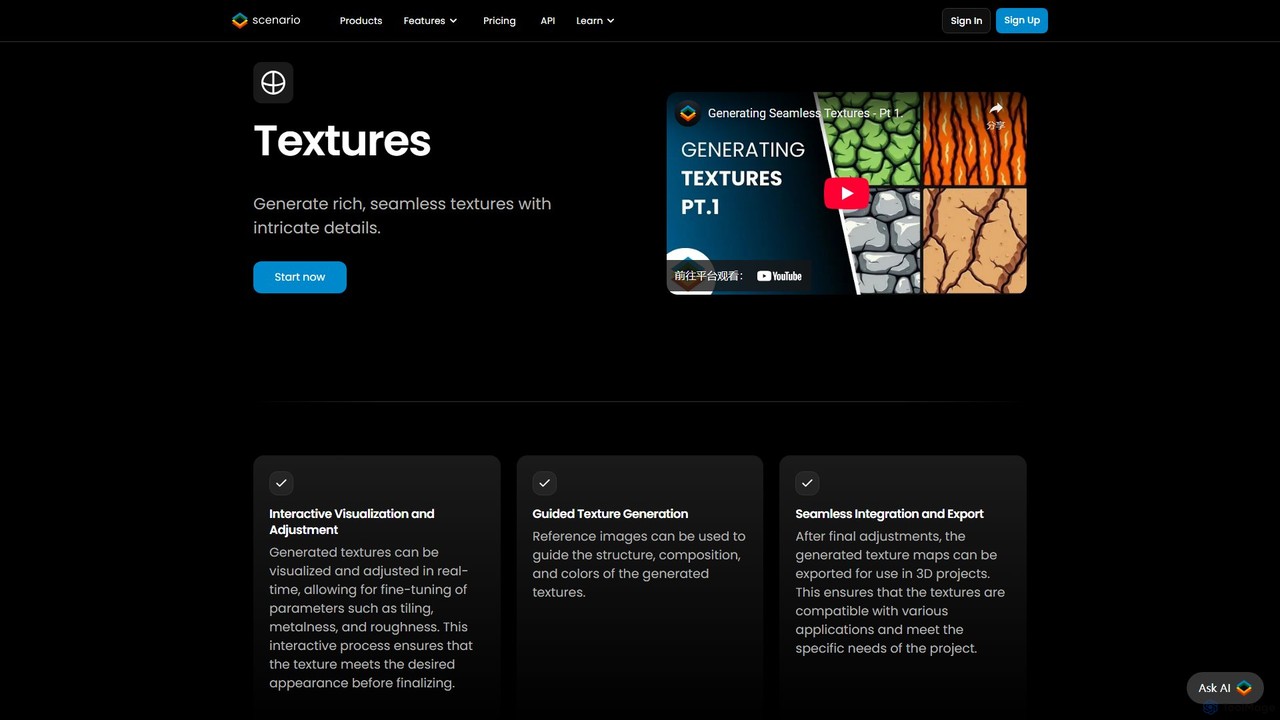
TextureLab is an AI-powered texture generation tool by Scenario, designed for game developers, 3D artists, and architects. It creates high-quality, seamless PBR materials from text or image prompts. Users can generate diverse textures and train custom AI models to maintain a consistent art style across projects, significantly accelerating creative workflows.
Product overview
PixelVibe Product overview
PixelVibe is an AI-powered game asset generator by Rosebud AI that transforms text prompts into high-quality 2D and 3D game assets. It offers a wide range of styles, from pixel art to cartoony, enabling game developers and creators to rapidly concept and produce character sprites, environments, props, and more, significantly speeding up the creative workflow.
TextureLab Product overview
TextureLab is an AI-powered texture generation tool by Scenario, designed for game developers, 3D artists, and architects. It creates high-quality, seamless PBR materials from text or image prompts. Users can generate diverse textures and train custom AI models to maintain a consistent art style across projects, significantly accelerating creative workflows.
Detailed feature comparison
| Feature | PixelVibe | TextureLab |
|---|---|---|
| Primary category | 3D | Generative Art |
| Added | 2025-09-18 | 2025-08-10 |
| Pricing | Freemium | Freemium |
| Official website | pixelvibe.com | www.scenario.com |
| Product type | Website | Website |
| Performance data | ||
| User rating | Not verified | Not verified |
| Comments | 0 | 0 |
| Monthly visits | 4.2K | 306K |
| Monthly growth | Not verified | 11.3% |
| Favorites | 99 | 110 |
| Details | View details | View details |
PixelVibe vs TextureLab monthly traffic
Compare PixelVibe and TextureLab by monthly reach, traffic trend, visit depth, top regions, and acquisition sources.
How to interpret the traffic data
In the PixelVibe vs TextureLab monthly traffic comparison, PixelVibe currently shows 4.2K visits and TextureLab shows 306K; TextureLab has about 72.9 times the visible traffic of PixelVibe, an absolute difference of about 301.8K visits. This reflects visible reach, not feature quality or paid users.
Only TextureLab has complete third-party traffic details; PixelVibe uses visits recorded inside ToolMage. These scopes cannot estimate market share directly, and on-site views should not be treated as the product’s total website traffic.
TextureLab is registered at the www.scenario.com/features/textures subpage. Because the current data does not state whether other host pages are excluded, treat this as domain-level context rather than independent traffic for one product or project.
PixelVibe monthly traffic:
Latest traffic
TextureLab monthly traffic:
Latest traffic
Monthly traffic trend
- 2026/1: 307.8K Monthly visits
- 2026/2: 278.3K Monthly visits
- 2026/3: 357.1K Monthly visits
- 2026/4: 275.1K Monthly visits
- 2026/5: 306K Monthly visits
Top regions
Top 5 countries/regions
| Country/region | Percentage | Traffic |
|---|---|---|
| 🇺🇸United States | 57.42% | 175.7K |
| 🇫🇷France | 15.18% | 46.5K |
| 🇫🇮Finland | 12.86% | 39.4K |
| 🇧🇷Brazil | 7.82% | 23.9K |
| 🇬🇧United Kingdom | 6.72% | 20.6K |
Traffic sources
| Source type | Percentage | Traffic |
|---|---|---|
| Direct | 82.48% | 252.4K |
| Referral | 15.8% | 48.4K |
| 1.72% | 5.3K |
Search keywords
Usage comparison
Compare the core capabilities of PixelVibe and TextureLab
PixelVibe Core features
TextureLab Core features
Use cases
PixelVibe Use cases
TextureLab Use cases
Best suited roles
PixelVibe Best suited roles
TextureLab Best suited roles
PixelVibe vs TextureLab:In-depth comparison and selection guidance
First decide whether the products solve the same kind of need
This in-depth PixelVibe vs TextureLab comparison uses only the product records, taxonomy, audience, traffic, and community signals available on this page. PixelVibe is primarily listed under “3D”, while TextureLab is primarily listed under “Generative Art”, so the first decision is whether your actual task matches their recorded scope.
The structured fields currently show these decision-relevant differences: Primary category (PixelVibe: 3D; TextureLab: Generative Art); Monthly visits (PixelVibe: 4.2K; TextureLab: 306K); Favorites (PixelVibe: 99; TextureLab: 110); Website (PixelVibe: pixelvibe.com; TextureLab: www.scenario.com); Added (PixelVibe: 2025-09-18; TextureLab: 2025-08-10). These facts are more useful for selection than brand visibility alone.
What market visibility and monthly traffic mean
In the PixelVibe vs TextureLab monthly traffic comparison, PixelVibe currently shows 4.2K visits and TextureLab shows 306K; TextureLab has about 72.9 times the visible traffic of PixelVibe, an absolute difference of about 301.8K visits. This reflects visible reach, not feature quality or paid users.
Only TextureLab has complete third-party traffic details; PixelVibe uses visits recorded inside ToolMage. These scopes cannot estimate market share directly, and on-site views should not be treated as the product’s total website traffic.
TextureLab is registered at the www.scenario.com/features/textures subpage. Because the current data does not state whether other host pages are excluded, treat this as domain-level context rather than independent traffic for one product or project.
TextureLab is registered under a www.scenario.com subpath, so its large visible total may include the host platform. The current data does not justify choosing TextureLab for traffic alone; shortlist by unique taxonomy and use case, then validate with the same tasks.
Product positioning, use cases, and roles
PixelVibe and TextureLab currently overlap in shared categories: 3D and Game Development; shared tags: game development. This can place both on the same shortlist, but it does not prove equal implementation, depth, or cost.
PixelVibe's unique categories/tags are Art Generator, 2D assets, 3D assets, AI art generator, character sprites, game assets, isometric tiles, and pixel art; TextureLab's are Generative Art, 3D design, 3D modeling, AI material, architectural visualization, archviz, gamedev, and generative art. These unique fields are the strongest differentiators: validate the product whose recorded scope matches the task instead of following traffic alone.
What ratings, comments, and favorites can tell you
PixelVibe has no verified rating, 0 comments, 99 favorites, and 107 likes;TextureLab has no verified rating, 0 comments, 110 favorites, and 101 likes。
Neither product has enough rating or comment samples for a credible reputation ranking.
Selection guidance by actual need
When to evaluate PixelVibe first
Put PixelVibe on the priority trial list when the task aligns with “3D” and especially Art Generator, 2D assets, 3D assets, AI art generator, character sprites, and game assets, or the users include Concept Artist, Digital Artist, Game Developer, and Graphic Designer. This follows recorded positioning and does not imply unlisted capabilities are absent.
PixelVibe also currently records: pricing is freemium, product type is website, 4.2K on-site monthly views, no verified user rating. Verify any hard requirement around price, platform, or reach before trial, and do not let sparse review data substitute for testing.
When to evaluate TextureLab first
Put TextureLab on the priority trial list when the task aligns with “Generative Art” and especially Generative Art, 3D design, 3D modeling, AI material, architectural visualization, and archviz. This follows recorded positioning and does not imply unlisted capabilities are absent.
TextureLab also currently records: pricing is freemium, product type is website, 306K monthly visits shown for the registered host (subpage scope unknown), no verified user rating. Verify any hard requirement around price, platform, or reach before trial, and do not let sparse review data substitute for testing.
How to validate the recommendation before deciding
The available data describes positioning, public visibility, and community signals, but it cannot prove output quality, speed, integration effort, privacy, or long-term cost in your workflow. Before deciding, run the same representative tasks in PixelVibe and TextureLab, then record completion time, accuracy, manual corrections, and the real paid threshold. A like-for-like trial turns this comparison into a defensible adoption decision.
Comparison FAQ
How should I choose between PixelVibe and TextureLab?
Where does this comparison data come from?
What do unknown fields mean?
Related AI tools
PixelVibe
PixelVibe by Rosebud AI is an advanced AI-powered platform for generating high-quality 2D and 3D game assets. It enables game developers to rapidly create character sprites, environments, props, isometric tiles, and more from simple text prompts. Designed to accelerate the creative process, it supports various art styles, making it an essential tool for both indie developers and established studios.
Game DevelopmentPixela.ai
Pixela.ai is an AI-powered platform specializing in generating high-quality, seamless game textures using a Stable Diffusion algorithm. It offers a vast library of community-generated textures and allows users to create their own unique assets from text prompts. Ideal for game developers, 3D artists, and designers looking to accelerate their workflow.
3D
Mirage
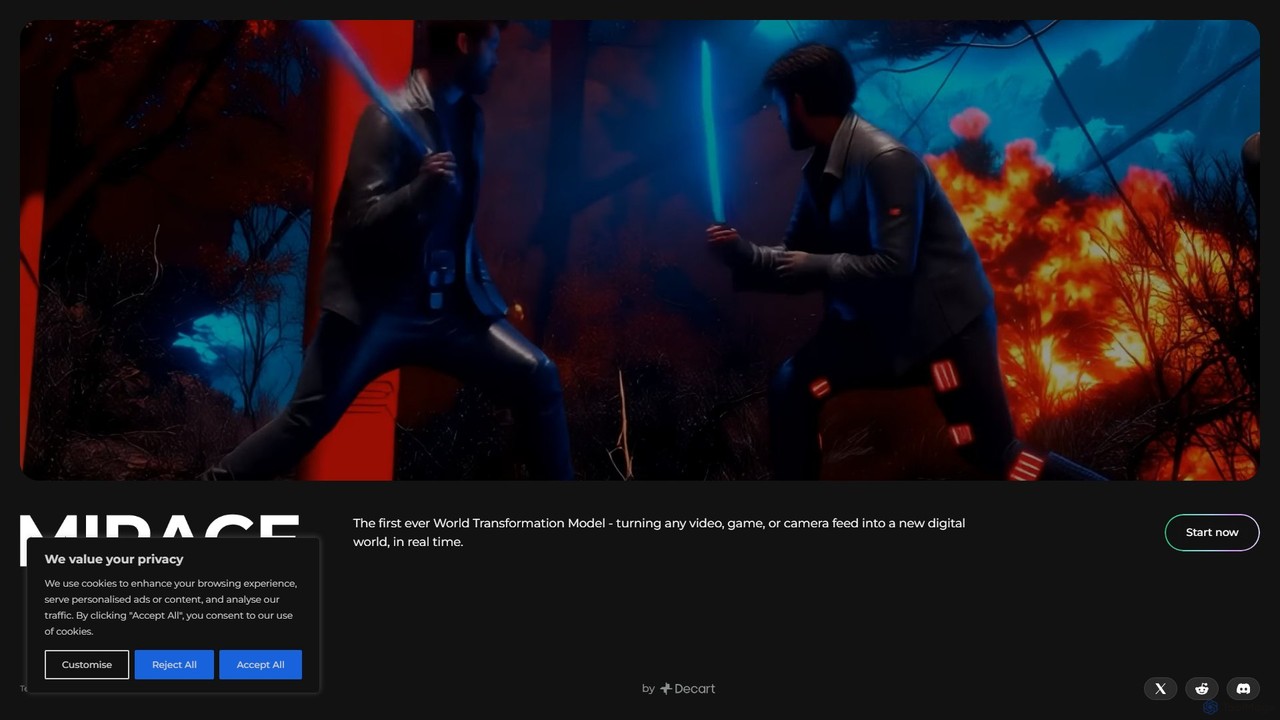
Mirage by Decart.ai is an advanced AI-powered 3D content creation platform. It enables users to generate high-quality 3D models, textures, and entire scenes from simple text prompts or 2D images. Designed for game developers, 3D artists, and designers, Mirage streamlines the creative workflow, dramatically reducing the time and effort required to produce stunning 3D assets.
Generative Modeling
Kaedim3D
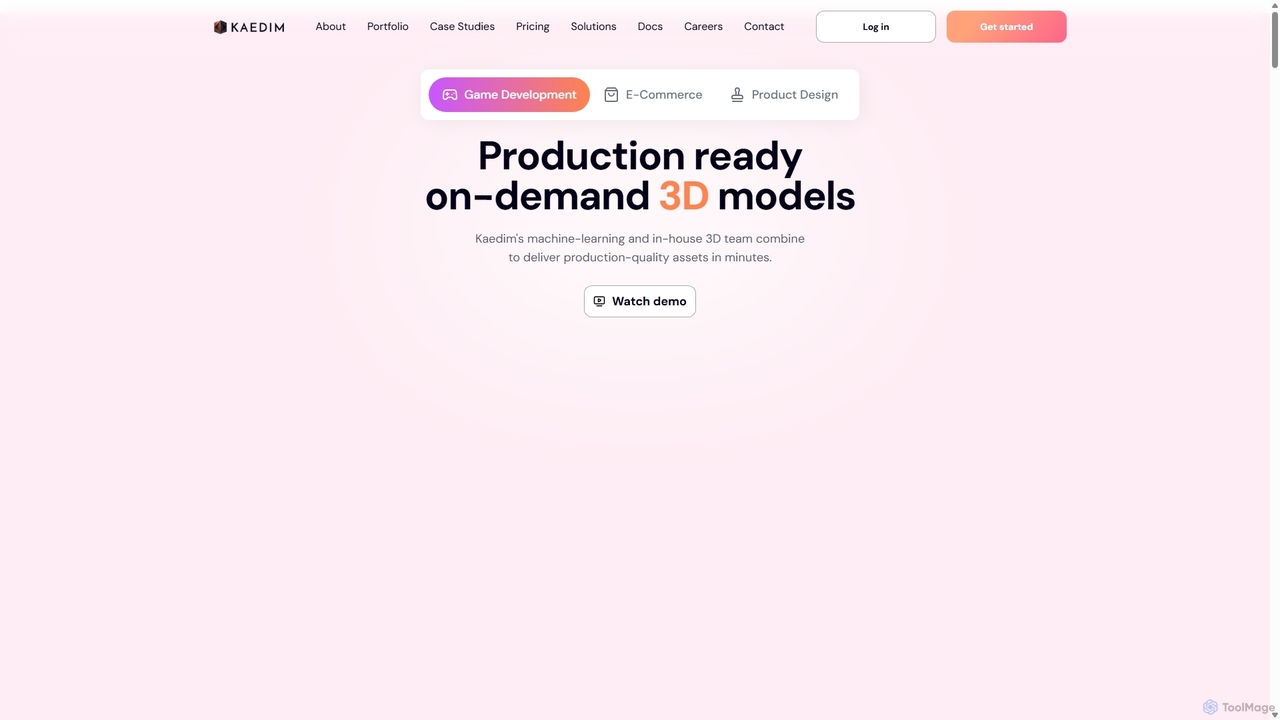
Kaedim3D is an AI-powered platform that accelerates 3D asset creation by transforming 2D images or text descriptions into production-ready 3D models. It combines machine learning with a team of in-house artists to deliver high-quality, optimized assets 10x faster for game development, e-commerce, and product design.
3D Modeling
Playabl
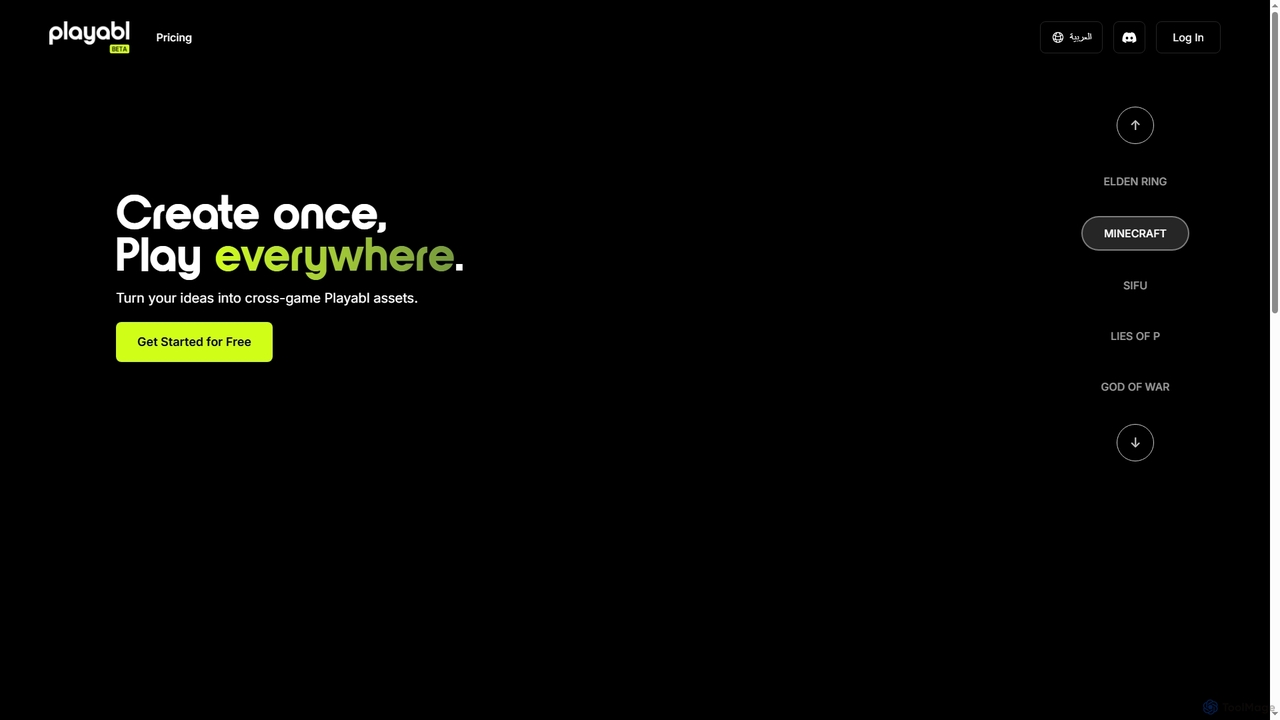
Playabl is an AI-powered platform for creating cross-game assets. It allows users to turn ideas into characters, weapons, and 3D models that can be used across various gaming environments, embodying a 'create once, play everywhere' philosophy.
3D ModelingPixelVibe
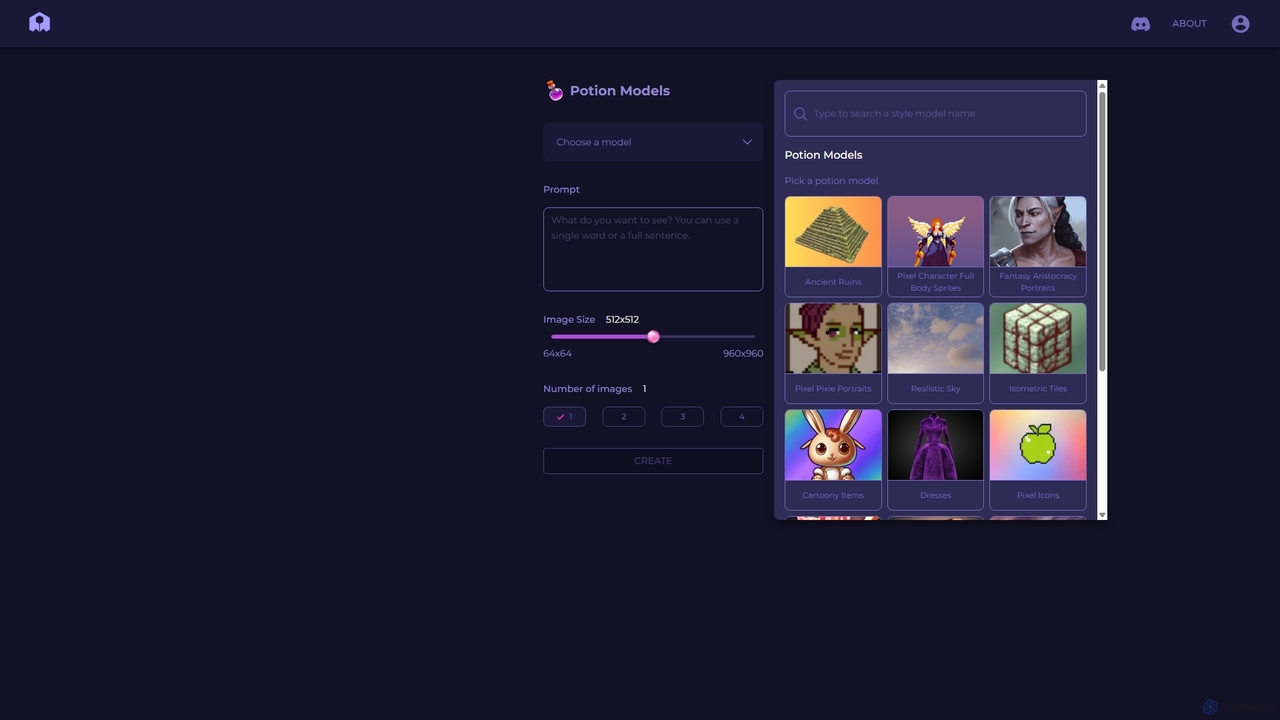
PixelVibe is a specialized AI-powered platform for generating high-quality, style-consistent game assets, pixel art, and illustrations. Using a variety of pre-trained models called 'Potion Models,' it enables game developers, designers, and artists to create unique character sprites, isometric tiles, icons, and environments from simple text prompts, dramatically accelerating the creative workflow.
Generative ArtPixelicious
Pixelicious is an AI-powered tool that effortlessly converts any image into high-quality, retro-style pixel art. Ideal for game developers, digital artists, and creators, it simplifies the process of generating pixelated graphics for games, art projects, and social media avatars.
Generative Art
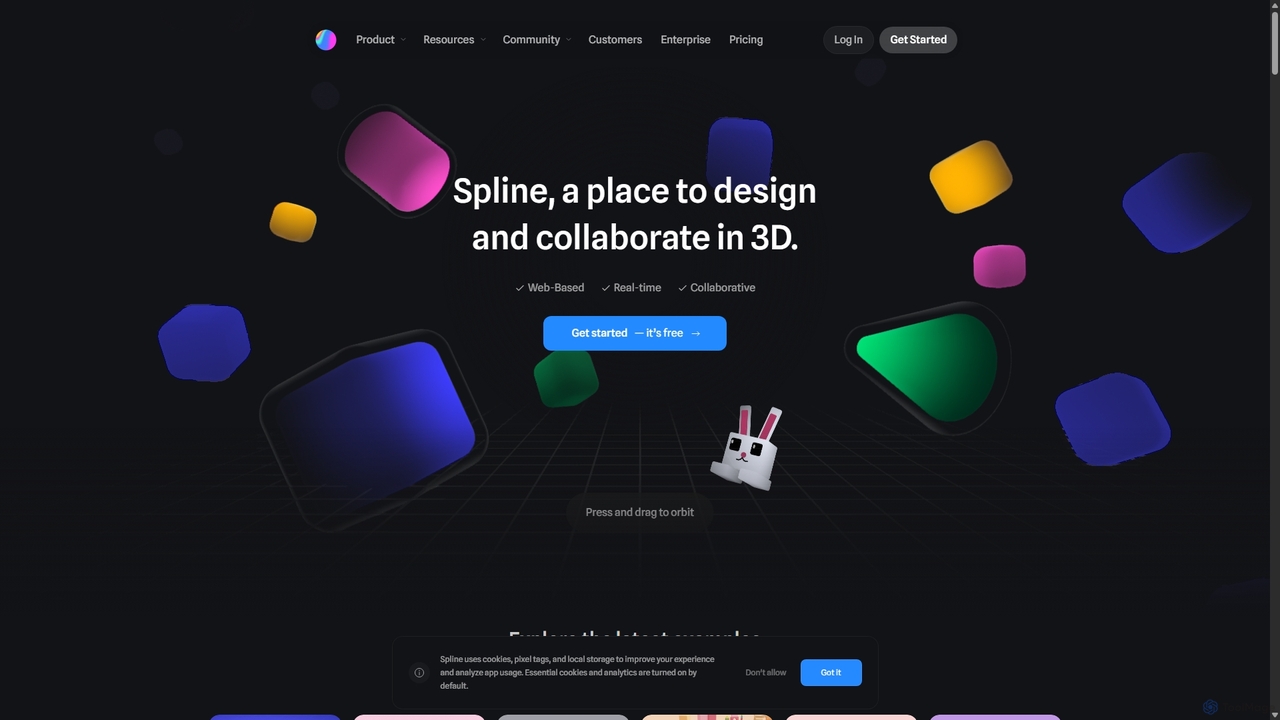
Spline
Spline is a collaborative, web-based 3D design tool that simplifies the creation of interactive 3D experiences. It features real-time collaboration, animation, physics, and an optional AI add-on for generating 3D models and textures, making 3D design accessible to everyone from designers to developers.
3D
Masterpiece X
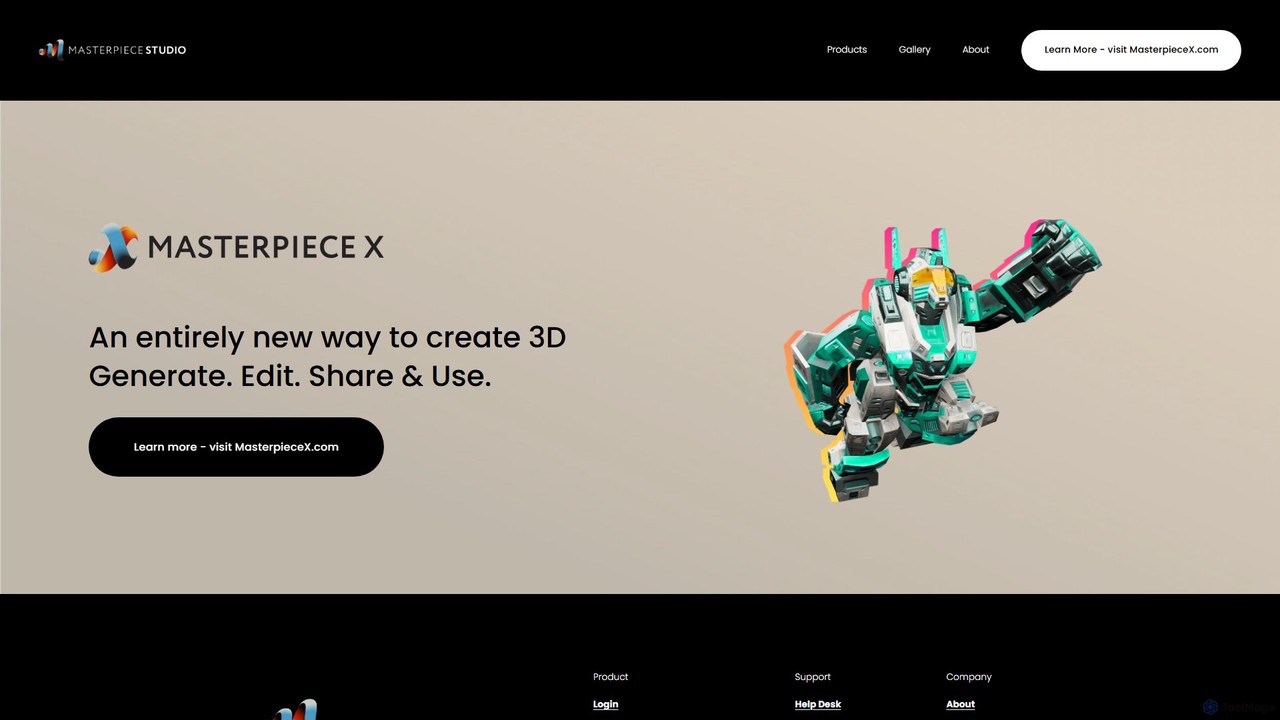
Masterpiece X is an advanced AI-powered 3D creation platform designed for professionals and creatives. It enables users to generate fully-textured, animated, and export-ready 3D models from simple text prompts or images, significantly accelerating workflows in game development, concept art, and metaverse creation.
3D Modeling
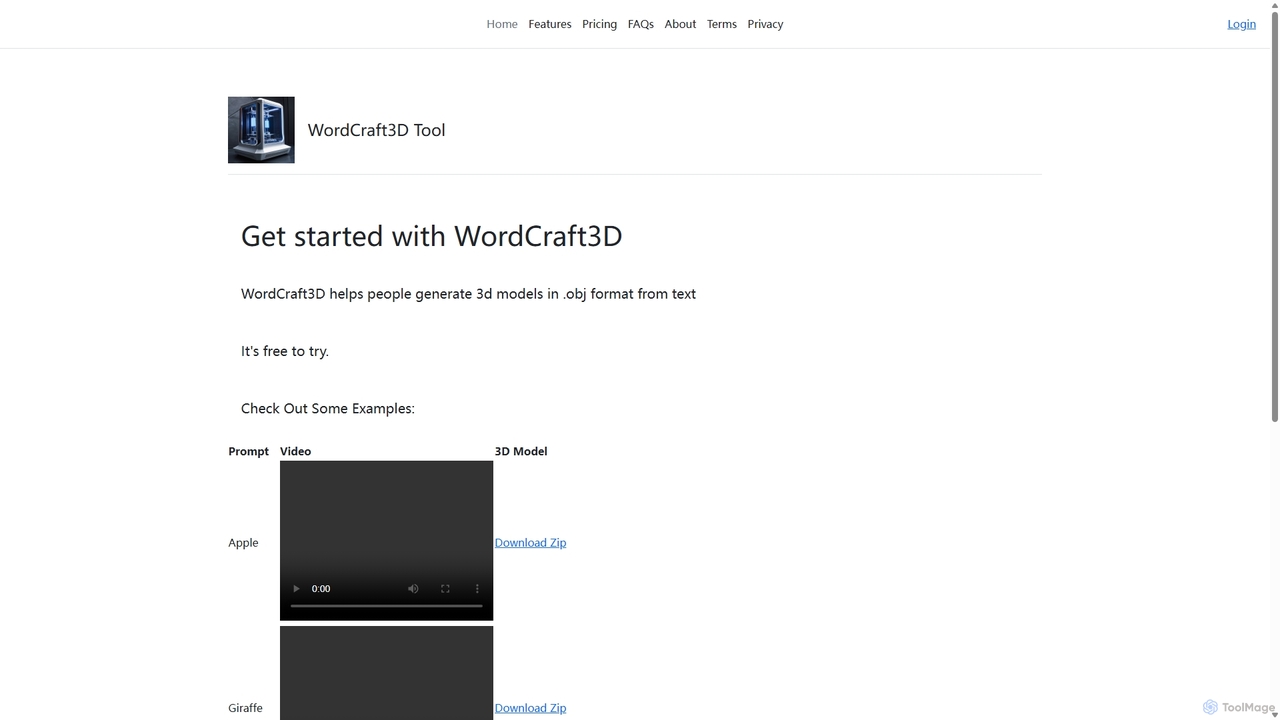
WordCraft3D
WordCraft3D is an AI-powered tool that generates 3D models in the standard .obj format from simple text descriptions. It's designed for game developers, 3D artists, and designers to rapidly prototype and create assets. The tool is currently free to use, allowing users to download models along with their material and texture files, and preview them with a rotating video.
Text To 3D
Glyf
Glyf is an AI-powered platform that transforms text prompts and images into high-quality 3D models. Designed for creators of all skill levels, it simplifies the 3D creation process, enabling rapid prototyping, game asset generation, and artistic expression without complex software.
Generative Art
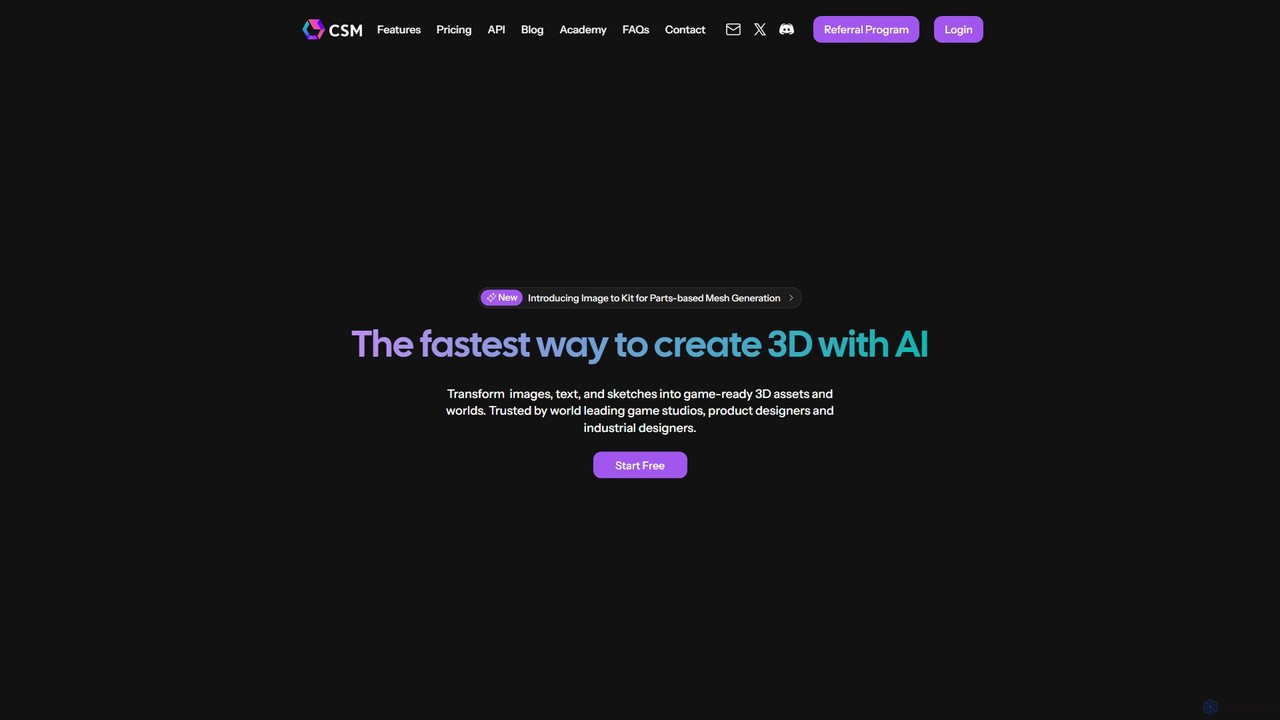
CSM
CSM is an advanced AI platform that rapidly transforms images, text, and sketches into game-ready 3D assets and worlds. It's designed for game developers, product designers, and 3D artists to supercharge their workflows in Unity, Unreal, and Blender with features like Image-to-Kit, AI Retexturing, and Text-to-4D generation.
3D Modeling
polymorf3d
polymorf3d is an advanced AI-powered platform for 3D content creation. It enables users to generate high-quality 3D models and textures from text prompts or 2D images. Designed for game developers, artists, and designers, it streamlines the 3D asset pipeline, offering rapid prototyping, automated texturing, and model variation generation to accelerate creative workflows.
3D Generator
Masterpiece Studio
Masterpiece Studio is an AI-powered 3D creation platform that simplifies the entire workflow from generation to editing and sharing. It's designed for creators of all levels, enabling them to produce high-quality 3D models, characters, and animations effortlessly for games, VR/AR, and other digital media.
3D Modeling
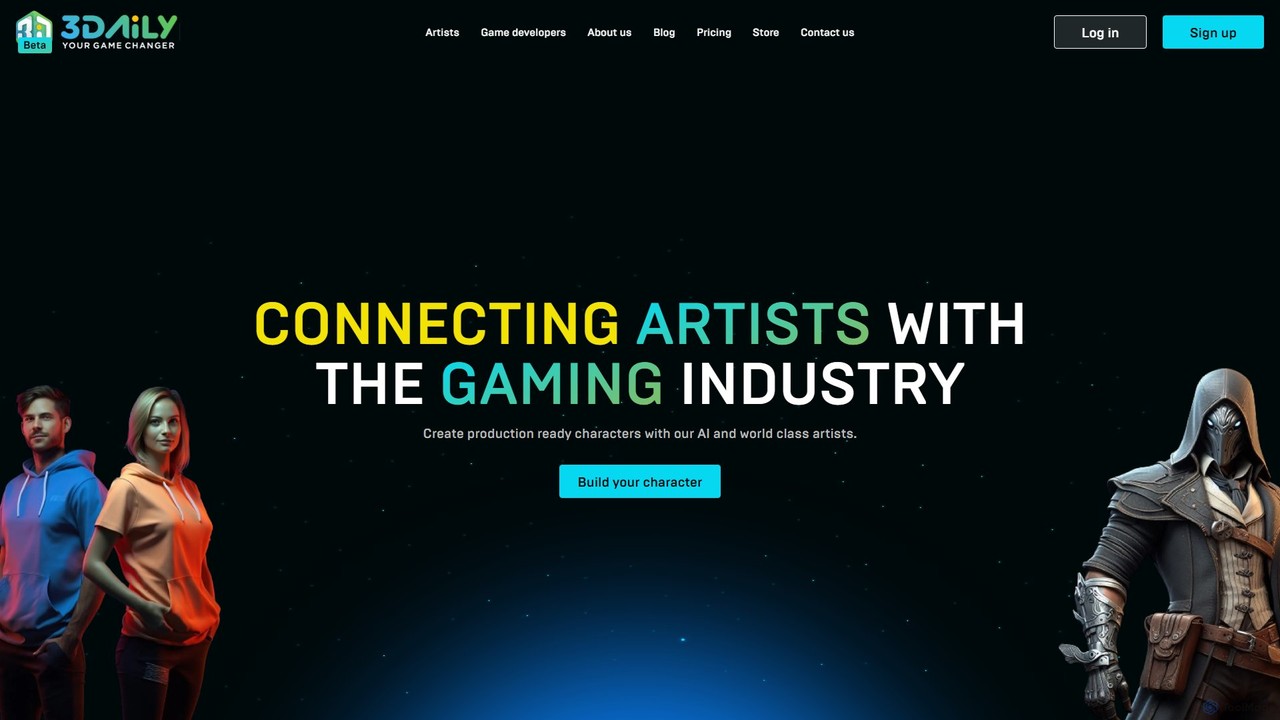
3daily
3daily is an AI-powered platform for creating production-ready 3D models, especially game characters. It combines generative AI with artist creativity, offering a character editor, an asset marketplace, and custom orders. Generate high-quality, game-ready meshes for gaming, animation, VTubing, and the metaverse.
Generator