Academic Best in category 2 results Citation AI Tool

Popular AI tools in the Citation field of Academic include Jenni AI、Yomu, etc., helping you quickly improve efficiency.

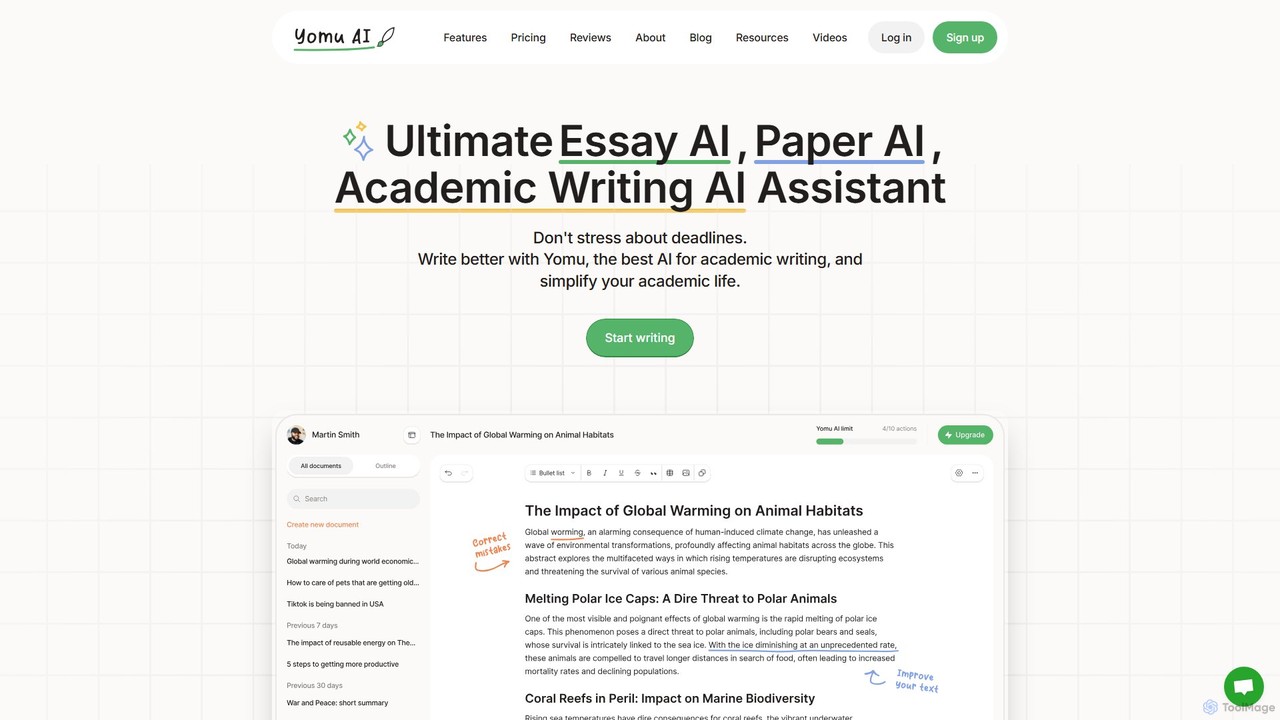
Yomu

Yomu

Yomu is an AI-powered academic writing assistant designed for students and researchers. It streamlines the process of writing …

122.2K
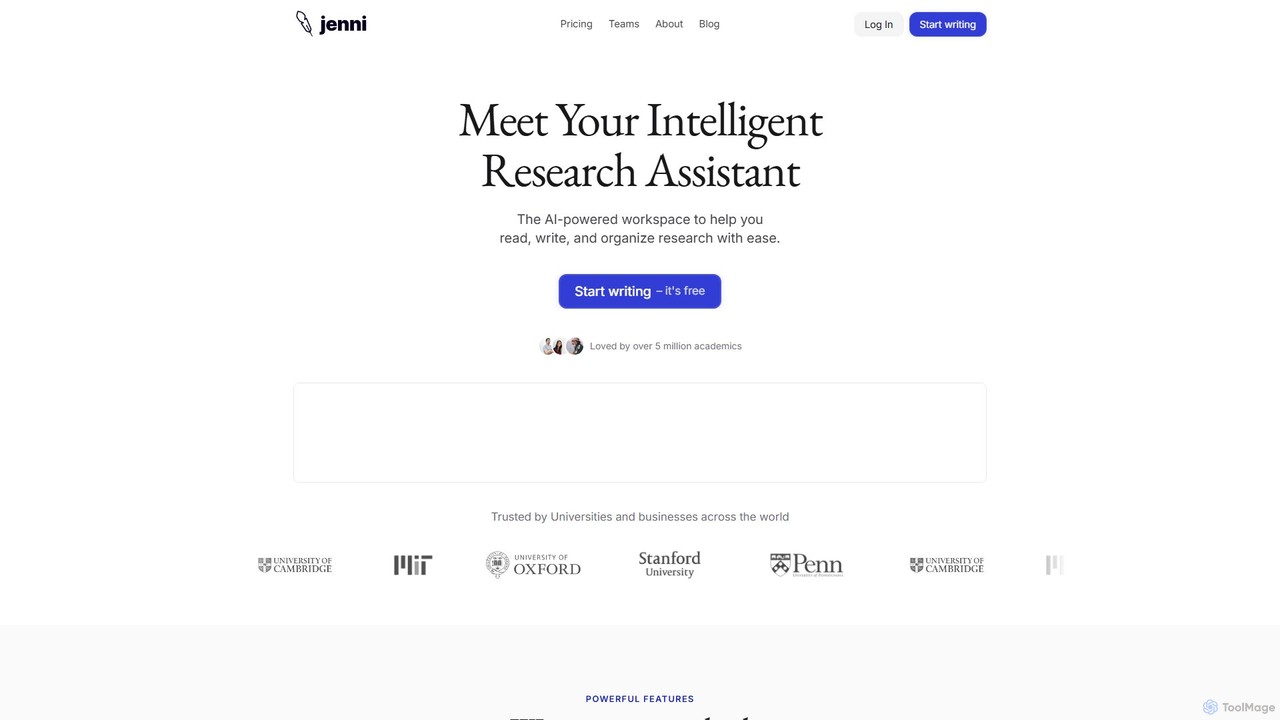
Jenni AI

Jenni AI

Jenni AI is an intelligent research assistant and AI writing partner designed for academics, students, and researchers. It …

1.6M

About Citation

AI Citation tools are specialized software solutions designed to automate and streamline the process of referencing sources in academic and professional writing. Leveraging artificial intelligence, these tools can accurately format citations, generate bibliographies, and manage research sources according to various style guides like APA, MLA, Chicago, and Harvard. They significantly enhance research integrity and writing efficiency by minimizing manual errors and ensuring consistency across documents, making them indispensable for students, researchers, and academics within the broader academic tools ecosystem.

Core Features

  • Automated Formatting: Instantly formats citations and bibliographies into specific academic styles (e.g., APA, MLA, Chicago) based on source information.
  • Source Management: Helps users organize, store, and retrieve research sources, including articles, books, websites, and more, in a centralized library.
  • In-text Citation Generation: Generates accurate in-text citations or footnotes as users write, linking directly to their source library.
  • Plagiarism Check Integration: Some tools integrate with plagiarism detection services to ensure proper attribution and avoid unintentional plagiarism.
  • Collaboration Tools: Allows multiple users to share and collaborate on citation libraries and bibliographies for group projects.

Use Cases

These tools are primarily utilized by students, researchers, and academic professionals. They are crucial for drafting research papers, theses, dissertations, and scholarly articles, where precise and consistent referencing is paramount. Citation tools help maintain academic integrity, save significant time during the writing and editing phases, and ensure compliance with institutional or publisher guidelines.

How to Choose

When selecting an AI Citation tool, consider its compatibility with your preferred citation styles, the breadth of its source management capabilities, and its integration with word processors or research platforms. Evaluate its accuracy in formatting, ease of use, and whether it offers features like plagiarism checking or collaborative functions. Pricing models and customer support are also important factors for long-term use.

CitationUse Cases

1

Automate Bibliography Generation for Research Papers

Researchers can input source details or import references, and the AI tool will automatically generate a perfectly formatted bibliography or reference list in the required style (e.g., APA 7th, MLA 9th), saving hours of manual formatting. This ensures academic rigor and consistency across all publications.

2

Ensure Consistent Citation Style for Theses

Graduate students writing extensive theses or dissertations use these tools to maintain a uniform citation style throughout their entire document, from in-text citations to the final reference list, preventing errors and ensuring academic rigor. This is crucial for meeting university submission guidelines.

3

Manage and Organize Research Sources for Literature Reviews

Academics conducting literature reviews can centralize all their research materials—journal articles, books, web pages—within the tool, making it easy to search, tag, and retrieve sources for future projects and publications. This streamlines the research process and prevents loss of valuable information.

4

Quickly Generate In-text Citations During Writing

Authors can integrate the tool with their word processor to instantly insert correctly formatted in-text citations or footnotes as they write, directly pulling information from their managed source library without interrupting their workflow. This significantly speeds up the writing process and reduces formatting errors.

5

Check for Citation Accuracy and Completeness Before Submission

Before submission, students and authors can use AI citation tools to scan their documents for missing references, incorrect formatting, or inconsistencies, ensuring all sources are properly attributed and compliant with guidelines. This final check helps prevent academic penalties and ensures high-quality submissions.

6

Collaborate on Group Research Projects with Shared Citation Libraries

Teams working on joint publications can share a centralized citation library, allowing all members to add, edit, and access sources, ensuring everyone uses the same references and maintains a consistent citation style across shared documents. This fosters efficient teamwork and reduces duplication of effort.

CitationFrequently Asked Questions