Picterra
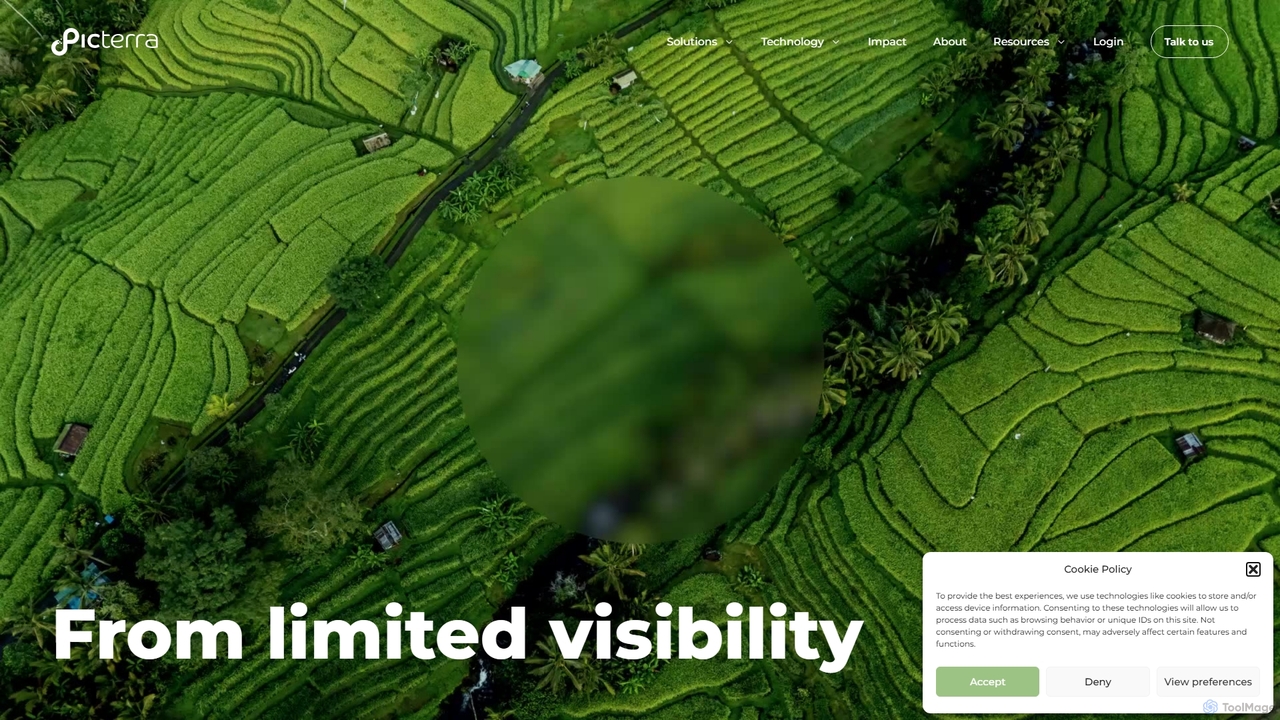
Picterra is a GeoAI platform that transforms satellite and aerial imagery into actionable environmental intelligence. It enables sustainability, …
Picterra is a GeoAI platform that transforms satellite and aerial imagery into actionable environmental intelligence. It enables sustainability, agriculture, and compliance teams to monitor global operations, detect risks like deforestation, and verify land use at scale. With its no-code interface, users can build custom AI models to automate analysis and make data-driven decisions for ESG reporting, supply chain management, and climate resilience.
instacrops
Instacrops is an AI-powered AgTech platform that acts as a virtual agricultural advisor. It combines IoT sensors, satellite …
Instacrops is an AI-powered AgTech platform that acts as a virtual agricultural advisor. It combines IoT sensors, satellite imagery, and AI to provide real-time data and actionable recommendations on irrigation, nutrients, pests, and diseases. This helps farmers optimize resource usage, minimize risks, and maximize crop profitability and yield.
SeeTree
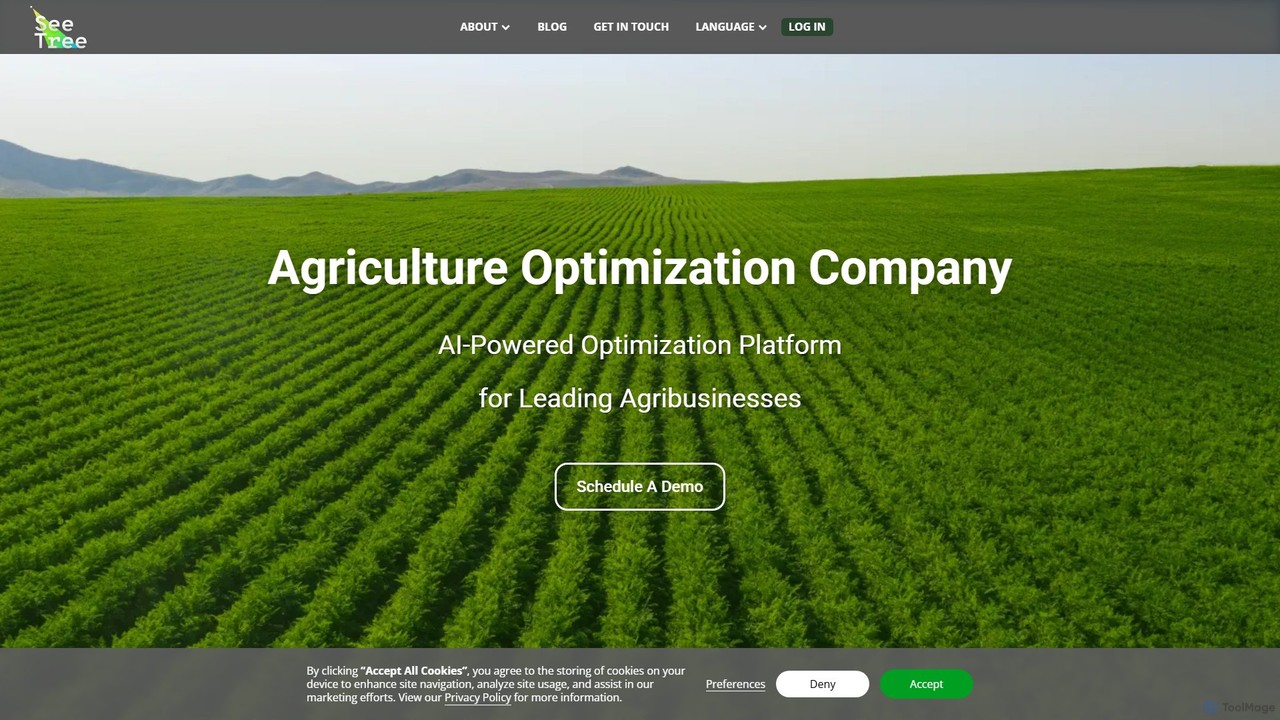
SeeTree is an AI-powered intelligence platform for permanent crop growers. It utilizes drones, computer vision, and machine learning …
SeeTree is an AI-powered intelligence platform for permanent crop growers. It utilizes drones, computer vision, and machine learning to deliver per-tree data on health, yield, and growth, enabling farmers to optimize operations, increase profitability, and make data-driven decisions.
Connecterra
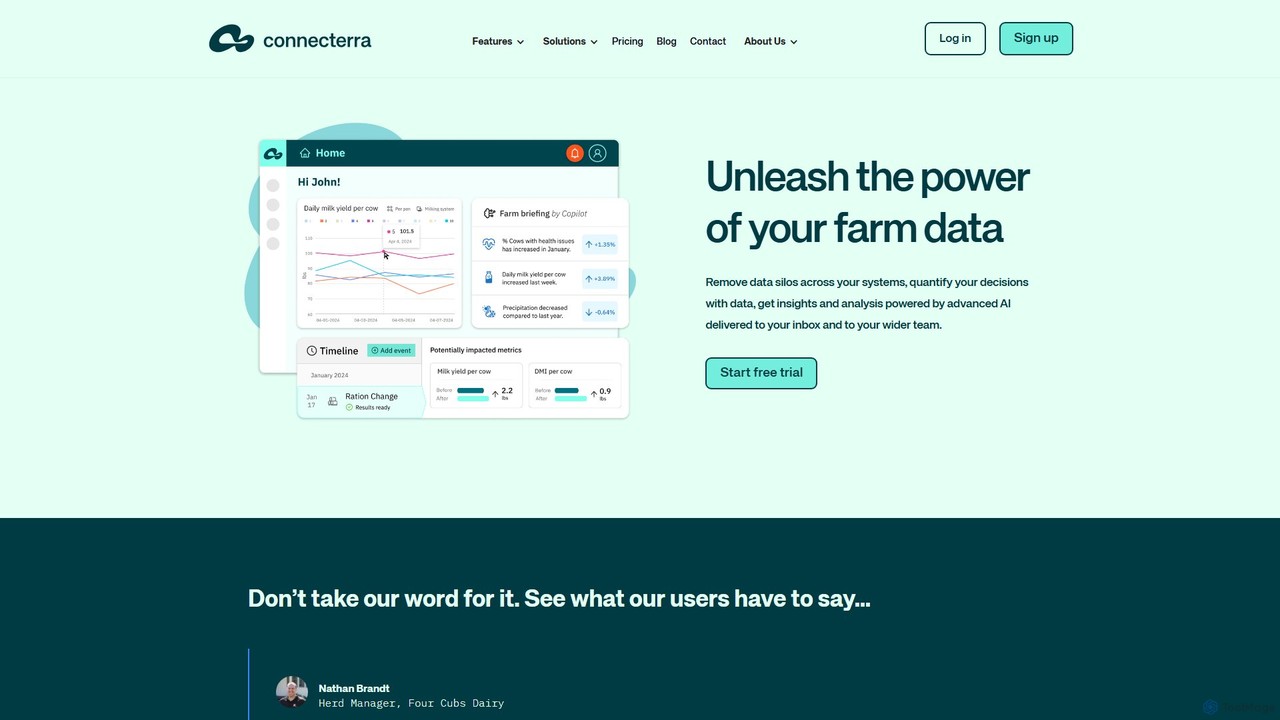
Connecterra is an AI-powered data platform for the dairy industry. It integrates data from various farm systems, providing …
Connecterra is an AI-powered data platform for the dairy industry. It integrates data from various farm systems, providing advanced analytics, automated operational summaries (Copilot), and decision support tools. Farmers and advisors can visualize data, track the impact of their decisions, and receive AI-driven insights to boost productivity and sustainability.
Ginkgo Bioworks
Ginkgo Bioworks is a leading synthetic biology company that utilizes AI, automation, and a vast biological codebase to …
Ginkgo Bioworks is a leading synthetic biology company that utilizes AI, automation, and a vast biological codebase to program cells. They engineer custom microorganisms for partners in pharmaceuticals, agriculture, and industrial manufacturing, accelerating biological R&D and enabling the sustainable production of novel products.
About Agriculture
AI Agriculture tools are a class of applications that leverage artificial intelligence, machine learning, and data analytics to optimize farming operations. These tools process vast amounts of data from sources like drones, satellites, and on-field sensors to provide actionable insights. They help farmers increase crop yields, reduce resource waste, and improve the sustainability of agricultural practices. By enabling data-driven decisions, these solutions are transforming traditional farming into smart, efficient, and predictive agriculture.
Core Features
- Crop and Soil Monitoring: Utilizes computer vision and sensor data to analyze crop health, soil conditions, and nutrient levels in real-time.
- Predictive Analytics: Employs machine learning models to forecast crop yields, weather patterns, and pest outbreaks, enabling proactive management.
- Autonomous Machinery Control: Powers self-driving tractors, drones, and robotic harvesters for tasks like planting, spraying, and harvesting with high precision.
- Livestock Management: Uses sensors and video analysis to monitor animal health, behavior, and productivity, detecting issues early.
- Resource Optimization: Creates precise irrigation and fertilization plans based on real-time data, minimizing water and chemical usage.
Use Cases
These tools are primarily used in precision agriculture, large-scale commercial farming, and specialized horticulture. Agronomists use them for pest and disease detection, farm managers for optimizing resource allocation and predicting yields, and livestock producers for monitoring animal welfare. They are applicable across various stages, from pre-planting soil analysis to post-harvest quality assessment.
How to Choose
When selecting an AI Agriculture tool, consider its data integration capabilities with your existing farm management systems and hardware (drones, sensors). Evaluate the accuracy and reliability of its predictive models. Assess the scalability of the solution for your farm's size and the level of technical support and training provided. Finally, analyze the pricing model, whether it's per-acre, subscription-based, or a one-time purchase, to ensure it aligns with your budget and expected return on investment.

AgricultureUse Cases
Early Crop Disease Detection with Drones
A commercial corn farmer uses an AI agriculture platform integrated with drone imagery. The drone flies over hundreds of acres, capturing high-resolution multispectral images. The AI tool analyzes these images to identify subtle changes in plant coloration and texture that are invisible to the human eye, flagging potential areas of fungal infection or nutrient deficiency weeks before they become widespread. This allows the farmer to apply targeted fungicide or fertilizer treatments only to the affected zones, saving over 30% on chemical costs and preventing significant yield loss.
Optimizing Irrigation with AI and Soil Sensors
A vineyard manager implements an AI-powered irrigation system to conserve water in a drought-prone region. The system collects real-time data from a network of soil moisture sensors, local weather stations, and satellite imagery. The AI algorithm processes this data to create a variable rate irrigation map, instructing the automated drip system to deliver precise amounts of water to different sections of the vineyard based on their specific needs. This precision watering approach reduces water consumption by up to 40% while improving grape quality by preventing both under-watering and over-watering stress.
Predicting Crop Yield for Supply Chain Planning
A large agricultural cooperative uses an AI platform to forecast soybean yields across thousands of member farms. The model analyzes historical yield data, current satellite imagery (like NDVI), long-range weather forecasts, and soil type data. By predicting the total expected harvest volume and timing with over 90% accuracy several months in advance, the cooperative can optimize logistics, secure better pricing with buyers, and manage storage capacity efficiently. This foresight reduces post-harvest losses and improves financial stability for its member farmers.
Automated Weed Identification and Spot Spraying
A farmer attaches an AI-powered camera system to their tractor's sprayer boom. As the tractor moves through the field, the system's computer vision algorithm identifies weeds in real-time, distinguishing them from the crops. It then activates individual spray nozzles to apply a micro-dose of herbicide directly onto each identified weed, leaving the surrounding crops untouched. This 'see and spray' technology reduces overall herbicide use by up to 90%, lowering costs, minimizing environmental impact, and preventing crop damage from broad-acre spraying.
Monitoring Dairy Cow Health and Behavior
A dairy farm manager uses an AI system with cameras and wearable sensors to monitor the herd 24/7. The AI analyzes video feeds to track individual cow behaviors like feeding time, rumination, and social interaction. It also monitors data from neck-worn sensors for activity levels and body temperature. The system flags any deviations from a cow's normal baseline, alerting the manager to potential health issues like lameness or mastitis days before clinical signs appear. This early detection improves animal welfare and reduces treatment costs and milk production losses.
Operating Autonomous Tractors for Seeding
On a large-scale grain farm, an operator uses an AI platform to manage a fleet of autonomous tractors for spring seeding. The operator pre-plots the optimal seeding paths for each field on a computer, considering terrain and soil variations. The AI system then guides the tractors using high-precision GPS and LiDAR, ensuring perfect row spacing and seed depth without human intervention in the cab. A single operator can oversee multiple machines simultaneously from a central command center, significantly increasing operational efficiency, reducing labor costs, and allowing for 24-hour operation to take advantage of optimal weather windows.