Ginkgo Bioworks
Ginkgo Bioworks is a leading biotechnology platform that leverages AI, automation, and data analytics to program cells for …
Ginkgo Bioworks is a leading biotechnology platform that leverages AI, automation, and data analytics to program cells for a wide range of applications. It provides "biology-as-a-service," enabling partners in pharma, agriculture, and industrial sectors to accelerate their R&D and develop novel bio-based products.
Reshape Biotech
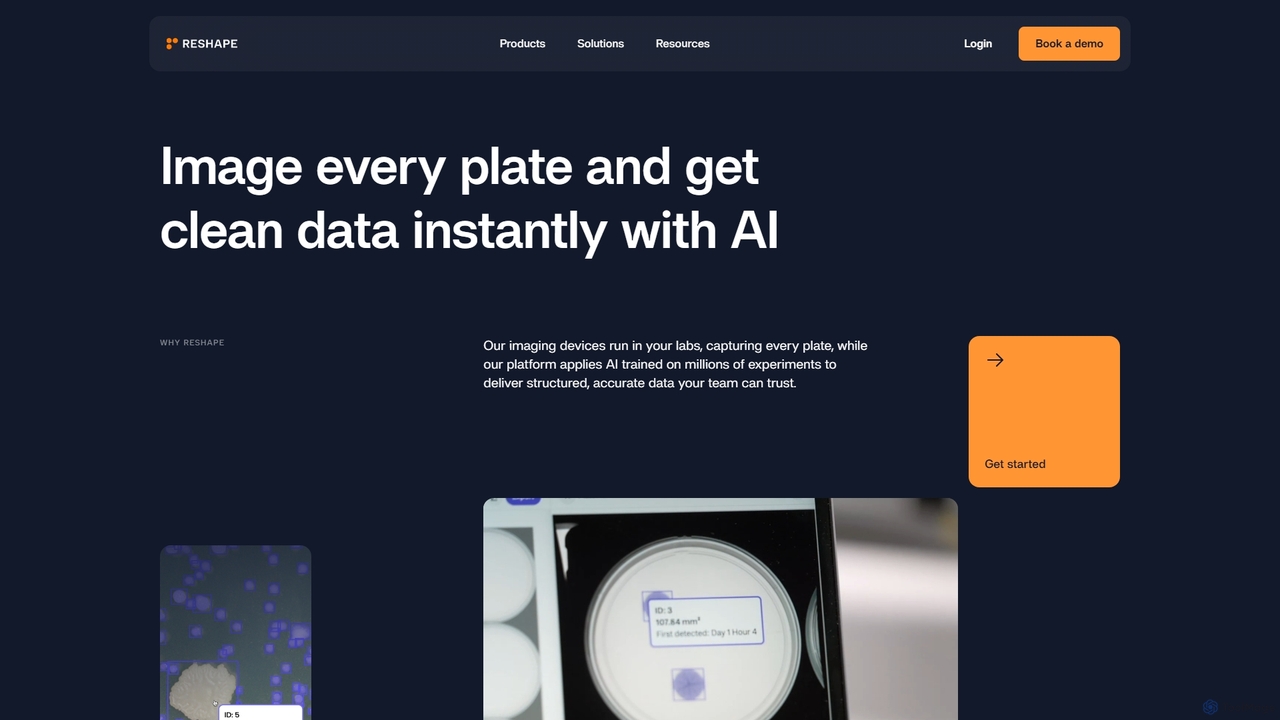
Reshape Biotech provides an AI-powered lab automation platform that combines automated imaging hardware with a cloud-based analysis system. …
Reshape Biotech provides an AI-powered lab automation platform that combines automated imaging hardware with a cloud-based analysis system. It's designed for R&D and QC labs in biotechnology, agriculture, and food science to automate plate imaging, analyze experiments with AI, and generate structured, reproducible data, significantly accelerating research and development cycles.
1910genetics
1910genetics is a biotechnology company revolutionizing drug discovery with its multimodal AI platform, ITO™. Powered by lab automation, …
1910genetics is a biotechnology company revolutionizing drug discovery with its multimodal AI platform, ITO™. Powered by lab automation, it accelerates the design of both small and large molecule therapeutics, aiming to make previously undruggable targets treatable for diseases like cancer, and neurological or autoimmune disorders.
Ligo Biosciences
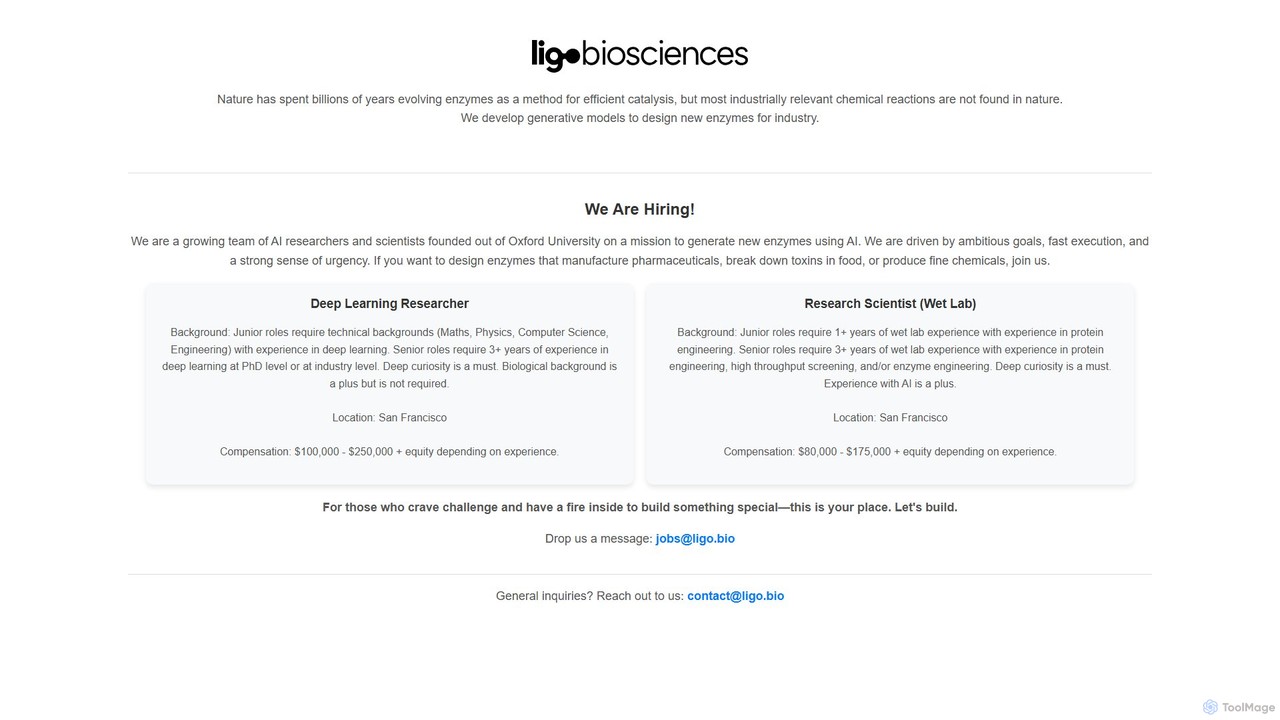
Ligo Biosciences is a research-driven company that leverages generative AI models to design novel enzymes for industrial applications. …
Ligo Biosciences is a research-driven company that leverages generative AI models to design novel enzymes for industrial applications. Originating from Oxford University, they create custom biocatalysts for pharmaceuticals, fine chemical production, and food safety, accelerating innovation beyond the limits of naturally occurring enzymes.
Culture Biosciences
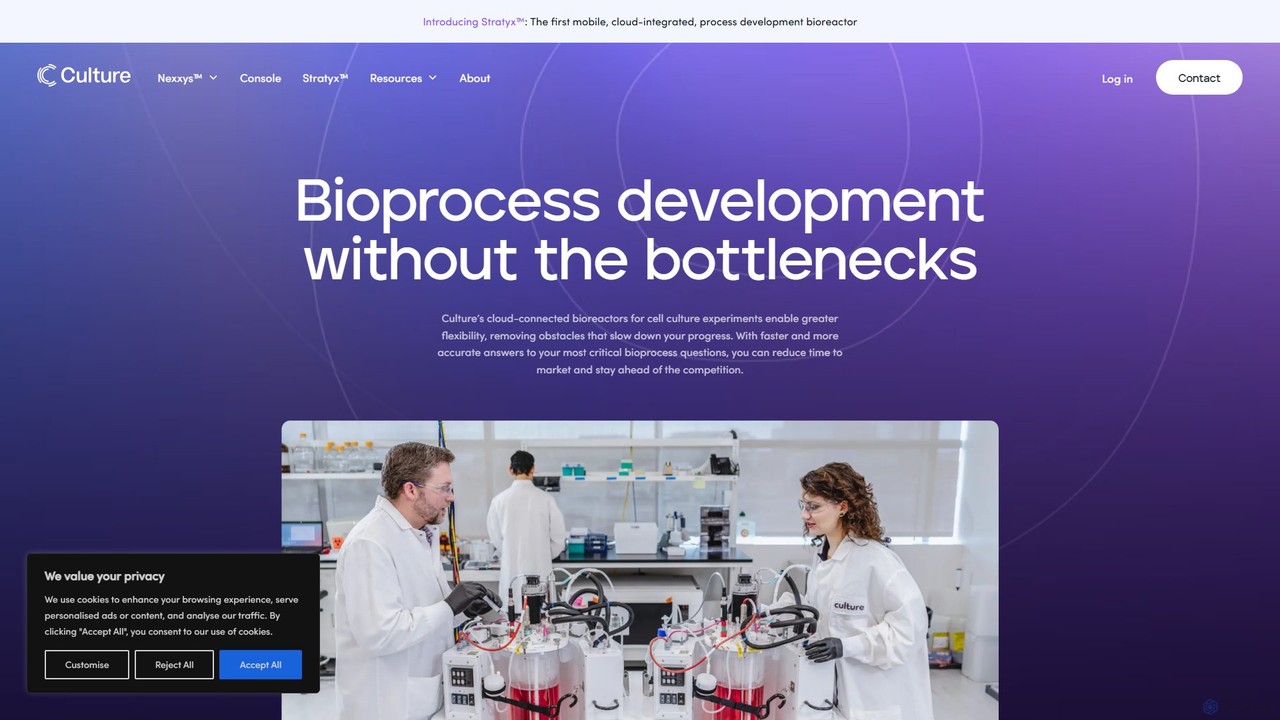
Culture Biosciences offers a cloud-based biomanufacturing platform that leverages AI and automation to accelerate bioprocess development. It provides …
Culture Biosciences offers a cloud-based biomanufacturing platform that leverages AI and automation to accelerate bioprocess development. It provides remote access to a fleet of advanced bioreactors, enabling scientists to design, run, monitor, and analyze experiments from anywhere, significantly reducing R&D timelines and speeding up time-to-market for new bioproducts.
Tamarind Bio
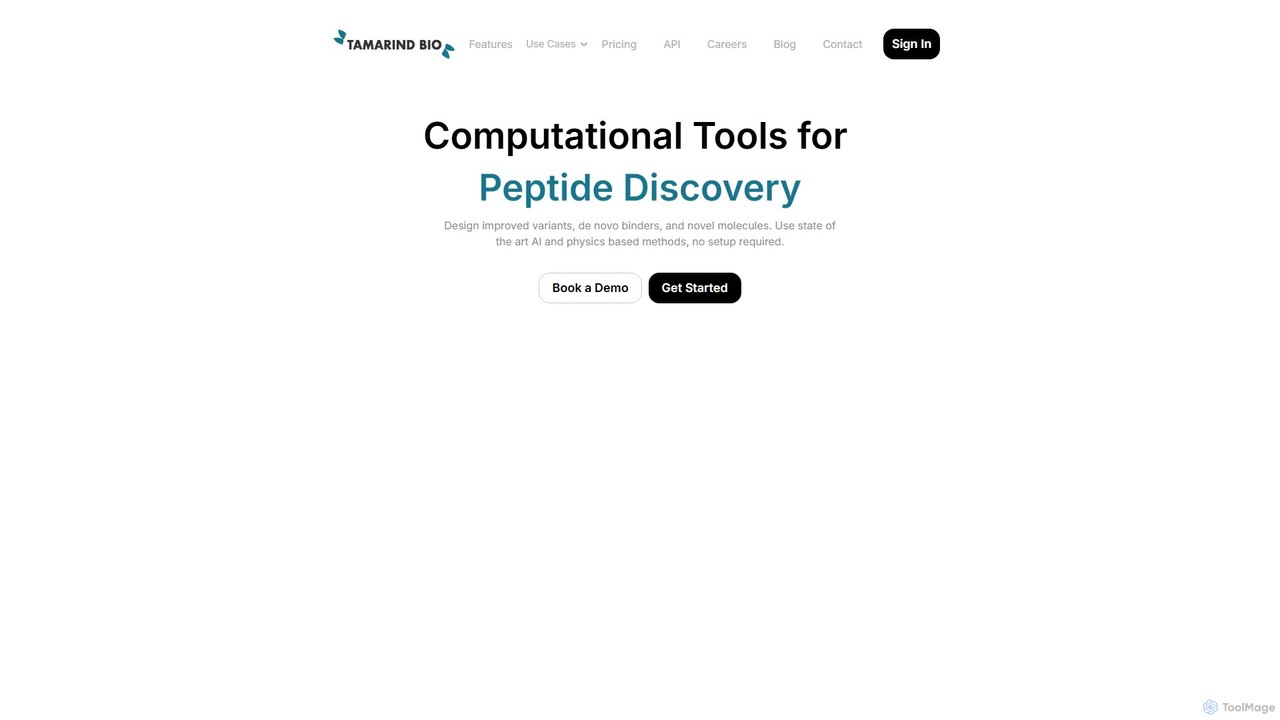
Tamarind Bio is an advanced computational platform that democratizes protein engineering. It provides scientists with a user-friendly interface …
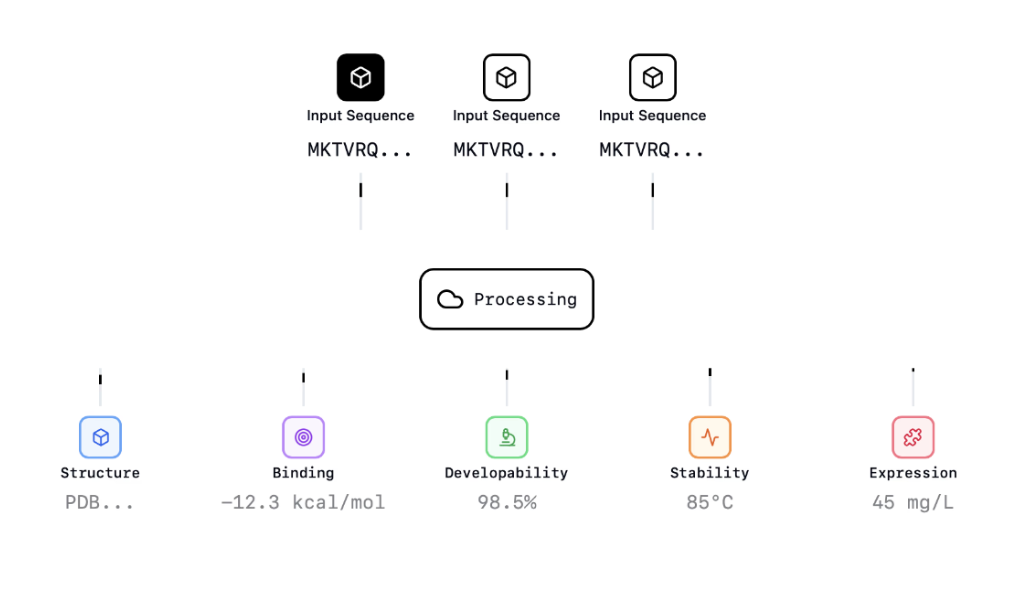
Tamarind Bio is an advanced computational platform that democratizes protein engineering. It provides scientists with a user-friendly interface and a powerful API to access state-of-the-art AI and physics-based tools like AlphaFold and RFdiffusion. The platform streamlines protein design, antibody engineering, and enzyme optimization, handling all high-performance computing and orchestration. This allows researchers to design novel molecules and improve biological variants at a massive scale, accelerating discovery in life sciences without requiring specialized computational expertise.
Variational AI
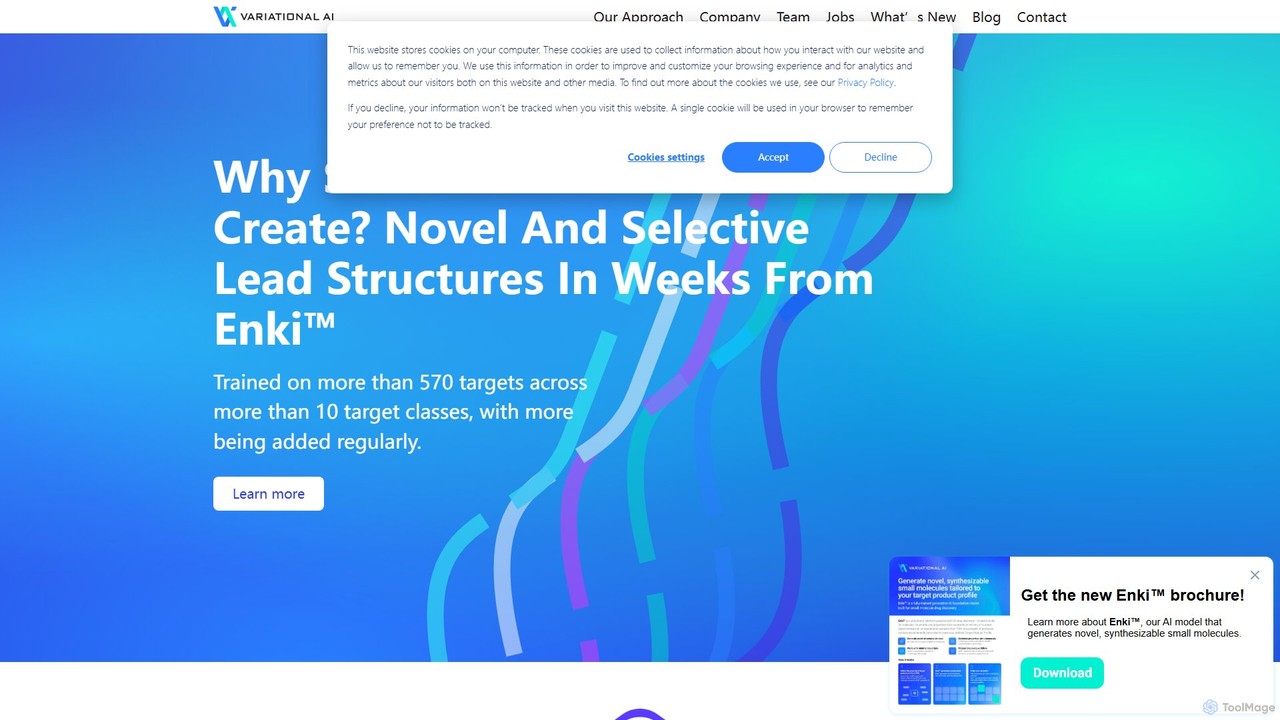
Variational AI leverages a generative AI foundation model, Enki™, to discover novel, drug-like small molecules. It accelerates drug …
Variational AI leverages a generative AI foundation model, Enki™, to discover novel, drug-like small molecules. It accelerates drug discovery by generating selective lead structures in weeks, enabling biopharmaceutical partners to bypass traditional high-throughput screening and redefine the economics of therapeutic development.
Benchling
Benchling is a cloud-based R&D platform for life sciences, using AI to accelerate scientific discovery. It unifies Electronic …
Benchling is a cloud-based R&D platform for life sciences, using AI to accelerate scientific discovery. It unifies Electronic Lab Notebook (ELN), LIMS, and molecular biology tools to centralize data, streamline workflows, and enable collaboration for biotech and pharmaceutical research.
Invertbio
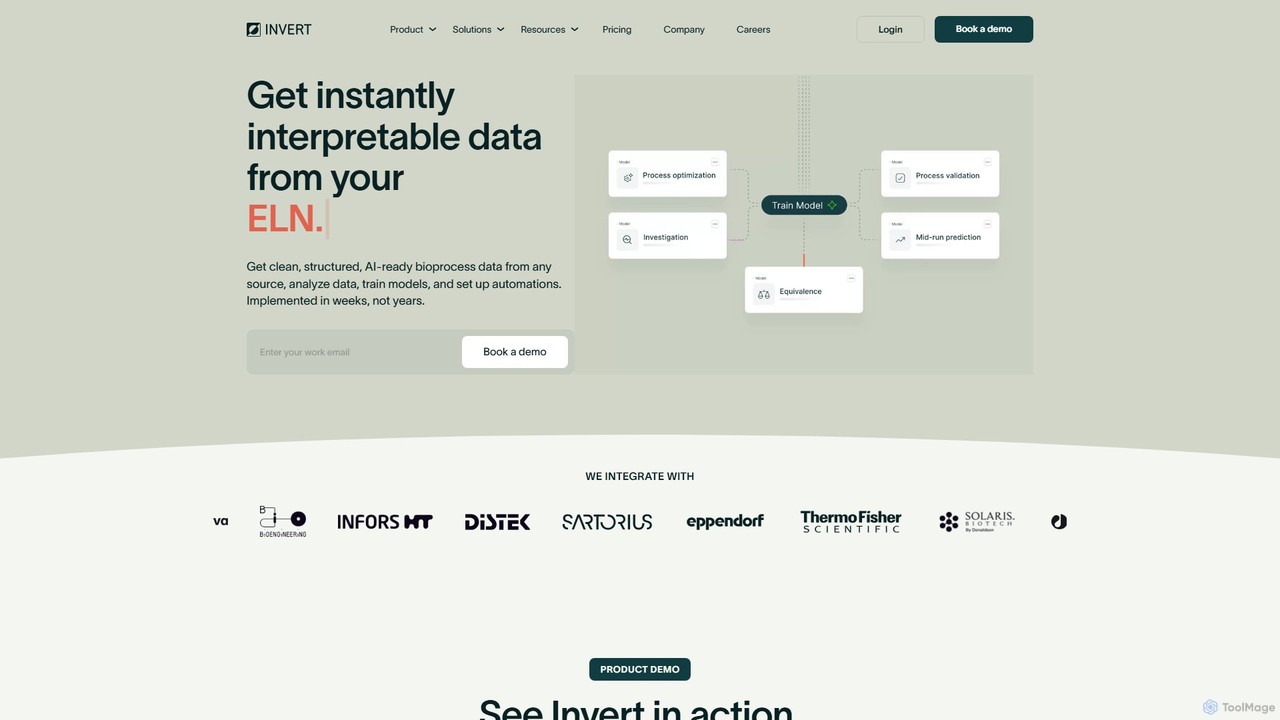
Invertbio is a modern software platform for bioprocess data, designed to provide clean, structured, and AI-ready data from …
Invertbio is a modern software platform for bioprocess data, designed to provide clean, structured, and AI-ready data from any source. It streamlines data management, analysis, and modeling for biotechnology and pharmaceutical teams, accelerating process development and improving yields.
Verge Genomics
Verge Genomics is a biotechnology company leveraging an all-in-human, AI-powered platform, CONVERGE®, to discover and develop drugs for …
Verge Genomics is a biotechnology company leveraging an all-in-human, AI-powered platform, CONVERGE®, to discover and develop drugs for complex diseases. By analyzing vast human genomic datasets, it aims to accelerate the creation of effective treatments for conditions like ALS, Parkinson's, and Frontotemporal Dementia, moving from discovery to clinic significantly faster than traditional methods.
Pubcompare
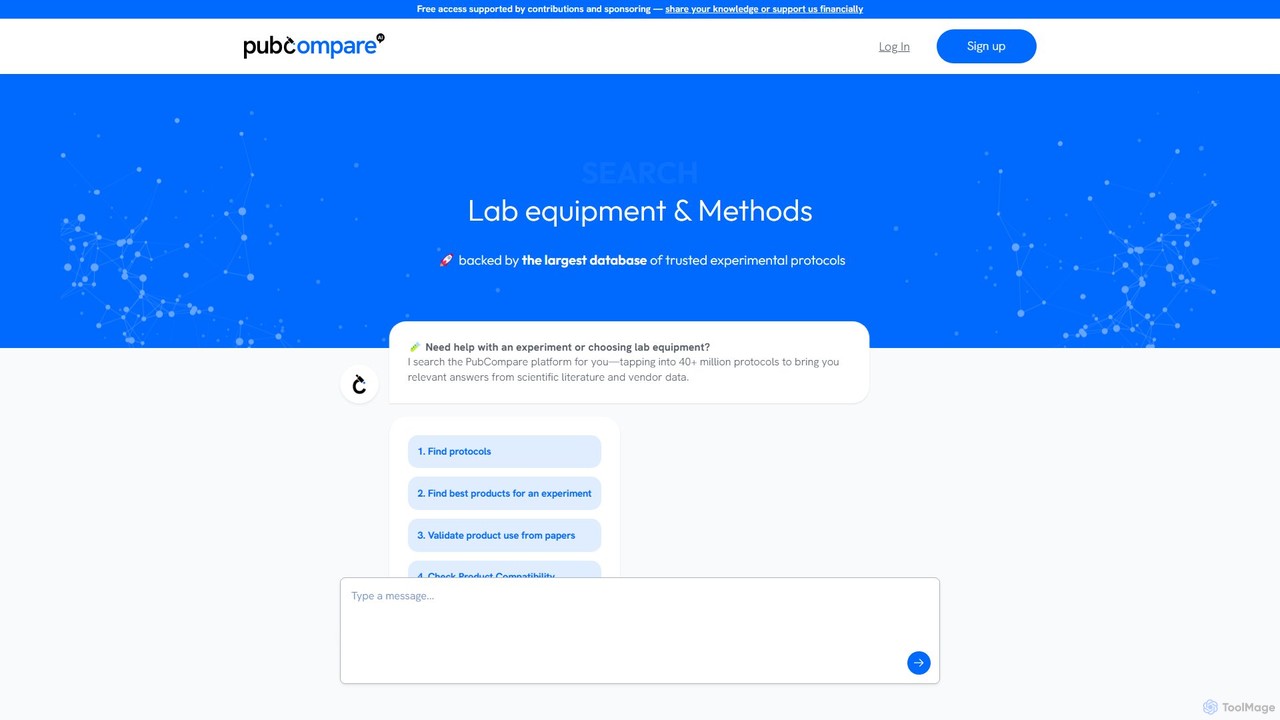
Pubcompare is an AI-powered search engine with the largest database of trusted experimental protocols. It helps scientists and …
Pubcompare is an AI-powered search engine with the largest database of trusted experimental protocols. It helps scientists and researchers discover, compare, and optimize methodologies from over 40 million protocols, saving significant time, reducing errors, and enhancing research reproducibility.
Cradle
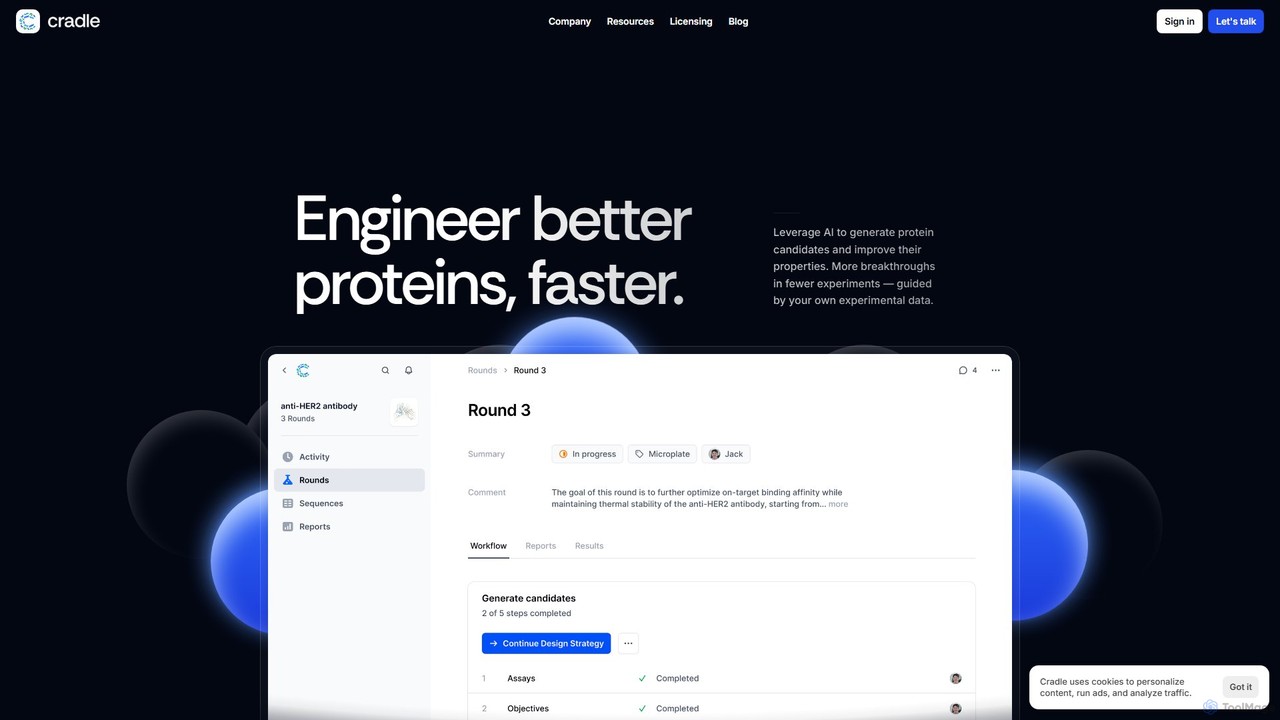
Cradle is an AI-powered platform designed for scientists and biotech companies to engineer better proteins faster. By leveraging …
Cradle is an AI-powered platform designed for scientists and biotech companies to engineer better proteins faster. By leveraging generative AI and machine learning, it helps generate novel protein candidates and optimize their properties, such as stability, activity, and binding affinity. The platform learns from your experimental data, enabling more breakthroughs in fewer lab experiments and significantly accelerating development timelines from years to quarters.
Biobot
Biobot is a pioneering wastewater epidemiology platform that uses molecular technologies and AI to analyze sewage. It provides …
Biobot is a pioneering wastewater epidemiology platform that uses molecular technologies and AI to analyze sewage. It provides real-time data and predictive insights on population health, tracking disease outbreaks like COVID-19, flu, and RSV, and monitoring high-risk substance use to enable proactive public health interventions.
Ginkgo Bioworks
Ginkgo Bioworks is a leading synthetic biology company that utilizes AI, automation, and a vast biological codebase to …
Ginkgo Bioworks is a leading synthetic biology company that utilizes AI, automation, and a vast biological codebase to program cells. They engineer custom microorganisms for partners in pharmaceuticals, agriculture, and industrial manufacturing, accelerating biological R&D and enabling the sustainable production of novel products.
Constellab
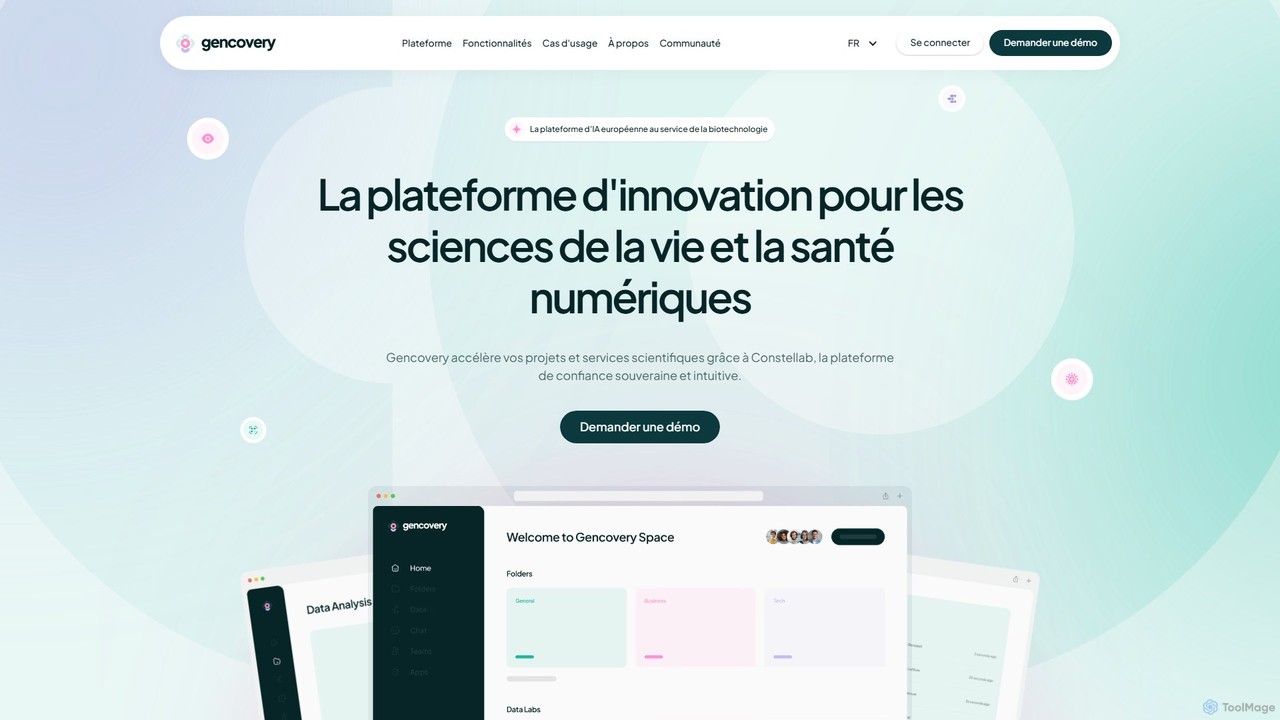
Constellab is a sovereign AI and data science platform designed for the life sciences and biotechnology sectors. It …
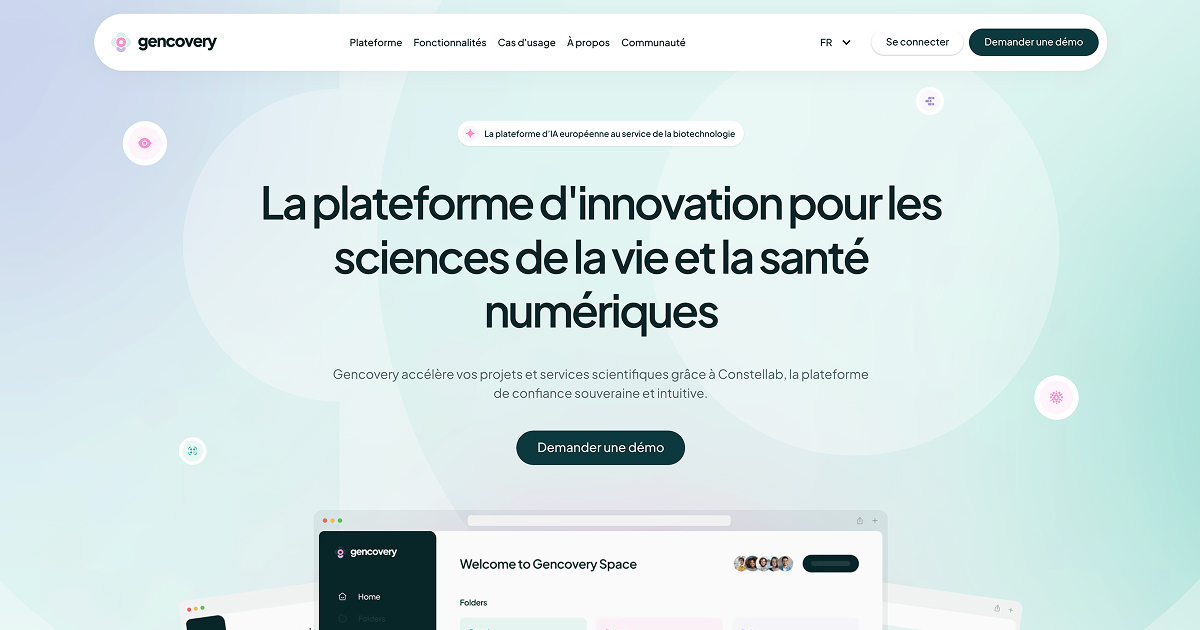
Constellab is a sovereign AI and data science platform designed for the life sciences and biotechnology sectors. It provides a collaborative, no-code environment for data analysis, visualization, and project management, with flexible deployment options (cloud, on-premise) to ensure data security, traceability, and regulatory compliance.
PatentDrawAI
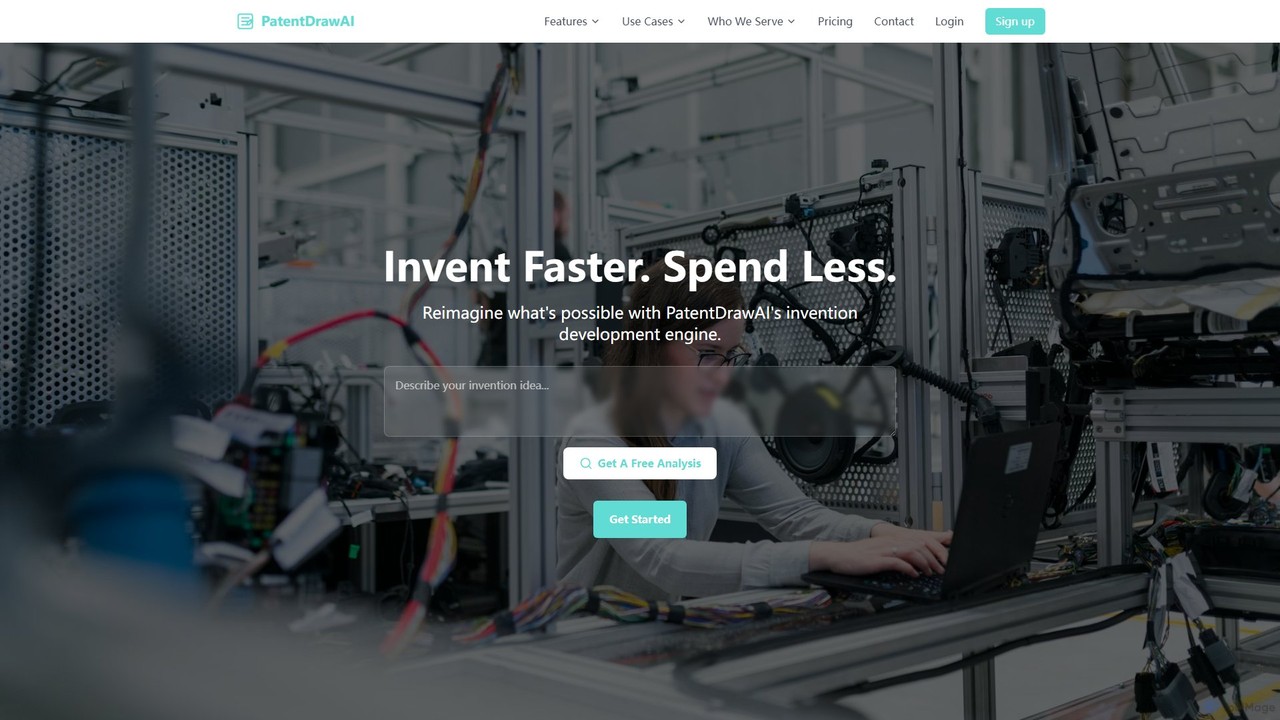
PatentDrawAI is an AI-powered invention development engine designed to streamline the patent application process. It helps inventors, law …
PatentDrawAI is an AI-powered invention development engine designed to streamline the patent application process. It helps inventors, law firms, and enterprises draft high-quality provisional patents, generate technical drawings, and conduct prior art searches faster and more affordably. Specialized modules for software and molecular patents automate the creation of comprehensive documentation, democratizing intellectual property protection for all innovators.
About Biotechnology
AI Biotechnology tools are a specialized class of software applying machine learning and computational models to analyze complex biological data. They leverage algorithms for pattern recognition and predictive modeling to accelerate research and development in the life sciences. These tools are instrumental in areas like drug discovery, genomic analysis, and personalized medicine, significantly reducing time and costs. Their core strength lies in processing and interpreting vast datasets that are beyond the capacity of manual analysis.
Core Features
- Genomic Data Analysis: Processes and interprets next-generation sequencing (NGS) data to identify genetic variations and disease biomarkers.
- Predictive Modeling: Simulates molecular interactions to predict drug efficacy, toxicity, or protein functions before physical experiments.
- Protein Structure Prediction: Utilizes deep learning models to determine the 3D structure of proteins from their amino acid sequences.
- Biomedical Image Analysis: Automates the analysis of medical images, such as microscopy slides or MRIs, to detect patterns and quantify features.
Applicable Scenarios
These tools are primarily used by researchers in pharmaceutical companies, academic labs, and clinical diagnostics. They support workflows from early-stage drug discovery and genetic engineering to clinical trial data analysis and personalized treatment planning.
Selection Criteria
When choosing a tool, consider its specific application (e.g., genomics, proteomics), compatibility with data formats (like FASTQ, VCF), model accuracy and validation, computational resource requirements, and its ability to integrate with existing lab information management systems (LIMS).
BiotechnologyUse Cases
Accelerate Drug Candidate Screening
A computational biologist at a pharmaceutical company uses an AI platform to screen a virtual library of millions of chemical compounds against a specific protein target. The tool's predictive models analyze molecular structures and predict binding affinity, identifying hundreds of promising candidates in a matter of days. This process drastically reduces the time and cost associated with traditional high-throughput screening in a wet lab, allowing research teams to focus their resources on validating the most viable drug leads.
Develop Personalized Cancer Therapies
An oncologist uses an AI-powered genomics tool to analyze a patient's tumor sequencing data. The software identifies specific driver mutations and compares the tumor's genetic profile against a vast database of clinical trial outcomes and drug responses. Based on this analysis, the tool recommends a personalized combination of targeted therapies most likely to be effective for that individual patient. This data-driven approach moves beyond one-size-fits-all treatments, increasing the chances of successful outcomes and minimizing exposure to ineffective drugs.
Predict Protein Structures for Research
A structural biologist studying a newly discovered protein inputs its amino acid sequence into a deep learning model. Within hours, the AI generates a highly accurate 3D model of the protein's folded structure. This prediction, which would have taken months or years with traditional methods like X-ray crystallography, provides immediate insights into the protein's function, its interaction with other molecules, and its potential role in disease. This allows researchers to rapidly form hypotheses and design targeted experiments.
Automate Genetic Variant Identification
A clinical geneticist at a diagnostic lab processes whole-genome sequencing (WGS) data from a patient with a rare, undiagnosed condition. They use an AI-powered pipeline that automatically aligns sequences, calls variants, and annotates them against known disease databases. The AI model flags a handful of potentially pathogenic variants out of millions, ranking them by clinical significance. This automation reduces the manual analysis time from weeks to hours, enabling faster diagnosis and allowing genetic counselors to focus on interpreting the most relevant findings for the patient.
Analyze High-Content Microscopy Images
A cell biologist conducting a drug screening experiment captures thousands of microscopy images of cells treated with different compounds. Instead of manually analyzing each image, they use an AI image analysis tool. The software automatically segments individual cells, identifies nuclei, and quantifies dozens of features like cell size, shape, and protein expression intensity. This high-throughput analysis provides rich, quantitative data on cellular responses, enabling the researcher to accurately identify the most effective compounds and understand their mechanisms of action far more efficiently.
Optimize Bioprocess Manufacturing
A bioprocess engineer at a biologics manufacturing facility uses an AI model to optimize the production of a therapeutic antibody. The model analyzes historical batch data, including variables like temperature, pH, and nutrient feed rates. It then predicts the optimal conditions to maximize protein yield and maintain quality consistency. By implementing the AI's recommendations, the facility can increase its production efficiency, reduce batch failures, and ensure a more reliable supply of the life-saving drug, all while minimizing resource consumption.