
ToolMage
Sign in

Best 1 Search Assistant for Ai Assistant

Popular Search Assistant in Ai Assistant include Arc, helping you work more efficiently.

Arc
Free

Arc

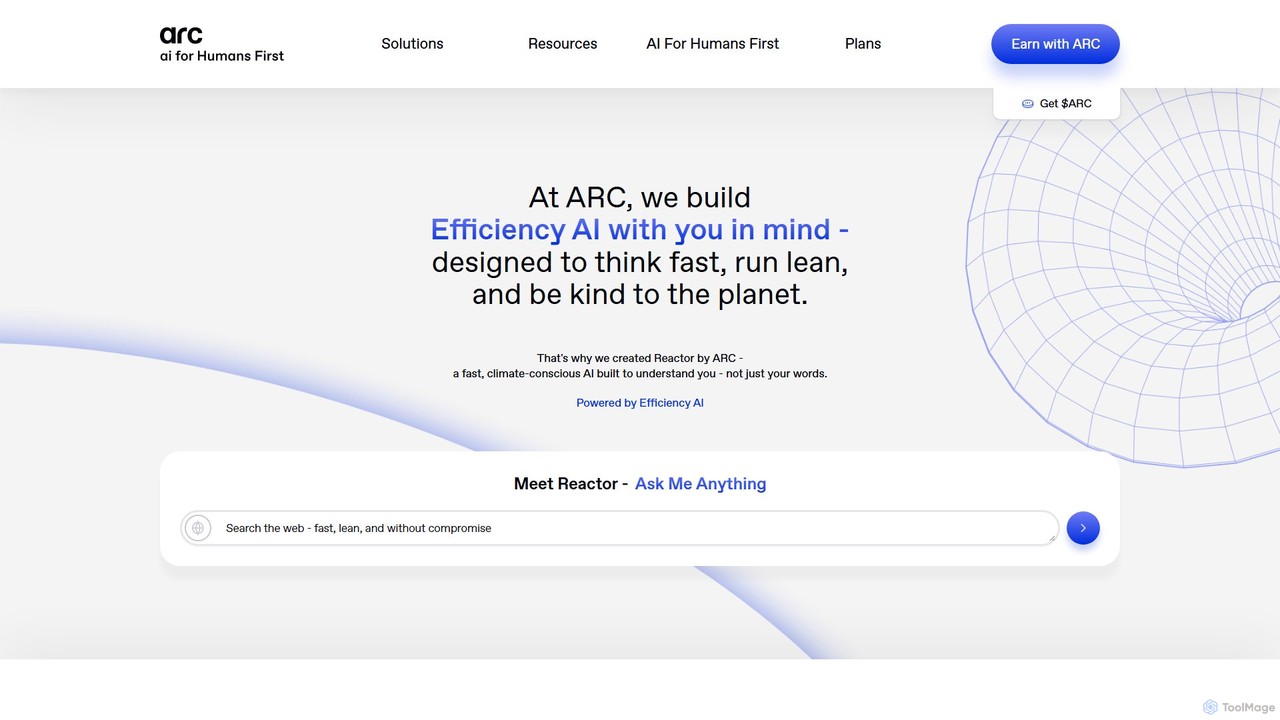
Arc is a revolutionary browser by The Browser Company, designed to be a smart, organized, and private alternative to Chrome. It integrates AI features to enhance productivity, offers unique organization tools like Spaces and Split View, and provides a seamless, ad-free experience across desktop and mobile.

Search Assistant
Visits 755.6KFavorites 157Likes 137

About Search Assistant

Search Assistants are AI-powered tools designed to revolutionize how users find and process information online. Leveraging advanced natural language processing (NLP) and machine learning, these assistants go beyond traditional keyword matching to understand user intent, synthesize information from diverse sources, and provide direct, concise answers. They significantly enhance research efficiency and accuracy, making complex information retrieval faster and more intuitive within the broader category of AI Assistants.

Core Features

  • Contextual Understanding: Interprets complex queries and user intent, not just keywords.
  • Information Synthesis: Gathers and summarizes relevant data from multiple web sources.
  • Direct Answering: Provides precise answers to factual questions without requiring users to browse links.
  • Source Citation: Often includes references to the original sources for verification and deeper exploration.
  • Personalized Search: Adapts results based on user history and preferences over time.

Use Cases

Search Assistants are invaluable across various domains, from academic research to daily information retrieval. They empower professionals in market analysis to quickly identify trends, assist content creators in fact-checking and background research, and help students efficiently summarize complex topics for their studies.

How to Choose

When selecting a Search Assistant, consider its accuracy and reliability in providing information, the breadth and diversity of its data sources, and its ability to cite those sources. Evaluate integration capabilities with your existing workflows and tools, as well as the level of customization offered. Finally, assess its privacy policies and pricing structure to ensure it aligns with your needs and budget.

Search Assistant use cases

1

Accelerate Academic Research

University students and researchers can utilize Search Assistants to quickly find relevant academic papers, summarize complex theories, and extract key findings from extensive literature reviews. This significantly reduces the time spent sifting through countless articles, allowing them to focus more on analysis and synthesis for their theses or publications.

2

Identify Market Trends

Business analysts and strategists employ Search Assistants to monitor emerging market trends, consumer sentiments, and competitive landscapes. By processing vast amounts of online data, these tools can highlight critical shifts, identify new opportunities, and provide concise summaries for strategic decision-making, saving hours of manual data aggregation.

3

Enhance Content Creation & Fact-Checking

Content creators, journalists, and bloggers leverage Search Assistants for rapid fact-checking, gathering background information, and generating ideas for articles or scripts. The ability to quickly verify statistics, historical facts, or technical details ensures accuracy and enriches content quality, streamlining the research phase of content production.

4

Streamline Technical Problem Solving

Software developers and engineers use Search Assistants to quickly find solutions to coding problems, debug issues, or understand new APIs. Instead of navigating through multiple documentation pages or forum threads, they can receive direct answers and code snippets, accelerating development cycles and reducing troubleshooting time.

5

Support Personalized Learning & Skill Development

Individuals pursuing self-education or skill development can use Search Assistants to get concise explanations of new concepts, explore different learning resources, or answer specific questions related to their studies. This personalized approach helps in grasping complex subjects faster and tailoring learning paths effectively.

6

Gather Competitive Intelligence

Marketing and product teams utilize Search Assistants to gather intelligence on competitors, including product launches, pricing strategies, and customer reviews. These tools can quickly synthesize public information, providing a comprehensive overview of the competitive landscape to inform strategic planning and product positioning.

Search Assistant FAQ

What are AI Search Assistants?

AI Search Assistants are advanced tools that use artificial intelligence, primarily natural language processing (NLP) and machine learning, to understand user queries in context and provide direct, relevant answers. Unlike traditional search engines that return a list of links, these assistants synthesize information from various sources to offer concise summaries or specific data points, significantly streamlining information retrieval.

How do AI Search Assistants differ from traditional search engines?

The primary difference lies in their approach to queries and results. Traditional search engines rely heavily on keyword matching to provide a list of web pages. AI Search Assistants, however, interpret the intent behind your query, process information from multiple sources, and then generate a direct answer or summary. This means less sifting through links and more immediate, synthesized information.

What are the key benefits of using an AI Search Assistant?

Key benefits include enhanced efficiency, as users receive direct answers without extensive browsing, and improved accuracy through AI's ability to cross-reference information. They also offer deeper insights by synthesizing complex data, save significant time for research-intensive tasks, and provide a more intuitive, conversational search experience compared to conventional methods.

How can I choose the best AI Search Assistant for my needs?

To choose the best AI Search Assistant, consider its accuracy in providing reliable information and its ability to cite sources for verification. Evaluate the breadth of its knowledge base and the diversity of sources it pulls from. Look for features like integration with your existing tools, customization options, and robust privacy policies. Finally, compare pricing models to find one that fits your budget and usage frequency.

Can AI Search Assistants cite their sources for verification?

Yes, many advanced AI Search Assistants are designed to cite their sources. This feature is crucial for trustworthiness and allows users to verify the information provided or delve deeper into the original context. When selecting an assistant, prioritizing those that offer clear and verifiable source citations is highly recommended, especially for academic or professional research.