Art Best in category 7 results Concept Art AI Tool

Popular AI tools in the Concept Art field of Art include Vizcom、Invoke、Shenbi、Roughly、creaition、dimensions.ink、AI Concept Generator, etc., helping you quickly improve efficiency.

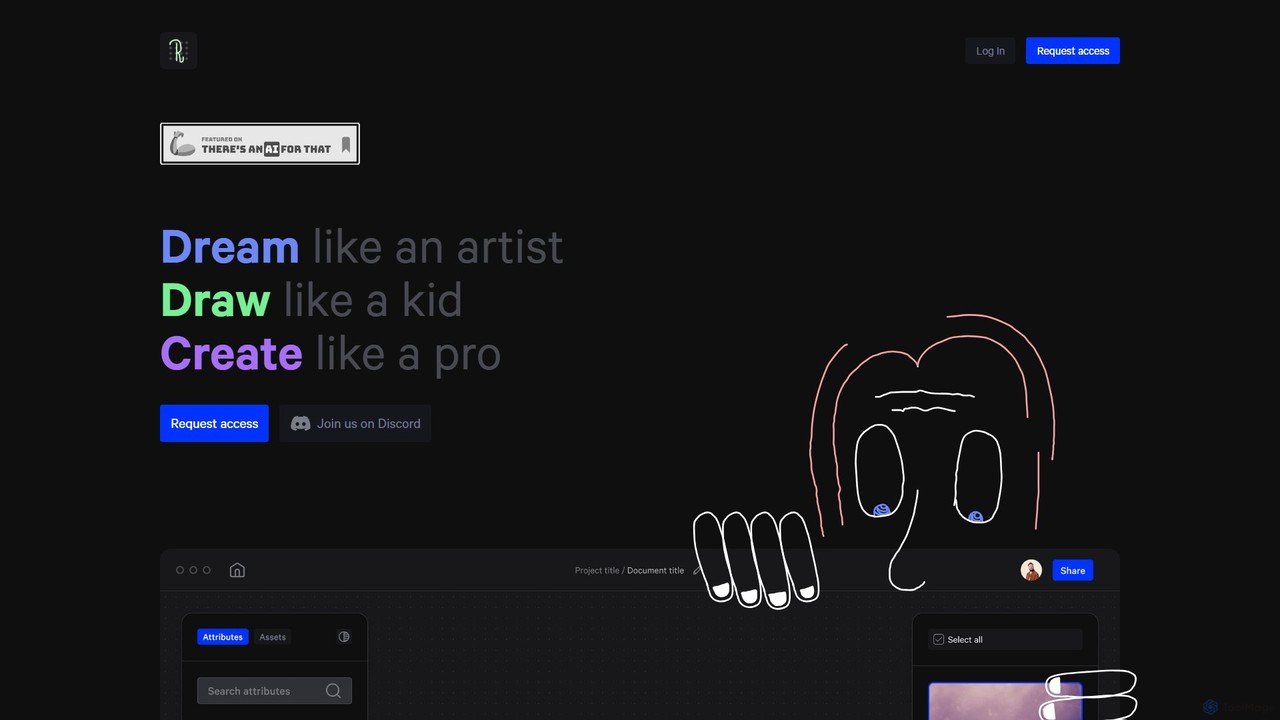
dimensions.ink

dimensions.ink

Dimensions.ink is an AI-powered creative suite for generating stunning 2D and 3D visuals. It transforms text prompts into …

2.9K
creaition

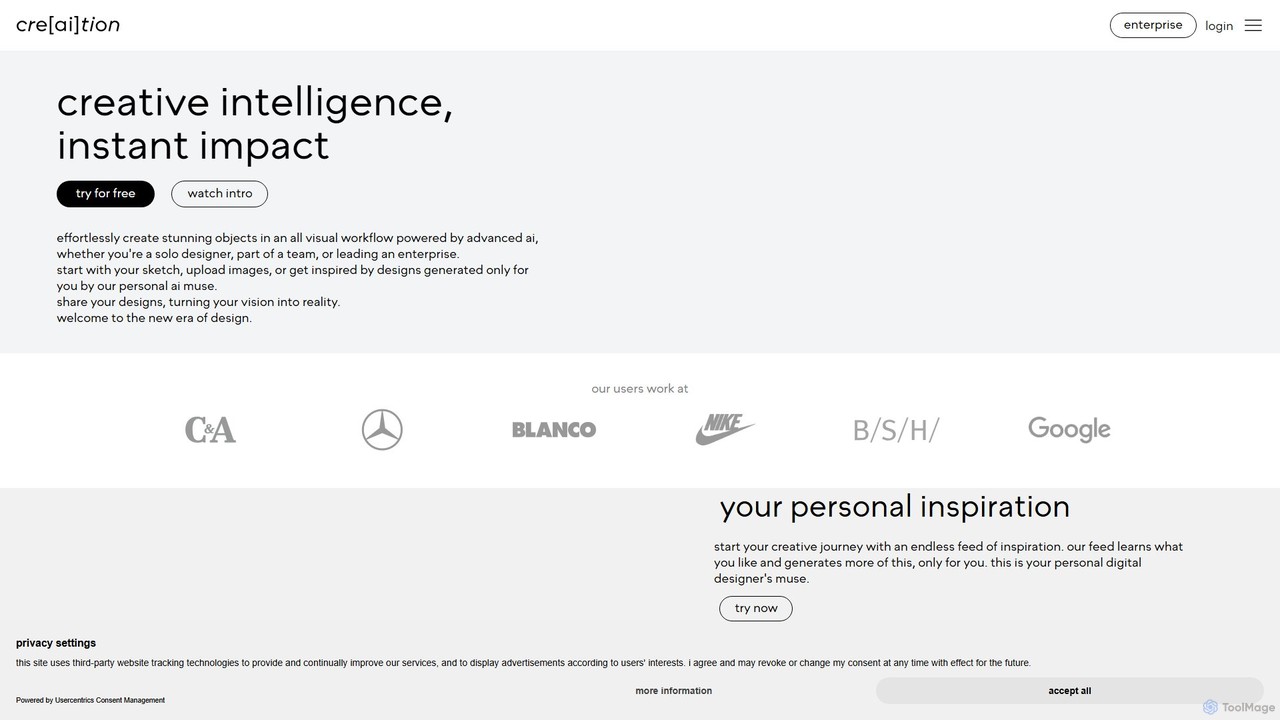
creaition

creaition is an AI-powered design platform that transforms creative workflows with a purely visual interface. It enables designers, …

3.1K
Vizcom

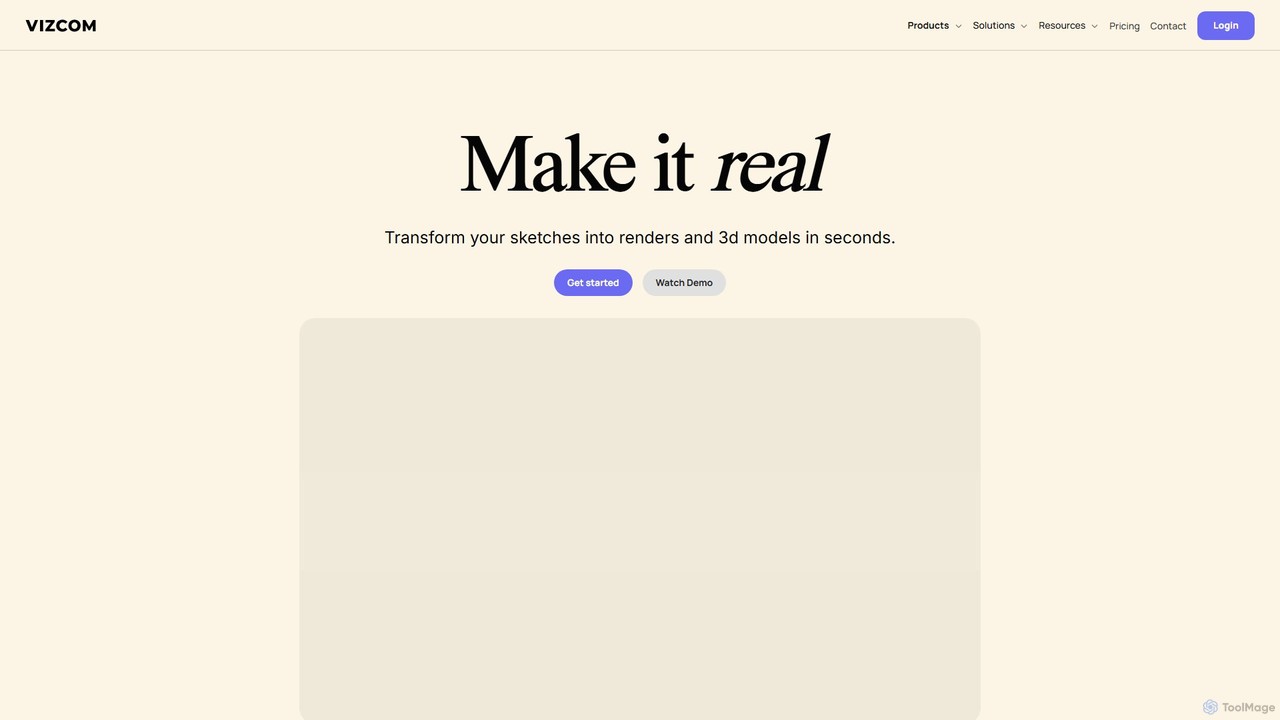
Vizcom

Vizcom is an AI-powered design platform that transforms your sketches into photorealistic renders and 3D models in seconds. …

58.1K
Invoke

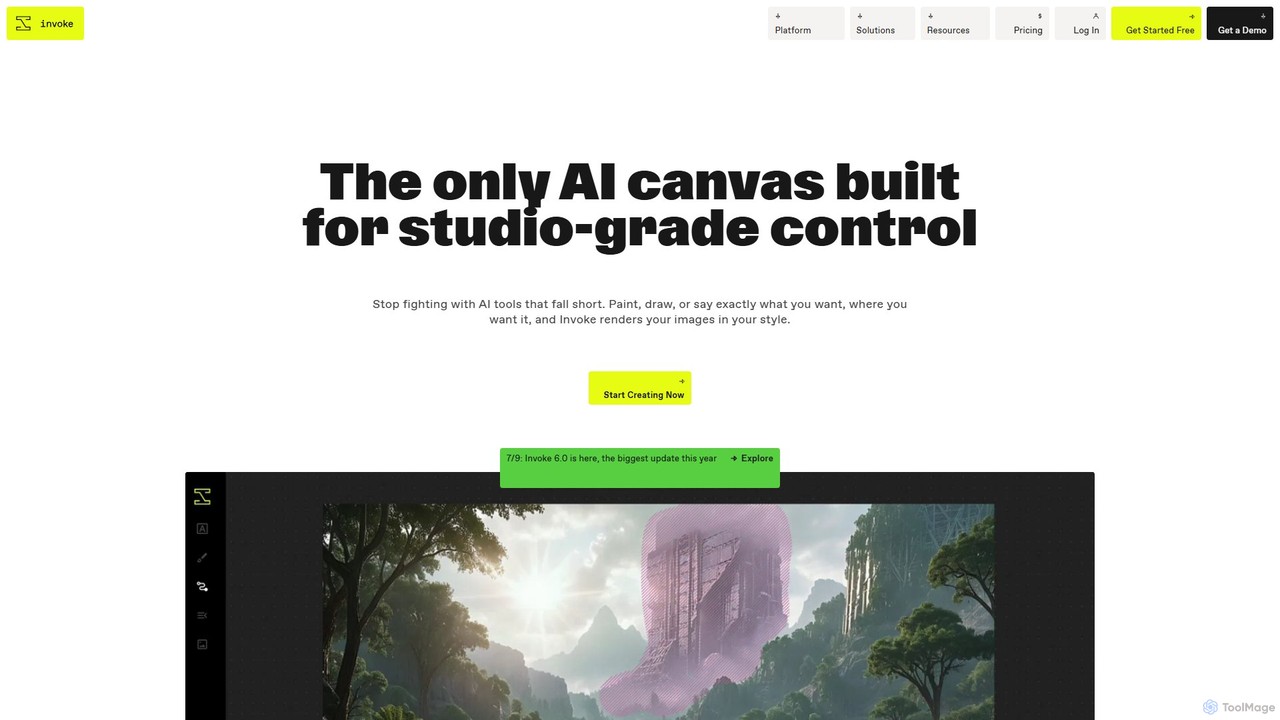
Invoke

Invoke is a professional generative AI platform for creative production, offering fine-grained control, multi-modal inputs, and custom model …

5.9K
AI Concept Generator

AI Concept Generator

AI Concept Generator is an AI-powered tool that transforms text prompts into high-quality, 1024x1024 resolution icons and visual …

2.9K
Shenbi

Shenbi

Shenbi is a powerful AI-powered creative platform by Maoyan, designed for the entertainment industry. It specializes in generating …

4.1K
Roughly

Roughly

Roughly is an AI-powered design platform that transforms rough sketches and text prompts into professional-quality images. Ideal for …

3.4K

About Concept Art

Concept Art AI tools are specialized platforms that leverage artificial intelligence to assist artists and designers in generating initial visual ideas, character designs, environment concepts, and prop designs. These tools utilize advanced generative AI models to quickly produce diverse visual iterations based on textual prompts or rough sketches. They significantly accelerate the ideation phase in creative projects like games, films, and animations, allowing for rapid exploration of styles, moods, and compositions. This sub-category within AI Art tools focuses specifically on the preliminary visual development stage.

Core Features

  • Prompt-based Generation: Create concept art from detailed text descriptions, specifying style, subject, mood, and composition.
  • Image-to-Image Transformation: Transform existing sketches or reference images into polished concept art with AI-driven stylistic variations.
  • Style Transfer & Blending: Apply specific artistic styles to generated concepts or blend elements from multiple styles.
  • Iterative Design & Variation: Generate multiple variations of a single concept, allowing artists to explore different directions quickly.
  • Asset Generation: Produce specific assets like characters, creatures, vehicles, or environmental elements for games and films.

Applicable Scenarios

Game developers and film production studios use these tools to rapidly prototype visual ideas for new projects, exploring character appearances, environmental settings, and prop designs. Concept artists leverage them to overcome creative blocks and generate a wide array of initial sketches and mood boards for client presentations. Independent creators can also use them to visualize personal projects or develop unique art styles.

How to Choose

When selecting Concept Art AI tools, consider the quality and diversity of generated outputs, the flexibility of prompt engineering, and the ability to refine and iterate on designs. Evaluate integration with existing art pipelines (e.g., Photoshop, Blender) and the level of control offered over artistic style and composition. Pricing models, community support, and the tool's learning curve are also important factors.

Concept ArtUse Cases

1

Rapid Game Character Design Iteration

Game artists can quickly generate hundreds of diverse character concepts based on textual descriptions, exploring different outfits, features, and poses. This allows for rapid iteration during the pre-production phase, enabling teams to visualize and refine character designs much faster than traditional manual sketching, saving weeks of development time and ensuring a broader range of creative options.

2

Film Environment Concepting for Sci-Fi Worlds

Film production designers utilize Concept Art AI tools to visualize various futuristic cityscapes or alien landscapes for sci-fi movies. By inputting mood, architectural styles, and environmental elements, they can quickly generate diverse visual options, establishing the overall aesthetic and scale for key scenes. This streamlines the early visual development, allowing directors to make informed decisions on world-building without extensive manual drawing.

3

Product Design Ideation for Consumer Electronics

Industrial designers leverage Concept Art AI to generate numerous visual concepts for new consumer electronic products, such as futuristic smart devices or innovative home appliances. By providing parameters like material, form factor, and brand aesthetic, the AI can produce a wide array of design directions, helping designers explore novel shapes and functions before committing to detailed CAD modeling, significantly shortening the initial ideation phase.

4

Storyboarding and Visual Development for Animation

Animators and storyboard artists use Concept Art AI to generate keyframes and visual sequences, planning the narrative flow and artistic direction for animated shorts or commercials. By inputting scene descriptions and character actions, the AI can quickly produce a series of visual panels, allowing creators to experiment with camera angles, character expressions, and environmental layouts, significantly accelerating the pre-visualization process and ensuring narrative consistency.

5

Fashion & Costume Concepting for Theatrical Productions

Costume designers for theatrical productions or historical dramas utilize Concept Art AI to experiment with various garment designs, visualizing different textures, patterns, and silhouettes for characters. By inputting historical periods, character archetypes, and desired aesthetics, the AI can generate a multitude of costume concepts, aiding designers in exploring creative directions and presenting diverse options to directors and producers before physical prototyping begins.

6

Book Cover & Illustration Exploration for Authors

Authors and illustrators utilize Concept Art AI to generate a wide range of cover art concepts or internal illustrations for their books. By providing themes, character descriptions, and desired artistic styles, the AI can quickly produce numerous visual representations, helping creators find the perfect imagery that captures the essence of their stories. This accelerates the visual branding process and offers diverse options for publishing.

Concept ArtFrequently Asked Questions