ToolMage
Sign in

Best 153 Artificial Intelligence AI tools

Popular Artificial Intelligence AI tools include Google Skills, getcruise, Devin, Jules, Figure, Geekflare AI, Mermaid Online, Odyssey, SeatCompare, and Aicofounder, helping you work more efficiently.

Imbue

Imbue

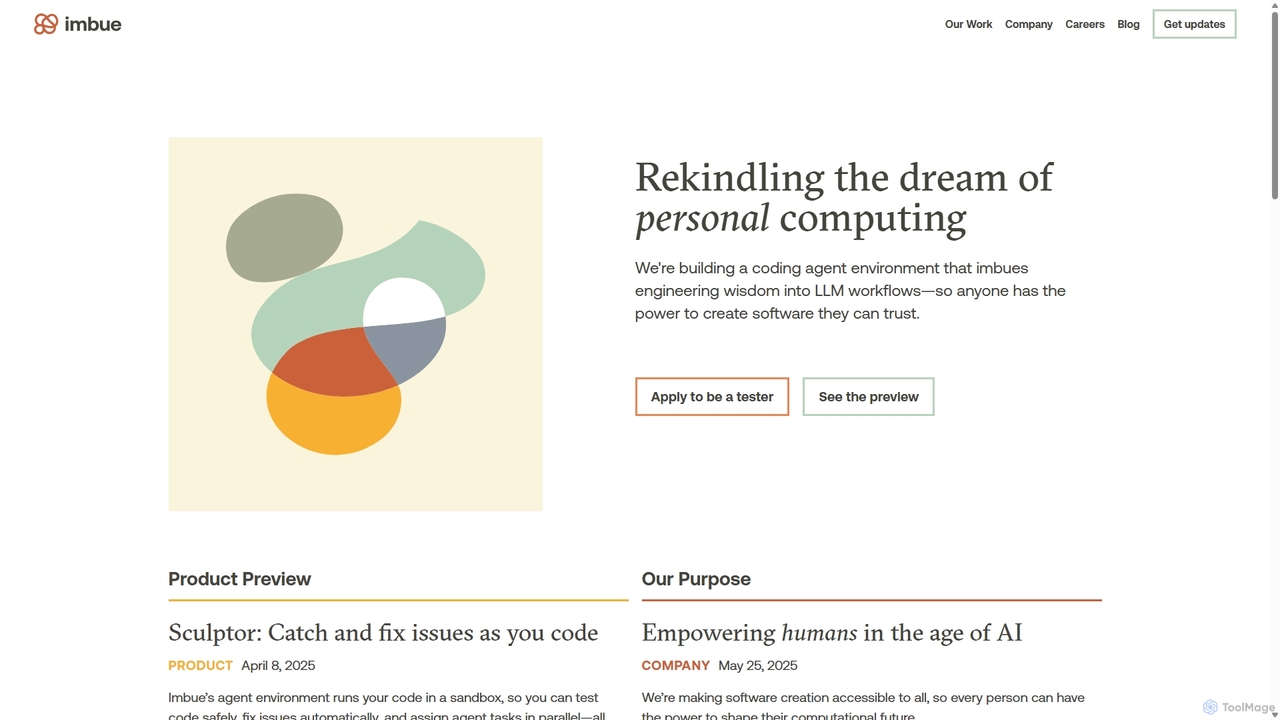
Imbue is an AI research and product company building AI agents that can reason and code. Its flagship product, Sculptor, is a coding agent environment that helps developers write high-quality, reliable software by automatically detecting issues, generating tests, and fixing bugs in a safe, sandboxed environment.

Machine Learning
Visits 55.4KFavorites 144Likes 144

CrewAI
Free

CrewAI

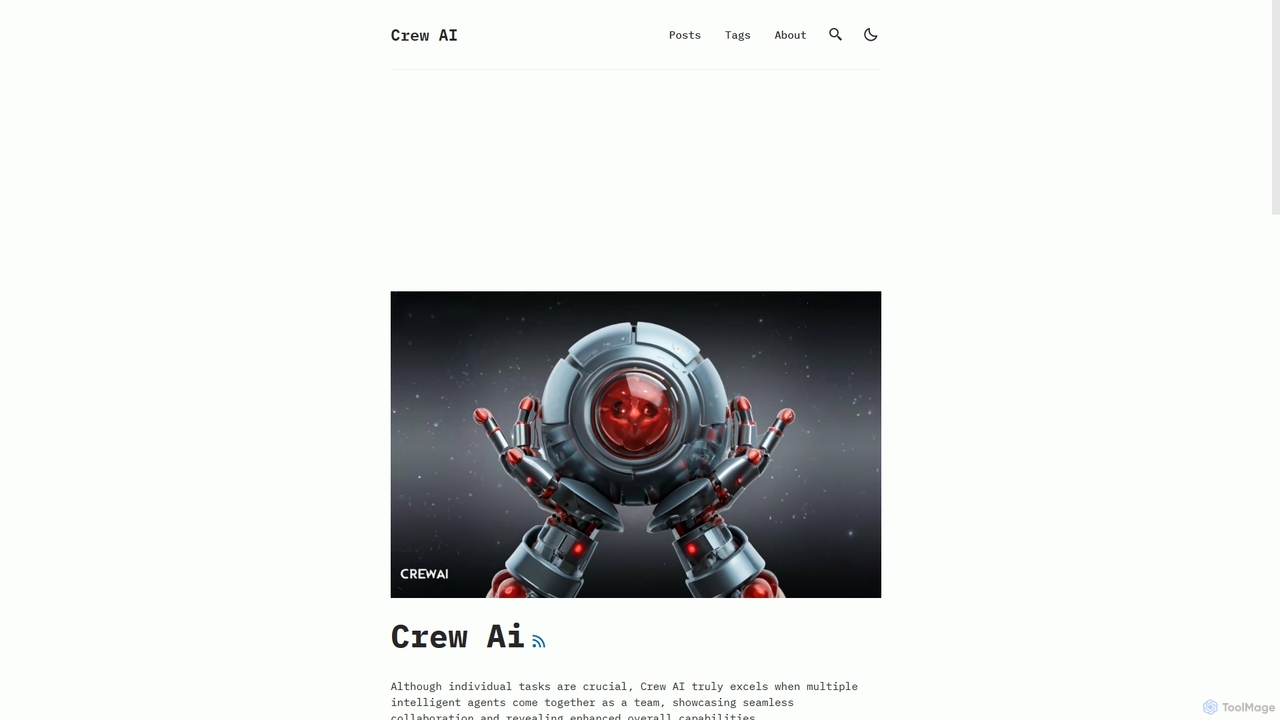
CrewAI is an advanced open-source framework for orchestrating role-playing, autonomous AI agents. By fostering collaborative intelligence, it enables agents with distinct roles and tools to work together seamlessly to solve complex tasks. This multi-agent system simplifies the development of sophisticated applications, from automated content creation to complex data analysis, by managing agent interactions, task delegation, and workflow processes.

Agent
Visits 8.1KFavorites 109Likes 102
Proception

Proception

Proception develops advanced humanoid hands, merging robotics and AI to achieve unprecedented dexterity. Their flagship product, ProHand, features human-like precision, adaptive grip, and tactile sensing. Backed by Y Combinator, Proception aims to revolutionize industries like manufacturing, healthcare, and research by enabling robots to perform complex, delicate tasks previously exclusive to humans.

Machine Learning
Visits 8.9KFavorites 130Likes 135
Devin
Paid

Devin

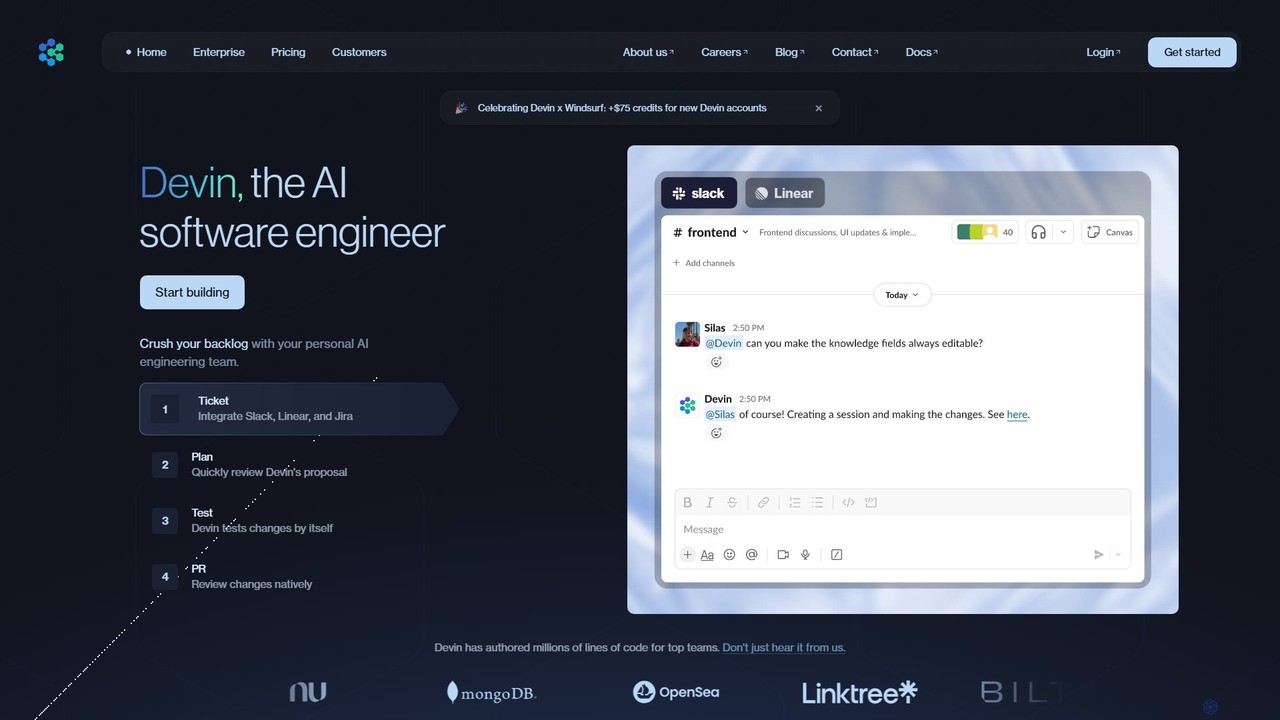
Devin is the world's first AI software engineer, designed by Cognition to autonomously handle complex engineering tasks. It can plan and execute entire software development projects, from writing code and fixing bugs to large-scale migrations, significantly boosting team productivity and reducing development costs.

Software Development
Visits 1.6MFavorites 82Likes 94
getcruise
Paid

getcruise

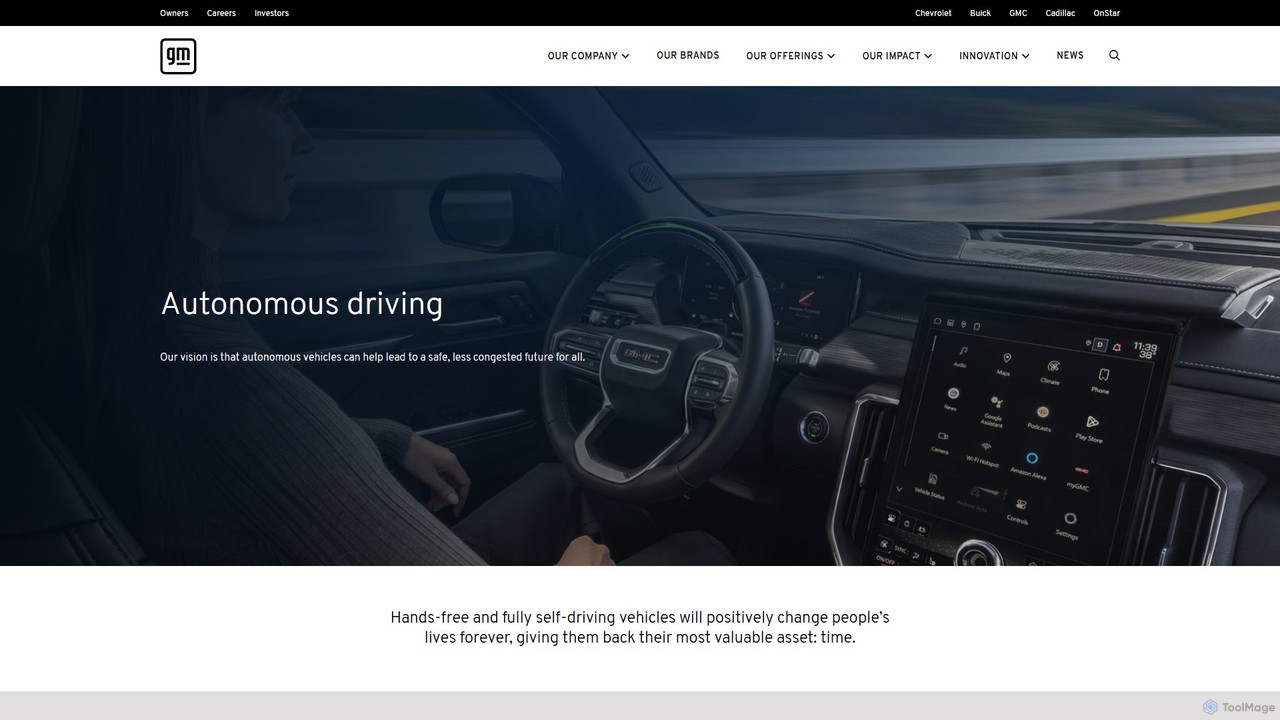
Cruise is an all-electric, self-driving car service that offers autonomous ride-hailing in select urban environments. Powered by advanced AI and a sophisticated sensor suite, Cruise aims to provide a safer, more convenient, and sustainable transportation solution, transforming urban mobility and giving people back their time.

Autonomous Vehicles
Visits 4.5MFavorites 119Likes 123
Figure
Paid

Figure

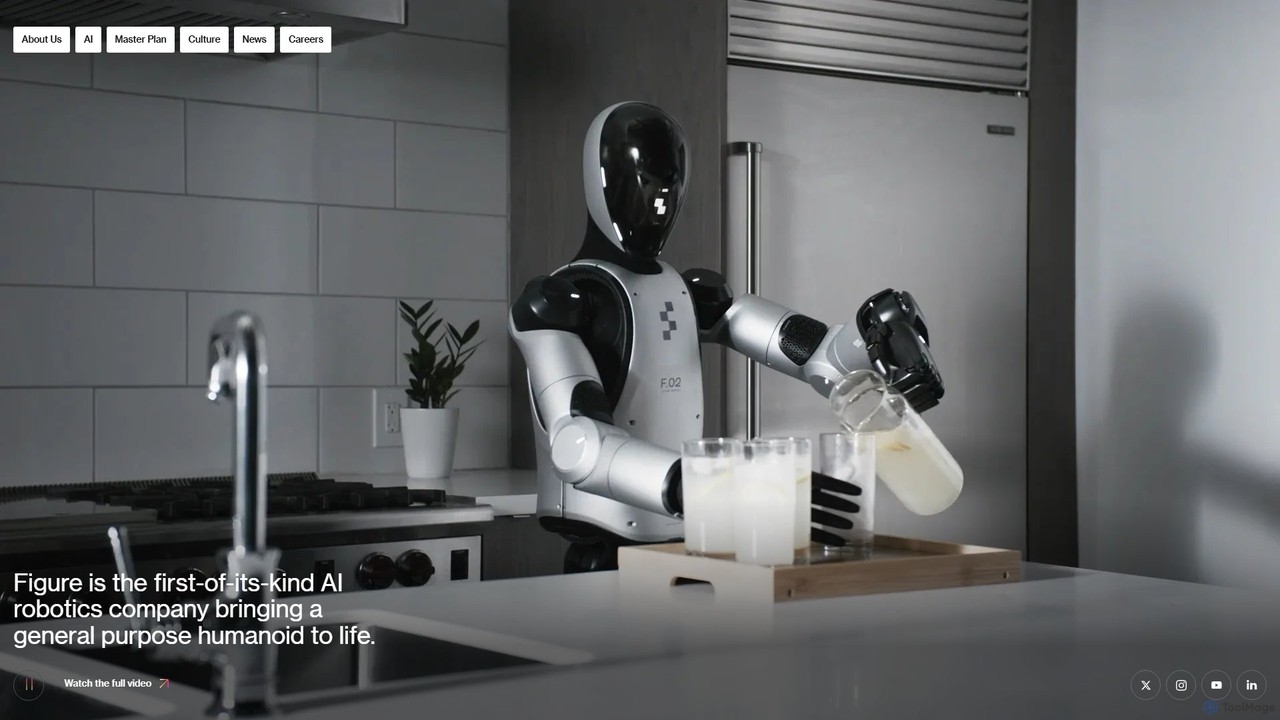
Figure is an AI robotics company developing general-purpose humanoid robots. Its flagship robot, Figure 02, is designed to work alongside humans, addressing labor shortages in manufacturing, logistics, and warehousing. By combining a human-like form with advanced AI, Figure aims to create robots that can perform a wide variety of tasks autonomously in environments built for people.

Embodied Ai
Visits 394.5KFavorites 119Likes 124
HaiSnap
Freemium

HaiSnap

HaiSnap is a revolutionary no-code AI application platform that allows anyone to create web apps, tools, and mini-games through natural language conversations. Turn your ideas into reality without writing a single line of code.

Generative Ai
Visits 38.5KFavorites 116Likes 124
Jules
Free

Jules

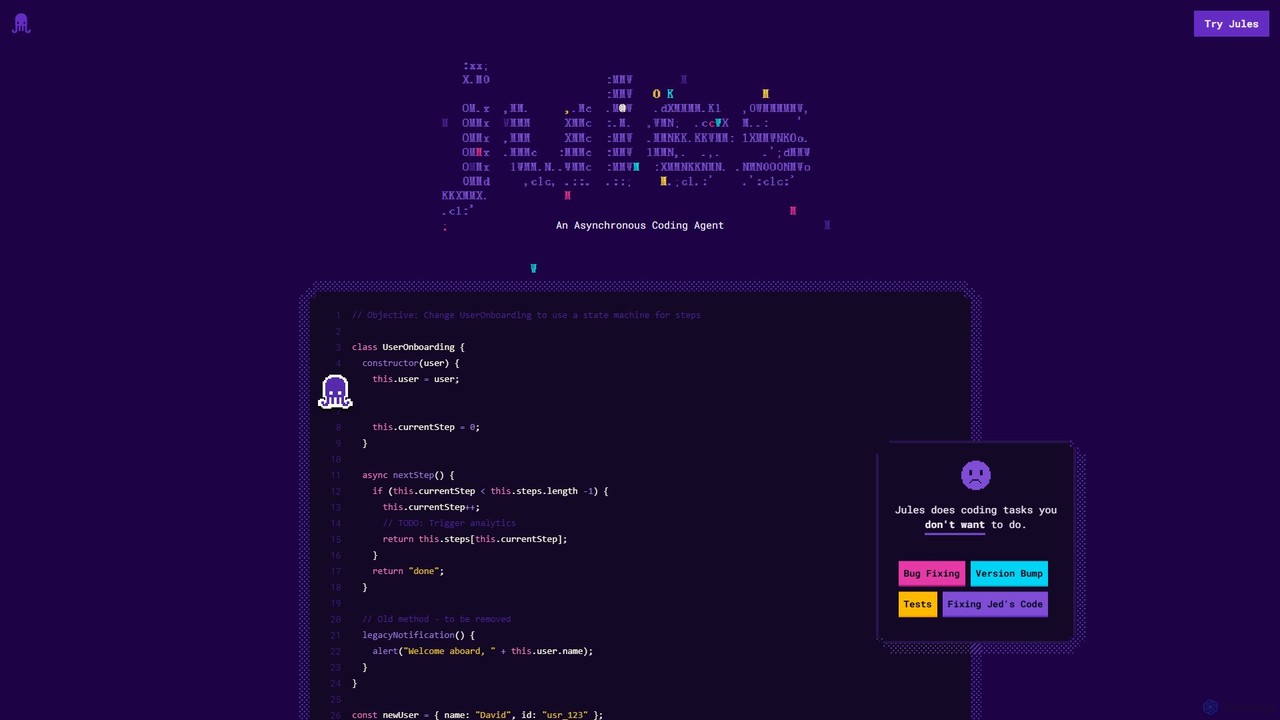
Jules is an experimental, asynchronous AI coding agent from Google. Powered by Gemini 2.5 Pro, it integrates with your GitHub repositories to help fix bugs, build new features, and refactor code. Simply provide a prompt, and Jules will create a plan, write the code, and submit a pull request for your review, streamlining your development workflow.

Code Generation
Visits 644.1KFavorites 147Likes 142
Sanctuary AI

Sanctuary AI

Sanctuary AI is a robotics and physical AI company developing Phoenix, an industrial-grade, general-purpose humanoid robot. Powered by an advanced AI control system, Phoenix is designed to address global labor shortages by performing complex, dexterous tasks in manufacturing, logistics, and automotive industries, especially those that are dull, dirty, or dangerous.

Physical Ai
Visits 40.2KFavorites 147Likes 129

About Artificial Intelligence

Artificial Intelligence (AI) refers to the simulation of human intelligence in machines that are programmed to think like humans and mimic their actions. These tools leverage advanced algorithms, machine learning, and deep learning models to process vast amounts of data, recognize patterns, and make informed decisions or predictions. AI's primary value lies in automating complex tasks, enhancing decision-making, and enabling innovative solutions across virtually every industry, driving efficiency and unlocking new capabilities.

Core Features

  • Machine Learning: Enables systems to learn from data, identify patterns, and make predictions or decisions without explicit programming.
  • Natural Language Processing (NLP): Allows computers to understand, interpret, and generate human language, facilitating communication and text analysis.
  • Computer Vision: Equips machines with the ability to "see" and interpret visual information from images and videos.
  • Predictive Analytics: Uses statistical algorithms and machine learning techniques to forecast future outcomes based on historical data.
  • Automation & Robotics: Integrates AI to perform tasks autonomously, from repetitive processes to complex physical operations.

Application Areas

Artificial Intelligence is transforming sectors such as healthcare for diagnostics and drug discovery, finance for fraud detection and algorithmic trading, and manufacturing for quality control and predictive maintenance. It also powers personalized experiences in e-commerce, enhances customer service through intelligent chatbots, and optimizes logistics in supply chains, demonstrating its pervasive impact across diverse operational landscapes.

How to Choose AI Solutions

Selecting the right AI solution involves defining the specific problem to solve, assessing the availability and quality of data, and evaluating the required level of accuracy and scalability. Consider the integration capabilities with existing systems, the total cost of ownership including development and maintenance, and the ethical implications and regulatory compliance relevant to your industry. Prioritize solutions that offer clear ROI and align with long-term strategic goals.

Featured tool rankings

Artificial Intelligence use cases

1

Automating Customer Service Inquiries

For businesses, AI-powered chatbots and virtual assistants handle routine customer questions, provide instant support, and guide users through processes 24/7. This frees human agents to focus on complex issues, significantly reducing response times and improving overall customer satisfaction by offering immediate, consistent, and personalized interactions.

2

Predictive Maintenance in Manufacturing

Manufacturers use AI to analyze sensor data from machinery, predicting potential equipment failures before they occur. By identifying subtle anomalies and patterns, AI enables proactive maintenance scheduling, minimizing costly downtime, extending asset lifespan, and optimizing operational efficiency, thereby preventing unexpected production halts and reducing repair costs.

3

Personalized Content and Product Recommendations

E-commerce platforms and media streaming services deploy AI to analyze user behavior, preferences, and historical interactions. This allows them to deliver highly personalized product suggestions, movie recommendations, or news feeds, enhancing user engagement, driving sales, and improving the overall user experience by presenting relevant and appealing options.

4

Financial Fraud Detection and Prevention

Financial institutions leverage AI algorithms to monitor vast volumes of transactions in real-time, identifying unusual patterns or anomalies indicative of fraudulent activity. AI can quickly flag suspicious transactions, reducing financial losses and protecting customers, far more effectively than manual review, by adapting to new fraud tactics as they emerge.

5

Medical Diagnostics and Drug Discovery

In healthcare, AI assists medical professionals by analyzing complex medical images (X-rays, MRIs) for early disease detection and by sifting through vast genomic and clinical data for drug discovery. This accelerates research, improves diagnostic accuracy, and helps identify potential treatments more efficiently, ultimately leading to better patient outcomes and faster therapeutic development.

6

Optimizing Supply Chain Logistics

Businesses utilize AI to forecast demand, optimize inventory levels, and streamline logistics operations. By analyzing market trends, weather patterns, and historical sales data, AI can predict future needs, recommend optimal shipping routes, and manage warehouse operations, leading to reduced costs, improved delivery times, and enhanced supply chain resilience.

Artificial Intelligence FAQ

What is Artificial Intelligence (AI)?

Artificial Intelligence (AI) is a broad field of computer science focused on creating machines that can perform tasks typically requiring human intelligence. This includes learning, problem-solving, perception, and language understanding. AI systems are designed to analyze data, identify patterns, and make decisions or predictions, often mimicking cognitive functions like reasoning and learning.

What are the main benefits of using AI?

The main benefits of AI include enhanced automation of repetitive or complex tasks, leading to significant efficiency gains and cost reductions. AI also improves decision-making through data-driven insights and predictive analytics, enables personalized experiences, and fosters innovation by solving problems in novel ways. It allows businesses to scale operations and deliver consistent quality.

How does Artificial Intelligence learn and make decisions?

AI learns primarily through machine learning, where algorithms are trained on large datasets to recognize patterns and relationships. For decision-making, AI uses these learned patterns to process new data and generate outputs or predictions. Deep learning, a subset of machine learning, uses neural networks to process complex data like images and speech, enabling more sophisticated learning and decision-making capabilities.

What are the key challenges and ethical considerations in AI?

Key challenges in AI include data privacy and security, the potential for algorithmic bias leading to unfair outcomes, and the "black box" problem where AI decisions are difficult to interpret. Ethical considerations also involve job displacement, accountability for AI errors, and the responsible development and deployment of autonomous systems. Addressing these requires careful design, regulation, and transparency.

How is AI impacting various industries today?

AI is profoundly impacting industries by transforming operations and creating new opportunities. In healthcare, it aids diagnostics and drug discovery; in finance, it enhances fraud detection and risk management; in retail, it personalizes customer experiences and optimizes supply chains. Manufacturing benefits from predictive maintenance, while transportation sees advancements in autonomous vehicles. AI is a catalyst for innovation across the board.