
ToolMage
Sign in

Best 1 Generation AI tools for Audio Editing

Popular Generation AI tools in Audio Editing include Fuser, helping you work more efficiently.

Fuser
Freemium

Fuser

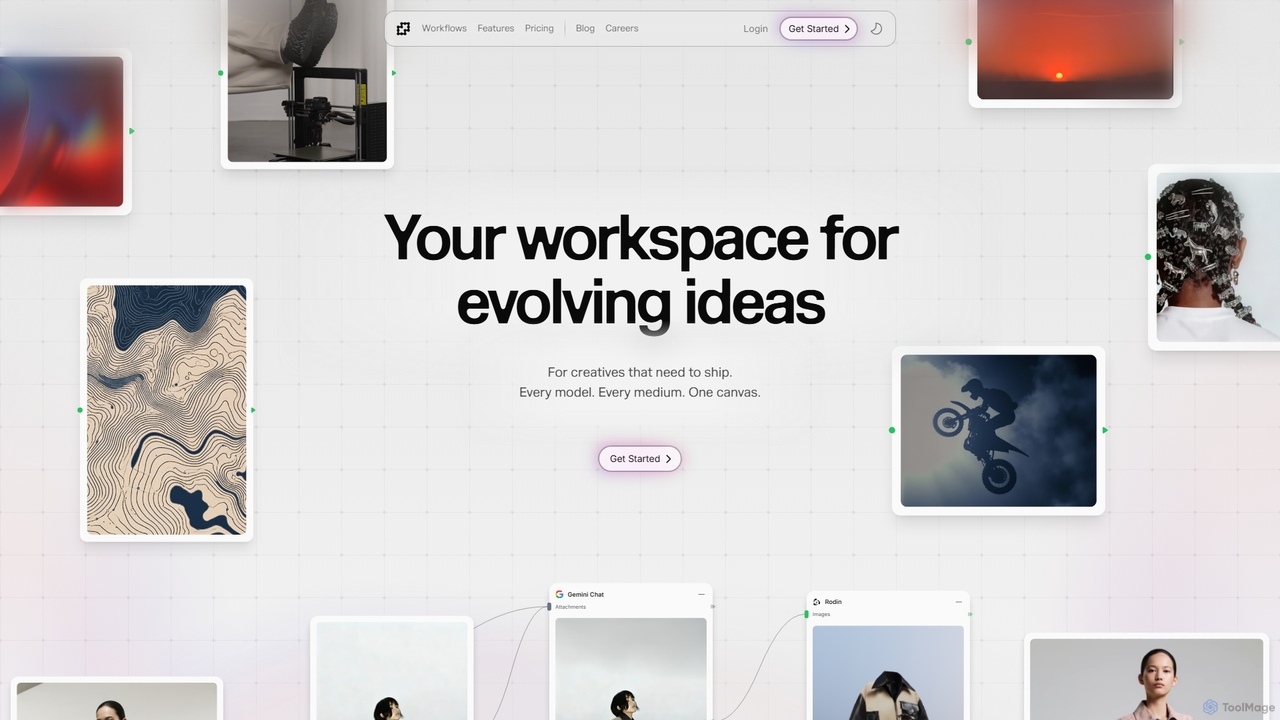
Fuser is an innovative AI workspace designed for creatives to evolve ideas across various mediums. It offers a unified canvas to integrate over 160 models and 300 LLMs, facilitating iterative design for text, images, videos, audio, and 3D. Emphasizing process over output, Fuser empowers users to build tailored workflows, manage assets, and connect API keys for seamless creative exploration and production.

Modeling
Visits 77.1KFavorites 104Likes 95

About Generation

AI Audio Generation tools are a specialized category within audio editing that create new sound content from various inputs. These tools leverage advanced AI models like generative adversarial networks (GANs) or transformers to synthesize speech, music, or sound effects. They empower creators to rapidly produce unique audio assets for diverse projects, significantly streamlining the content creation workflow within the broader field of audio production.

Core Features

  • Text-to-Speech (TTS): Converts written text into natural-sounding spoken audio in various voices and languages.
  • Music Generation: Synthesizes original musical compositions, melodies, or background tracks based on genre, mood, or instrumental prompts.
  • Sound Effect Generation: Creates custom sound effects for games, films, or multimedia from descriptive text or parameters.
  • Voice Cloning/Synthesis: Replicates or generates new speech in a specific voice profile from limited audio samples.

Use Cases

Content creators utilize AI audio generation for voiceovers in videos, podcasts, or audiobooks, saving time and resources on recording. Game developers generate unique sound effects and background music to enhance immersive experiences. Marketers create personalized audio ads or interactive voice responses for campaigns.

How to Choose

Consider the specific type of audio needed (speech, music, SFX) and the quality of output, focusing on naturalness and fidelity. Evaluate the range of customization options, available voices/instruments, and language support. Check integration capabilities with existing workflows and the pricing model, especially for commercial use and scalability.

Featured tool rankings

Generation use cases

1

Creating Voiceovers for Explainer Videos

Marketing teams generate professional voiceovers for product demos and explainer videos using text-to-speech AI. By simply inputting scripts, they ensure consistent branding and rapid production, eliminating the need to hire voice actors or manage complex recording sessions, thereby accelerating content delivery.

2

Generating Background Music for Podcasts

Podcasters input desired mood, genre, and duration into AI music generators, producing unique, royalty-free background tracks. This allows them to perfectly fit their content's tone and avoid costly licensing issues, enhancing listener engagement without extensive music production knowledge.

3

Designing Custom Sound Effects for Games

Game developers describe specific in-game sounds (e.g., "futuristic weapon reload," "magical spell cast") to AI tools, which then generate multiple variations. This facilitates rapid prototyping and implementation, allowing designers to quickly iterate on audio assets and create immersive soundscapes without extensive manual sound design.

4

Synthesizing Personalized Audio Ads

Advertisers use AI voice generation to create highly personalized audio advertisements that adapt voice tone, language, and even specific details based on listener demographics or real-time context. This increases engagement and relevance, leading to higher conversion rates compared to generic audio spots.

5

Developing Interactive Voice Response (IVR) Prompts

Businesses generate clear, consistent voice prompts for IVR systems using AI, ensuring a professional customer experience. This allows for easy updates and multilingual support without the need for re-recording by human voice talents, improving efficiency and reducing operational costs for customer service.

6

Composing Thematic Music for Film Scores

Independent filmmakers and content creators provide thematic descriptions or mood boards to AI music composers, generating unique orchestral or electronic scores. This helps them match their film's aesthetic and budget, offering a cost-effective solution for high-quality, custom soundtracks without extensive musical training or expensive composers.

Generation FAQ

What are AI Audio Generation tools?

AI Audio Generation tools are software applications that use artificial intelligence to create entirely new audio content, such as speech, music, or sound effects, from various inputs like text prompts or parameters. They are distinct from traditional audio editing tools, which primarily focus on modifying existing audio files, by emphasizing creation from scratch.

How do AI Audio Generation tools work?

These tools typically employ advanced machine learning models like deep neural networks, generative adversarial networks (GANs), or transformer models. They are trained on vast datasets of audio to learn patterns, then synthesize new audio that matches user inputs, such as text for speech, musical parameters for compositions, or descriptive prompts for sound effects.

What's the difference between AI Audio Generation and traditional Audio Editing?

AI Audio Generation focuses on creating entirely new audio content from scratch or from non-audio inputs (like text or parameters). Traditional Audio Editing, on the other hand, involves manipulating, enhancing, or combining existing audio files, such as cutting, mixing, applying effects, or mastering. Generation is about creation, while editing is about modification and refinement of pre-existing material.

Who can benefit from using AI Audio Generation tools?

Content creators, podcasters, video producers, game developers, marketers, and businesses can all significantly benefit. These tools streamline the production of voiceovers, background music, sound effects, and personalized audio content, saving time, reducing costs, and enabling rapid prototyping for various multimedia projects and customer engagement strategies.

What should I consider when choosing an AI Audio Generation tool?

When selecting a tool, evaluate the specific type of audio you need to generate (e.g., speech, music, SFX) and the quality and naturalness of the output. Consider the range of customization options, available voices/instruments, and language support. Also, assess integration with your existing workflow, the pricing structure, and licensing terms for commercial use to ensure it meets your project's requirements and budget.