AI Music tools are a specialized category of audio AI that generate original, royalty-free musical compositions. These tools leverage generative models to create melodies, harmonies, and rhythms based on user inputs like text prompts, genre selections, or mood descriptions. This enables creators and developers to quickly produce custom background music for videos, games, and podcasts without requiring musical expertise or facing copyright issues. Unlike traditional audio editors that modify existing tracks, these tools synthesize entirely new musical pieces from the ground up.
Core Features
- Text-to-Music Generation: Create music from descriptive text prompts, such as 'a calm, orchestral track for a space documentary'.
- Genre & Mood Synthesis: Generate tracks by selecting specific genres (e.g., Lo-fi, Cinematic, Pop) and moods (e.g., uplifting, mysterious).
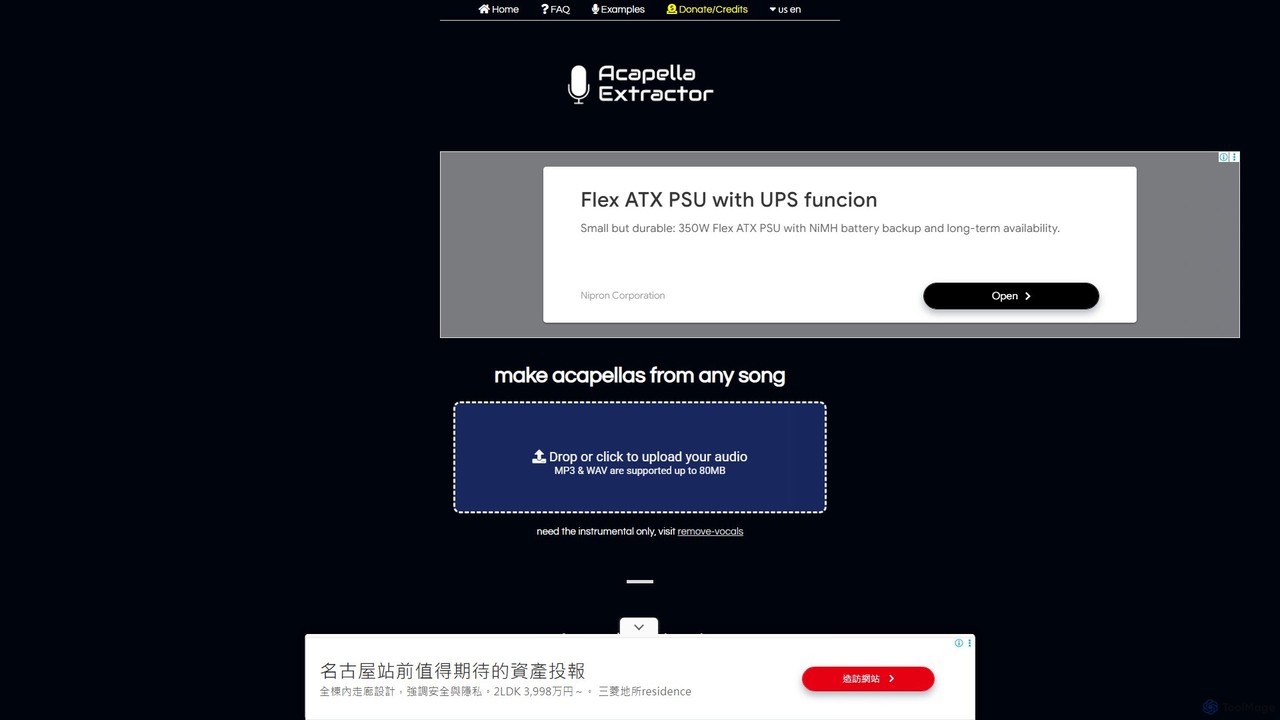
- Instrument & Stem Control: Isolate or generate individual instrument tracks like drums, bass, and piano for greater mixing flexibility.
- Composition Assistance: Suggest or complete musical phrases, chord progressions, and harmonies to aid musicians in their creative process.
- Style Transfer: Apply the stylistic characteristics of one musical piece to another melody or composition.
Use Cases
AI Music tools are widely used by content creators (YouTubers, podcasters) for custom background scores, game developers for prototyping adaptive soundtracks, and marketers for creating unique jingles. Musicians and producers also use them to overcome creative blocks and accelerate their composition workflow.
How to Choose
When selecting an AI Music tool, evaluate the output quality and stylistic variety to ensure it matches your needs. Assess the level of customization offered, such as control over tempo, key, and song structure. Critically review the licensing terms to confirm if commercial use is permitted. Finally, consider the user interface's intuitiveness, especially for non-musicians.