
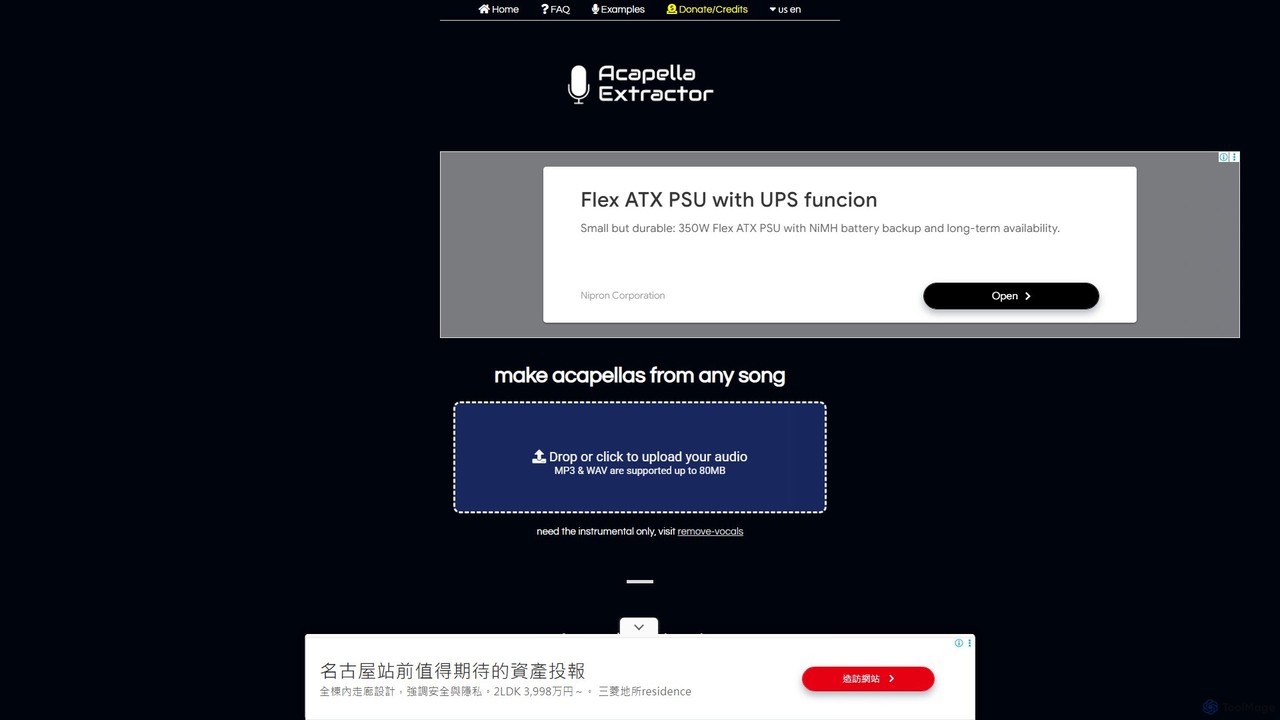
Ai Tools Best in category 1 results Source Separation AI Tool

Popular AI tools in the Source Separation field of Ai Tools include acapella_extractor, etc., helping you quickly improve efficiency.

acapella_extractor

acapella_extractor

A free, AI-powered online tool that isolates vocals from any song. Simply upload an audio file (MP3 or …

82.7K

About Source Separation

Source Separation tools are AI-powered applications designed to isolate individual sound components from a mixed audio signal. Leveraging advanced machine learning algorithms, these tools can precisely extract vocals, instruments, or specific environmental sounds, offering unprecedented control over audio content. They are invaluable for music producers, podcasters, and sound engineers seeking to refine or repurpose existing audio, significantly enhancing audio quality and creative possibilities within the broader category of AI Tools.

Core Features

  • Vocal Isolation: Accurately separates lead vocals or spoken dialogue from background music and other sounds.
  • Instrument Separation: Divides a track into individual instrument stems like drums, bass, guitar, and piano.
  • Noise Reduction: Identifies and removes unwanted background noise, hums, or static from audio recordings.
  • Speech Enhancement: Isolates and clarifies human speech, making it more intelligible in noisy environments.
  • Reverb/Echo Removal: Reduces or eliminates unwanted room acoustics and echoes from recordings.

Use Cases

Source Separation tools are widely adopted in various professional and creative fields. Music producers use them to remix tracks or create instrumental versions, while podcasters and videographers clean up dialogue from noisy recordings. Forensic audio analysts apply these tools to enhance critical speech from surveillance footage, and sound designers extract specific sound effects for new projects.

How to Choose

When selecting a Source Separation tool, consider the accuracy of its separation algorithms, especially for complex mixes. Evaluate the range of supported audio formats and the processing speed for large files. Look for intuitive user interfaces and integration capabilities with existing digital audio workstations (DAWs). Finally, assess the pricing model, whether subscription-based or one-time purchase, and the availability of customer support and regular updates.

Source SeparationUse Cases

1

Music Remixing and Production

Music producers and DJs utilize Source Separation tools to gain granular control over existing tracks. By isolating vocals, drums, bass, and other instruments, they can easily create instrumental versions, acapellas, or custom remixes. This allows for creative sampling, mashups, and the ability to modify individual elements without access to original multi-track recordings, significantly expanding their creative palette and saving hours of manual editing.

2

Podcast and Video Dialogue Cleanup

Podcasters, YouTubers, and video editors frequently encounter recordings with distracting background noise, music, or overlapping speech. Source Separation tools enable them to isolate and enhance dialogue, removing unwanted elements like traffic, air conditioning hum, or background chatter. This results in clearer, more professional-sounding audio, improving listener engagement and reducing the need for expensive re-recordings or complex manual noise reduction techniques.

3

Forensic Audio Analysis and Enhancement

Forensic audio experts use Source Separation tools to analyze compromised audio recordings, such as surveillance footage or emergency calls. Their goal is to isolate critical speech from overwhelming background noise, multiple speakers, or distorted signals. By separating these components, analysts can enhance intelligibility, identify voices, and extract crucial information that would otherwise be lost, providing vital evidence for investigations and legal proceedings.

4

Sound Design and Game Development

Sound designers and game developers leverage Source Separation to extract specific audio elements from existing recordings or sound libraries. For instance, they can isolate a unique drum beat, a particular instrument melody, or an environmental sound effect (like rain or wind) from a complex mix. This allows them to repurpose sounds, create new audio assets, and build immersive soundscapes for games, films, and multimedia projects without needing to record every element from scratch.

5

Karaoke Track Creation

Amateur and professional singers, as well as karaoke enthusiasts, use Source Separation tools to create custom karaoke tracks. By effectively removing or significantly reducing the lead vocals from a song while retaining the instrumental backing, they can generate high-quality instrumental versions. This provides a cost-effective and flexible way to obtain backing tracks for practice, performances, or personal enjoyment, without relying on commercially available karaoke versions.

6

Audio Restoration and Archiving

Archivists and audio restoration specialists employ Source Separation to salvage and improve historical or damaged audio recordings. They can isolate desired speech or music from severe crackles, hums, or other degradation, making previously unintelligible content accessible. This process is crucial for preserving cultural heritage, restoring old broadcasts, or enhancing the clarity of rare recordings, ensuring that valuable audio assets are maintained for future generations.

Source SeparationFrequently Asked Questions