Ai Tools Best in category 1 results 3D Generator AI Tool

Popular AI tools in the 3D Generator field of Ai Tools include SheliApp, etc., helping you quickly improve efficiency.

SheliApp

SheliApp

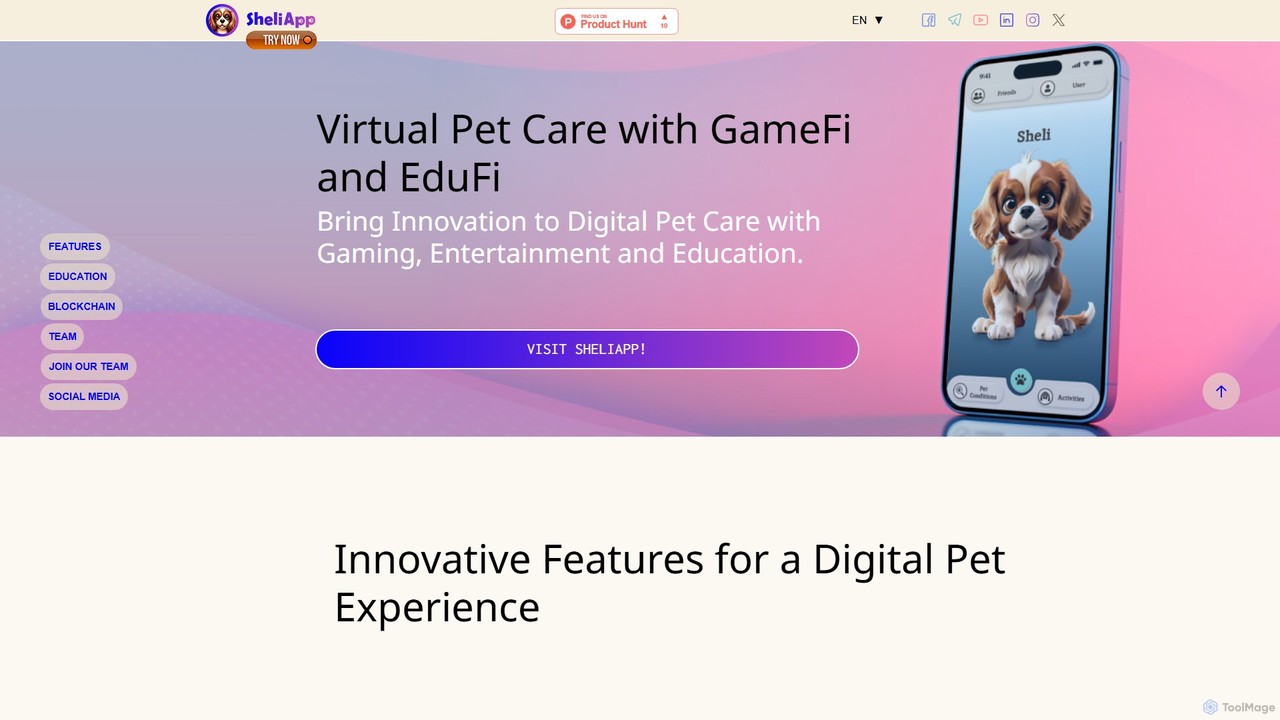
SheliApp revolutionizes pet care by merging GameFi, education, and AI. Create a 3D virtual pet from a photo, …

2.7K

About 3D Generator

AI 3D Generators are a class of tools that automatically create three-dimensional models from text descriptions, images, or videos. Leveraging advanced generative models, these tools interpret user inputs to construct complex geometries, textures, and shapes. They significantly accelerate the creation process for game assets, product prototypes, and virtual environments, enabling users without extensive 3D modeling skills to produce high-quality assets. This technology bridges the gap between 2D concepts and 3D reality, streamlining creative workflows.

Core Features

  • Text-to-3D Conversion: Generates 3D models directly from descriptive text prompts.
  • Image-to-3D Modeling: Creates a 3D object based on one or more 2D images.
  • Automatic Texturing: Applies realistic or stylized textures to the generated models based on the input.
  • Style Customization: Allows users to define the artistic style of the output, such as photorealistic, cartoon, or low-poly.
  • Format Export: Supports exporting models in standard formats like OBJ, FBX, and glTF for use in other software.

Use Cases

AI 3D Generators are widely used in game development for rapid asset creation, in product design for quick prototyping, and in architecture for conceptual visualization. They also serve content creators for building assets for AR/VR and metaverse platforms, as well as marketing professionals for creating unique 3D visuals for campaigns.

How to Choose

When selecting an AI 3D Generator, consider the quality and detail of the generated models, the variety of supported input types (text, image), and the available export formats. Also evaluate the generation speed, the user interface's ease of use, and the pricing model, whether it's based on subscriptions or per-generation credits.

3D GeneratorUse Cases

1

Rapid Prototyping for Product Design

A product designer needs to explore multiple concepts for a new ergonomic chair. Instead of spending days modeling each variation in traditional software, they use an AI 3D Generator. By inputting prompts like 'minimalist oak armchair with woven leather seat' and 'futuristic cantilever chair with chrome finish,' they generate a dozen distinct 3D concepts in under an hour. This allows the team to quickly visualize, evaluate, and iterate on designs, reducing the prototyping cycle from weeks to days.

2

Creating Unique Assets for Indie Games

An independent game developer is building a fantasy world but has a limited budget for custom 3D assets. Using an AI 3D Generator, they can create a vast library of unique props. They input descriptions like 'glowing magical potion bottle with cork stopper,' 'orcish battle axe with skull engravings,' and 'ancient stone altar with moss.' The tool produces ready-to-use models, which can be quickly imported into the game engine, ensuring a visually rich and diverse game environment without hiring a dedicated 3D artist.

3

Generating 3D Models from Real-World Objects

An e-commerce store wants to create 3D models of its products for an augmented reality (AR) 'try-on' feature. The team takes several photos of a handbag from different angles. They upload these images to an AI 3D Generator with image-to-3D capabilities. The tool processes the photos and reconstructs a detailed, textured 3D model of the handbag. This model can then be integrated into their website or app, allowing customers to view the product in their own space before purchasing.

4

Building Immersive Metaverse and VR Environments

A creator is designing a virtual art gallery in the metaverse. To populate the space, they need a variety of sculptures and decorative items. They use an AI 3D Generator to create these assets from text prompts. They generate 'abstract bronze sculpture with flowing lines,' 'crystal chandelier in a baroque style,' and 'marble pedestals of varying heights.' This process enables them to rapidly fill the virtual world with unique, high-quality content, creating a more engaging and immersive experience for visitors.

5

Visualizing Architectural Concepts

An architect is in the early stages of designing a residential building. To communicate their vision to a client, they use an AI 3D Generator to turn a 2D floor plan sketch into a basic 3D massing model. They can then refine it with prompts like 'add a modern facade with large glass windows and a green roof.' This provides a quick and effective way to visualize the building's form and style, facilitating client feedback and accelerating the decision-making process long before detailed CAD work begins.

6

Creating Custom 3D Avatars from Photos

A user wants a personalized avatar for a VR social platform. They upload a single selfie to an AI 3D Generator specializing in character creation. The AI analyzes their facial features, hairstyle, and structure to generate a stylized or realistic 3D head model. The user can then further customize the avatar's clothing and accessories. This provides a simple, accessible way for anyone to create a digital representation of themselves without any 3D modeling skills.

3D GeneratorFrequently Asked Questions