Ai Tools Best in category 2 results Aggregator AI Tool

Popular AI tools in the Aggregator field of Ai Tools include Chatworm、AiTalkTutor, etc., helping you quickly improve efficiency.

Free
AiTalkTutor

AiTalkTutor

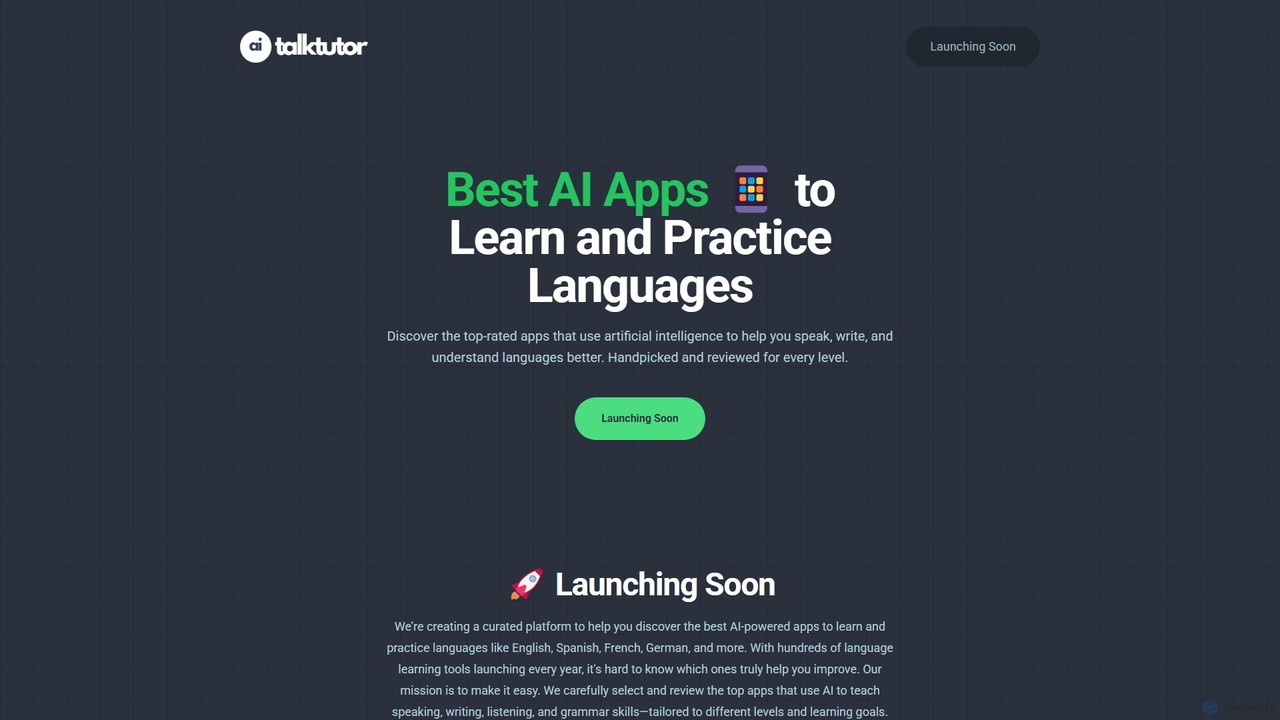
A curated discovery platform featuring expert-reviewed AI-powered applications for language learning. AiTalkTutor helps users find, compare, and choose …

2.8K
Free
Chatworm

Chatworm

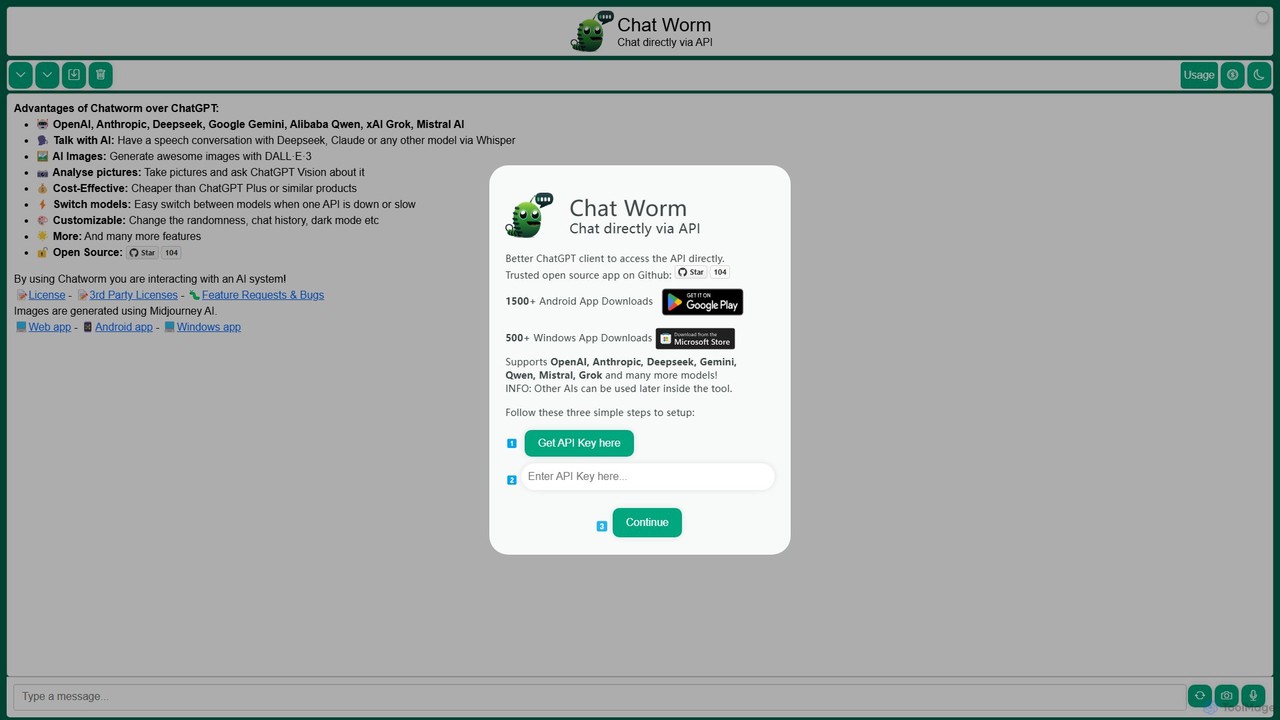
Chatworm is a versatile, open-source AI client that unifies access to multiple leading AI models like OpenAI's GPT, …

2.9K

About Aggregator

AI Aggregators are platforms that provide a unified interface to access and manage multiple AI models from different providers. They act as a central gateway, allowing users to interact with various large language models (LLMs) or specialized AI services through a single API. This approach simplifies development, optimizes costs by routing requests to the most efficient model, and enhances application reliability. By abstracting the complexity of managing multiple APIs, aggregators enable developers and businesses to leverage the best-suited AI for any task without being locked into a single ecosystem.

Core Features

  • Unified API Access: Connect to numerous AI models (like GPT, Claude, Gemini) from various providers through a single, consistent API endpoint.
  • Intelligent Model Routing: Automatically direct prompts to the optimal model based on predefined rules such as cost, speed, or performance benchmarks.
  • Centralized Management: Manage API keys, monitor usage, and analyze costs across all connected models from one consolidated dashboard.
  • Built-in Fallback & Redundancy: Enhance application reliability by automatically rerouting requests to an alternative model if the primary choice is unavailable or fails.
  • Performance Benchmarking: Compare the outputs, latency, and costs of different models for the same prompt to make data-driven decisions.

Use Cases

AI Aggregators are primarily used by software developers and tech companies building AI-powered applications. They are particularly valuable for startups seeking to minimize operational costs, enterprises aiming to avoid vendor lock-in, and product teams that need to experiment with and compare different models to find the best fit for their specific features.

How to Choose

When selecting an AI Aggregator, consider the range of supported models and how quickly new ones are integrated. Evaluate the sophistication of its routing capabilities—can you create custom logic? Assess the quality of the API documentation and SDKs for ease of integration. Finally, analyze the pricing model to understand how it aligns with your expected usage and budget.

AggregatorUse Cases

1

Build Resilient and Scalable AI Applications

A developer building a customer support chatbot uses an AI aggregator to ensure high availability. They set their primary model as GPT-4 for high-quality responses. However, they configure a fallback rule within the aggregator: if the OpenAI API experiences latency or an outage, the aggregator automatically reroutes the request to Claude 3. This ensures the chatbot remains operational 24/7, providing a seamless user experience without requiring the developer to manage multiple API integrations and complex error-handling logic in their own code.

2

Optimize AI API Expenditure for Startups

A bootstrapped startup uses an AI aggregator to control its monthly operational costs. They create routing rules that send simple, low-stakes tasks like text formatting or keyword extraction to a highly affordable open-source model. More complex, user-facing tasks requiring nuanced understanding, such as generating a detailed report, are routed to a premium model like Gemini Advanced. This tiered approach allows them to serve a high volume of requests while saving over 40% on API costs compared to using a single high-end model for everything.

3

A/B Test and Compare AI Model Outputs

A marketing agency needs to generate creative ad copy for a new campaign. Using an AI aggregator's interface, the content team inputs a single product description and prompt. The platform simultaneously sends this prompt to three different models: Llama 3, Claude 3 Opus, and GPT-4. Within seconds, they receive three distinct variations of ad copy. This allows them to compare the tone, style, and creativity of each model side-by-side, enabling them to select the most effective content without switching between multiple applications.

4

Avoid Vendor Lock-in and Future-Proof AI Strategy

An enterprise integrates an AI aggregator as the middleware for all its internal AI-powered tools. Instead of their applications calling the Google or Microsoft Azure API directly, they call the aggregator's unified API. This strategic decision gives them immense flexibility. If a new, more powerful model is released by another provider, or if their current provider significantly changes its pricing or terms, they can switch the underlying model in the aggregator's dashboard with zero changes to their application code, de-risking their long-term AI strategy.

5

Streamline Research and Model Benchmarking

An academic research team is studying the reasoning capabilities of different LLMs. They use an aggregator to programmatically send a dataset of 5,000 logic puzzles to ten different models. The aggregator's unified API simplifies the testing process, and its centralized logging captures the response, latency, and token usage for every single request. This provides the team with a clean, structured dataset for analysis, saving hundreds of hours of manual data collection and normalization.

6

Accelerate Prototyping of Multi-Modal Features

A product manager wants to quickly build a proof-of-concept for a new feature that allows users to upload an image of a meal and get its recipe and nutritional information. Using an aggregator, they can easily chain API calls. The first call goes to a vision model (like GPT-4 Vision) to identify the food items. The output of that call is then automatically fed into a powerful text model (like Claude 3) to generate a detailed recipe. This allows for rapid prototyping without deep engineering investment in orchestrating different AI services.

AggregatorFrequently Asked Questions