Yansu
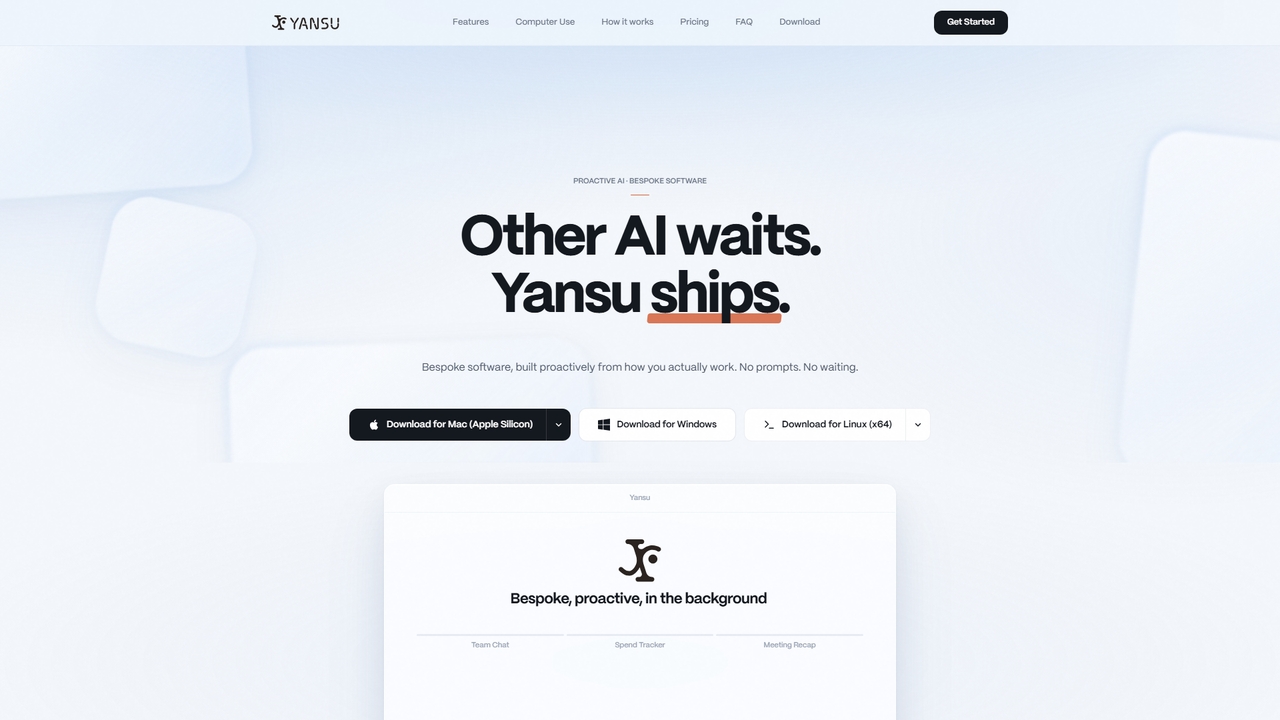
Yansu is a proactive AI application builder that observes your work habits and automatically constructs custom tools and workflows, requiring no prompts or coding. It operates quietly in the background to enhance productivity.
Ai AssistantPopular Ai Assistant in Ai Tools include SlideUpLift, n8nChat, Yansu, and Broearn, helping you work more efficiently.

Yansu is a proactive AI application builder that observes your work habits and automatically constructs custom tools and workflows, requiring no prompts or coding. It operates quietly in the background to enhance productivity.
Ai Assistant
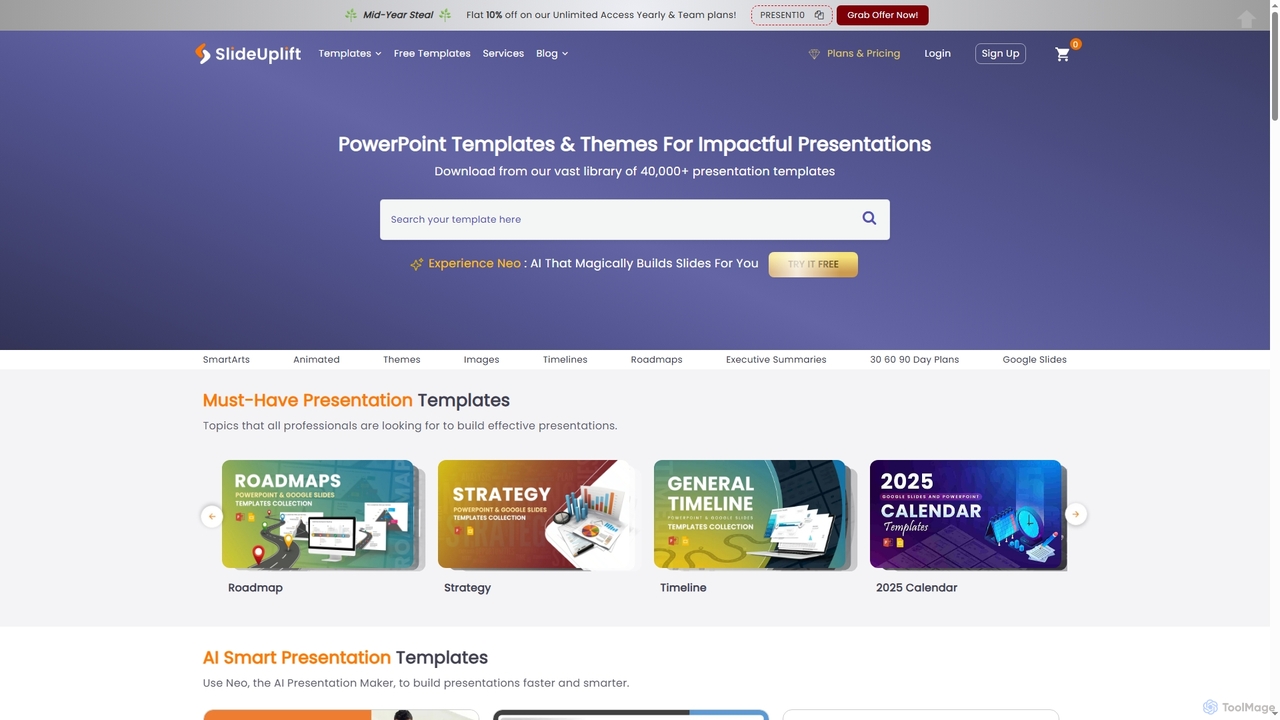
SlideUpLift is an AI-powered presentation platform offering over 40,000 professionally designed PowerPoint and Google Slides templates. It features Neo, an agentic AI assistant that helps create, edit, and repurpose presentations faster by mimicking human workflows.
Ai Assistant
Broearn is a next-generation Web3 browser that integrates a GPT-4 powered AI assistant, a secure multi-chain crypto wallet, and a unique 'Use-to-Earn' model. It offers robust privacy features, including a free built-in VPN, anti-phishing protection, and decentralized storage, providing a comprehensive and rewarding browsing experience for the modern web.
Ai Assistant
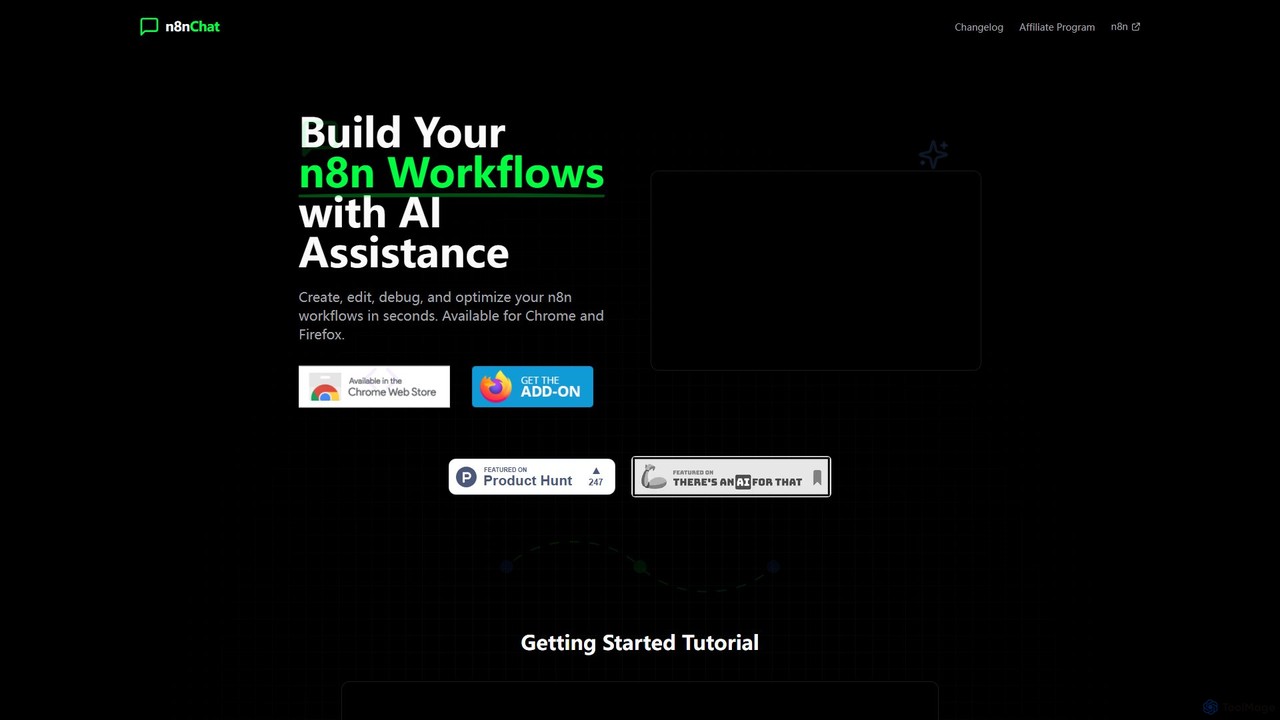
n8nChat is an AI-powered browser extension for Chrome and Firefox that accelerates n8n workflow creation. Describe your desired automation in natural language, and the AI will build, edit, debug, and optimize your workflows. It even generates custom JavaScript for Code nodes, making powerful automation accessible to everyone.
Ai AssistantAI Assistants are intelligent software agents designed to perform tasks and provide personalized support by understanding natural language commands. They leverage machine learning and natural language processing (NLP) to automate repetitive activities, manage information, and integrate with other applications. This capability allows users to streamline their daily workflows, from scheduling meetings to retrieving critical data, making them a powerful category of productivity-focused AI tools. AI Assistants act as a central hub for managing personal and professional responsibilities efficiently.
AI Assistants are widely used by busy professionals, executives, and teams to manage complex schedules and reduce administrative overhead. For instance, a project manager can use an assistant to coordinate team meetings and track deadlines across multiple platforms. Freelancers and entrepreneurs leverage them to manage client communications and organize their daily to-do lists from a single, centralized interface.
When selecting an AI Assistant, consider its integration capabilities—ensure it connects with the apps you use daily. Evaluate the level of automation and proactivity to see if it matches your workflow needs. Platform availability (desktop, mobile, web) is crucial for accessibility. Finally, carefully review the privacy policy and data security measures to ensure your information is protected.
For executives and sales professionals who manage a packed schedule, an AI Assistant can automate the entire meeting lifecycle. Instead of manually finding available slots and sending invites, a user can simply instruct the assistant, 'Schedule a 30-minute call with Jane Doe next week.' The AI then checks both parties' calendars, proposes available times, sends the invitation, and adds the confirmed event to the calendar. It can also automatically generate meeting agendas from notes and send reminders, saving hours of administrative work each week.
For internal teams, an AI Assistant integrated with company knowledge bases (like Confluence, Notion, or Google Drive) acts as an instant information resource. A new employee can ask, 'What is our policy on remote work?' or a developer can query, 'Where is the API documentation for the payment module?' The assistant searches through all connected documents and provides a direct, concise answer with a link to the source. This eliminates the need to manually search through folders or disturb colleagues, improving team efficiency and knowledge sharing.
A content creator or freelancer can start their day with a personalized briefing from their AI Assistant. The assistant can summarize the day's calendar events, flag urgent emails from key clients, list top-priority tasks from their project management tool, and even provide a summary of relevant industry news. By consolidating critical information from multiple sources into a single, digestible summary, the assistant helps the user focus on what truly matters, set clear priorities for the day, and avoid feeling overwhelmed by information overload.
For managers or customer support leads who receive a high volume of emails, an AI Assistant can act as a first line of defense. It can automatically sort incoming emails into categories like 'Urgent,' 'Requires Action,' or 'FYI.' For common inquiries, the assistant can draft a response based on historical data or templates, which the user can then quickly review and send. This process significantly reduces the time spent on email management, allowing professionals to focus on more complex and strategic communication tasks.
A market researcher or academic can use an AI Assistant to accelerate their research process. They can ask complex questions like, 'Summarize the latest trends in renewable energy from the last quarter, citing key reports.' The assistant can search across web articles, academic papers, and internal databases, then synthesize the findings into a coherent summary with sources. This transforms a multi-hour research task into a matter of minutes, allowing the user to focus on analysis and insight generation rather than data collection.
For personal use, an AI Assistant can simplify complex life-admin tasks. A user planning a vacation can ask, 'Find me flights to Tokyo and a hotel near Shibuya for the first week of May within a $2000 budget.' The assistant can browse travel sites, compare options, and present the best choices. Similarly, it can connect to financial apps to answer questions like, 'How much did I spend on groceries last month?' or 'Categorize my recent transactions.' This centralizes control over personal logistics and finances, making them easier to manage.
An AI Assistant is a software program that uses artificial intelligence, particularly natural language processing (NLP), to understand and respond to user requests. Unlike single-purpose AI tools, an assistant is designed to perform a wide range of tasks, such as managing schedules, retrieving information, and controlling other applications. They act as a proactive and personalized partner to help users manage their daily personal and professional activities more efficiently.
The primary difference lies in their scope and function. An AI Chatbot is primarily designed for conversation, answering questions, and providing information within a specific domain (e.g., customer service). An AI Assistant has a broader role: it not only converses but also performs actions and automates tasks across multiple applications. Assistants are deeply integrated into a user's digital ecosystem (calendar, email, etc.) to provide proactive and context-aware support, whereas chatbots are typically more reactive and task-specific.
When choosing an AI Assistant, consider the following key features:
A wide range of users can benefit from an AI Assistant. This includes busy professionals and executives looking to offload administrative tasks, project managers coordinating teams and deadlines, and sales teams automating meeting scheduling. Entrepreneurs and freelancers use them to manage multiple aspects of their business from a single interface. Even for personal use, individuals can streamline tasks like travel planning, managing finances, and organizing daily schedules to improve overall productivity.
Reputable AI Assistants prioritize data privacy and security through several measures. They typically use end-to-end encryption to protect data both in transit and at rest. Clear privacy policies should outline exactly what data is collected and how it is used, often giving users granular control over their information. For enterprise clients, many providers offer additional security features, such as compliance with industry standards (like GDPR and SOC 2) and options for data residency to ensure data is stored in a specific geographic location.