ToolMage
Sign in

Best 3 Ai Chatbots AI tools for Ai Tools

Popular Ai Chatbots AI tools in Ai Tools include Talkpal, TutorLily, and LingoTheory, helping you work more efficiently.

LingoTheory
Free

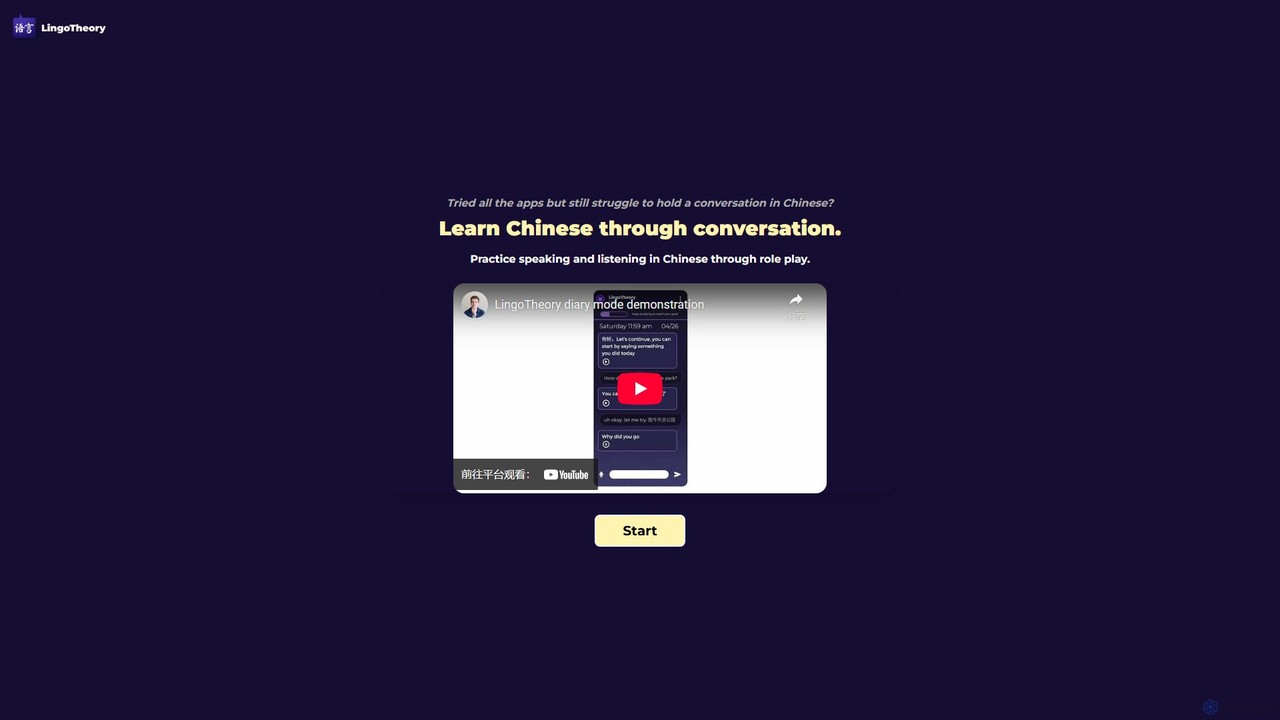
LingoTheory

An AI-powered language learning platform designed to help users master Mandarin Chinese through immersive, real-world conversations. Practice speaking, listening, and reading by role-playing with an AI tutor who provides instant feedback and adapts to your level.

Ai Chatbots
Visits 5KFavorites 126Likes 117
Talkpal
Freemium

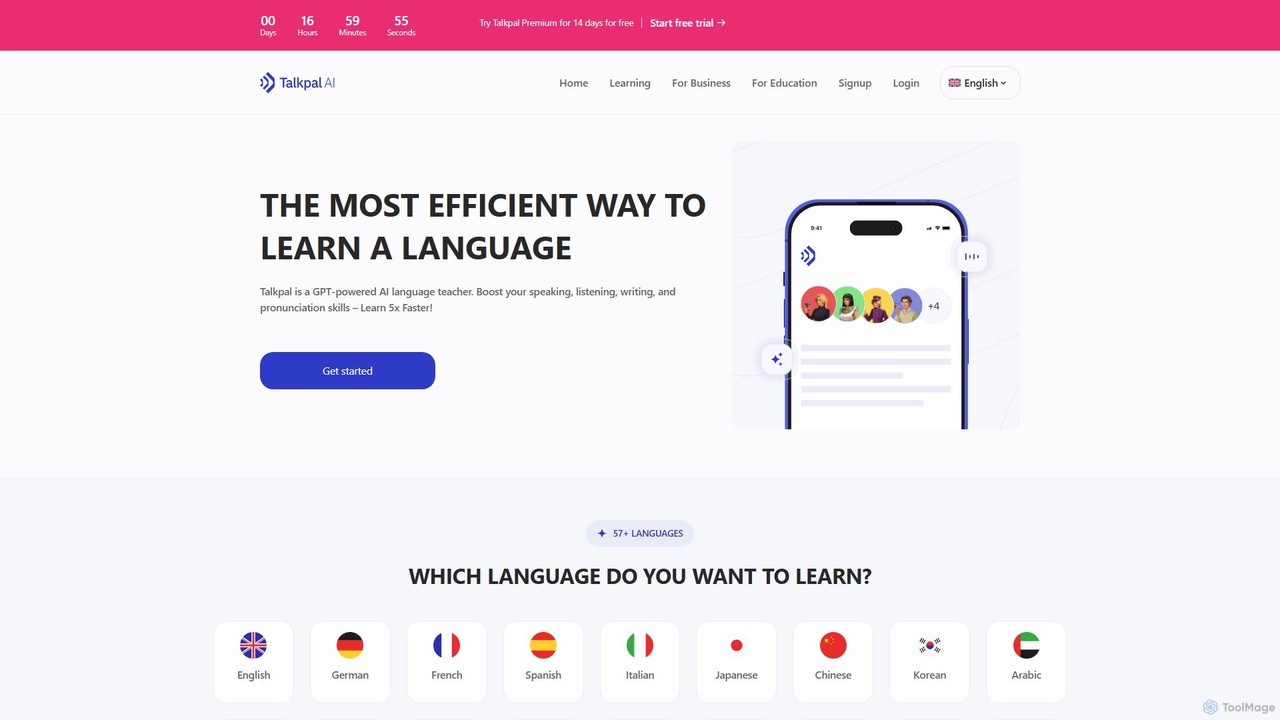
Talkpal

Talkpal is a GPT-powered AI language tutor designed to accelerate fluency. It offers an immersive learning experience through interactive conversations, roleplays, and real-time feedback. Supporting over 57 languages, Talkpal helps users improve speaking, listening, writing, and pronunciation skills up to 5x faster. Personalized learning paths and various practice modes make it suitable for learners of all levels, from beginners to advanced students.

Ai Chatbots
Visits 1.5MFavorites 132Likes 131
TutorLily
Freemium

TutorLily

TutorLily is an AI-powered language tutor designed to help you master new languages through realistic, interactive conversations. It provides instant feedback on your pronunciation, grammar, and vocabulary, creating a personalized and pressure-free learning environment available 24/7.

Ai Chatbots
Visits 7.3KFavorites 128Likes 133

About Ai Chatbots

AI Chatbots are conversational AI programs designed to simulate human-like interactions with users via text or voice. They leverage Natural Language Processing (NLP) and machine learning to understand user intent, process requests, and provide relevant responses in real-time. These tools are widely used to automate customer support, generate leads, and provide instant information, enhancing user engagement and operational efficiency. Unlike simple rule-based bots, AI chatbots can handle complex queries, learn from conversations, and personalize interactions.

Core Features

  • Natural Language Processing (NLP): Understands and interprets human language, including slang, typos, and complex sentence structures.
  • Intent Recognition: Identifies the user's goal or purpose behind a query to provide accurate answers or actions.
  • 24/7 Automated Support: Provides instant, round-the-clock responses to user inquiries without human intervention.
  • Multi-channel Integration: Deploys across various platforms like websites, mobile apps, and social media messengers.
  • Conversation Analytics: Gathers data on user interactions to provide insights into customer behavior and bot performance.

Applicable Scenarios

AI Chatbots are valuable across numerous industries. In e-commerce, they act as virtual shopping assistants, guiding users through product selection and checkout. For SaaS companies, they handle initial technical support queries and onboard new users. In healthcare, they can schedule appointments and answer common patient questions, freeing up administrative staff.

How to Choose

When choosing an AI Chatbot, first assess its NLP capabilities and language support to ensure it can understand your target audience. Evaluate its integration options with your existing CRM, helpdesk, or marketing platforms. Consider the ease of use of its bot-builder and the level of customization available. Finally, analyze the pricing model, whether it's based on conversations, active users, or a flat fee, to align with your budget and expected usage.

Ai Chatbots use cases

1

Automate Customer Support FAQs

A SaaS company's support team uses an AI chatbot on their website and in-app help center. The chatbot is trained on their knowledge base to instantly answer common questions about pricing, features, and account management. When a user asks a question, the NLP model identifies the intent and provides a precise answer or a link to a relevant guide. This reduces repetitive inquiries, allowing human agents to focus on complex, high-priority tickets and improving overall customer satisfaction by providing immediate 24/7 support.

2

Qualify Leads for Sales Teams

A real estate agency embeds an AI chatbot on its property listing pages. When a visitor shows interest, the chatbot initiates a conversation, asking qualifying questions about their budget, desired location, and timeline. Based on the responses, it identifies high-intent leads and automatically schedules a viewing with an available agent. This process filters out unqualified inquiries, ensuring the sales team spends their time on promising prospects, which significantly shortens the sales cycle and increases conversion rates.

3

Provide E-commerce Product Recommendations

An online fashion retailer uses an AI chatbot as a personal shopping assistant. The chatbot asks customers about their style preferences, the occasion they're shopping for, and their price range. Using this information, it searches the product catalog and presents a curated selection of items. It can also suggest complementary products, like shoes or accessories, to complete an outfit. This personalized experience helps customers discover products they love, leading to higher average order values and increased customer loyalty.

4

Automate Internal IT Helpdesk Support

A large corporation deploys an AI chatbot on its internal communication platform like Slack or Microsoft Teams. Employees can interact with the chatbot to resolve common IT issues, such as resetting passwords, requesting software access, or troubleshooting network problems. The chatbot guides them through step-by-step solutions or automatically creates a support ticket with the necessary details if the issue is complex. This frees up the IT helpdesk team from handling routine tasks, reduces resolution times, and allows employees to get help instantly without waiting.

5

Enable 24/7 Appointment Scheduling

A local health clinic uses an AI chatbot on its website and Facebook page to manage appointments. Patients can interact with the bot anytime to book a new appointment, reschedule an existing one, or cancel. The chatbot checks the doctors' real-time availability, offers available slots, and confirms the booking instantly. It also sends automated reminders before the appointment. This provides convenience for patients and significantly reduces the administrative workload on the front desk staff, minimizing no-shows and booking errors.

6

Deliver Interactive User Onboarding

A mobile app developer uses an in-app AI chatbot to guide new users through the application's key features. Instead of a static tutorial, the chatbot engages users in a conversation, asking what they want to achieve and then showing them how to do it step-by-step. This interactive onboarding process feels more personal and is more effective at teaching users how to get value from the app. As a result, it improves user activation rates and long-term retention by ensuring a smooth and helpful first-time experience.

Ai Chatbots FAQ

What is an AI Chatbot?

An AI Chatbot is a software application that uses artificial intelligence, particularly Natural Language Processing (NLP), to conduct human-like conversations. Unlike simple rule-based bots that follow predefined scripts, AI chatbots can understand user intent, handle complex queries, and learn from interactions to improve their responses over time. They are commonly used for automating customer service, generating sales leads, and providing 24/7 information access on websites and messaging platforms.

How to choose the right AI Chatbot for my business?

To choose the right AI Chatbot, consider these key factors:

  • NLP Quality: Assess its ability to understand context, slang, and typos in your target languages.
  • Integration Capabilities: Ensure it can connect with your essential tools like CRM, helpdesk software, and e-commerce platforms.
  • Ease of Use: Look for a user-friendly interface or a no-code builder if your team lacks technical expertise.
  • Customization and Scalability: Check if you can customize the bot's personality and if the platform can handle your expected conversation volume as you grow.
  • Analytics: The tool should provide detailed reports on conversation metrics and user satisfaction to measure performance.
What's the difference between an AI Chatbot and a rule-based chatbot?

The main difference lies in their intelligence and flexibility. A rule-based chatbot follows a fixed, decision-tree-like script. It can only respond to specific commands or keywords it's programmed to recognize, and it fails when the user's input deviates from the script. In contrast, an AI Chatbot uses Natural Language Processing (NLP) to understand the meaning and intent behind a user's words, allowing it to handle a wide variety of phrasing and complex questions. AI chatbots can also learn from past conversations to become more accurate and helpful over time.

What are the key functions of an AI Chatbot?

AI Chatbots perform several key functions to enhance user engagement and automate tasks. Their primary functions include:

  • Answering Questions: Providing instant, 24/7 responses to frequently asked questions.
  • Lead Generation: Engaging website visitors, asking qualifying questions, and collecting contact information for sales teams.
  • Task Automation: Performing actions like booking appointments, tracking orders, or processing returns without human intervention.
  • Personalization: Delivering tailored content, product recommendations, and support based on user data and behavior.
  • Data Collection: Gathering valuable insights into customer needs, pain points, and feedback through conversations.
Who can benefit from using AI Chatbots?

A wide range of roles and industries can benefit from AI Chatbots. Customer Support Teams use them to reduce ticket volume and provide instant answers. Marketing and Sales Teams leverage them to capture and qualify leads 24/7. E-commerce Managers deploy them to act as personal shopping assistants, increasing sales. HR Departments can automate responses to common employee questions about policies or benefits. Essentially, any business or organization that wants to improve user engagement, automate repetitive communication, and operate more efficiently can find value in an AI Chatbot.