Audio Editing Best in category 3 results Transcription AI Tool

Popular AI tools in the Transcription field of Audio Editing include Soundwise、Turbo Transcription、Podmod, etc., helping you quickly improve efficiency.

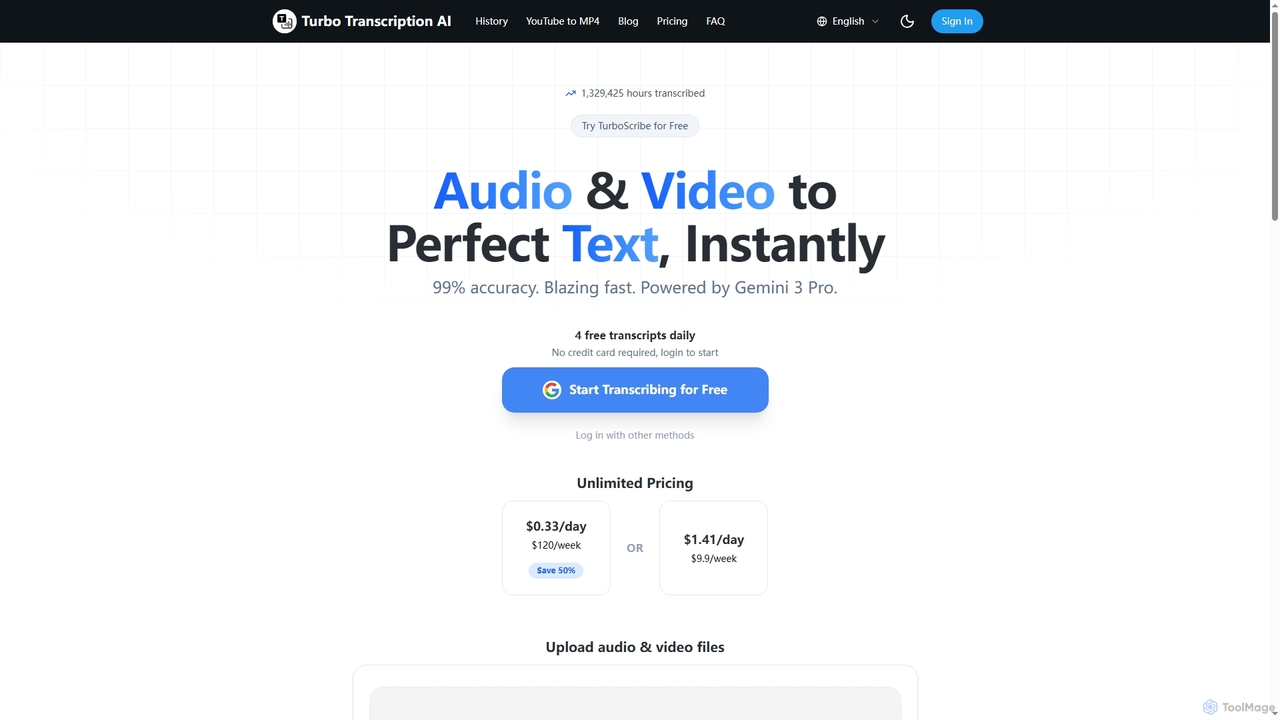
Turbo Transcription

Turbo Transcription

Turbo Transcription is an AI-powered service that rapidly converts audio and video files into highly accurate text. Leveraging …

3.3K
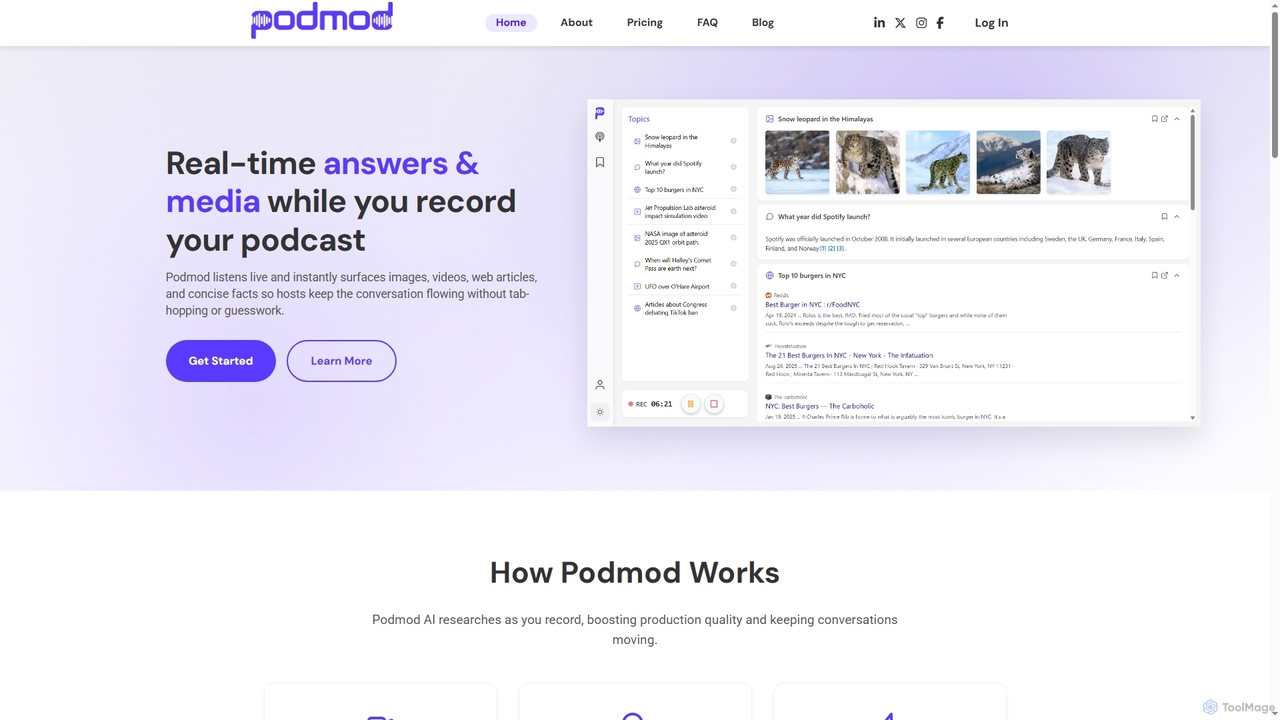
Podmod

Podmod

Podmod is an AI-powered podcast assistant that provides real-time research, fact-checking, and content retrieval during live recording sessions. …

3.0K
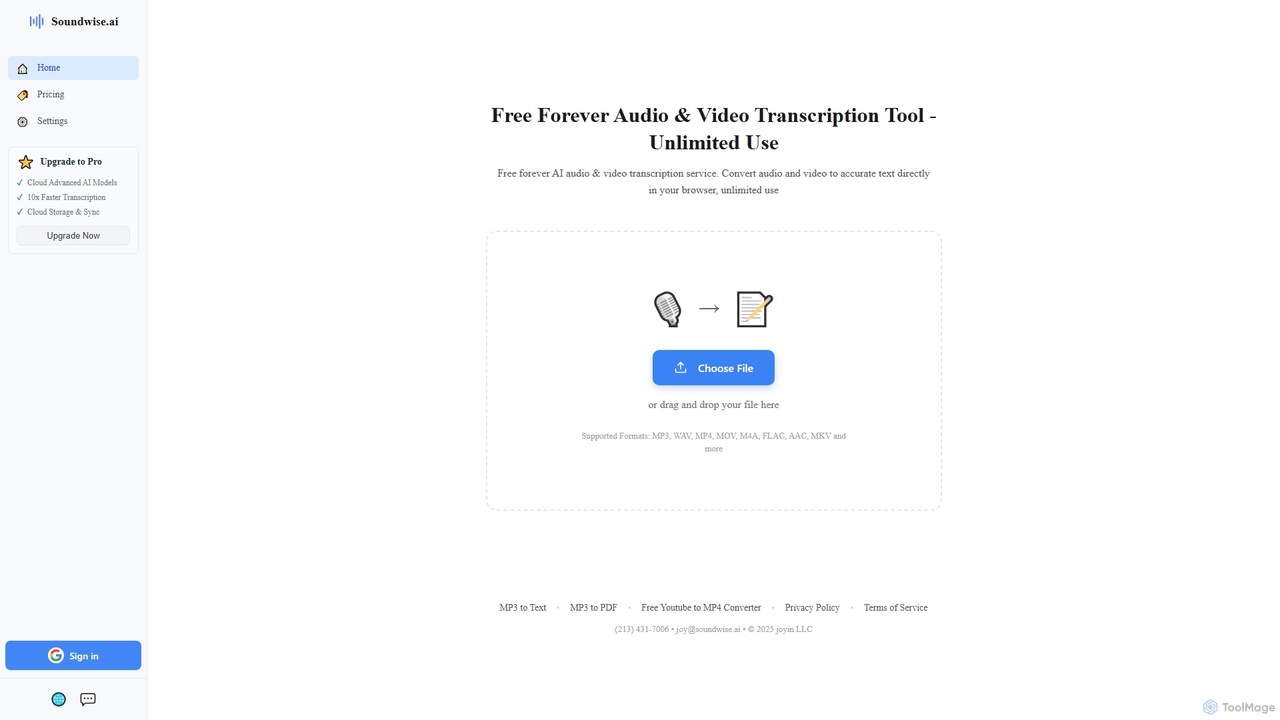
Soundwise

Soundwise

Soundwise is a free-forever AI-powered online tool designed for unlimited audio and video transcription. It accurately converts various …

171.5K

About Transcription

AI Transcription tools are a specialized category of AI-powered software designed to convert spoken language from audio or video recordings into written text. These tools leverage advanced speech-to-text (STT) technology, often powered by deep learning models, to accurately recognize and transcribe human speech. They provide immense value by transforming ephemeral spoken content into searchable, editable, and shareable documents, significantly streamlining workflows in various professional and personal contexts.

Core Features

  • High Accuracy: Utilizes AI to achieve high transcription accuracy, even with varying audio quality and accents.
  • Speaker Identification: Automatically distinguishes and labels different speakers in a conversation.
  • Timestamping: Adds precise time markers to transcribed text, linking it back to the original audio/video.
  • Multi-language Support: Offers transcription capabilities for a wide range of languages and dialects.
  • Custom Vocabulary: Allows users to add industry-specific terms or proper nouns to improve accuracy for specialized content.

Applicable Scenarios

Transcription tools are indispensable for professionals who regularly work with spoken content. Journalists use them to quickly transcribe interviews, researchers for analyzing focus group discussions, and content creators for generating accurate subtitles. They are also vital for legal and medical fields requiring precise documentation of verbal exchanges.

How to Choose

When selecting an AI transcription tool, prioritize accuracy, especially for your specific audio types and accents. Consider the range of supported languages and export formats (e.g., SRT, VTT, DOCX). Evaluate features like speaker diarization and custom vocabulary. Finally, compare pricing models, integration capabilities with your existing workflows, and data security measures to ensure it meets your operational needs.

TranscriptionUse Cases

1

Summarize Meetings and Conferences

Business professionals and project managers can utilize AI transcription tools to convert recorded meetings, webinars, and conference calls into searchable text. This allows for quick identification of key decisions, action items, and speaker contributions, eliminating the need for manual note-taking. The result is improved team productivity, accurate historical records, and easy sharing of meeting outcomes, ensuring no critical information is missed.

2

Transcribe Interviews for Journalism and Research

Journalists, academic researchers, and students frequently conduct interviews, focus groups, or record lectures. AI transcription tools provide a fast and accurate way to convert these audio recordings into text, making it easier to analyze qualitative data, extract quotes, and prepare reports. This significantly reduces the time spent on manual transcription, allowing more focus on content analysis and writing, while ensuring the integrity of the original spoken word.

3

Generate Subtitles and Captions for Video Content

Video creators, podcasters, and marketers can use AI transcription to automatically generate accurate subtitles and captions for their video and audio content. This not only improves accessibility for hearing-impaired audiences but also enhances SEO by making content searchable for search engines. By automating this process, creators save significant time and resources, allowing them to reach a wider audience and improve engagement across platforms.

4

Document Legal and Medical Proceedings

Legal professionals and medical practitioners require highly accurate and confidential documentation of verbal exchanges. AI transcription tools can transcribe court proceedings, depositions, client consultations, and patient dictations with speed and precision. This ensures that critical details are captured verbatim, reducing the risk of human error and maintaining compliance with strict regulatory standards. The ability to quickly convert spoken records into text is invaluable for record-keeping and case preparation.

5

Enhance Accessibility for Educational Content

Educators and students can leverage AI transcription tools to make lectures, seminars, and educational videos more accessible. By converting spoken content into text, students with hearing impairments or those who prefer reading can easily follow along. This also aids in note-taking, content review, and creating study materials. The efficiency of AI transcription ensures that educational institutions can quickly provide inclusive learning environments without extensive manual effort.

6

Analyze Customer Service Calls and Feedback

Customer service managers and quality assurance teams can utilize AI transcription to convert recorded customer calls, voicemails, and feedback sessions into text. This allows for in-depth analysis of customer sentiment, identification of common issues, and evaluation of agent performance. By having text-based records, businesses can gain actionable insights to improve service quality, refine training programs, and enhance overall customer satisfaction, leading to better operational efficiency.

TranscriptionFrequently Asked Questions