
ToolMage
Sign in

Best 1 Fashion AI tools for Avatar

Popular Fashion AI tools in Avatar include vivago.ai, helping you work more efficiently.

vivago.ai
Freemium

vivago.ai

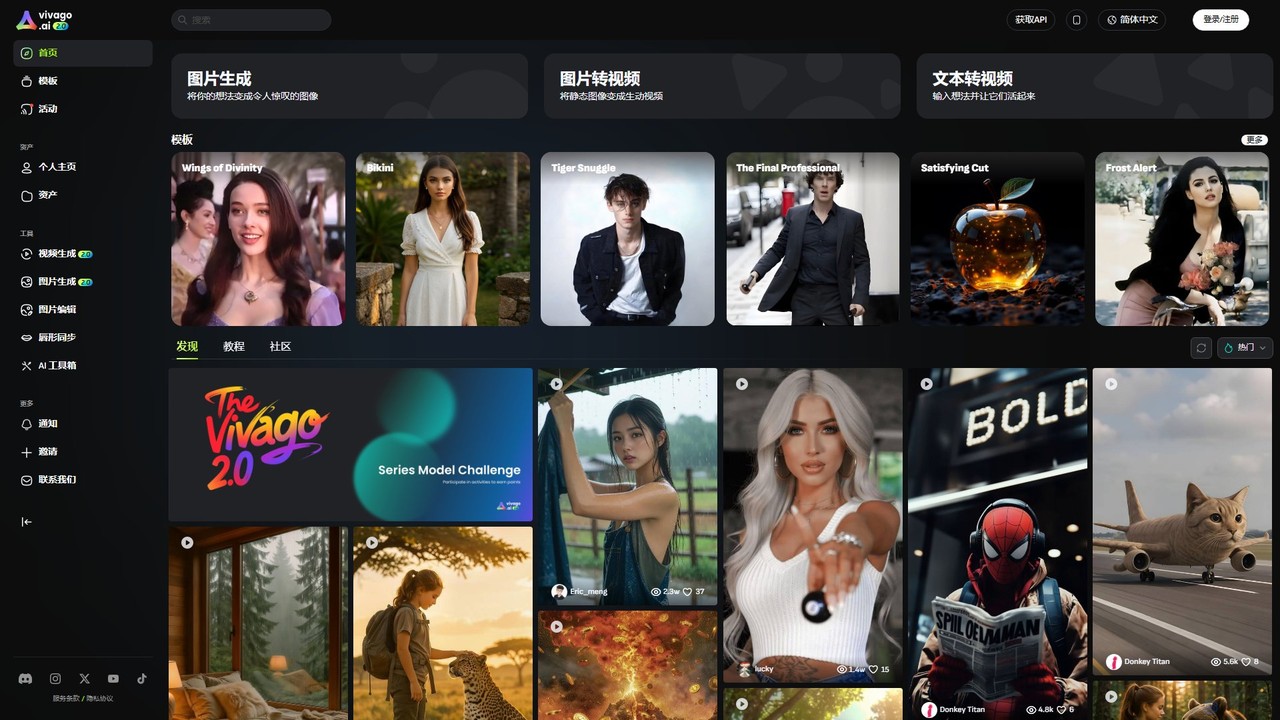
vivago.ai is a comprehensive AI creative suite for generating and editing stunning images and videos. It transforms text prompts or static images into dynamic 4K videos, offers advanced editing tools like smart erasing and repainting, and includes unique features like AI Try-on and 3D generation.

Fashion
Visits 546.1KFavorites 154Likes 147

About Fashion

Fashion AI tools for avatars are specialized platforms that leverage artificial intelligence to design, generate, and visualize clothing and accessories for digital characters. These tools utilize advanced algorithms for 3D garment creation, texture mapping, and virtual try-on, enabling unprecedented creativity in the digital realm. They empower designers, brands, and individual users to explore virtual fashion collections and personalize avatar appearances within metaverse environments and games.

Core Features

  • AI-Powered Garment Generation: Automatically creates unique clothing designs tailored for specific avatar body types and styles.
  • Realistic Fabric Simulation: Simulates how different digital fabrics drape, move, and react to light on avatars.
  • Virtual Try-On for Avatars: Allows users to visualize how garments look on their digital avatars in real-time.
  • Styling and Accessorizing Suggestions: Provides AI-driven recommendations for outfits and accessories to complement avatar aesthetics.
  • 3D Model Integration: Seamlessly imports and exports digital fashion assets for use across various 3D platforms and games.

Use Cases

These tools are invaluable for virtual fashion designers crafting digital collections, game developers creating unique character costumes, and brands exploring digital twins of their physical lines. They also serve content creators looking to style their avatars for social media or virtual events.

How to Choose

When selecting AI Fashion tools for avatars, consider their compatibility with your target metaverse or game platforms, the realism of their fabric and texture simulations, and the breadth of their design customization options. Evaluate the ease of integrating generated assets into your existing 3D workflows and the availability of pre-built digital fashion libraries. User-friendliness and the ability to iterate designs quickly are also crucial factors.

Fashion use cases

1

Designing Virtual Fashion Collections

Virtual fashion designers use AI tools to rapidly generate diverse clothing lines for digital avatars, experimenting with styles, patterns, and materials for metaverse marketplaces or NFT collections. This accelerates the creative process, allowing for quick iteration and visualization of entire digital wardrobes before final production.

2

Creating Game Character Outfits

Game developers leverage these tools to design unique, lore-appropriate costumes for in-game characters, ensuring visual consistency and accelerating the asset creation pipeline. AI can generate variations of outfits based on character traits, saving significant time in concept art and 3D modeling phases.

3

Personalized Avatar Styling

Individual users and content creators utilize AI to receive personalized fashion recommendations and virtually try on outfits for their digital avatars, enhancing their online identity. This allows for endless customization, helping users express their unique style in virtual environments without needing advanced design skills.

4

Digital Product Visualization for Brands

Fashion brands employ AI to create digital twins of their physical collections, allowing customers to virtually try on garments on their avatars before making a purchase. This enhances the online shopping experience, reduces returns, and provides valuable data on customer preferences for digital fashion items.

5

Metaverse Event Wardrobe Planning

Event organizers and attendees use AI fashion tools to design and curate virtual wardrobes for avatars participating in metaverse fashion shows, concerts, or social gatherings. This ensures avatars are appropriately and stylishly dressed for any virtual occasion, enhancing the immersive experience for all participants.

6

Educational Tools for Digital Fashion Design

Students and educators use these platforms to learn and experiment with digital garment creation, understanding 3D design principles and AI's role in future fashion. These tools provide an accessible entry point into the complex world of digital fashion, fostering innovation and skill development for the next generation of designers.

Fashion FAQ

What are AI Fashion tools for Avatars?

AI Fashion tools for avatars are software solutions that use artificial intelligence to facilitate the design, creation, and visualization of digital clothing and accessories specifically for virtual characters or avatars. They employ algorithms for tasks like 3D garment modeling, texture generation, and virtual try-on, enabling users to style and customize their digital identities within virtual worlds, games, and social platforms. These tools bridge the gap between traditional fashion design and the rapidly expanding digital realm.

How do AI Fashion tools for avatars differ from traditional fashion design software?

Traditional fashion design software primarily focuses on creating patterns and designs for physical garments, often involving 2D drafting and rendering. In contrast, AI Fashion tools for avatars are built for the digital-first environment, specializing in 3D garment creation, realistic fabric simulation, and direct application onto avatar models. They emphasize virtual try-on, interoperability with metaverse platforms, and AI-driven design suggestions, which are not core features of traditional physical fashion design tools.

Who uses AI Fashion tools for avatars?

A diverse range of users benefits from these tools. This includes virtual fashion designers creating digital collections for metaverse platforms, game developers designing character costumes, and e-commerce brands offering virtual try-on experiences. Additionally, content creators, social media influencers, and individual users looking to personalize their digital avatars for online presence or virtual events frequently utilize these AI-powered solutions.

What key features should I look for when choosing an AI Fashion tool for avatars?

When selecting an AI Fashion tool for avatars, prioritize features like robust 3D garment generation capabilities, realistic fabric and texture simulation, and seamless integration with popular avatar formats (e.g., VRM, GLB) or metaverse platforms. Look for intuitive design interfaces, AI-powered styling suggestions, and the ability to customize and iterate designs quickly. Compatibility with existing 3D modeling software and a comprehensive library of digital fashion assets are also important considerations.

Can AI Fashion tools for avatars help with virtual try-on experiences?

Yes, virtual try-on is one of the core applications of AI Fashion tools for avatars. These tools allow users to upload or select their digital avatar and then virtually "dress" them in various garments and accessories. The AI ensures that the clothing drapes and fits realistically on the avatar's 3D model, providing a highly immersive and accurate visualization of how the digital fashion item would appear, often in real-time within virtual environments.