
Avatar Best in category 1 results Metaverse AI Tool

Popular AI tools in the Metaverse field of Avatar include Kinetix, etc., helping you quickly improve efficiency.

Kinetix

Kinetix

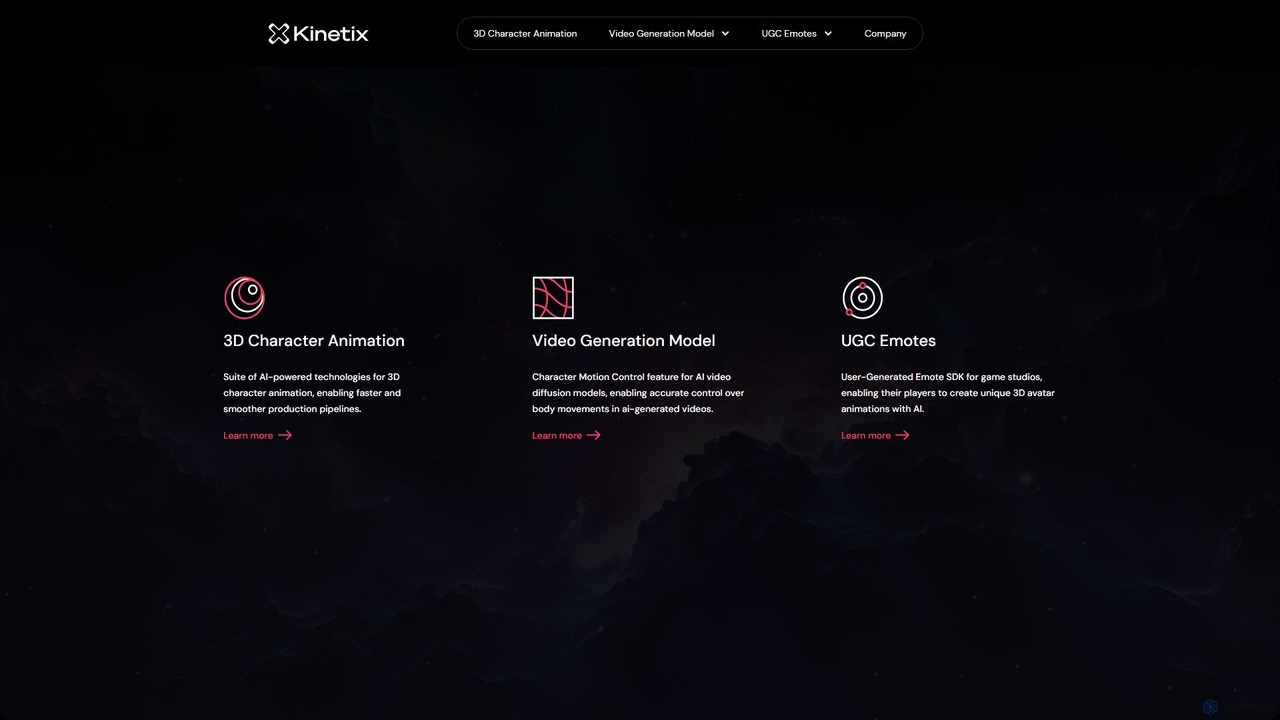
Kinetix is an AI-powered platform for 3D character animation, specializing in a User-Generated Emote SDK for games and …

17.3K

About Metaverse

AI Metaverse tools are a class of software that use artificial intelligence to create, manage, and enhance immersive virtual worlds and their components. These tools leverage generative AI and machine learning to automate the development of 3D assets, intelligent virtual beings, and interactive experiences. They are essential for developers and creators looking to build engaging and scalable metaverse platforms, significantly reducing manual effort and enabling dynamic, responsive environments. As a specialized extension of Avatar tools, they focus on building the entire interactive world that avatars inhabit.

Core Features

  • Generative 3D Asset Creation: Automatically produces 3D models, textures, and objects from text prompts or 2D images.
  • AI-Powered NPC Behavior: Creates intelligent Non-Player Characters (NPCs) with realistic conversational abilities and dynamic behaviors.
  • Procedural World Generation: Generates vast and complex virtual landscapes, cities, or interiors based on predefined rules and parameters.
  • Real-time Environment Optimization: Uses AI to dynamically adjust graphics and performance for a smooth user experience across different devices.
  • Interactive Experience Design: Facilitates the creation of AI-driven quests, narratives, and interactive events within the virtual world.

Use Cases

These tools are widely used in game development for rapid world-building, in corporate training for creating realistic simulations, and in architecture for generating interactive virtual property tours. They also empower brands to build unique virtual storefronts and social platforms to offer users tools for creating their own personalized spaces.

How to Choose

When selecting an AI Metaverse tool, consider its compatibility with major platforms like Unity or Unreal Engine. Evaluate the scope of its AI capabilities—whether you need asset generation, NPC logic, or world-building. Also, assess its ease of use (no-code interfaces vs. developer SDKs) and its scalability to support your project's complexity and user load.

MetaverseUse Cases

1

Rapid Prototyping for Game Worlds

A solo game developer needs to quickly create a playable prototype for a new open-world game. Instead of spending weeks manually modeling terrain and buildings, they use an AI Metaverse tool. By providing text prompts like 'dense fantasy forest with ancient ruins' and a rough layout sketch, the tool procedurally generates a detailed 3D map. It also populates the world with basic AI-powered NPCs that can wander and interact simply, allowing the developer to test core game mechanics in a functional environment within hours, not weeks.

2

Interactive Corporate Training Simulations

A large corporation wants to improve its safety training for factory workers. Using an AI Metaverse tool, the training department builds a realistic virtual replica of the factory floor. They create various emergency scenarios, such as equipment malfunctions or chemical spills. AI-powered NPCs play the roles of colleagues who react dynamically and realistically to the situation and the trainee's actions. This provides an immersive, safe, and repeatable training experience that is more effective than traditional slideshows or manuals.

3

Architectural Visualization and Virtual Tours

An architecture firm wants to provide clients with an immersive way to experience a new building design before construction begins. They use an AI Metaverse tool to convert their 2D blueprints and 3D CAD models into a fully interactive, walkable virtual environment. The tool's AI enhances the scene by automatically adding realistic lighting, furniture, and landscaping. Furthermore, they can embed an AI-powered virtual guide that can answer clients' questions about materials, dimensions, and customization options in real-time as they explore the space.

4

Developing Personalized Virtual Shopping Experiences

A fashion retail brand aims to launch a virtual store in the metaverse. They use an AI tool to generate a stylish 3D store environment and a wide variety of virtual clothing items. To enhance the experience, they implement AI-powered personal shopper NPCs. These NPCs can greet customers, understand their style preferences through natural language conversation, and recommend specific outfits. The AI can also dynamically change the store's layout or promotions based on real-time user traffic and behavior, creating a personalized and engaging shopping journey.

5

Generating Assets for Social VR Platforms

A content creator for a social VR platform like VRChat wants to build a unique world for their community to hang out in. Lacking advanced 3D modeling skills, they use an AI Metaverse tool. With simple text prompts such as 'cozy cyberpunk apartment overlooking a rainy city' or 'enchanted forest clearing with glowing mushrooms', the tool generates complete, ready-to-use 3D environments. They can also use it to create custom props and furniture, allowing them to build a highly personalized and immersive social space far more quickly than with traditional methods.

6

Building Digital Twins for Industrial Operations

An engineering firm is tasked with optimizing a manufacturing plant's layout and workflow. They use an AI Metaverse tool to create a 'digital twin'—a real-time, interactive 3D replica of the entire factory. The tool ingests live data from sensors on the factory floor. The AI then simulates production flows, predicts potential bottlenecks, and models the impact of proposed changes, such as moving a piece of machinery. This allows engineers to test and validate improvements in a virtual environment before committing to costly physical changes.

MetaverseFrequently Asked Questions