Flowdrop
Flowdrop is an AI-powered, no-code workflow builder designed for non-coders, enabling rapid deployment of production automations in under …
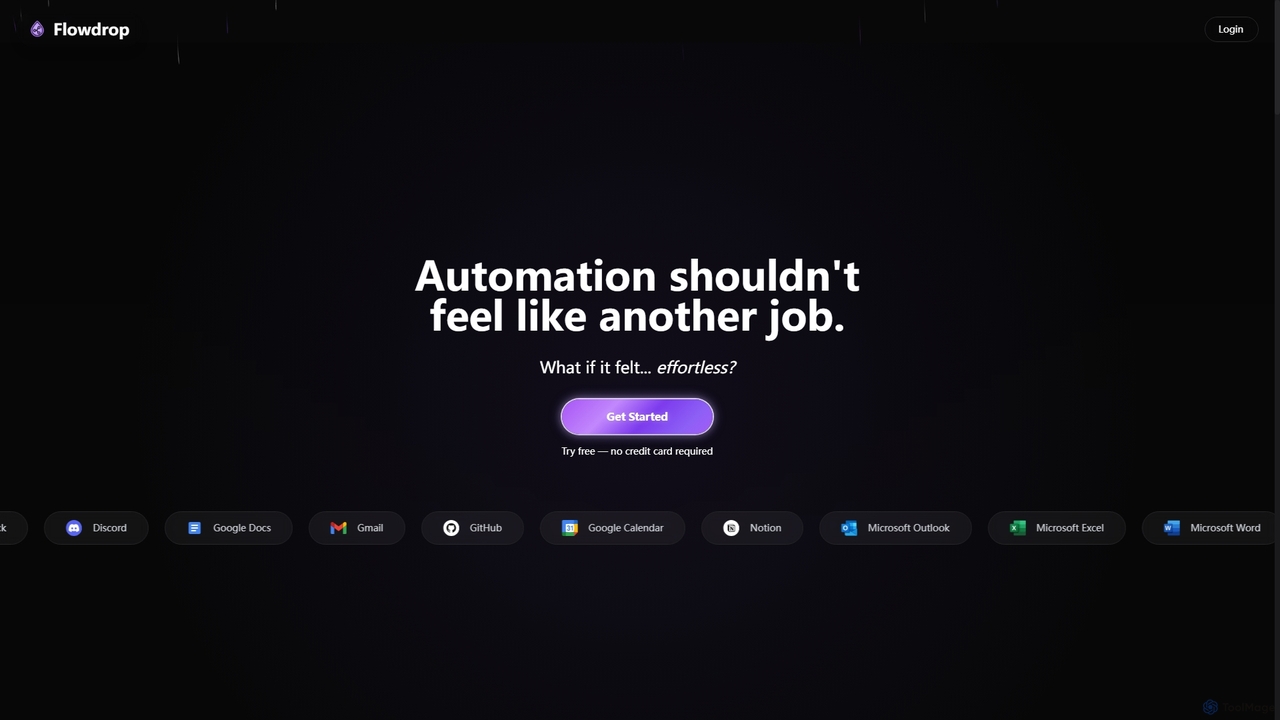
Flowdrop is an AI-powered, no-code workflow builder designed for non-coders, enabling rapid deployment of production automations in under five minutes. It simplifies complex tasks through intuitive visual tools and conversational AI, making automation effortless and accessible for individuals and teams.
getknit
Knit is a unified API platform for developers, designed to build, launch, and manage native product integrations for …
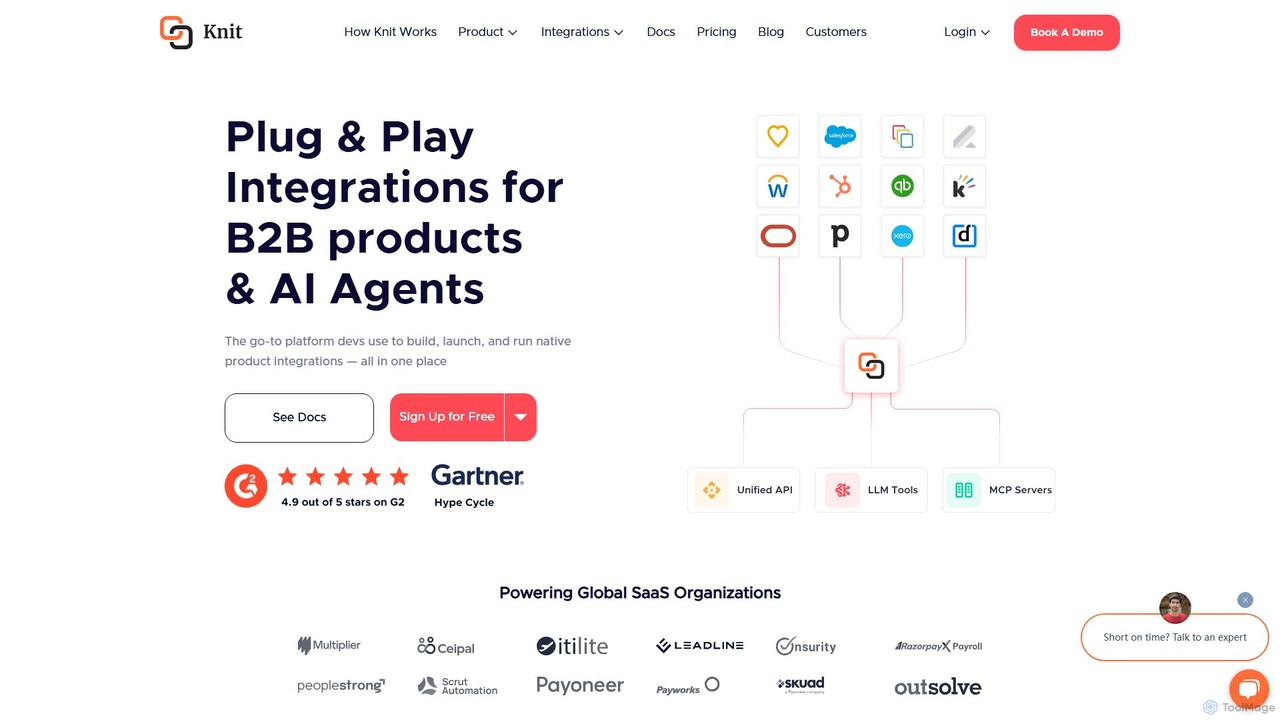
Knit is a unified API platform for developers, designed to build, launch, and manage native product integrations for B2B SaaS applications and AI agents. It simplifies connectivity to over 12 SaaS categories, enabling rapid development, reduced engineering overhead, and scalable integration solutions. Knit provides tools for bi-directional data syncs, empowering AI agents with action-taking capabilities, and automating complex workflows.
getconduit
getconduit is an AI integration and workflow automation platform that simplifies connecting to various large language models (LLMs) …
getconduit is an AI integration and workflow automation platform that simplifies connecting to various large language models (LLMs) and AI services. It provides a unified API and a no-code builder to create, manage, and scale AI-powered applications and workflows, reducing development complexity and costs.
About Integration Platform
Integration Platforms are AI-powered tools designed to connect disparate software applications, systems, and data sources within an organization. These platforms leverage intelligent automation and pre-built connectors to streamline data flow and automate complex business processes. They enable seamless communication between various tools, enhancing operational efficiency and providing a unified view of business operations. This allows businesses to break down data silos and build robust, interconnected digital ecosystems.
Core Features
- API Management: Centralized control and monitoring of APIs for secure and efficient data exchange.
- Data Mapping & Transformation: Intelligent tools to map data fields between different systems and transform data formats as needed.
- Workflow Automation: Visual builders to design and automate multi-step business processes across integrated applications.
- Pre-built Connectors: A library of ready-to-use connectors for popular business applications (CRM, ERP, marketing automation).
- Real-time Synchronization: Ensures data consistency across all connected systems with immediate updates.
Use Cases
Integration Platforms are crucial for businesses seeking to optimize their digital infrastructure. They are used by IT teams to manage complex system landscapes, by operations managers to automate cross-departmental workflows, and by data analysts to consolidate information from various sources for comprehensive reporting.
How to Choose
When selecting an Integration Platform, consider the breadth of its pre-built connectors, the flexibility of its data transformation capabilities, and its scalability to handle growing data volumes. Evaluate the ease of use, especially for non-technical users, and the robustness of its monitoring and error-handling features. Security protocols and pricing models are also critical factors.
Integration PlatformUse Cases
Automating Sales Lead Processing Across Systems
Sales teams often receive leads from multiple sources like CRM, marketing automation, and web forms. An Integration Platform can automatically capture new leads, enrich them with data from other systems, assign them to the correct sales representative in the CRM, and trigger follow-up emails in the marketing platform. This ensures no lead is missed and accelerates the sales cycle, saving significant manual effort.
Synchronizing Customer Data for Unified View
Customer data is frequently siloed in different departments, such as sales (CRM), support (helpdesk), and finance (ERP). An Integration Platform ensures that customer information, purchase history, and support tickets are consistently updated and accessible across all relevant systems. This provides a 360-degree view of each customer, enabling personalized interactions and improved service quality.
Streamlining HR Onboarding Workflows
HR departments face complex onboarding tasks, including setting up new employees in payroll, IT systems, and internal communication tools. An Integration Platform can automate this entire workflow: once a new hire is added to the HRIS, it triggers account creation in email, Slack, project management tools, and sends welcome kits, reducing manual data entry and ensuring a smooth, efficient onboarding experience.
Integrating E-commerce with Inventory & Shipping
E-commerce businesses need seamless integration between their online store, inventory management, and shipping providers. An Integration Platform automatically updates inventory levels when sales occur, generates shipping labels, and sends tracking information to customers. This prevents overselling, reduces shipping errors, and provides real-time order status updates, enhancing customer satisfaction and operational efficiency.
Connecting IoT Data to Business Applications
In industries like manufacturing or smart cities, IoT devices generate vast amounts of data. An Integration Platform can collect this sensor data, transform it, and feed it into analytics platforms, ERP systems, or maintenance scheduling tools. For example, machine performance data can automatically trigger maintenance requests or inventory reorders, enabling predictive maintenance and optimized resource allocation.
Automating Financial Reporting and Reconciliation
Finance teams often spend considerable time manually consolidating data from various sources like banking systems, expense management tools, and ERPs for reporting. An Integration Platform can automate the extraction, transformation, and loading of this financial data into a central reporting dashboard or data warehouse. This accelerates month-end closing, reduces errors, and provides timely, accurate insights for strategic decision-making.