ToolMage
Sign in

Best 34 Supply Chain Management AI tools for Business

Popular Supply Chain Management AI tools in Business include SAP, Flexport, Rose Rocket, Keychain, Webb Fontaine, Pietra Studio, Odeko, Verse Medical, antuit.ai, and Inspectorio, helping you work more efficiently.

Transmetrics
Paid

Transmetrics

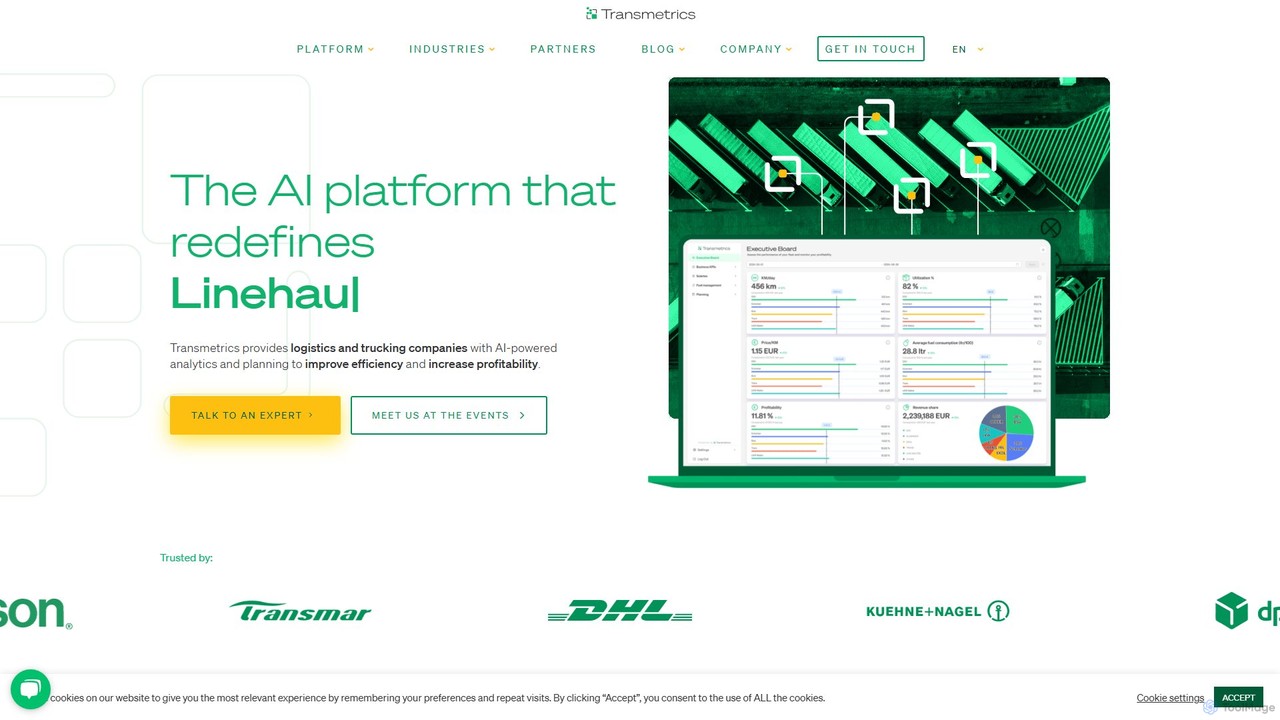
Transmetrics is an AI-powered logistics platform designed to redefine the trucking and shipping industries. It leverages predictive analytics, big data, and generative AI to help companies optimize fleet management, reduce operational costs, increase profitability, and enhance overall supply chain efficiency through data-driven insights and automation.

Fleet Management
Visits 7.3KFavorites 158Likes 163

Lighthouz AI

Lighthouz AI

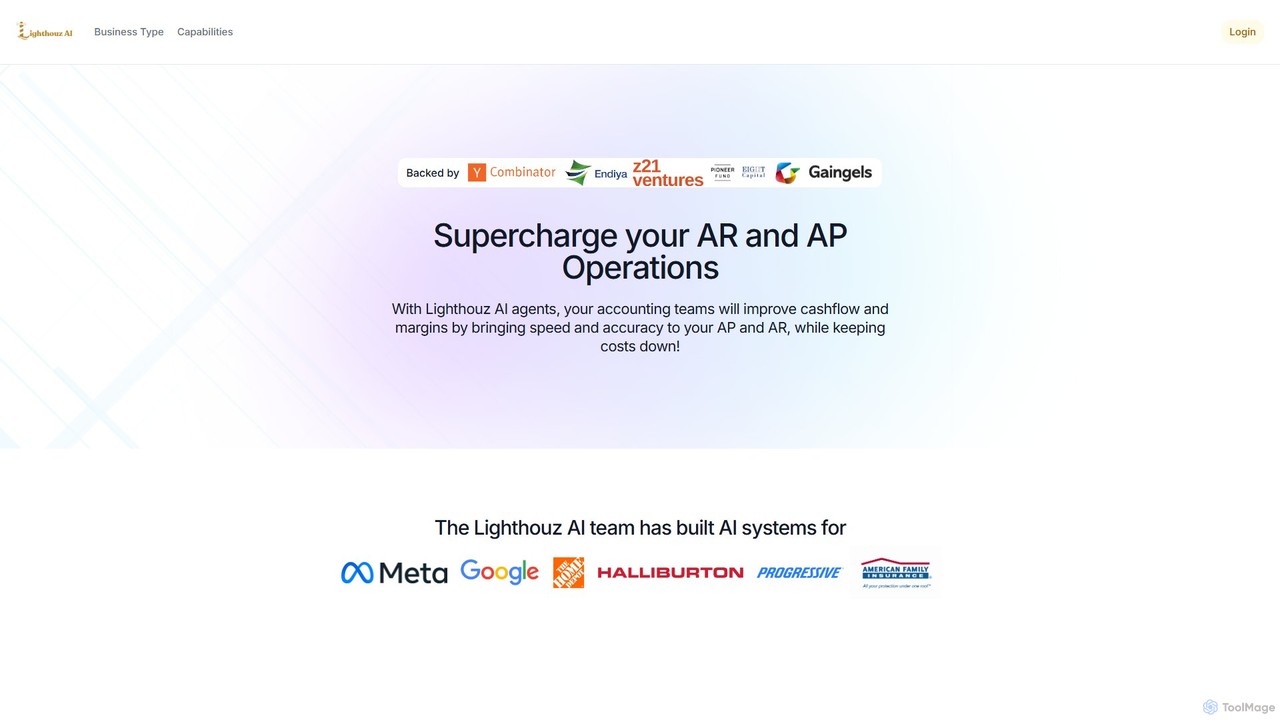
Lighthouz AI provides intelligent agents to automate Accounts Payable (AP) and Accounts Receivable (AR) operations, specifically for the supply chain industry. It enhances cash flow, improves accuracy, and saves significant time by handling tasks like invoice verification, payment reminders, and system integrations.

Supply Chain Management
Visits 9.1KFavorites 147Likes 162
Retalon

Retalon

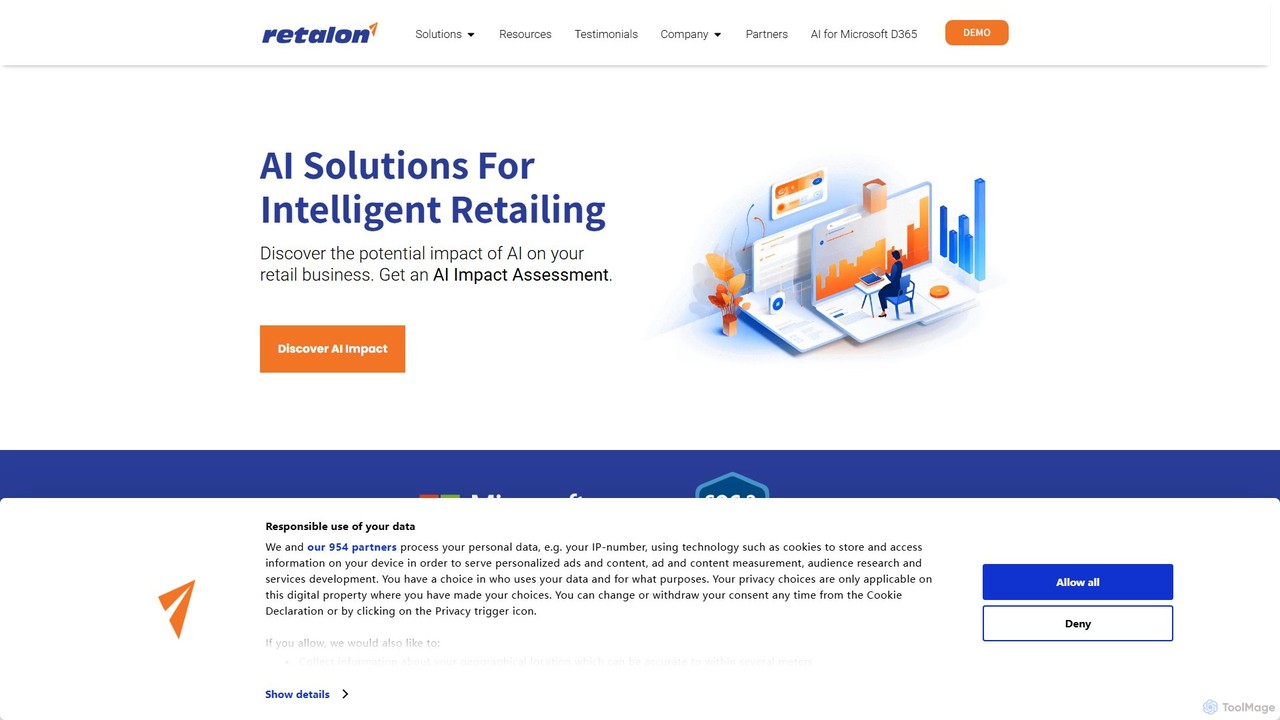
Retalon is an AI-powered unified analytics platform for retailers, designed to optimize inventory, pricing, supply chain, and merchandising. It transforms retail data into actionable insights, enabling businesses to make smarter, data-driven decisions that maximize profitability and efficiency across all operations.

Analytics
Visits 22.4KFavorites 144Likes 149
Odeko

Odeko

Odeko is an AI-powered, all-in-one operations platform for cafes and coffee shops. It simplifies supply chain management by consolidating orders, providing next-day overnight delivery, and offering smart inventory insights. Using predictive analytics, Odeko helps businesses optimize stock levels, reduce waste, and increase profitability, allowing owners to focus on their customers and growth.

Inventory Management
Visits 64.9KFavorites 154Likes 163
Verse Medical

Verse Medical

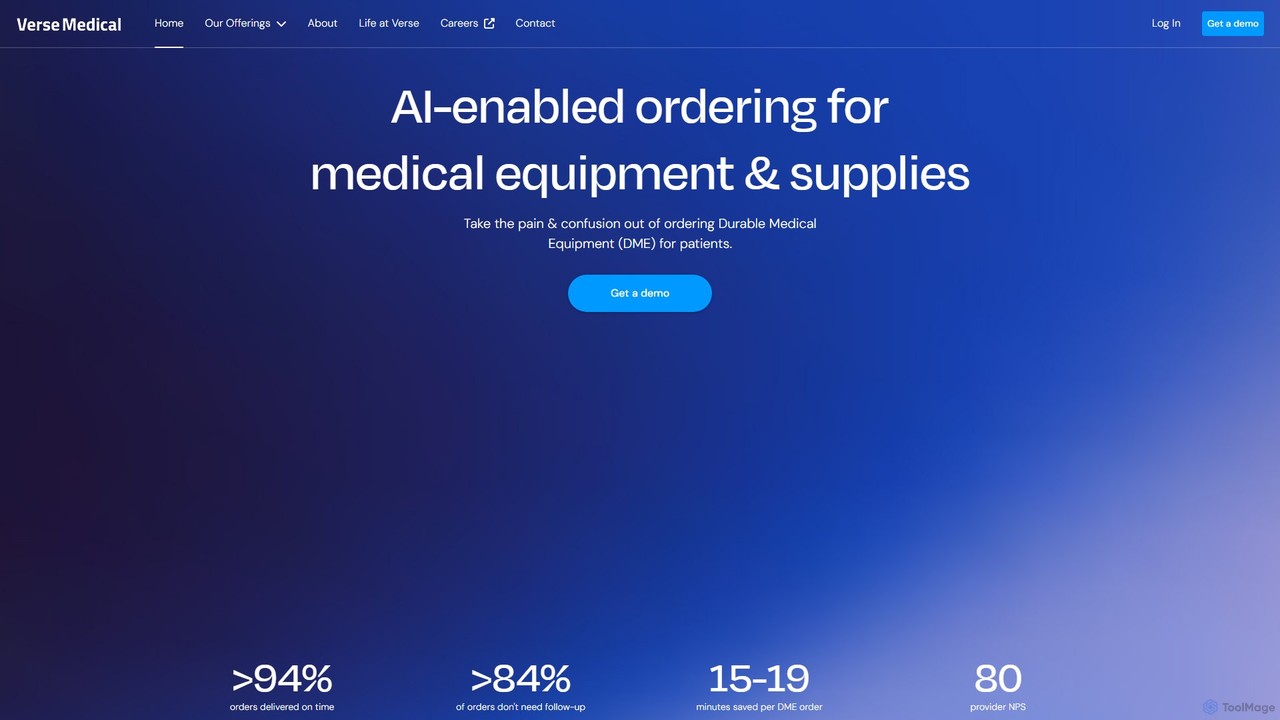
Verse Medical is an AI-powered platform that streamlines the ordering, delivery, and management of Durable Medical Equipment (DME). It connects providers, payors, and patients, using AI to automate documentation, validate medical necessity, and provide real-time tracking, significantly reducing administrative burdens and ensuring timely patient care.

Supply Chain Management
Visits 61.4KFavorites 134Likes 152
Infis AI
Paid

Infis AI

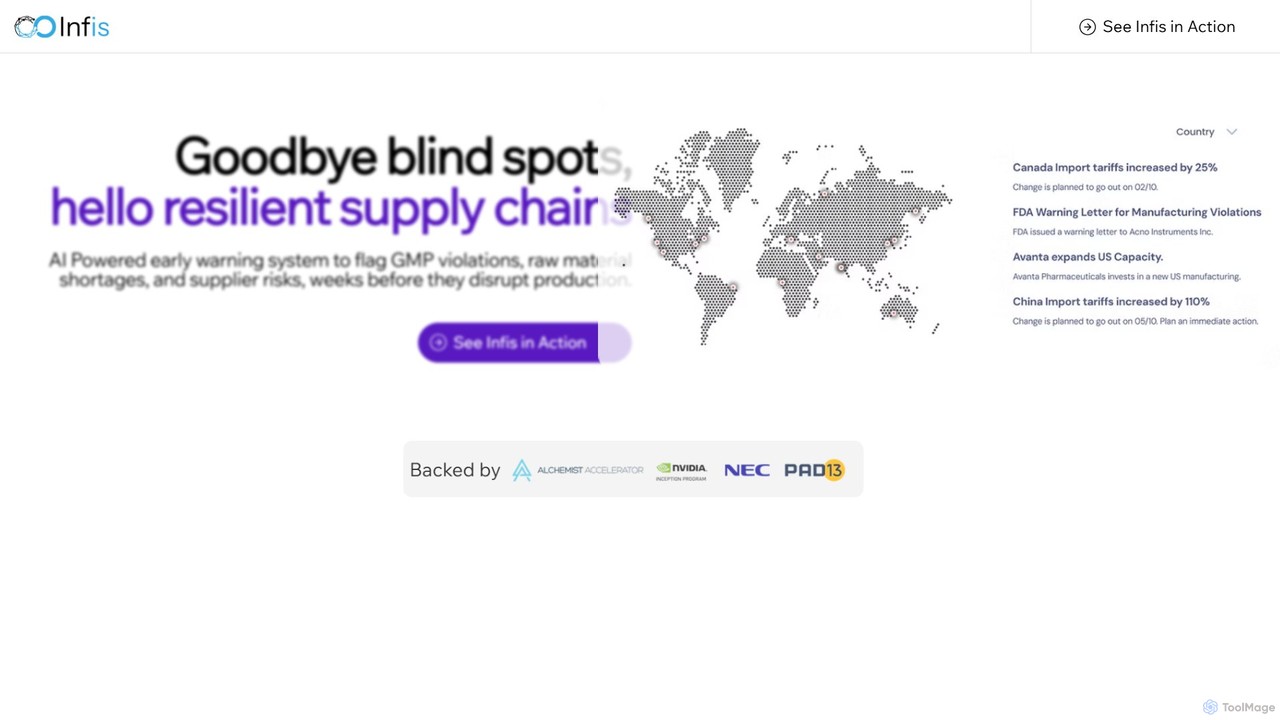
Infis AI is an AI-powered supplier risk management platform designed to create resilient supply chains. It provides an early warning system to flag GMP violations, raw material shortages, and other supplier risks, helping businesses prevent disruptions, ensure compliance, and automate due diligence.

Supply Chain Management
Visits 6.3KFavorites 137Likes 137
dairytech.ai
Paid

dairytech.ai

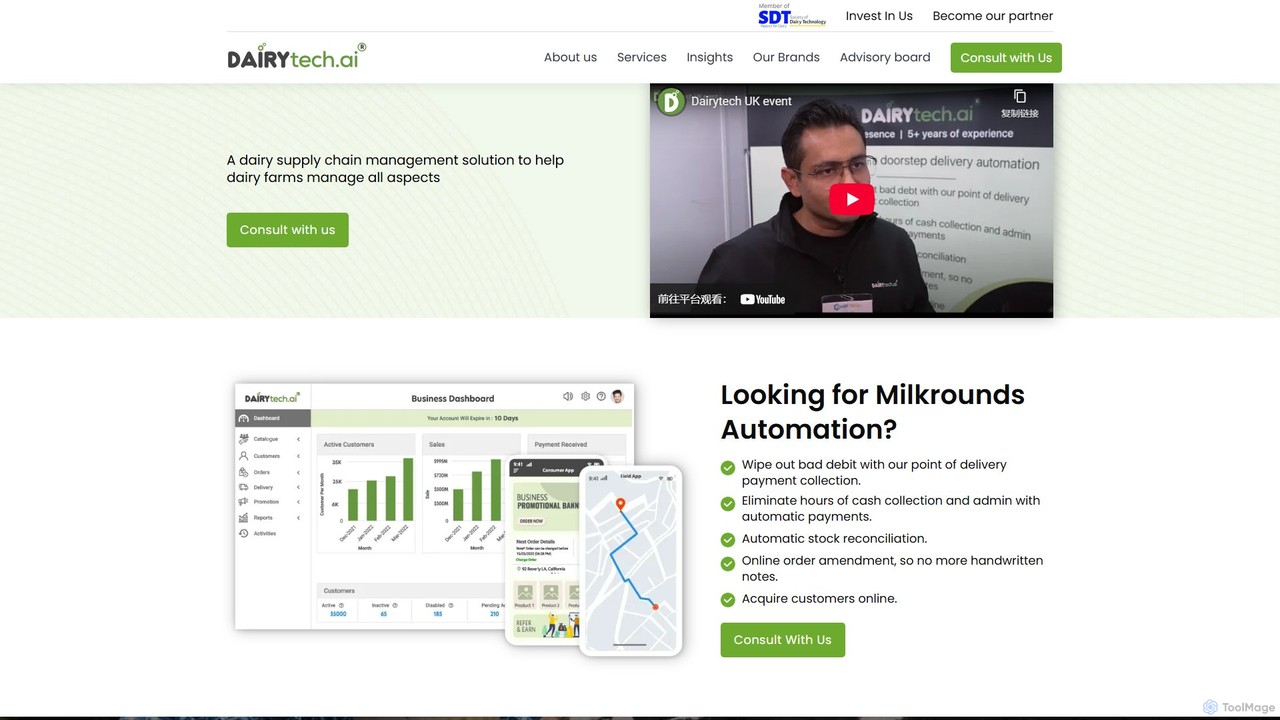
Dairytech.ai is an AI-powered, end-to-end supply chain management platform for the dairy industry. It provides smart solutions for farm management, milk transportation, distribution, and payment automation. The platform helps dairy farms and distributors optimize operations, reduce manual errors, improve customer satisfaction, and enhance business growth through data-driven insights and expert consulting.

Supply Chain Management
Visits 6.6KFavorites 131Likes 139
cartage
Paid

cartage

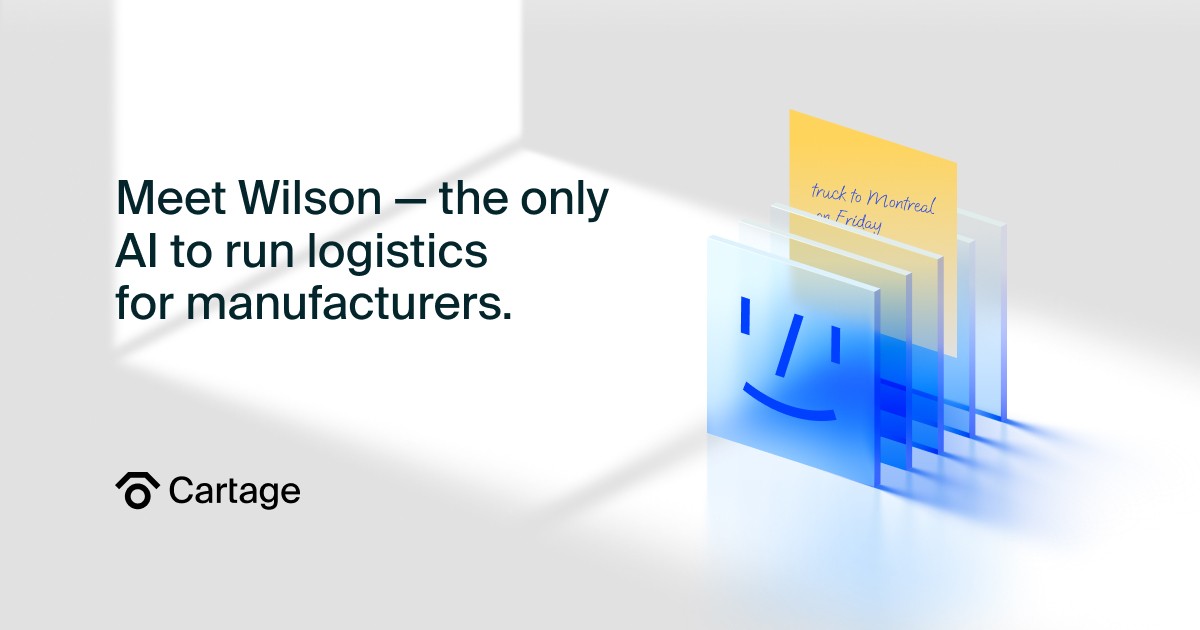
Cartage offers "Wilson," an AI logistics coordinator for manufacturers and distributors. It automates freight management, from quoting and booking to real-time tracking and issue resolution. Wilson integrates seamlessly into your existing workflows (email, Slack, Teams) to reduce manual effort, lower costs, and improve customer satisfaction, all monitored by a 24/7 human operations team.

Supply Chain Management
Visits 15.6KFavorites 166Likes 161
Pietra Studio
Freemium

Pietra Studio

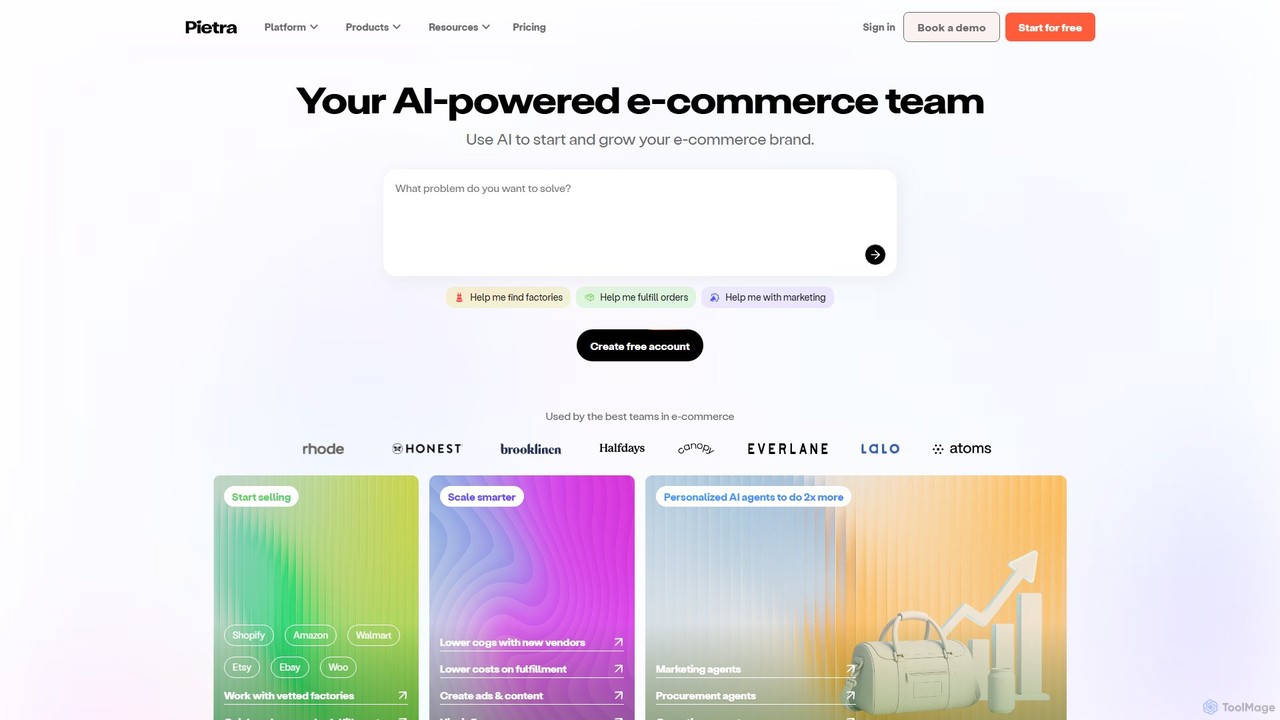
Pietra Studio is an AI-powered, all-in-one e-commerce platform designed to help entrepreneurs and brands start and scale their businesses. It integrates sourcing from vetted factories, end-to-end logistics and fulfillment, and a suite of marketing tools, all managed through a single dashboard. Personalized AI agents automate key business operations, from procurement to marketing.

Supply Chain Management
Visits 101.5KFavorites 151Likes 150
iNymbus
Paid

iNymbus

iNymbus is an AI-powered, cloud-based Robotic Process Automation (RPA) platform designed to automate retail deduction management. It helps suppliers and distributors recover funds from chargebacks and claims by automatically processing, managing, and disputing deductions from over 40 major retailers, significantly reducing costs and increasing recovery speed.

Supply Chain Management
Visits 13.8KFavorites 128Likes 118

About Supply Chain Management

Supply Chain Management tools are AI-powered solutions designed to optimize and automate various aspects of the supply chain. These tools leverage machine learning, predictive analytics, and automation to enhance visibility, efficiency, and resilience across planning, sourcing, manufacturing, delivery, and returns. They enable businesses to make data-driven decisions, reduce operational costs, and respond proactively to market changes, contributing significantly to overall business agility.

Core Features

  • Demand Forecasting: Accurately predict future product demand using historical data and external factors.
  • Inventory Optimization: Balance stock levels to minimize carrying costs while preventing stockouts.
  • Logistics & Route Optimization: Automate planning of efficient transportation routes and delivery schedules.
  • Supplier Risk Management: Identify and mitigate potential disruptions from suppliers through real-time monitoring.
  • Warehouse Automation: Streamline operations like picking, packing, and sorting using robotics and intelligent systems.

Applicable Scenarios

These tools are vital for manufacturing companies optimizing production schedules, retail businesses managing inventory across multiple stores, and logistics providers enhancing delivery efficiency. E-commerce platforms utilize them for real-time order fulfillment and returns management, while global enterprises leverage them for end-to-end supply chain visibility and risk mitigation.

How to Choose

When selecting AI Supply Chain Management tools, consider their integration capabilities with existing ERP/SCM systems to ensure seamless data flow. Evaluate the depth of their data analytics and predictive modeling features, as well as their scalability to grow with your business. Assess the level of real-time visibility offered and the vendor's support for implementation and ongoing optimization.

Featured tool rankings

Supply Chain Management use cases

1

Optimize Inventory Levels and Replenishment Strategies

Retail managers and manufacturers use AI SCM tools to analyze sales data, seasonality, and market trends, predicting optimal inventory levels for each product. The system automatically triggers replenishment orders based on forecasted demand and lead times, significantly reducing overstocking and stockout situations, leading to improved cash flow and customer satisfaction.

2

Automate Logistics Route Planning and Transportation Management

Logistics coordinators and fleet managers leverage AI to dynamically plan the most efficient delivery routes, considering traffic, weather, vehicle capacity, and delivery windows. This automation minimizes fuel consumption, reduces transportation costs, and ensures timely deliveries, enhancing operational efficiency and customer service for shipping companies and distributors.

3

Predict Market Demand and Sales Trends

Product planners and sales teams utilize AI SCM tools to forecast future market demand with high accuracy by analyzing historical sales, promotional activities, and external economic indicators. This predictive capability enables businesses to align production, marketing, and sales efforts more effectively, preventing overproduction or missed sales opportunities.

4

Real-time Monitoring of Supply Chain Risks and Anomalies

Supply chain risk analysts and procurement managers deploy AI to continuously monitor global events, supplier performance, and internal operational data for potential disruptions. The system identifies anomalies, alerts stakeholders to risks like natural disasters or geopolitical shifts, and suggests mitigation strategies, ensuring supply chain resilience and business continuity.

5

Enhance Supplier Performance and Collaboration Efficiency

Procurement specialists and supplier relationship managers use AI SCM platforms to evaluate supplier performance based on delivery times, quality, and compliance. The tools facilitate transparent communication and data sharing, automating contract management and fostering stronger, more efficient collaborations with key suppliers, ultimately improving overall supply chain reliability.

6

Automate Warehouse Operations and Order Fulfillment

Warehouse managers and e-commerce fulfillment teams implement AI-driven systems to optimize storage layouts, automate picking paths for human or robotic workers, and manage order sorting. This automation significantly speeds up order processing, reduces human error, and improves throughput, leading to faster delivery times and higher customer satisfaction.

Supply Chain Management FAQ

What are AI Supply Chain Management tools?

AI Supply Chain Management tools are software solutions that apply artificial intelligence, machine learning, and advanced analytics to optimize and automate various processes within a supply chain. They aim to enhance efficiency, reduce costs, improve visibility, and build resilience from sourcing raw materials to delivering finished products to customers.

How do AI tools improve supply chain efficiency?

AI tools improve efficiency by providing accurate demand forecasts, optimizing inventory levels, automating logistics planning, and identifying potential disruptions proactively. They enable real-time data analysis, predictive insights, and automated decision-making, leading to reduced operational costs, faster delivery times, and better resource utilization across the entire supply chain.

What's the difference between traditional SCM and AI-powered SCM?

Traditional SCM relies heavily on historical data, manual processes, and rule-based systems, often reacting to events. AI-powered SCM, conversely, uses machine learning and predictive analytics to analyze vast datasets, anticipate future events, and make proactive, data-driven decisions. It offers greater adaptability, real-time visibility, and automation capabilities compared to its traditional counterpart.

What key challenges do AI SCM tools address?

AI SCM tools address critical challenges such as inaccurate demand forecasting, inefficient inventory management, high logistics costs, and lack of real-time visibility. They also help mitigate risks from supplier disruptions, optimize complex global networks, and improve responsiveness to sudden market changes, making supply chains more robust and agile.

How to choose the right AI Supply Chain Management solution?

To choose the right AI SCM solution, assess its ability to integrate with your existing systems, the accuracy and depth of its predictive analytics, and its scalability to meet future growth. Consider the vendor's industry expertise, the level of customization offered, and the clarity of its user interface, ensuring it aligns with your specific business needs and operational complexity.