Salvy
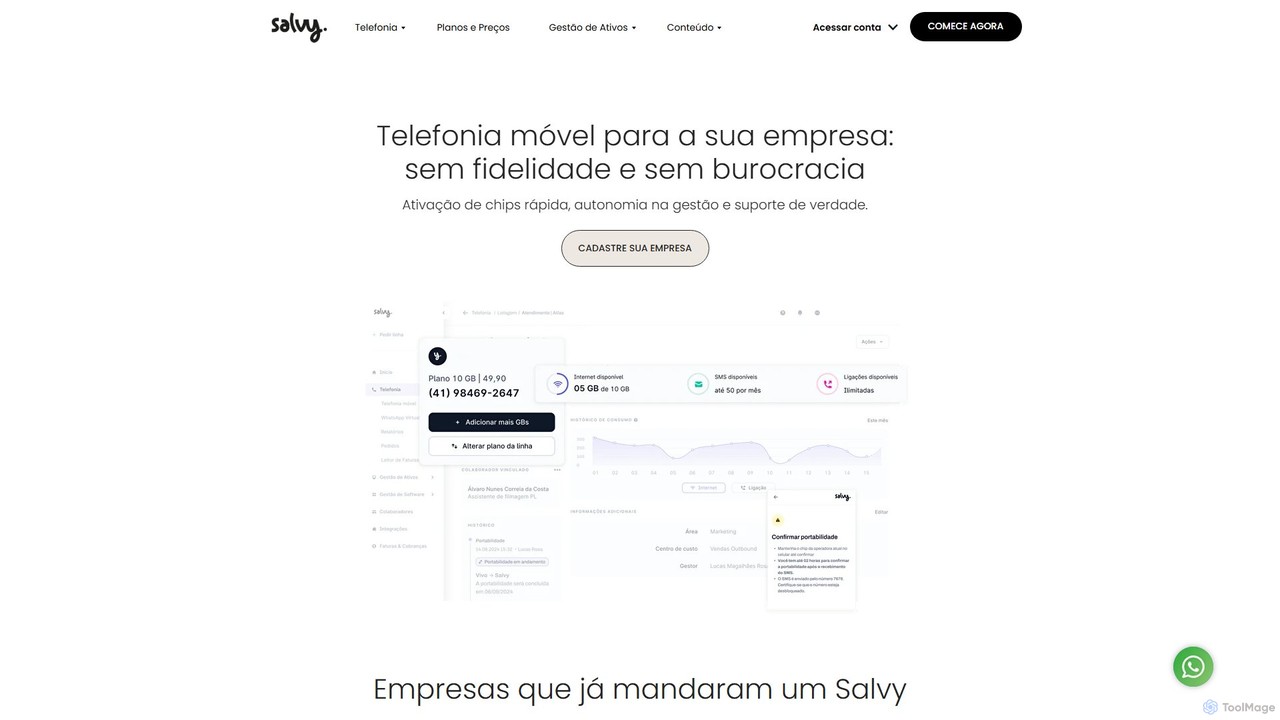
Salvy is a Brazilian B2B mobile telephony platform that uses AI to simplify corporate phone line management. It …
Salvy is a Brazilian B2B mobile telephony platform that uses AI to simplify corporate phone line management. It provides a centralized dashboard for real-time monitoring, flexible no-contract plans, automated invoice processing, and seamless integrations, helping companies reduce costs and administrative overhead.
Sytex
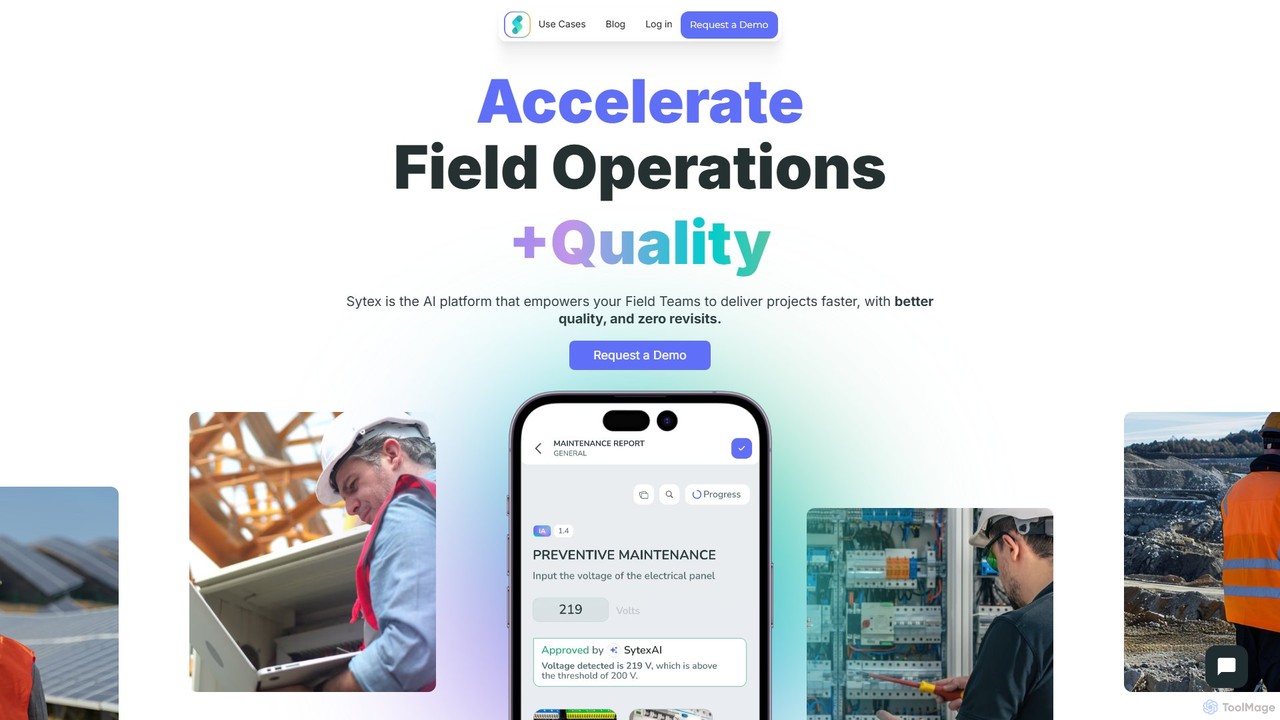
Sytex is an intelligent platform designed to accelerate and optimize field operations, particularly for the telecommunications industry. It …
Sytex is an intelligent platform designed to accelerate and optimize field operations, particularly for the telecommunications industry. It digitizes and centralizes workflows, from planning and material management to execution and reporting. By providing real-time data, task management, and powerful analytics, Sytex enhances team collaboration, ensures project traceability, and drives significant operational efficiency.
Subex
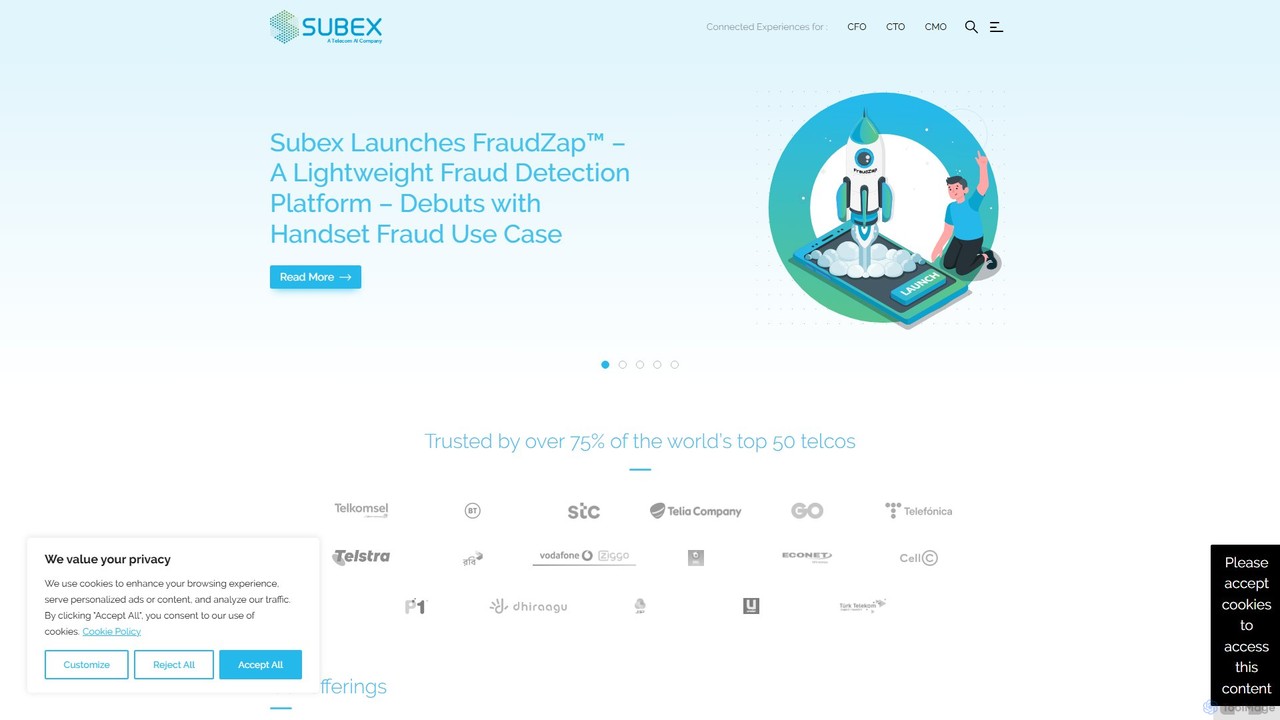
Subex is a leading enterprise AI company for the telecommunications industry. It provides a suite of AI-powered solutions, …
Subex is a leading enterprise AI company for the telecommunications industry. It provides a suite of AI-powered solutions, including the HyperSense AI platform, to help Communication Service providers (CSPs) optimize networks, enhance business assurance, prevent fraud, and manage partner ecosystems. Subex enables telcos to build and deploy custom AI applications to drive operational efficiency and create superior connected experiences for their customers.
Gigs
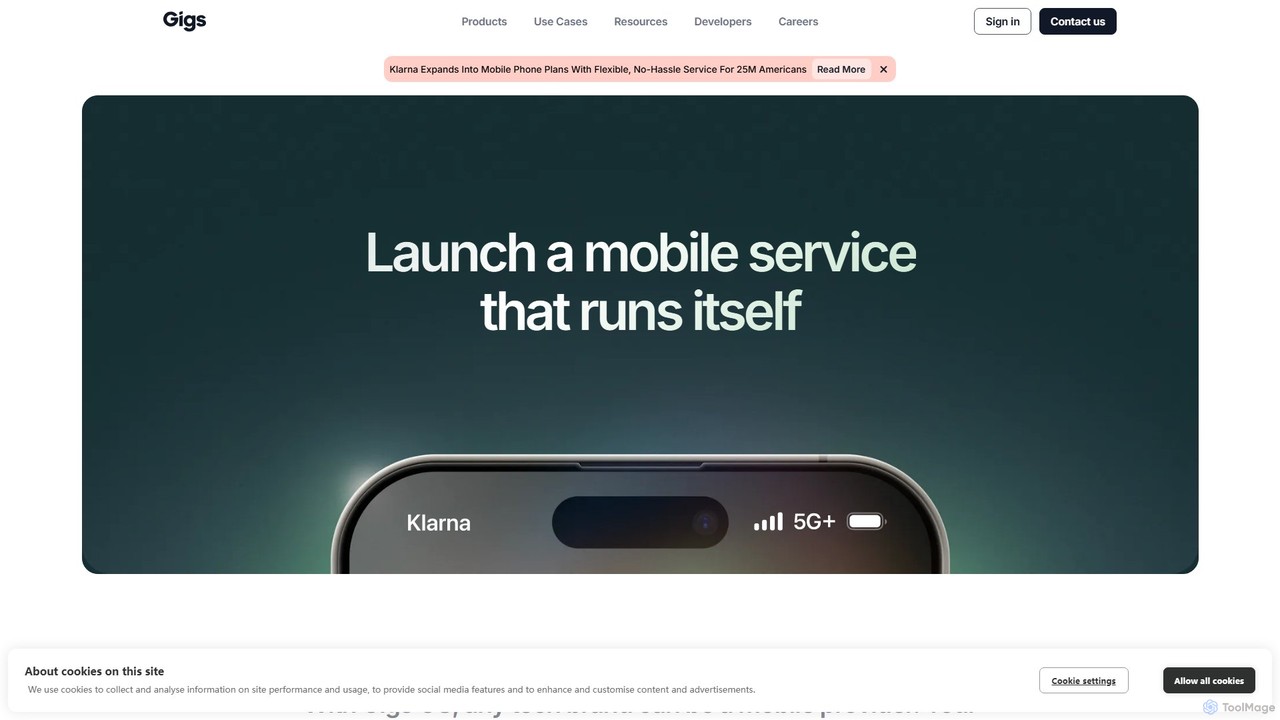
Gigs is an operating system for mobile services, enabling any tech company to launch its own branded mobile …
Gigs is an operating system for mobile services, enabling any tech company to launch its own branded mobile plans. It provides a vertically integrated platform with an API, dashboard, and AI-powered support to handle connectivity, billing, taxes, and compliance. This allows businesses in sectors like fintech, HR, and travel to seamlessly embed phone plans and eSIMs into their products, creating new revenue streams and enhancing customer loyalty without the complexities of traditional telecom.
About Telecommunications
AI Telecommunications tools are specialized solutions that use machine learning and data analytics to optimize network performance, automate operations, and enhance customer experiences in the telecom industry. These tools process vast amounts of network data, call records, and user behavior to predict failures, manage traffic dynamically, and detect fraud in real-time. Their primary value lies in helping operators increase network reliability, reduce operational costs, and decrease customer churn. This technology is crucial for managing the complexity of modern networks like 5G and IoT.
Core Features
- Network Optimization: Analyzes real-time traffic data to predict congestion, reroute traffic, and optimize resource allocation for improved quality of service (QoS).
- Predictive Maintenance: Forecasts potential equipment failures in cell towers and network hardware, enabling proactive maintenance to prevent outages.
- Churn Prediction: Identifies customers at high risk of leaving by analyzing usage patterns, billing history, and support interactions.
- Fraud Detection: Monitors network activity in real-time to detect and block fraudulent activities such as SIM swapping and international revenue share fraud (IRSF).
- Intelligent Customer Service: Deploys AI-powered chatbots and voicebots to handle common customer inquiries, freeing up human agents for more complex issues.
Use Cases
These tools are essential for Mobile Network Operators (MNOs), Internet Service Providers (ISPs), and network equipment vendors. For instance, an MNO can use AI to optimize 5G network slice performance for different enterprise clients. A customer support center can automate responses to over 40% of incoming queries, significantly reducing wait times.
How to Choose
When selecting an AI Telecommunications tool, consider its integration capabilities with your existing OSS/BSS platforms. Evaluate the accuracy and transparency of its machine learning models, especially for critical tasks like fraud detection. Assess its scalability to handle massive data volumes from your network. Finally, ensure it complies with regional data privacy and telecommunication regulations.
TelecommunicationsUse Cases
Automating Network Fault Resolution
A Network Operations Center (NOC) engineer at a major telecom provider is tasked with maintaining network uptime and resolving issues quickly. They use an AI tool that continuously monitors network performance data. When the AI detects an anomaly, such as unusual latency spikes or packet loss, it automatically correlates data from multiple sources to diagnose the root cause. For common issues, the system can trigger automated remediation scripts, resolving the problem without human intervention. This reduces the Mean Time to Resolution (MTTR) by up to 60% and allows engineers to focus on more complex, systemic problems.
Predicting and Preventing Customer Churn
A marketing manager at a mobile carrier aims to reduce the monthly churn rate. They use an AI platform that analyzes customer data, including call duration, data usage, plan type, support ticket history, and payment behavior. The model generates a 'churn risk score' for each subscriber. For customers with a high score, the system automatically triggers a retention campaign, such as sending a personalized SMS with a special offer for a data upgrade or a discount on their next bill. This proactive approach helps retain valuable customers before they decide to switch providers, potentially reducing churn by 15-20%.
Optimizing 5G Radio Access Network (RAN) Performance
A radio network engineer is responsible for optimizing the performance of a 5G network. They use an AI-powered RAN analytics tool that collects real-time data from thousands of cell sites. The AI analyzes signal strength, interference levels, and user traffic patterns to recommend adjustments, such as antenna tilt modifications or power level changes. It can also predict future high-traffic events, like concerts or sports games, and proactively adjust network parameters to ensure a smooth user experience. This leads to a more efficient use of spectrum, fewer dropped calls, and higher data speeds for customers.
Detecting Real-Time SIM Swap Fraud
A security analyst at a telecom company needs to protect customers from SIM swap attacks. They implement an AI-based fraud detection system that analyzes various data points in real-time. When a customer requests a SIM change, the AI model instantly assesses risk by checking factors like the request's location, device history, recent account activity, and call patterns. If the model flags the request as high-risk, it can automatically block the swap and alert both the security team and the customer via a separate, secure channel. This prevents fraudsters from taking over accounts, providing a critical layer of security that manual processes cannot match.
Enhancing Call Center Efficiency with AI Voicebots
A customer service manager for an ISP wants to reduce call wait times and improve agent productivity. They deploy an AI voicebot to handle incoming support calls. The voicebot uses natural language processing (NLP) to understand customer requests, such as 'my internet is slow' or 'I need to check my bill'. It can authenticate the user, perform basic troubleshooting steps like resetting a modem, or provide billing information. For complex issues, it intelligently routes the call to the correct human agent along with a summary of the interaction. This automates over 30% of routine calls, allowing agents to focus on high-value interactions and improving overall customer satisfaction.
Optimizing Field Technician Dispatch with Predictive Maintenance
An operations manager for a cable company oversees a team of field technicians. They use an AI platform that analyzes data from network equipment and environmental sensors to predict hardware failures. When the system predicts a high probability of failure for an amplifier in a specific neighborhood, it automatically creates a work order and assigns the nearest available technician with the right skills and replacement parts. The system also optimizes the technician's route for the day, considering other scheduled appointments and traffic conditions. This shifts the maintenance model from reactive to proactive, reducing costly emergency truck rolls by 25% and preventing service disruptions for customers.