Vahan
Vahan is an AI-powered recruitment platform designed to help businesses in India hire blue-collar and grey-collar workers at …
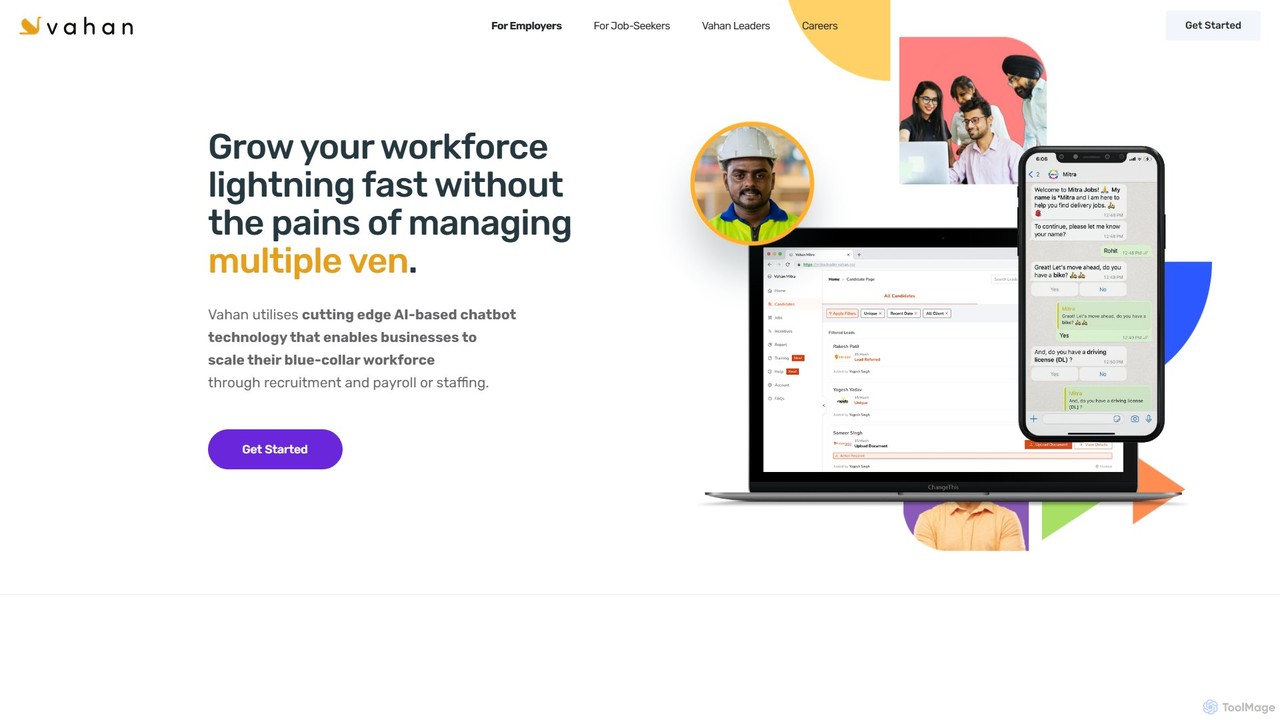
Vahan is an AI-powered recruitment platform designed to help businesses in India hire blue-collar and grey-collar workers at scale. It uses an AI chatbot to automate sourcing, screening, and matching, significantly reducing hiring time and costs for companies in the gig economy, logistics, and more.
Rize
Rize is an intelligent, AI-powered time tracking application designed to boost your productivity and focus. It automatically monitors …
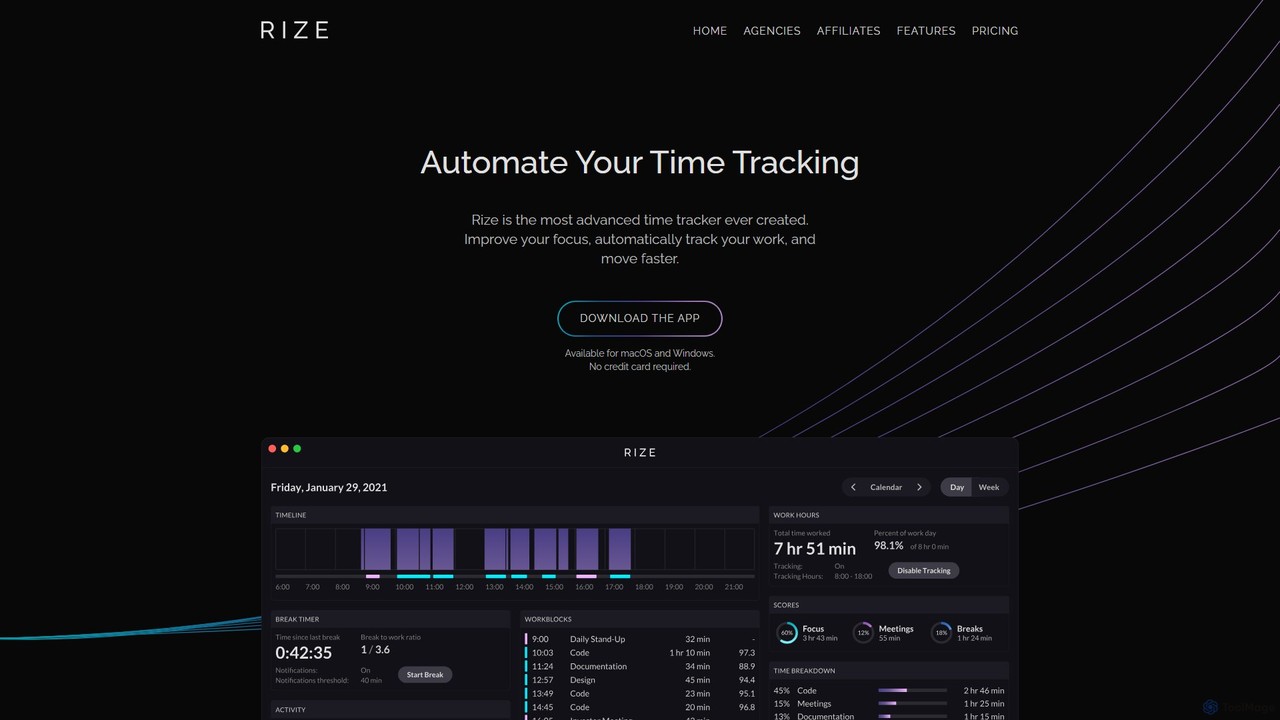
Rize is an intelligent, AI-powered time tracking application designed to boost your productivity and focus. It automatically monitors your computer activity without manual timers, providing deep insights into how you spend your time. Rize helps you build better work habits, prevent burnout with smart notifications, and achieve a healthier work-life balance. It's the ultimate fitness app for your productivity, tailored for founders, freelancers, managers, and anyone looking to optimize their workflow.
Fountain
Fountain is an AI-powered operating system designed for managing the entire lifecycle of the frontline workforce. It automates …
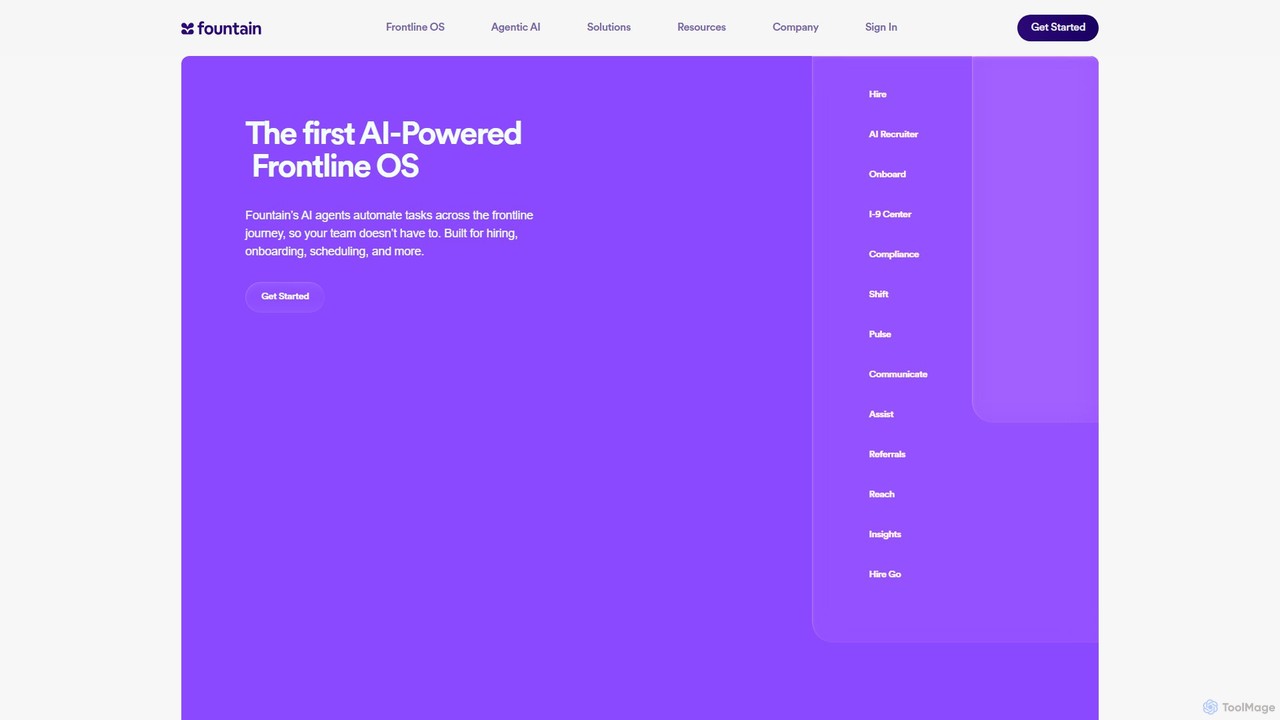
Fountain is an AI-powered operating system designed for managing the entire lifecycle of the frontline workforce. It automates high-volume hiring, onboarding, scheduling, and retention using intelligent agents. The platform helps businesses reduce time-to-hire, improve operational efficiency, and enhance employee engagement for hourly workers.
japancv
Japan Computer Vision (JCV), a SoftBank subsidiary, provides advanced AI-powered computer vision solutions. Specializing in facial recognition, JCV …
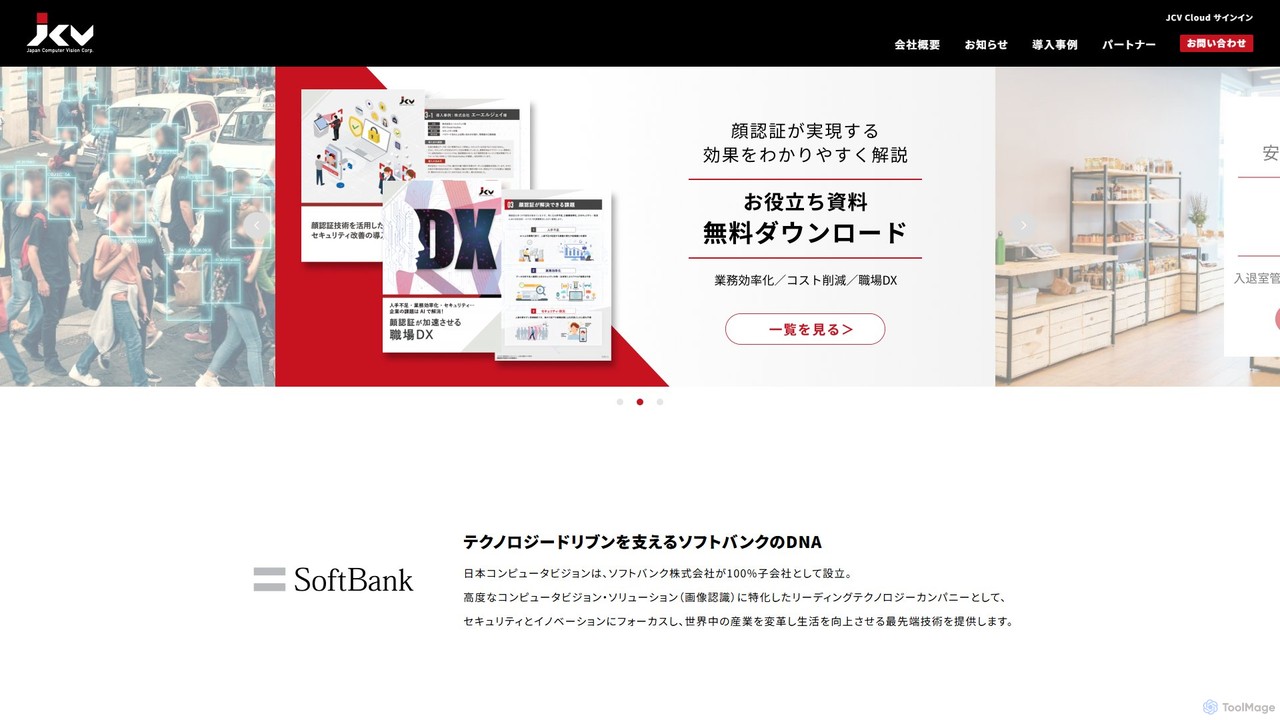
Japan Computer Vision (JCV), a SoftBank subsidiary, provides advanced AI-powered computer vision solutions. Specializing in facial recognition, JCV offers products for smart buildings and smart retail, including secure access control, passwordless login, attendance management, and in-store customer analytics to enhance security and efficiency.
About Workforce Management
AI Workforce Management tools are a specialized category of business software that uses artificial intelligence to optimize employee scheduling, forecasting, and performance tracking. These platforms analyze historical data, business trends, and real-time inputs to predict staffing needs with high accuracy. They help organizations automate complex scheduling tasks, ensure compliance with labor laws, and align staffing levels with operational demand. This data-driven approach moves beyond simple rostering to strategically manage a company's most valuable asset: its people.
Core Features
- Predictive Demand Forecasting: Uses AI to analyze past data and external factors to accurately predict future staffing requirements.
- Automated & Optimized Scheduling: Generates efficient and fair schedules that balance business needs, employee preferences, and compliance rules.
- Real-time Performance Analytics: Tracks key productivity metrics to identify trends, measure team effectiveness, and inform decision-making.
- Task Management & Assignment: Intelligently assigns tasks to employees based on skill, availability, and priority to maximize efficiency.
- Automated Compliance Monitoring: Continuously checks schedules against labor laws, union agreements, and internal policies to prevent violations.
Use Cases
These tools are particularly valuable in industries with variable demand and complex scheduling needs, such as retail, hospitality, healthcare, and logistics. For example, a retail chain can use AI to forecast customer foot traffic and schedule staff accordingly, while a hospital can optimize nurse rosters to match patient admission predictions. They are essential for managers seeking to reduce labor costs, improve service quality, and increase employee satisfaction.
How to Choose
When selecting an AI Workforce Management tool, consider the accuracy of its forecasting models and the flexibility of its scheduling engine. Evaluate its integration capabilities with your existing HRIS and payroll systems. Assess the depth of its analytics and reporting features to ensure they meet your business intelligence needs. Finally, consider the user interface for both managers and employees to ensure ease of use and adoption.
Workforce ManagementUse Cases
Optimize Retail Staffing for Peak Seasons
A retail store manager preparing for the holiday season uses an AI Workforce Management tool to analyze past sales data, local event calendars, and weather forecasts. The system predicts customer traffic patterns for each day and hour, recommending optimal staffing levels to maximize sales opportunities without overstaffing. It then automatically generates compliant schedules that factor in employee availability and skill sets, reducing the manager's planning time by over 70%. This ensures every shift is covered appropriately, improving customer service and preventing employee burnout during the busiest time of the year.
Automate Complex Nurse Scheduling in Hospitals
A hospital scheduling administrator uses an AI platform to manage nurse rosters for multiple departments. The tool forecasts patient admission rates based on historical trends and seasonal factors. It then generates schedules that not only meet the predicted patient load but also adhere to complex rules, including nurse-to-patient ratios, certifications, union regulations, and individual work preferences. The system automatically ensures fair distribution of shifts and minimizes costly overtime. This leads to improved patient care, higher nurse satisfaction, and consistent compliance with healthcare regulations.
Dynamically Dispatch Field Service Technicians
A logistics or utility company manages a team of field service technicians. Using an AI workforce tool, the system analyzes incoming service requests, technician locations via GPS, traffic conditions, and technician skill sets in real-time. It automatically assigns the best-suited technician to each job to minimize travel time and maximize first-time fix rates. If an emergency request comes in, the system can instantly re-route the nearest available and qualified technician, providing customers with accurate ETAs. This dynamic dispatching increases the number of jobs completed per day and significantly improves customer satisfaction.
Analyze Call Center Agent Productivity
A call center manager aims to improve team performance. The AI workforce tool integrates with the call center's systems to track metrics like average handle time, first-call resolution, and customer satisfaction scores. The AI analyzes this data to identify top-performing agents and behaviors, as well as areas for improvement across the team. It can pinpoint specific times of day when productivity dips or when certain call types take longer. Based on these insights, the manager can create targeted coaching plans, adjust schedules to better match call volume peaks, and optimize task assignments to improve overall efficiency and service quality.
Manage Staffing on a Manufacturing Production Line
A factory floor supervisor needs to ensure production targets are met efficiently. The AI workforce management system connects to production machinery to gather real-time output data. It analyzes this data against the number of staff on a given line and shift to determine optimal staffing levels for different products or stages of production. The tool can identify patterns, such as which shift compositions are most productive, and recommend adjustments. This helps the supervisor make data-backed decisions to reduce idle time, prevent bottlenecks, and lower labor costs per unit produced, all while maintaining quality standards.
Ensure Labor Law Compliance in Hospitality
A hotel manager is responsible for scheduling front desk staff, housekeeping, and restaurant employees, each with different union rules and pay rates. The AI workforce tool is configured with all relevant local, state, and union labor regulations. As the manager creates or adjusts schedules, the system provides real-time alerts for potential violations, such as insufficient break times, exceeding weekly hour limits, or incorrect overtime calculations. This proactive compliance monitoring prevents costly fines and legal issues, while also ensuring employees are treated fairly according to established rules, which improves morale and reduces turnover.