PowPow
PowPow is a revolutionary web-based platform for real-time voice communication with people and AI agents. It features live …
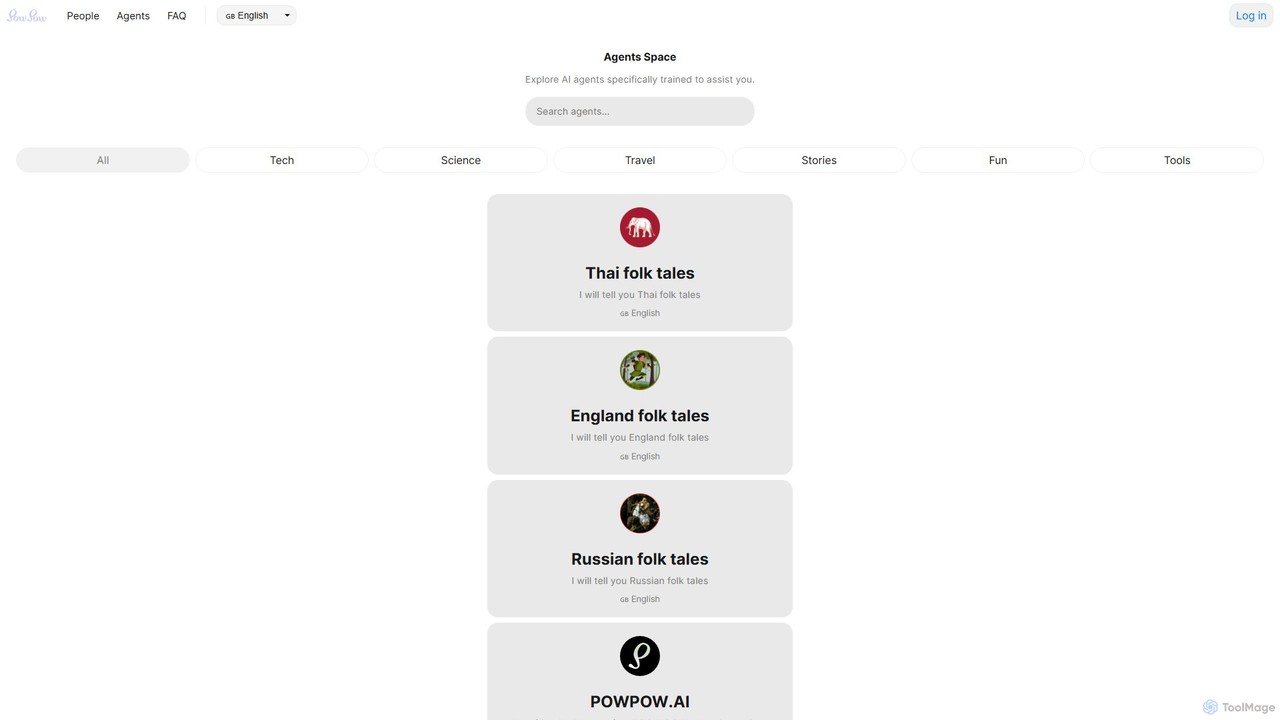
PowPow is a revolutionary web-based platform for real-time voice communication with people and AI agents. It features live voice translation to break down language barriers, a space for specialized AI agents on various topics, and integrated Web3 functionality including a self-custody crypto wallet and rewards.
About Language Translation
AI Language Translation tools are applications that use artificial intelligence to automatically convert text or speech from one language to another. Leveraging advanced Neural Machine Translation (NMT) models, these tools can understand context, grammar, and nuances to produce highly accurate and natural-sounding translations. They are essential for breaking down communication barriers in global business, personal travel, and content localization. Many modern tools also offer features like real-time voice translation, document formatting preservation, and customizable glossaries for specific industries.
Core Features
- Real-time Translation: Instantly translate spoken conversations or written text as it happens.
- Document Translation: Translate entire files (like PDFs, Word documents) while preserving the original layout and formatting.
- Website Localization: Automatically translate all content on a website to make it accessible to a global audience.
- API Access: Integrate translation capabilities directly into other applications, websites, or workflows.
- Glossary & Tone Customization: Define specific terminology and adjust the translation's tone of voice to match brand identity.
Use Cases
These tools are widely used across various sectors. In e-commerce, they help businesses localize product listings for international markets. Customer support teams use them for real-time multilingual communication. Content creators and marketers rely on them to translate articles, videos, and social media posts to reach a global audience. They are also valuable for travelers, students, and researchers who need to understand foreign-language content.
How to Choose
When selecting a language translation tool, consider the required accuracy and the specific language pairs you need. Evaluate its integration capabilities, such as API availability or browser extensions. For business use, prioritize tools with strong data security and privacy policies. Also, compare pricing models—whether it's a subscription, pay-per-use, or a free version with limitations—to find one that fits your budget and usage volume.

Language TranslationUse Cases
Localize E-commerce Store for Global Sales
An e-commerce manager for an online fashion brand needs to launch their store in three new European markets. Instead of manually hiring translators for thousands of product descriptions, they use an AI document translation tool. They upload a single CSV file containing all product titles, descriptions, and specifications. The tool processes the entire file in minutes, providing translated versions for Spanish, French, and German while maintaining the file structure. This allows the team to quickly populate their new regional websites, reducing the time-to-market from weeks to just a few hours.
Provide Real-time Multilingual Customer Support
A customer support agent at a SaaS company receives a support ticket from a user in Japan. The agent doesn't speak Japanese. Using an AI translation tool integrated directly into their helpdesk software (like Zendesk or Intercom), the agent can read the customer's query in English. They type their response in English, and the tool instantly translates it back into natural-sounding Japanese for the customer. This seamless, real-time communication resolves the issue quickly without needing a dedicated multilingual support team, improving customer satisfaction and response times.
Translate Legal Contracts and Business Documents
A legal paralegal at a multinational corporation is tasked with reviewing a partnership agreement written in Portuguese. To get a quick and accurate understanding of the document's content before engaging expensive legal translators, they use a secure AI translation tool specializing in legal terminology. The tool translates the 50-page PDF document in under a minute, preserving the original formatting, including tables and headers. This initial AI-powered review helps the legal team identify key clauses and potential issues efficiently, streamlining the subsequent formal review process.
Localize Mobile App UI and Marketing Content
A mobile app developer wants to release their new productivity app globally. They use a translation platform with API access to automate the localization of their app's user interface (UI). As they update text strings in their source code, the API automatically fetches the English text, translates it into 15 target languages, and pushes the translations back into their content management system. This "continuous localization" process ensures that all language versions of the app are updated simultaneously, eliminating manual copy-pasting and reducing development cycles.
Facilitate International Team Video Conferences
A project manager leads a remote team with members from Germany, South Korea, and Brazil. During their weekly video conference on Microsoft Teams or Zoom, they activate a real-time voice translation feature. As each team member speaks in their native language, the tool provides live, translated subtitles on-screen for everyone else. This enables clear, fluid communication, ensuring that all participants can understand complex technical details and contribute their ideas effectively, regardless of language differences. It fosters a more inclusive and collaborative team environment.
Generate Multilingual Subtitles for Online Courses
An online course creator wants to make their popular Python programming course accessible to a non-English speaking audience. They upload their video lectures to an AI platform. The tool first transcribes the spoken audio into English text and then translates the transcription into Spanish, Mandarin, and Hindi. It automatically generates time-stamped subtitle files (SRT format) for each language. The creator can then easily add these subtitle tracks to their videos on platforms like Udemy or YouTube, significantly expanding their potential student base and market reach.