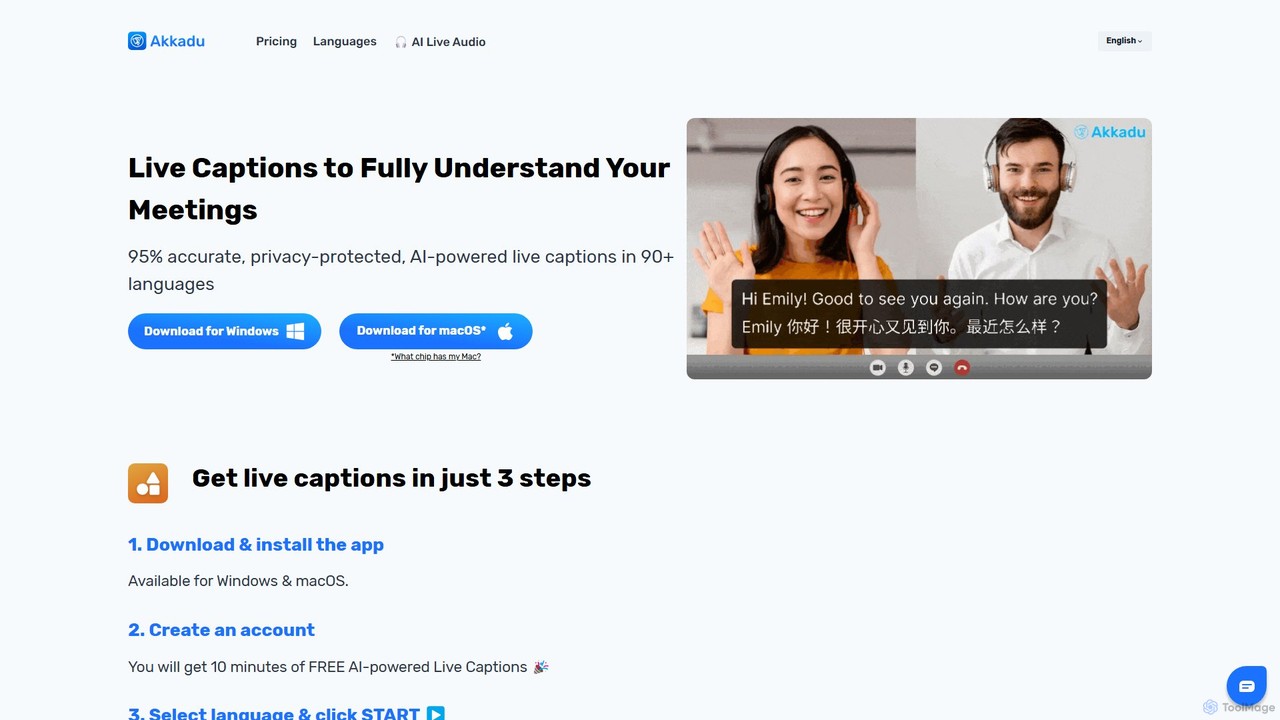
AI Meeting tools are specialized applications designed to streamline and enhance the entire meeting lifecycle, from preparation to follow-up. Leveraging advanced artificial intelligence technologies such as natural language processing, speech-to-text transcription, and machine learning, these tools automate many administrative tasks associated with meetings. They enable users to efficiently generate agendas, accurately transcribe spoken discussions, automatically summarize key decisions and action items, and facilitate seamless follow-up processes. This automation significantly improves collaboration, ensures precise record-keeping, and reduces the administrative burden on participants, allowing teams to focus more on strategic discussions and productive outcomes.
Core Features
- Real-time Transcription: Automatically converts spoken words into accurate text during live meetings, providing a searchable record.
- Automated Summarization: Generates concise, AI-powered summaries of meeting discussions, highlighting key points, decisions, and outcomes.
- Speaker Identification: Accurately identifies and labels different speakers in the transcript, enhancing clarity and accountability.
- Action Item Extraction: Automatically detects and lists assigned tasks, deadlines, and responsible parties from the conversation.
- Agenda Management & Time Tracking: Helps create, share, and manage meeting agendas, often including features to track discussion time per topic.
Applicable Scenarios
AI Meeting tools are invaluable for diverse professional settings. Project managers use them to capture detailed notes and action items from weekly stand-ups, ensuring no task is missed. Sales teams leverage these tools to transcribe client calls, allowing for easy review of feedback and training new representatives. Corporate boards and legal teams rely on them for precise, verifiable records of critical discussions, aiding compliance and decision-making processes.
How to Choose
When selecting an AI Meeting tool, prioritize several key factors. Evaluate the accuracy of transcription, especially for varied accents and technical jargon. Consider its integration capabilities with your existing video conferencing platforms (e.g., Zoom, Microsoft Teams) and calendar systems. Assess the security and privacy protocols, ensuring compliance with data protection regulations like GDPR or HIPAA. Finally, examine the quality and customizability of its automated summarization and action item extraction features to match your specific needs.