ToolMage
Sign in

Best 1 Relationship AI tools for Communication

Popular Relationship AI tools in Communication include Empai, helping you work more efficiently.

Empai
Freemium

Empai

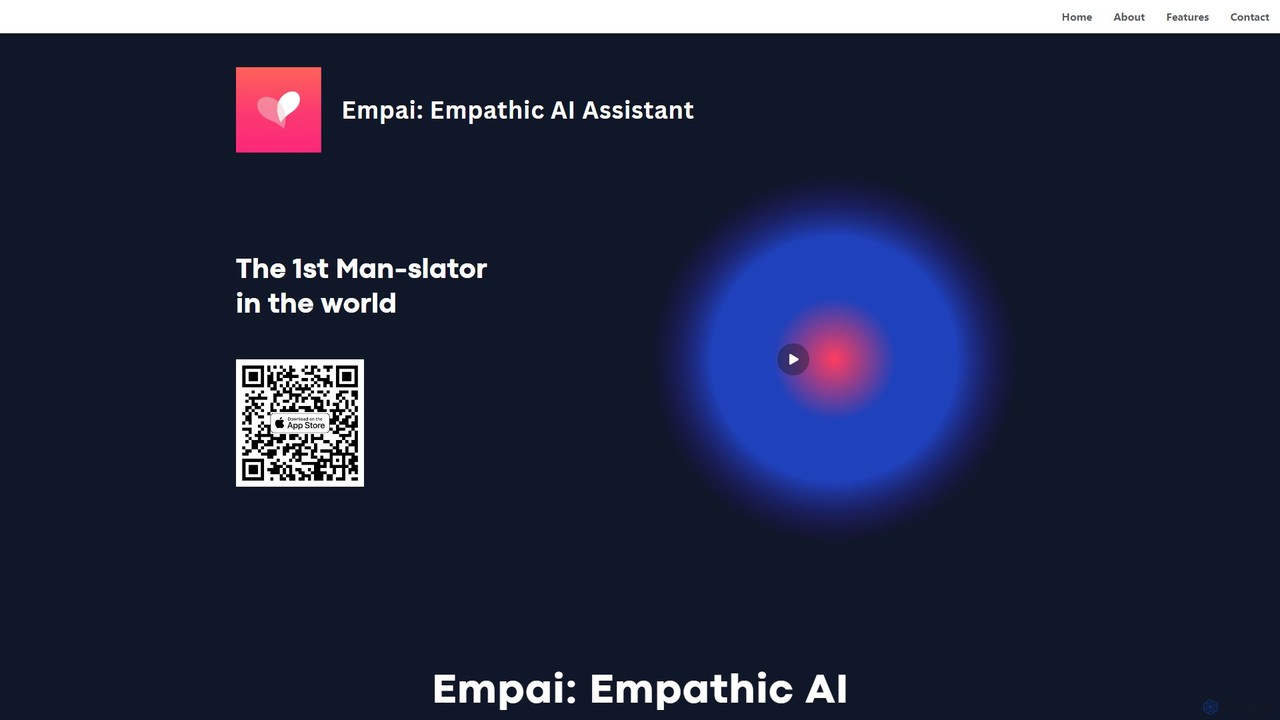
Empai is an empathic AI assistant designed to improve communication by decoding the true meaning behind words. It helps users craft more passionate and understanding messages, manage emotional conversations, and de-escalate conflicts. Whether you're looking to add a spark to your relationship or navigate difficult discussions, Empai acts as your personal 'man-slator' to foster deeper connections and heartfelt expression.

Relationship
Visits 7.1KFavorites 142Likes 162

About Relationship

AI Relationship tools are a specialized category of artificial intelligence applications designed to understand, analyze, and enhance human interactions and connections. Leveraging advanced natural language processing (NLP), sentiment analysis, and behavioral analytics, these tools provide deep insights into communication patterns, emotional cues, and relationship dynamics. They extend the capabilities of general AI communication tools by focusing specifically on fostering stronger bonds, optimizing networking, and personalizing outreach across various personal, professional, and customer-facing contexts, ultimately aiming to improve the quality and effectiveness of human relationships.

Core Features

  • Sentiment Analysis: Evaluates the emotional tone and intent in written or spoken communication, offering crucial insights into interaction quality and potential misunderstandings.
  • Personalized Communication Suggestions: Generates tailored message recommendations, conversation starters, or response templates based on individual profiles, past interactions, and relationship goals.
  • Relationship Health Monitoring: Tracks interaction frequency, engagement levels, and sentiment trends over time to identify potential issues, strengthen connections, or highlight opportunities for deeper engagement.
  • AI-powered Matching & Networking: Utilizes sophisticated algorithms to suggest compatible personal matches or professional connections based on shared interests, goals, communication styles, and behavioral data.
  • Automated Engagement & Follow-ups: Facilitates consistent interaction by scheduling and personalizing outreach messages, reminders, or relevant content delivery, ensuring relationships remain active and nurtured.

Applicable Scenarios

These tools are invaluable for individuals seeking to improve personal connections, professionals aiming to expand and nurture their network, and businesses focused on enhancing customer loyalty and engagement. Specific applications range from optimizing dating platform compatibility and personalizing client engagement in sales to fostering healthier collaboration dynamics within corporate teams and providing empathetic support in AI companion applications.

How to Choose

When selecting an AI Relationship tool, it's crucial to consider the specific type of relationship you aim to enhance—be it personal, professional, or customer-centric—and the tool's integration capabilities with your existing communication platforms. Evaluate its data privacy and security policies, the level of personalization offered, and the accuracy of its analytical insights. Additionally, assess its scalability to grow with your needs and the ease of use for your target audience to ensure it effectively supports your relationship goals.

Relationship use cases

1

Personalized Dating & Social Matching

AI analyzes user profiles, preferences, and communication styles to suggest highly compatible matches on dating apps or social platforms, moving beyond superficial criteria. This helps individuals find more meaningful connections by identifying deeper commonalities and predicting interaction success, saving time and improving satisfaction with online social experiences.

2

Enhancing Customer Relationship Management (CRM)

Sales and support teams use AI to analyze customer interaction history, predict churn risk, and suggest personalized communication strategies or product recommendations. This proactive approach improves customer satisfaction, increases retention rates, and optimizes resource allocation by focusing efforts on customers who need it most, leading to stronger customer loyalty.

3

Optimizing Professional Networking

Professionals leverage AI to identify relevant industry contacts, suggest personalized outreach messages for introductions, and track engagement. This facilitates meaningful connections and career growth by helping users strategically expand their professional network, identify collaboration opportunities, and maintain valuable relationships with minimal effort, leading to enhanced professional visibility.

4

Fostering Team Collaboration & Dynamics

HR and team leaders deploy AI to analyze communication patterns within internal platforms, identify potential conflicts or communication bottlenecks, and suggest interventions. This helps improve team cohesion, productivity, and employee well-being by providing actionable insights into team dynamics, facilitating smoother workflows, and proactively addressing issues before they escalate.

5

AI Companion for Emotional Support

Individuals utilize AI companions that learn their communication style and emotional needs, providing empathetic responses, conversation practice, or gentle reminders for self-care. This offers accessible and non-judgmental support, helping users manage stress, practice social skills, and enhance their overall emotional well-being in a private and convenient manner.

6

Personalized Sales Prospecting & Engagement

Sales professionals use AI to analyze prospect data, tailor initial outreach messages and follow-ups based on perceived needs and interests, and optimize timing for maximum engagement. This significantly improves conversion rates by ensuring highly relevant and timely communication, building rapport more effectively, and streamlining the sales pipeline for better results.

Relationship FAQ

What are AI Relationship tools and how do they relate to communication?

AI Relationship tools are specialized AI applications that analyze and enhance human interactions by leveraging data like communication patterns and emotional cues. While general AI communication tools focus on tasks like message generation or translation, relationship tools delve deeper into the quality and dynamics of connections. They provide insights to foster stronger personal, professional, or customer bonds, helping users understand and improve the underlying communication that builds and maintains relationships over time.

How do AI Relationship tools personalize interactions?

These tools personalize interactions by analyzing vast amounts of data, including past conversations, user preferences, behavioral patterns, and sentiment. They use this analysis to generate tailored communication suggestions, recommend specific actions, or adapt their responses to individual needs. This deep personalization helps create more meaningful and effective engagements, whether it's suggesting a thoughtful follow-up message or identifying a compatible match for a user.

What are the key considerations when choosing an AI Relationship tool?

When selecting an AI Relationship tool, prioritize data privacy and security, as these tools often handle sensitive personal or business information. Consider its integration capabilities with your existing communication platforms (e.g., CRM, messaging apps). Evaluate the tool's specific focus (personal, professional, customer) and the depth of its analytical insights. Finally, assess its customization options and user-friendliness to ensure it aligns with your specific relationship goals and workflow.

Can AI Relationship tools be used for both personal and professional connections?

Yes, AI Relationship tools are versatile and can be applied to both personal and professional contexts. For personal use, they might assist with dating app matching, social networking, or even provide AI companionship for emotional support. In professional settings, they enhance customer relationship management (CRM), optimize sales prospecting, facilitate team collaboration, and aid in professional networking by suggesting relevant connections and personalized outreach strategies.

How do AI Relationship tools differ from general AI communication tools?

While both categories involve AI and communication, AI Relationship tools have a distinct focus on the quality, dynamics, and long-term health of human connections. General AI communication tools might focus on tasks like language translation, content generation, or basic chatbot interactions. Relationship tools go beyond mere message delivery; they analyze sentiment, predict behaviors, and offer strategic insights to build, maintain, and improve the underlying bonds between individuals or entities, making communication more effective for relationship building.