ToolMage
Sign in

Best 1 Social Networking AI tools for Communication

Popular Social Networking AI tools in Communication include LemonChat, helping you work more efficiently.

LemonChat
Freemium

LemonChat

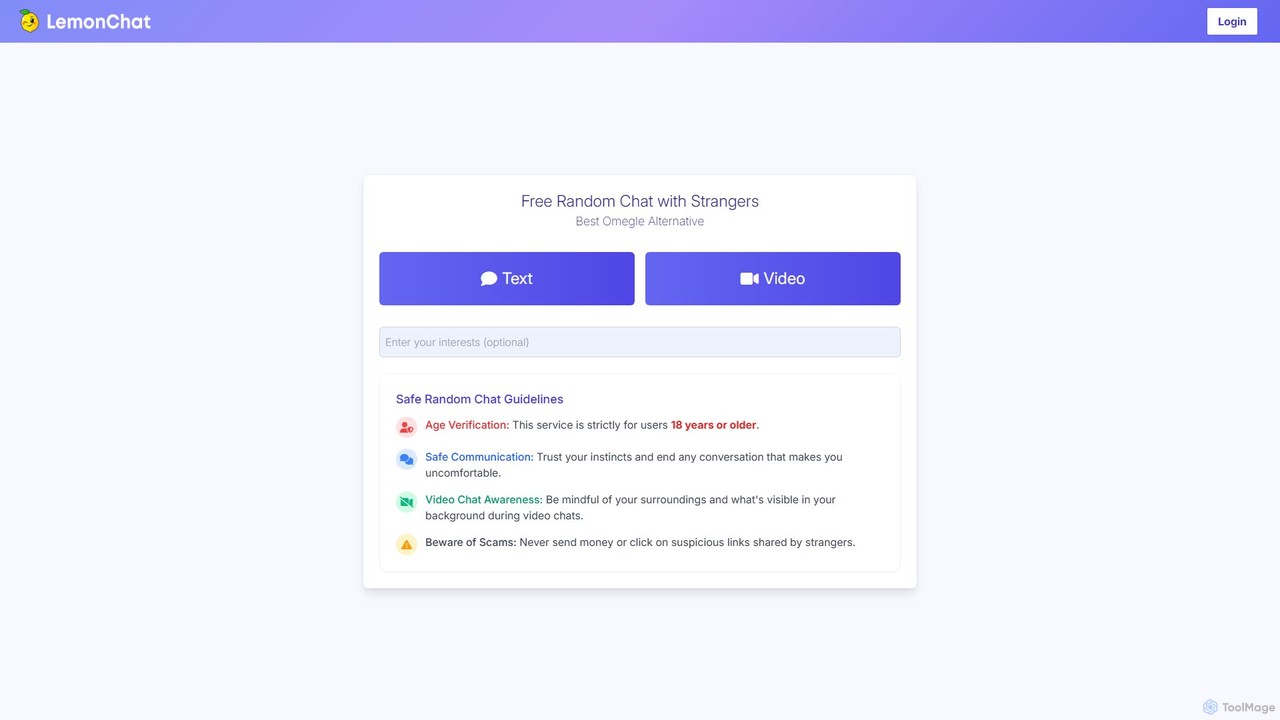
An AI-enhanced platform for free, anonymous random chat with strangers. Connect instantly for spontaneous text conversations. Premium features include a gender filter, image sharing, and an ad-free experience to enhance your social interactions.

Social Networking
Visits 224.8KFavorites 117Likes 108

About Social Networking

AI Social Networking tools are applications that use artificial intelligence to manage, optimize, and analyze interactions on social media platforms. They leverage machine learning and natural language processing to automate content creation, identify optimal posting times, and derive insights from audience engagement data. This enables marketers, creators, and community managers to build stronger online communities and grow their presence more efficiently. Unlike general communication tools, they focus specifically on the dynamics of public engagement, trend analysis, and large-scale audience interaction.

Core Features

  • AI Content Generation: Automatically creates engaging posts, captions, and relevant hashtags based on prompts or existing content.
  • Smart Scheduling: Analyzes audience activity to recommend or automatically schedule posts for maximum reach and engagement.
  • Sentiment & Trend Analysis: Monitors brand mentions and conversations to gauge public sentiment and identify emerging industry trends.
  • Audience Analytics: Provides deep insights into follower demographics, interests, and behavior patterns to refine content strategy.
  • Automated Engagement: Uses AI to generate replies to common comments or messages and moderate user-generated content.

Applicable Scenarios

These tools are widely used by social media managers, digital marketing agencies, brand strategists, and content creators. For instance, a marketing team can use them to manage multiple client accounts from a single dashboard, while an e-commerce brand can track campaign performance and competitor activity in real-time. They are essential for any role that requires data-driven social media management.

Selection Criteria

When choosing an AI Social Networking tool, consider the platforms it supports (e.g., Instagram, TikTok, LinkedIn). Evaluate the depth of its analytics and reporting features. Assess its content creation capabilities—does it generate from scratch or curate existing content? Finally, consider its integration options with other marketing software and its pricing model relative to your team's size and needs.

Social Networking use cases

1

Automating Social Media Content Calendars

A marketing team at a growing startup needs to maintain a consistent presence across five different social platforms. Using an AI Social Networking tool, they input key campaign themes and target audience profiles. The AI generates a month's worth of diverse content ideas, including post copy, image suggestions, and relevant hashtags. The team reviews and approves the content, and the tool's smart scheduler automatically posts each piece at the optimal time for each platform, saving the team over 20 hours of manual work per month and increasing overall engagement by 15%.

2

Monitoring Brand Sentiment and Industry Trends

A public relations manager for a global consumer brand uses an AI tool for social listening. The tool continuously scans social media platforms, blogs, and news sites for mentions of their brand and key competitors. It uses sentiment analysis to categorize mentions as positive, negative, or neutral, providing a real-time dashboard of public perception. The AI also identifies emerging topics and trending conversations within their industry, allowing the PR manager to proactively join relevant discussions and shape the brand's narrative before trends become mainstream.

3

Identifying and Vetting Potential Influencers

A digital marketing agency is tasked with finding micro-influencers for a new fashion client. Instead of manually searching hashtags, they use an AI-powered discovery tool. The tool analyzes millions of creator profiles, identifying influencers whose audience demographics (age, location, interests) perfectly match the client's target customer. It goes beyond follower counts, providing an 'authenticity score' by analyzing engagement patterns to flag accounts with fake followers. This data-driven approach allows the agency to build a highly relevant and effective influencer roster in a fraction of the time.

4

Managing Online Community Engagement at Scale

A community manager for a popular open-source software project deals with hundreds of questions and comments daily across Discord and Twitter. They use an AI tool to help manage the influx. The AI automatically identifies and answers frequently asked questions with pre-approved responses. It also flags comments containing negative sentiment or potential spam for human review. This allows the manager to focus their time on more complex user issues and fostering positive, high-value conversations, rather than being bogged down by repetitive inquiries.

5

Analyzing Competitor Social Media Strategies

A brand strategist for an e-commerce company wants to understand why a key competitor's social media engagement is growing rapidly. They use an AI analytics tool to track the competitor's accounts. The tool analyzes post frequency, content formats (video vs. image), caption sentiment, and hashtag strategy. It generates a report highlighting that the competitor's success is driven by short-form video content posted during weekday lunch hours. Armed with this specific insight, the strategist adjusts their own content plan to test a similar approach, leading to a measurable lift in their engagement metrics.

6

Personalizing Follower Interactions for Creators

A solo content creator with a large following receives hundreds of direct messages (DMs) and comments daily, making it impossible to reply to everyone personally. They use an AI tool that analyzes incoming messages to categorize them by intent (e.g., question, compliment, collaboration request). The AI then suggests personalized reply templates for each category, allowing the creator to respond to a much larger volume of messages with a personal touch. This strengthens the creator-follower relationship and fosters a more engaged community without requiring a full-time assistant.

Social Networking FAQ

What are AI Social Networking tools?

AI Social Networking tools are software applications designed to automate, analyze, and optimize social media management tasks using artificial intelligence. They go beyond simple scheduling by leveraging machine learning to perform complex functions. Key features often include generating content like posts and captions, analyzing audience data for insights, recommending the best times to post for maximum engagement, and monitoring brand sentiment across platforms. They act as intelligent assistants for social media managers, marketers, and creators.

How do I choose the right AI Social Networking tool?

To choose the right tool, evaluate these key factors:

  • Supported Platforms: Ensure the tool integrates with the social media channels most important to you (e.g., Instagram, TikTok, LinkedIn, X).
  • Core Features: Determine your primary need. Is it content generation, in-depth analytics, community moderation, or influencer discovery? Choose a tool that excels in that area.
  • Ease of Use: Look for a tool with an intuitive user interface and a gentle learning curve, especially if your team is not highly technical.
  • Pricing and Scalability: Consider your budget and future growth. Check if the pricing model (per user, per account) aligns with your needs and if it can scale as your social media presence grows.
What's the difference between an AI Social Networking tool and a simple scheduler?

The primary difference lies in intelligence and functionality. A simple scheduler is a basic automation tool that posts pre-made content at a time you manually set. An AI Social Networking tool is a strategic partner. It can not only schedule posts but also suggest the optimal time to post based on data, help generate the content itself, analyze the performance of your posts, track competitor activity, and provide actionable insights to improve your overall social media strategy. In short, a scheduler executes commands, while an AI tool provides analysis and recommendations.

Who can benefit from using AI Social Networking tools?

A wide range of professionals can benefit from these tools. Social Media Managers can automate routine tasks and focus on strategy. Digital Marketing Agencies can manage multiple client accounts efficiently and provide data-backed reports. Small Business Owners can maintain a professional social media presence without a dedicated team. Content Creators can streamline their content creation and scheduling process. Finally, Brand and PR Managers can use them for social listening to monitor brand health and manage public perception.

Can AI tools completely replace a human social media manager?

No, AI tools are best viewed as powerful assistants, not replacements. They excel at data processing, pattern recognition, and automating repetitive tasks, which frees up human managers to focus on higher-level work. Humans are still essential for tasks that require genuine creativity, strategic thinking, nuanced brand voice, authentic relationship-building, and crisis management. The most effective social media strategies combine the analytical power and efficiency of AI with the strategic oversight and emotional intelligence of a human professional.