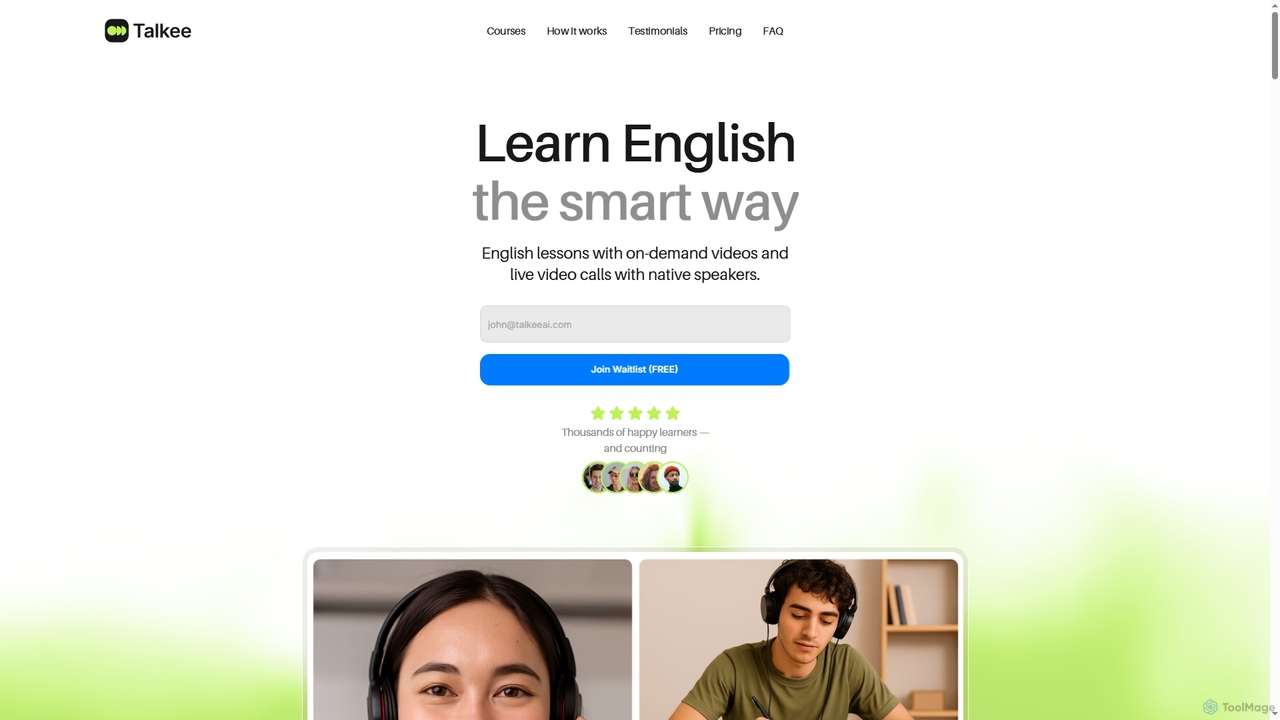
Speaking Practice tools are AI-powered platforms designed to help users improve their verbal communication skills in various languages. Leveraging advanced speech recognition, natural language processing, and generative AI, these tools provide interactive environments for users to practice pronunciation, fluency, vocabulary, and conversational skills. They offer personalized feedback, simulated dialogues, and role-playing scenarios, making language learning more accessible and effective for individuals aiming to speak with confidence and clarity.
Core Features
- AI-Powered Pronunciation Analysis: Provides real-time feedback on pronunciation, intonation, and rhythm, often highlighting specific sounds or words needing improvement.
- Interactive Conversational AI: Engages users in dynamic dialogues, simulating real-life conversations to build fluency and spontaneous response capabilities.
- Vocabulary and Grammar Correction: Identifies grammatical errors and suggests appropriate vocabulary usage within spoken responses, enhancing linguistic accuracy.
- Role-Playing Scenarios: Offers diverse simulated situations (e.g., job interviews, travel, customer service) for practicing context-specific communication.
- Performance Tracking and Progress Reports: Monitors user progress over time, showing improvements in fluency, accuracy, and confidence.
Applicable Scenarios
These tools are invaluable for language learners preparing for exams like IELTS or TOEFL, professionals needing to refine their business English for international meetings, and travelers wanting to confidently navigate foreign countries. They also serve individuals seeking to overcome speaking anxiety or simply maintain their language proficiency through regular practice.
How to Choose
When selecting a speaking practice tool, consider the target language and specific skills you wish to improve (e.g., pronunciation, fluency, business English). Evaluate the quality of AI feedback, the variety of conversational scenarios offered, and the depth of performance analytics. User interface, pricing model, and the availability of human tutor integration (if desired) are also important factors for a comprehensive learning experience.