Content Creation Best in category 6 results Book Writing AI Tool

Popular AI tools in the Book Writing field of Content Creation include AI Book Generator、lingoXpress、Book Wizard AI、Phasma、WriterCasa、Gaggio Writer, etc., helping you quickly improve efficiency.

Gaggio Writer

Gaggio Writer

Gaggio Writer is an AI writing assistant specifically designed for non-fiction authors, enabling them to draft complete books …

3.0K
WriterCasa

WriterCasa

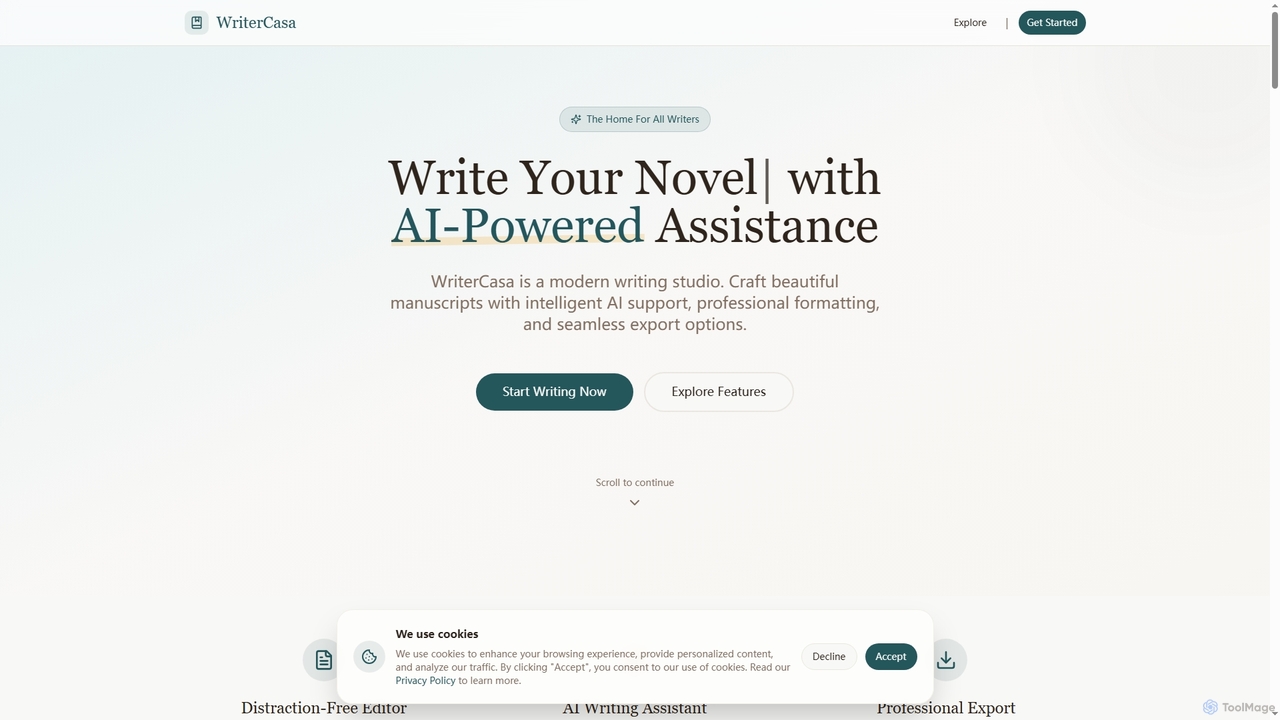
WriterCasa is an AI-powered book writing studio designed for authors to craft beautiful manuscripts with intelligent assistance. It …

3.1K
lingoXpress

lingoXpress

lingoXpress is an AI-powered platform offering affordable language learning resources. It provides books, mini-guides, and materials for nearly …

5.4K
Book Wizard AI

Book Wizard AI

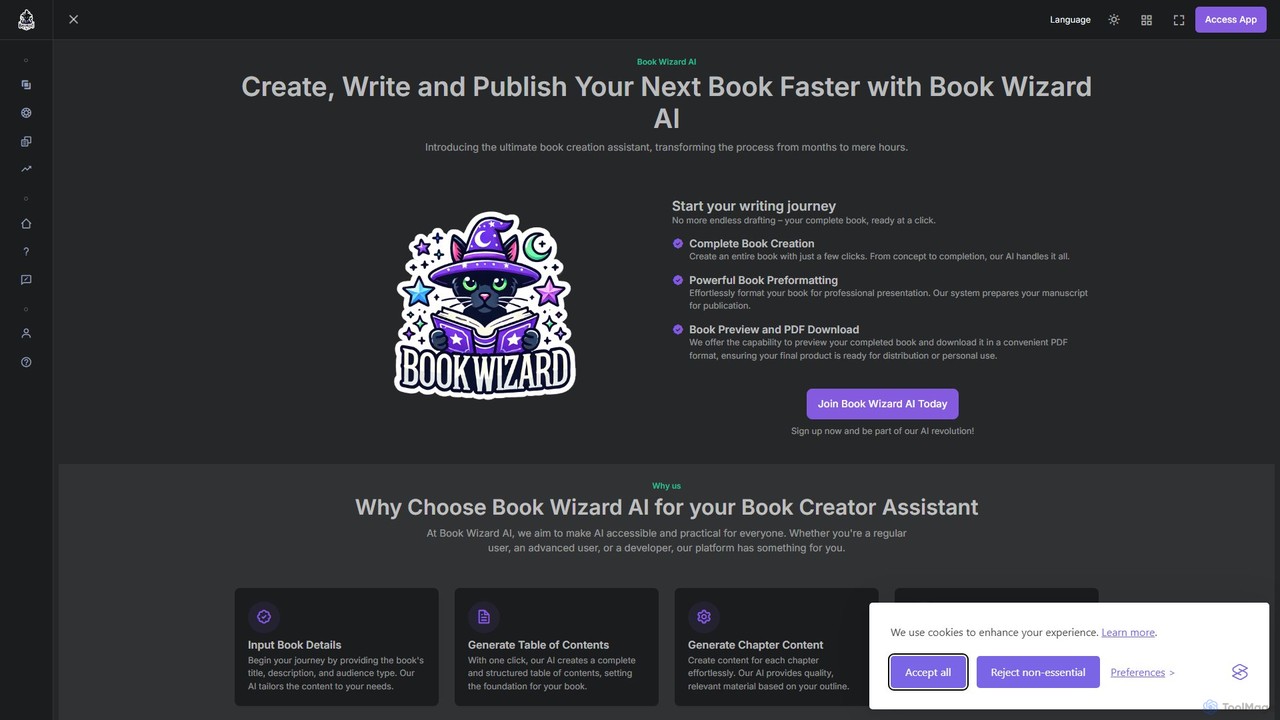
Book Wizard AI is an AI-powered book creation assistant that transforms the writing process from months to hours. …

5.1K
Phasma

Phasma

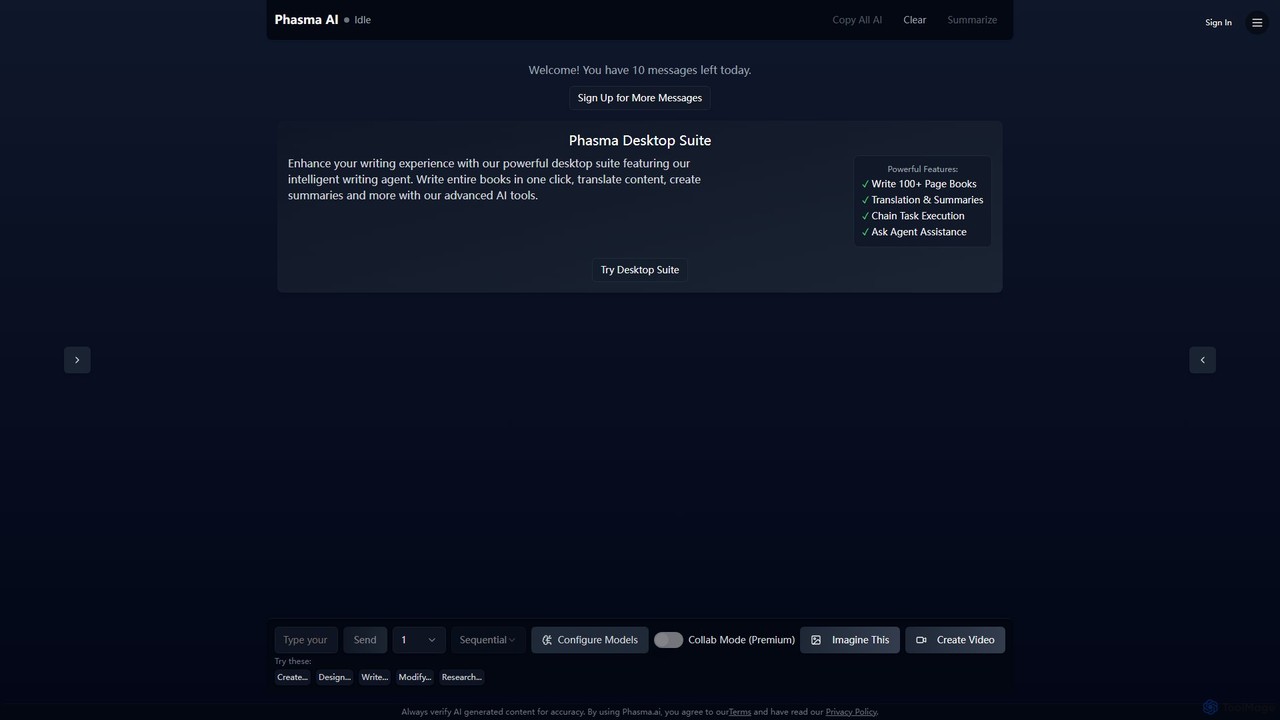
Phasma is an advanced AI writing suite featuring an intelligent agent and a powerful desktop application. It enables …

3.3K
AI Book Generator

AI Book Generator

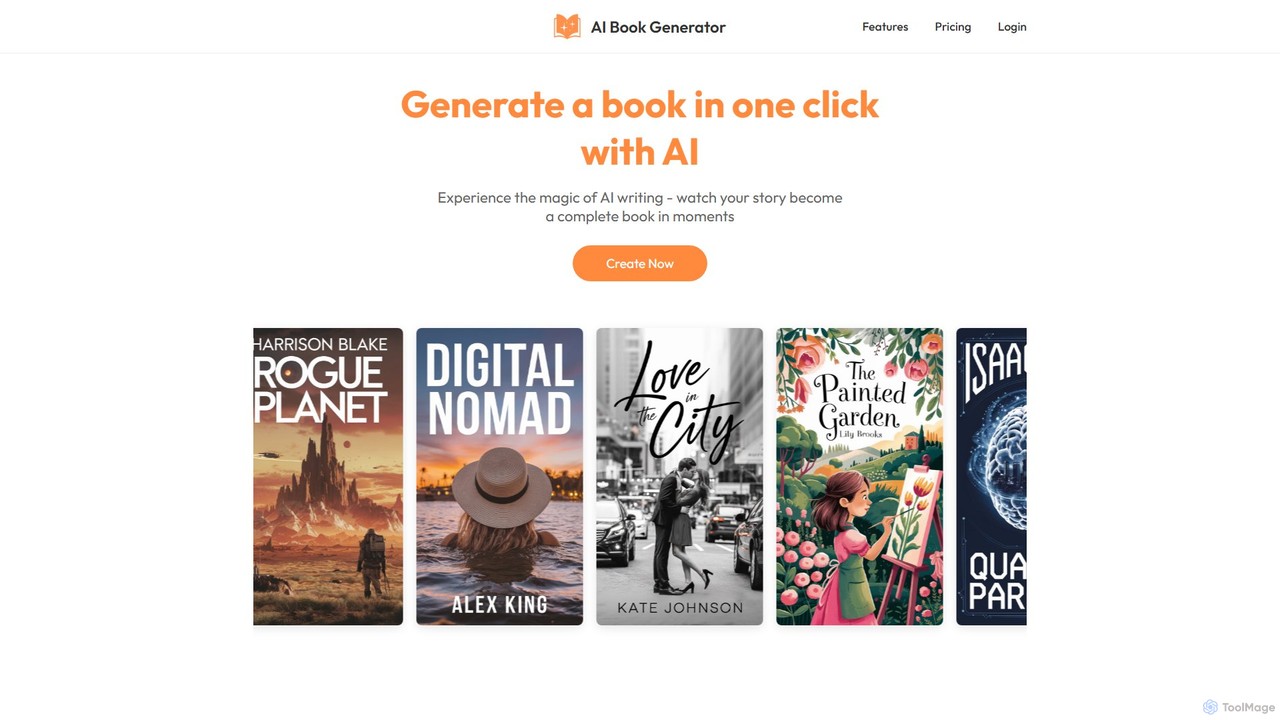
AI Book Generator is a powerful tool that enables users to create complete ebooks with just one click. …

15.8K

About Book Writing

AI Book Writing tools are specialized platforms designed to assist authors in creating long-form narratives and manuscripts. Leveraging advanced language models, these tools help manage complex story structures, from initial brainstorming and outlining to drafting entire chapters. They provide structured support for plot development, character creation, and maintaining a consistent tone, which sets them apart from general-purpose text generators. This makes them valuable for both fiction and non-fiction writers looking to streamline their creative process.

Core Features

  • Plot & Outline Generation: Creates structured story arcs, chapter breakdowns, and plot points based on user prompts.
  • Character Development: Generates detailed character profiles, backstories, motivations, and dialogue.
  • AI-Assisted Drafting: Helps write or expand scenes, paragraphs, and chapters based on an established outline.
  • Style & Tone Analysis: Ensures narrative consistency across the entire manuscript.
  • World-Building Assistance: Provides ideas and descriptions for settings, cultures, and histories in fantasy or sci-fi genres.

Use Cases

These tools are widely used by novelists to overcome writer's block, non-fiction authors to structure complex information, and screenwriters to map out intricate plots. They are also beneficial for aspiring writers who need guidance in story construction and for publishers exploring efficient content creation workflows.

How to Choose

When selecting an AI book writing tool, consider its specialization in your genre (e.g., fiction, mystery, non-fiction). Evaluate the level of creative control it offers, from simple suggestions to full chapter generation. Also, check for integration with standard writing software and assess the pricing model to ensure it aligns with your project's scope.

Book WritingUse Cases

1

Breaking Through Writer's Block for a Novel

A fiction author is stuck in the middle of their second act, unsure how to advance the plot. Using an AI book writing tool, they input their current chapter summary and character motivations. The AI generates several potential plot twists and scene ideas. The author selects one, uses the tool to draft a rough version of the next scene, and successfully regains momentum. This process turns hours of frustration into a productive 30-minute brainstorming and drafting session, keeping the narrative on track.

2

Structuring a Complex Non-Fiction Book

An expert in renewable energy wants to write a comprehensive book but struggles with organizing vast amounts of information. They use an AI book writing tool to create a logical structure. By inputting key topics and research points, the tool generates a detailed table of contents with chapter and sub-chapter headings. It also suggests a logical flow for arguments and evidence, transforming a chaotic collection of notes into a clear, coherent manuscript outline ready for writing.

3

Developing Characters and Worlds for Fantasy Epics

A fantasy writer is creating a new world with complex magic systems and diverse cultures. They use the world-building feature of an AI tool to generate ideas for geography, political structures, and historical timelines. For characters, they input basic archetypes (e.g., 'reluctant hero,' 'wise mentor') and the AI produces detailed backstories, personality traits, and even sample dialogue that fits the world's lore. This accelerates the pre-writing phase significantly.

4

Drafting Multiple Book Chapters Consistently

An author working on a tight deadline for a book series needs to produce chapters quickly while maintaining a consistent tone and character voice. They feed their detailed outline for a chapter into the AI tool. The AI drafts the entire chapter, adhering to the specified plot points and character personalities. The author then spends their time refining and editing the AI-generated draft, rather than writing from scratch, cutting down drafting time by over 50%.

5

Refining Dialogue in a Screenplay

A screenwriter feels their dialogue is flat and predictable. They paste a scene into an AI book writing tool with a dialogue enhancement function. The tool analyzes the characters' established personalities and the scene's context. It then suggests alternative lines that are more impactful, reveal subtext, or sound more natural for each character. This helps the writer polish their script, making the character interactions more engaging and believable.

6

Creating a First Draft for a Biography

A biographer has compiled extensive research, interviews, and a timeline for their subject's life. To speed up the writing process, they use an AI tool to convert this structured data into a narrative first draft. They input the timeline and key events for each chapter. The AI weaves the facts into a readable prose, creating a foundational manuscript. The biographer can then focus on adding their unique voice, analysis, and storytelling flair during the editing phase.

Book WritingFrequently Asked Questions