Content Creation Best in category 10 results Social Media AI Tool

Popular AI tools in the Social Media field of Content Creation include Aivideogenerator、Bith.ai、SongR、DrawPost、digiface、wanx_ai、Ridiculousness、ComicLLM、4Posts、Mintly, etc., helping you quickly improve efficiency.

Mintly

Mintly

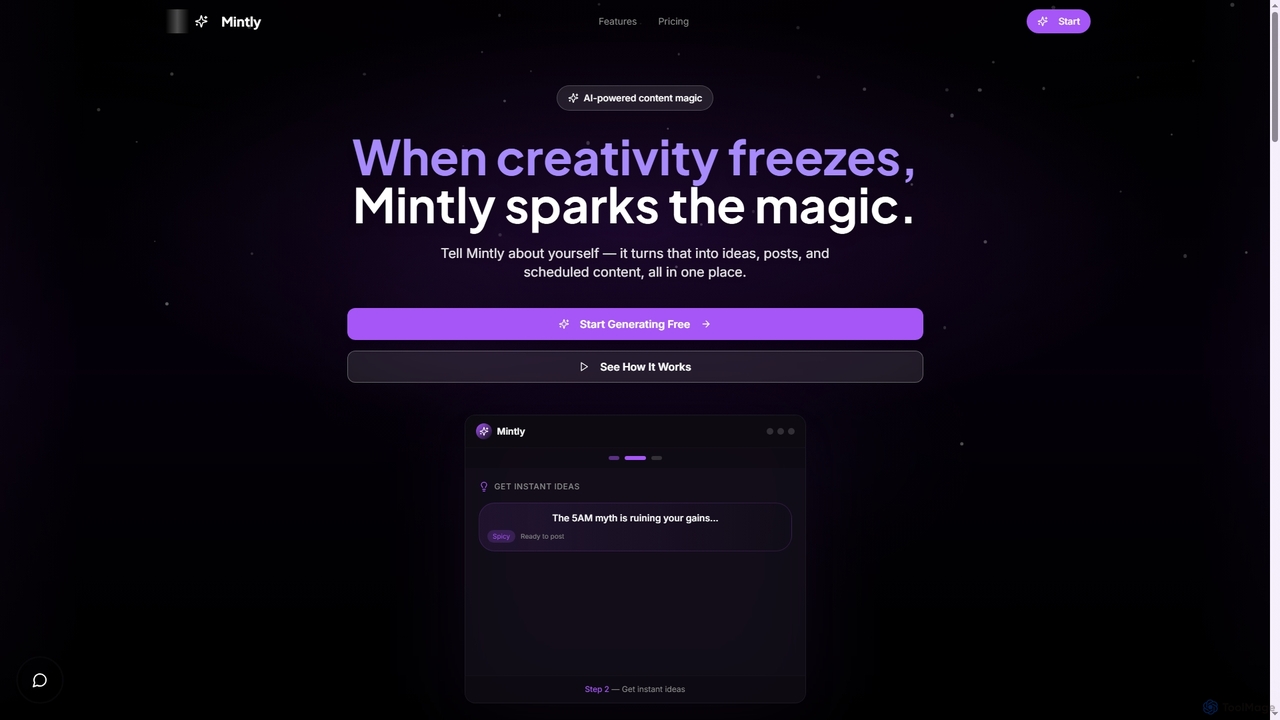
Mintly is an AI-powered content generation tool designed to spark creativity and streamline content creation for various social …

1.8K
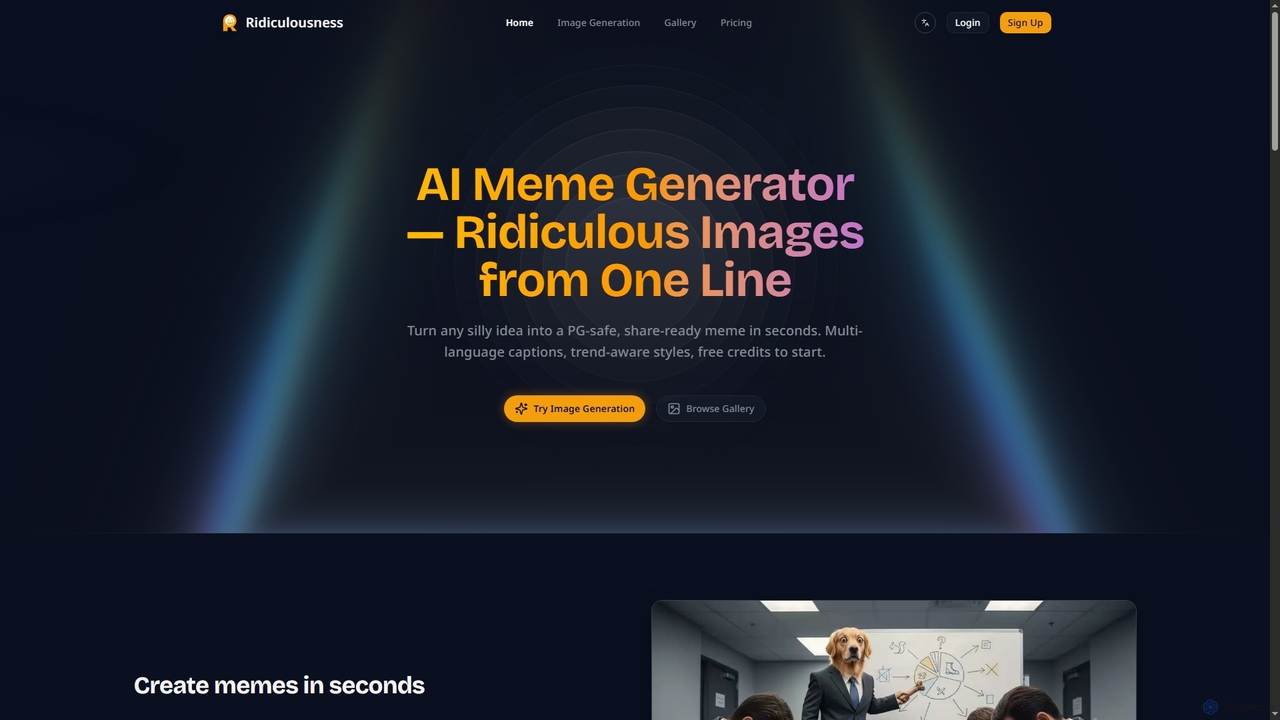
Ridiculousness

Ridiculousness

Ridiculousness is an innovative AI meme generator that transforms a single line of text into a PG-safe, share-ready …

1.9K
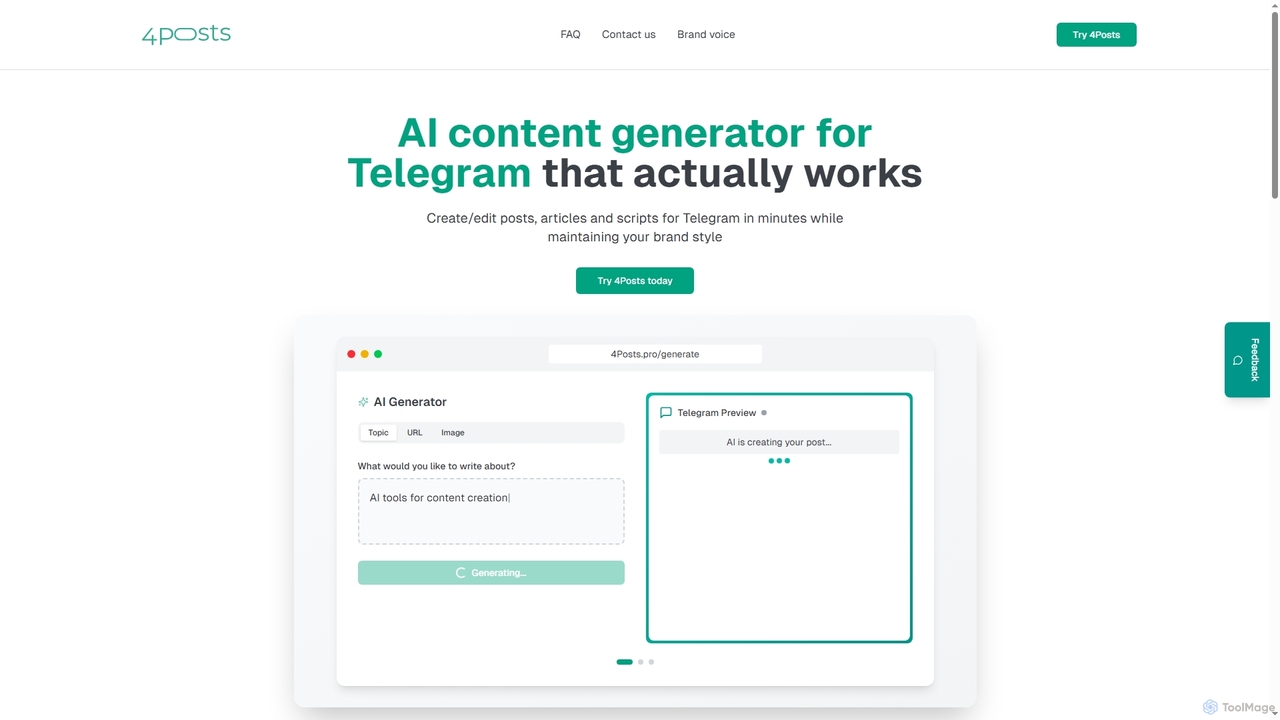
4Posts

4Posts

4Posts is an AI-powered content generator designed specifically for Telegram channels. It enables users to quickly create and …

1.8K
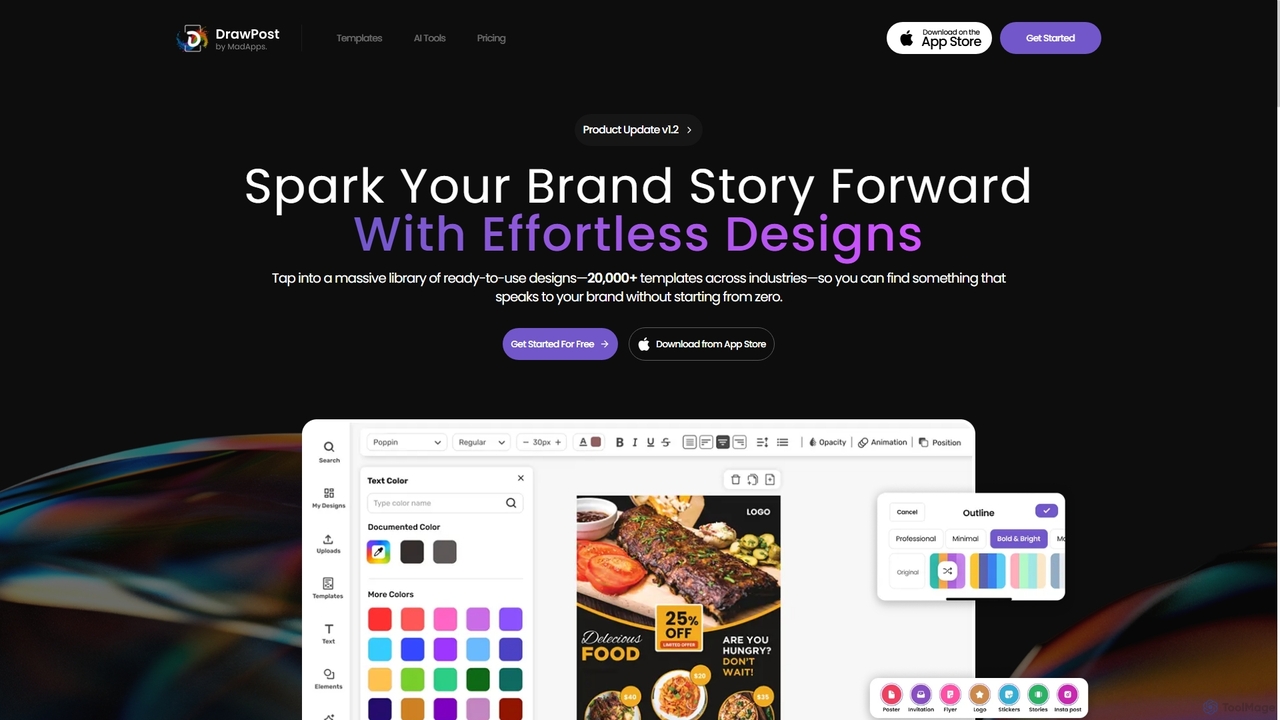
DrawPost

DrawPost

DrawPost is an AI-powered design tool that empowers creators to produce stunning visuals effortlessly. With access to over …

4.5K
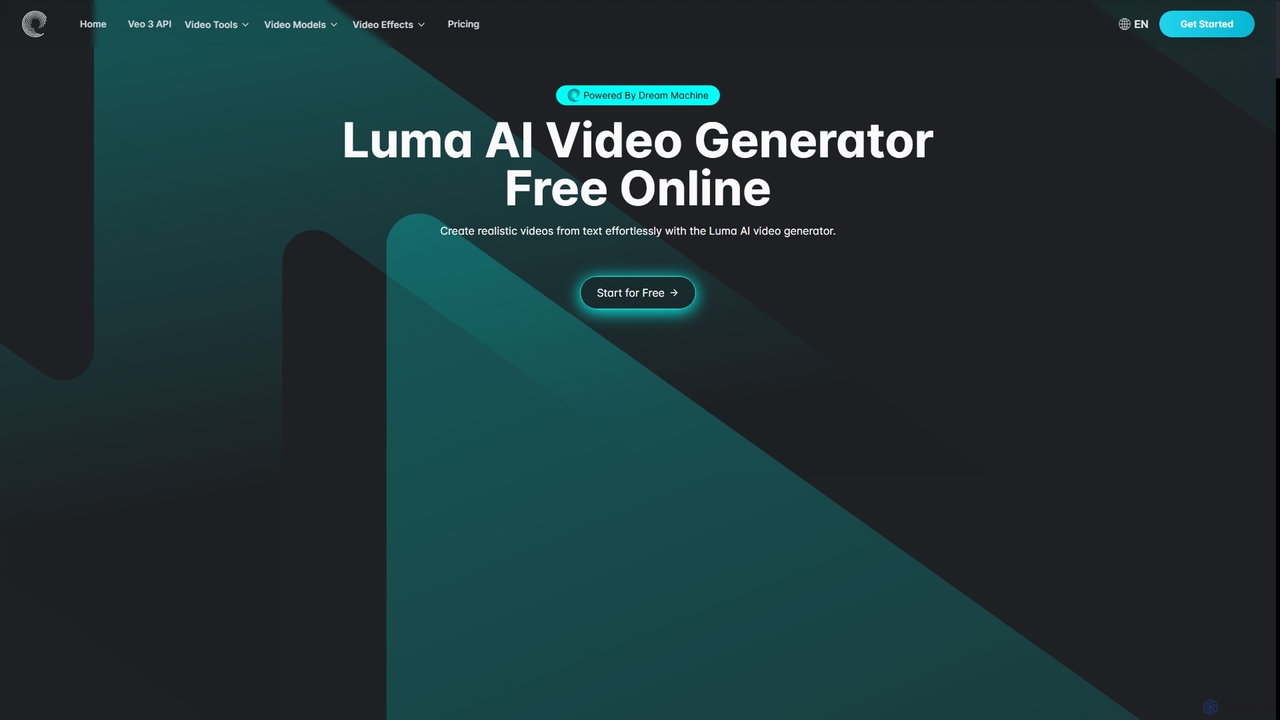
Aivideogenerator

Aivideogenerator

Aivideogenerator is a versatile AI video creation platform that transforms text prompts and static images into realistic, high-quality …

115.6K
ComicLLM

ComicLLM

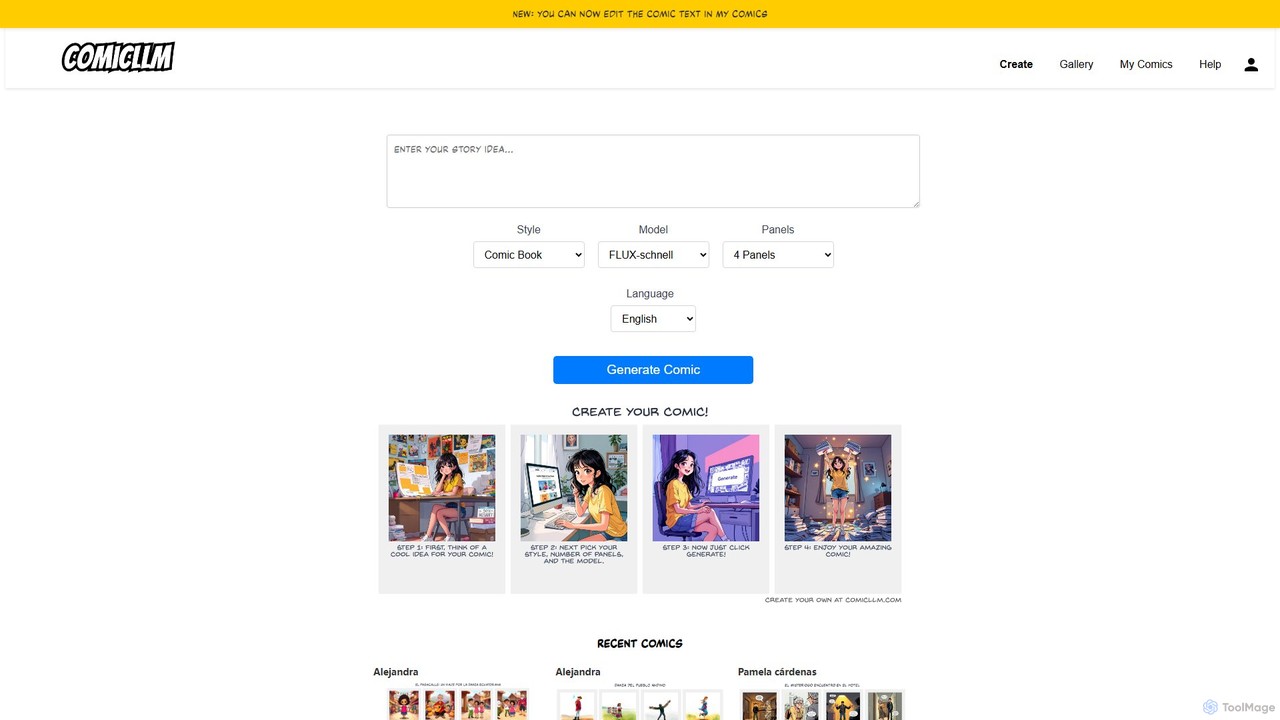
ComicLLM is an AI-powered tool that transforms your story ideas into complete comics. Simply provide a prompt, and …

1.9K
SongR

SongR

SongR is an AI-powered song generator that transforms your text prompts into complete, custom songs with lyrics, vocals, …

12.5K
digiface

digiface

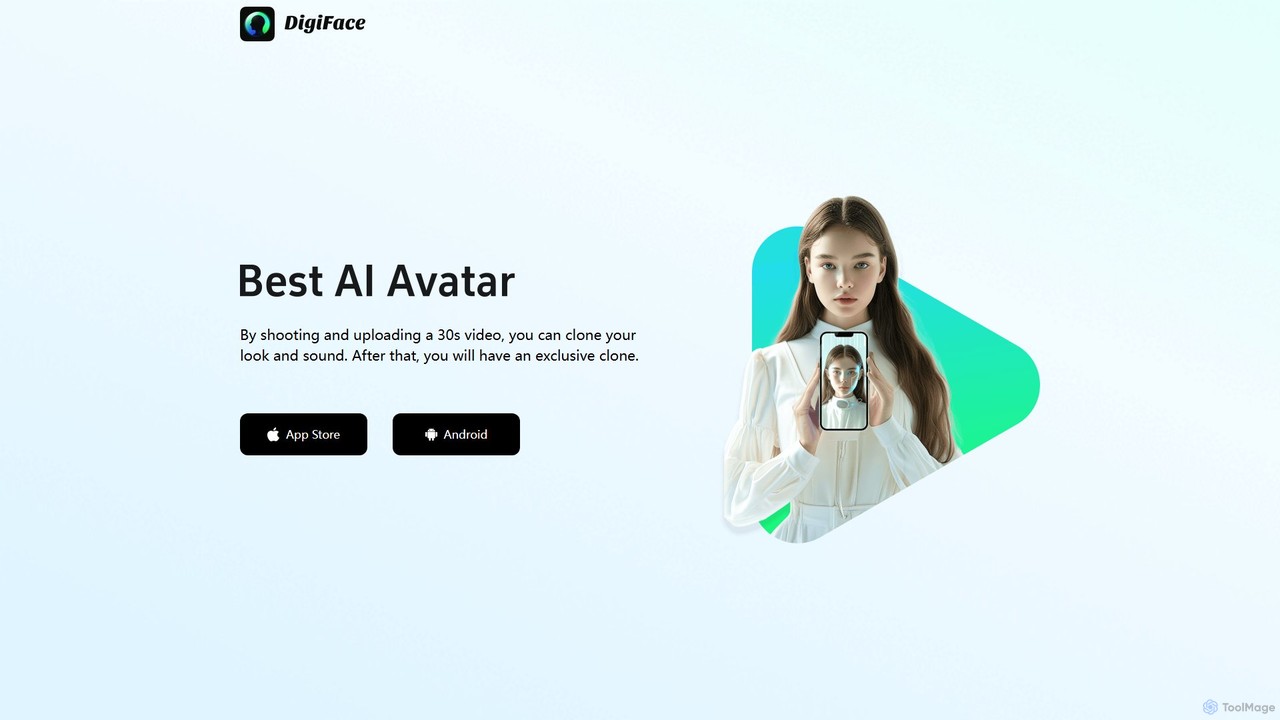
digiface is an AI-powered mobile application that allows you to create a realistic digital clone of yourself, including …

2.4K
wanx_ai

wanx_ai

wanx_ai is a state-of-the-art AI video generator that transforms text prompts into high-quality, professional videos. Powered by a …

2.0K
Bith.ai

Bith.ai

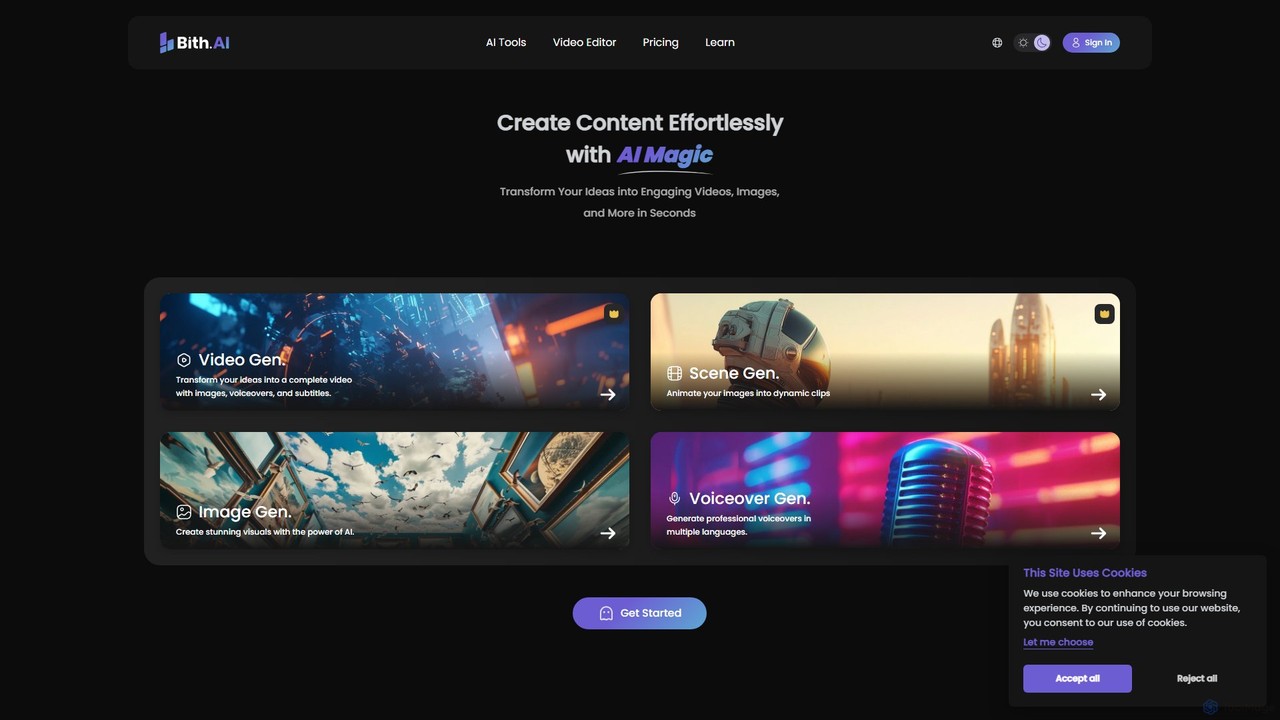
Bith.ai is an all-in-one AI-powered content creation suite designed to simplify your creative workflow. Effortlessly transform your ideas …

58.6K

About Social Media

AI Social Media tools are a specialized category of content creation software that uses artificial intelligence to automate, analyze, and optimize social media management. These tools leverage machine learning algorithms to generate engaging posts, schedule content at optimal times, and provide deep audience insights. They empower users to manage multiple platforms efficiently, enhance their content strategy, and achieve better engagement with data-driven decisions. This moves beyond simple scheduling to offer predictive analytics and content personalization at scale.

Core Features

  • AI Content Generation: Automatically creates captions, post ideas, hashtags, and even simple visuals tailored to specific platforms.
  • Predictive Scheduling: Analyzes past performance and audience activity to recommend the best times to post for maximum reach and engagement.
  • Sentiment Analysis: Monitors brand mentions and comments to gauge public opinion and identify customer service issues or opportunities.
  • Performance Analytics & Reporting: Gathers data from multiple accounts and generates comprehensive reports with actionable AI-driven insights.
  • Automated Community Management: Uses AI to provide instant replies to common questions and comments, filtering complex queries for human agents.

Use Cases

These tools are widely used by social media managers, digital marketing agencies, small business owners, and content creators. Common applications include managing a comprehensive content calendar across platforms like Instagram, Facebook, and LinkedIn, monitoring brand reputation in real-time, and optimizing paid advertising campaigns by identifying the most effective copy and creative.

How to Choose

When selecting an AI Social Media tool, consider the following: the specific platforms it supports, the depth and quality of its analytical features, the sophistication of its content generation capabilities, its ability to integrate with other marketing tools (like CRMs), and a pricing model that aligns with your number of accounts and team size.

Social MediaUse Cases

1

Automated Content Calendar Planning and Generation

A social media manager for a retail brand needs to maintain a consistent posting schedule across Instagram, Facebook, and Twitter. Instead of manually brainstorming ideas daily, they use an AI tool. By inputting brand keywords, target audience profiles, and campaign goals, the tool generates a month's worth of post ideas, complete with engaging captions, relevant hashtags, and suggestions for visual styles. It also analyzes audience activity patterns to create an optimal posting schedule, which can be approved and automated in a few clicks. This process reduces content planning time by over 60% and ensures a diverse, high-quality content mix that resonates with followers.

2

Real-time Brand Reputation Monitoring

A public relations team at a large tech company needs to track public sentiment across social media. They set up an AI social listening tool to monitor mentions of their brand, products, and key executives. The tool uses natural language processing (NLP) to perform real-time sentiment analysis, categorizing mentions as positive, negative, or neutral. It automatically flags significant spikes in negative sentiment and alerts the team via Slack, allowing them to address potential crises proactively. This automated monitoring helps protect the brand's reputation and provides valuable, unfiltered feedback for product development.

3

Optimizing Social Media Ad Campaign Performance

A digital marketer is running paid ad campaigns on Facebook and Instagram for an e-commerce store. To maximize return on ad spend (ROAS), they use an AI tool to analyze campaign data. The tool identifies the best-performing ad copy, headlines, and visual elements by testing numerous variations. It also analyzes audience engagement patterns to recommend the most effective targeting parameters and ad scheduling. Based on these insights, the marketer can reallocate their budget to the most successful ad sets, significantly improving click-through rates and lowering the cost per acquisition.

4

Identifying Emerging Trends and Topics

A content strategist for a media company wants to create content that capitalizes on viral trends. They use an AI-powered social media tool that analyzes conversations and content patterns across platforms like TikTok and Twitter. The tool identifies emerging topics, hashtags, and memes within their industry before they become mainstream. It provides data on the growth rate of these trends and the demographics of the audience engaging with them. This allows the strategy team to quickly produce relevant articles, videos, and posts, positioning their brand as a timely and authoritative voice in their niche.

5

Generating Insightful Performance Reports

An account manager at a marketing agency needs to create monthly performance reports for multiple clients. Manually compiling data from each social platform is time-consuming and prone to errors. By connecting all client accounts to an AI social media tool, the manager can automate this process. The tool aggregates key metrics like reach, engagement rate, and follower growth into a single dashboard. More importantly, its AI engine adds a layer of analysis, highlighting which content formats performed best, identifying audience growth drivers, and providing actionable recommendations for the next month's strategy. This saves hours of work and delivers more valuable, data-backed insights to clients.

6

Scaling Community Engagement with AI Assistance

A small e-commerce business owner wants to engage with every customer comment on their social media pages but lacks the time. They implement an AI community management tool. The tool is trained to recognize common questions about shipping, returns, and product availability, providing instant, accurate answers. For positive comments and mentions, it can generate personalized-sounding thank-you replies for the owner to quickly approve and post. More complex or negative comments are automatically flagged and assigned to the owner for a personal response. This allows the business to maintain a high level of customer engagement and responsiveness without hiring a dedicated support team.

Social MediaFrequently Asked Questions