ToolMage
Sign in

Best 3 Technical Writing AI tools for Content Creation

Popular Technical Writing AI tools in Content Creation include Waldium, 8n Docs, and Gobshelp, helping you work more efficiently.

Gobshelp
Freemium

Gobshelp

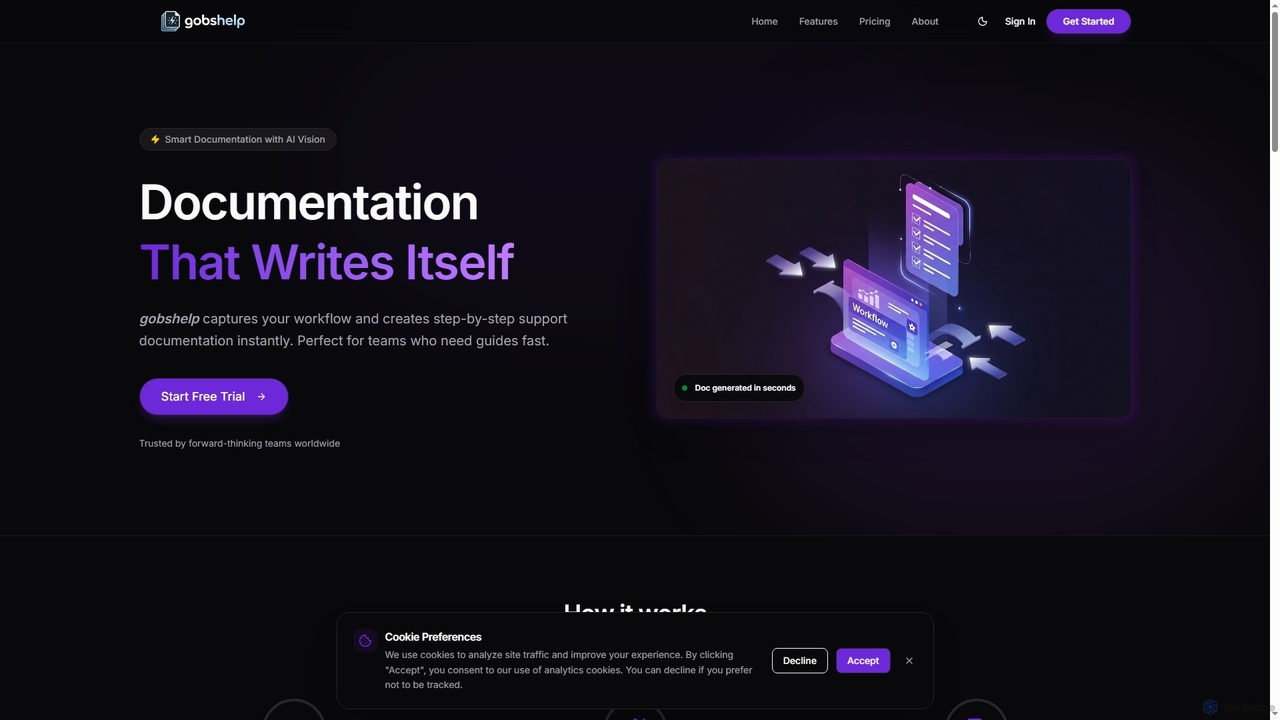
Gobshelp is an AI-powered smart documentation tool that instantly captures your workflows and transforms them into step-by-step support guides. It's designed to automate the creation of help articles, SOPs, and training materials, saving teams significant time and effort.

Technical Writing
Visits 4.2KFavorites 71Likes 76
Waldium
Freemium

Waldium

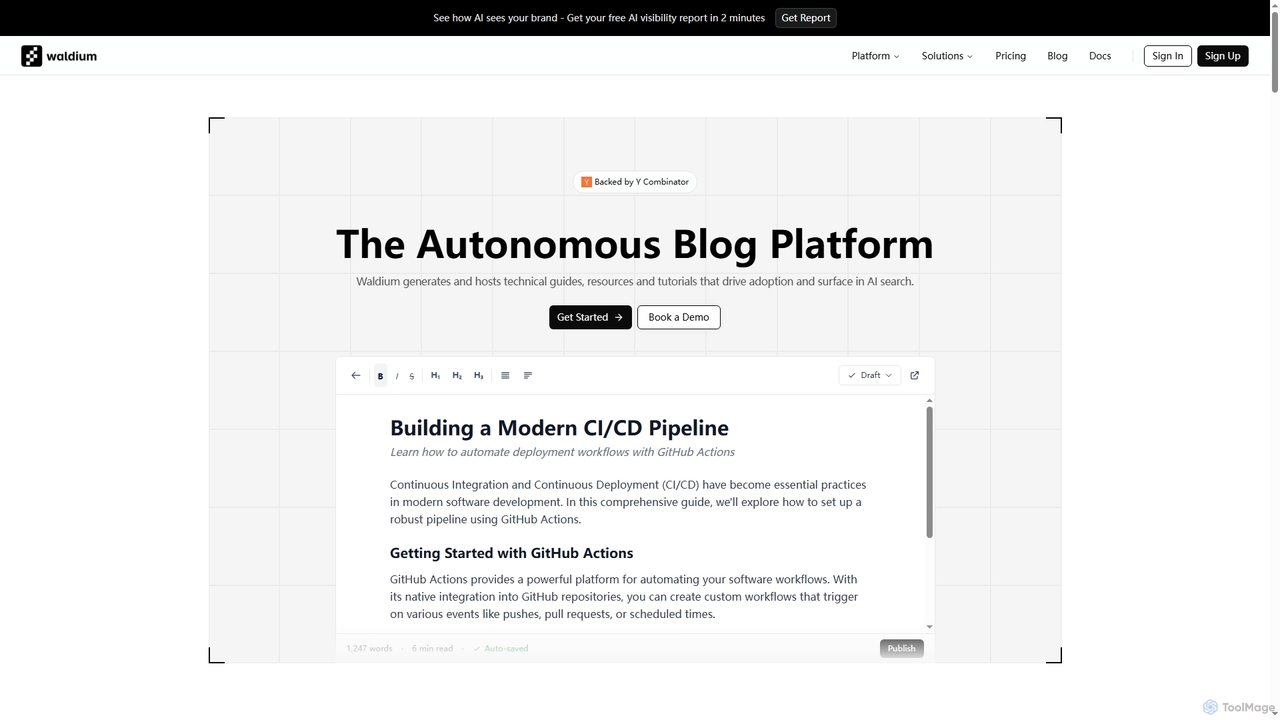
Waldium is an autonomous blog platform designed for developer tools, leveraging AI to generate and host technical guides, tutorials, and resources. It optimizes content for AI search engines like ChatGPT and Claude, ensuring developer products are discoverable and drive adoption.

Content Performance
Visits 5.8KFavorites 134Likes 117
8n Docs

8n Docs

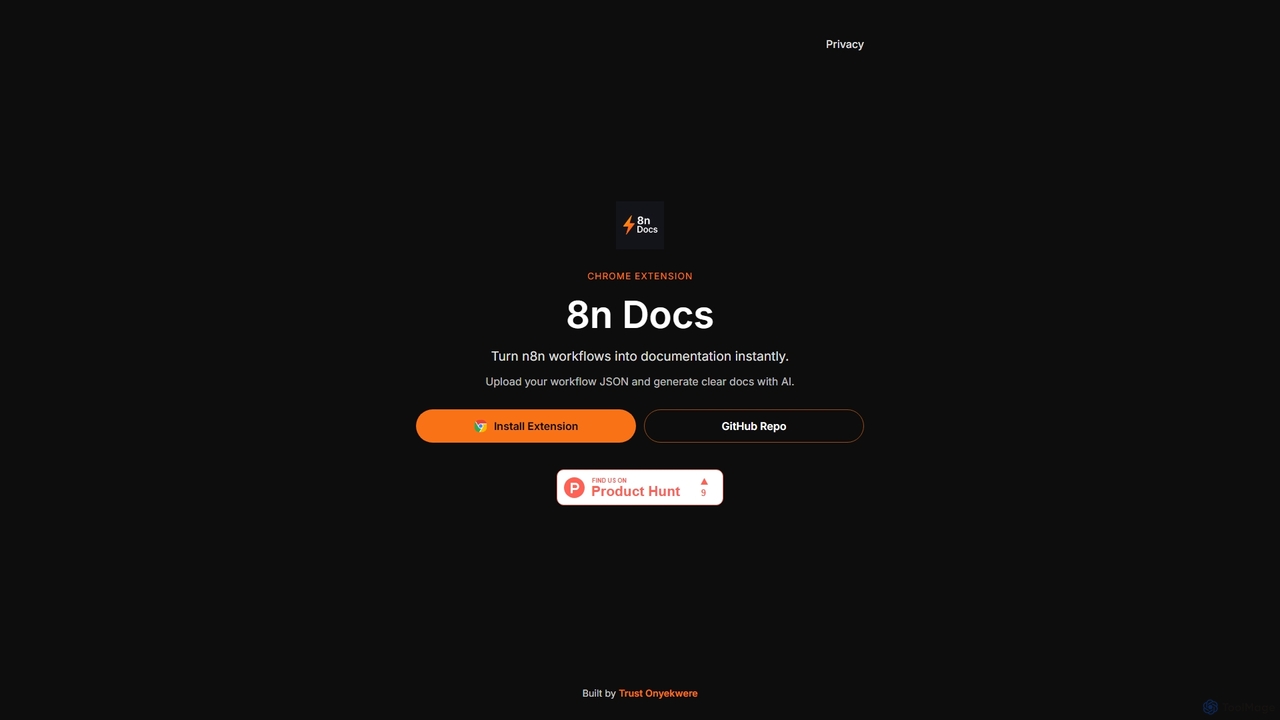
8n Docs is a Chrome Extension that instantly transforms n8n workflows into clear, AI-generated documentation. Simply upload your workflow JSON to get comprehensive and easy-to-understand documentation, streamlining your development and knowledge sharing processes.

Technical Writing
Visits 4.2KFavorites 104Likes 104

About Technical Writing

Technical Writing AI tools are specialized software applications that leverage artificial intelligence to assist in the creation, editing, and management of technical documentation. These tools utilize natural language processing (NLP) and machine learning to streamline complex writing processes, ensuring clarity, accuracy, and consistency across user manuals, API documentation, and research papers. They significantly reduce the time and effort required for producing high-quality technical content, making information more accessible and understandable for target audiences.

Core Features

  • Automated Content Generation: Generates drafts for technical specifications, user guides, or FAQs based on input data.
  • Terminology Management: Ensures consistent use of specific terms and jargon across all documents.
  • Style Guide Enforcement: Automatically checks and enforces adherence to predefined style guides and brand voice.
  • Grammar and Syntax Correction: Provides advanced suggestions for improving linguistic accuracy and readability.
  • Content Structuring and Formatting: Assists in organizing complex information into logical structures and applying appropriate formatting.

Applicable Scenarios

Software companies use these tools to rapidly produce and update API documentation and developer guides. Manufacturing firms leverage them for creating precise operation manuals and safety instructions. Research institutions employ them to standardize scientific papers and grant proposals, ensuring consistency and compliance with academic standards.

How to Choose

When selecting a Technical Writing AI tool, consider its accuracy in understanding complex technical jargon and its ability to integrate with existing content management systems. Evaluate its customization options for style guides and terminology, and assess its support for multiple output formats. Finally, prioritize tools with robust security features, especially when handling proprietary or sensitive technical information.

Featured tool rankings

Technical Writing use cases

1

Automating API Documentation Generation

For software developers and technical writers, AI tools can automatically generate comprehensive API documentation from source code or specifications. By analyzing code structure and comments, these tools produce accurate, up-to-date reference guides, including endpoints, parameters, and examples. This process eliminates manual data entry, reduces errors, and ensures that documentation evolves seamlessly with code changes, saving hundreds of hours in development cycles.

2

Ensuring Compliance in Regulatory Documents

Compliance officers and legal teams in regulated industries (e.g., finance, healthcare) use technical writing AI to ensure all regulatory documents adhere to strict legal and industry standards. The AI can scan documents for specific jargon, required disclaimers, and formatting rules, flagging non-compliant sections. This significantly reduces the risk of legal penalties and streamlines the review process for policies, terms of service, and compliance reports, ensuring accuracy and consistency across all legal texts.

3

Streamlining User Manual Creation for Hardware

Product managers and technical communicators in hardware manufacturing utilize AI tools to efficiently create and update user manuals for complex devices. By inputting product specifications, CAD drawings, and feature lists, the AI can generate initial drafts of installation guides, troubleshooting sections, and safety warnings. This accelerates the documentation lifecycle, ensures technical accuracy, and maintains a consistent tone and style across multiple product lines, improving user experience and reducing support inquiries.

4

Translating Technical Content for Global Audiences

Companies expanding into international markets leverage technical writing AI tools for accurate and culturally appropriate translation of technical documents. These tools can translate user interfaces, help files, and product descriptions while maintaining technical accuracy and terminology consistency across languages. This ensures that global users receive high-quality, localized documentation, reducing translation costs and accelerating market entry for new products and services.

5

Enhancing Clarity and Readability of Scientific Papers

Researchers and academics use technical writing AI to refine scientific papers, ensuring maximum clarity and readability for peer review and publication. The AI can identify overly complex sentences, suggest simpler phrasing for technical concepts, and enforce consistent citation styles. This helps authors present their findings more effectively, reduces the time spent on editing, and increases the likelihood of acceptance in prestigious journals, making complex research more accessible.

6

Maintaining Brand Voice in Technical Marketing Content

Marketing teams and content strategists use technical writing AI to ensure that technical marketing materials, such as whitepapers, product datasheets, and solution briefs, maintain a consistent brand voice while conveying complex information accurately. The AI can analyze existing brand guidelines and apply them to new content, ensuring that technical details are presented in an engaging yet precise manner. This strengthens brand identity and improves the effectiveness of marketing communications for technically oriented products.

Technical Writing FAQ

What are Technical Writing AI tools?

Technical Writing AI tools are software applications that use artificial intelligence to assist in creating, editing, and managing technical documentation. They leverage natural language processing and machine learning to ensure clarity, accuracy, and consistency in documents like user manuals, API documentation, and scientific papers. These tools aim to streamline the complex process of technical communication, making it more efficient and error-free.

How do AI tools improve technical writing?

AI tools significantly enhance technical writing by automating repetitive tasks like drafting, formatting, and proofreading. They ensure consistency in terminology and style across large document sets, enforce compliance with industry standards, and improve overall readability. By reducing manual effort and human error, these tools allow technical writers to focus on complex problem-solving and content strategy, ultimately accelerating documentation cycles and improving content quality.

What's the difference between general AI writing assistants and technical writing AI tools?

General AI writing assistants focus on broad content creation, such as marketing copy, blog posts, or creative writing, prioritizing fluency and engagement. Technical writing AI tools, however, are specifically designed for factual accuracy, precision, and adherence to strict technical standards and terminology. They excel in tasks requiring deep domain knowledge, such as generating API documentation, ensuring regulatory compliance, or maintaining consistent style guides for complex engineering manuals, where clarity and correctness are paramount over creative flair.

What features should I look for in a technical writing AI tool?

When choosing a technical writing AI tool, prioritize features such as robust terminology management to ensure consistent jargon. Look for strong style guide enforcement capabilities to maintain brand voice and compliance. Automated content generation for initial drafts and advanced grammar/syntax correction are also crucial. Integration with existing content management systems (CMS) or version control platforms is highly beneficial for seamless workflows. Finally, consider its ability to handle various output formats and provide detailed analytics on content performance.

Can technical writing AI tools handle complex industry-specific jargon?

Yes, advanced technical writing AI tools are specifically trained on vast datasets of technical and scientific literature, enabling them to understand and correctly apply complex industry-specific jargon. Many tools offer customizable terminology databases where users can input their proprietary terms, acronyms, and definitions. This ensures that the AI not only recognizes but also consistently uses and validates specialized vocabulary, which is critical for accuracy and credibility in highly technical fields like engineering, medicine, or IT.