Creative Best in category 3 results Generative Art AI Tool

Popular AI tools in the Generative Art field of Creative include labs.google/fx、Lovelace Studio、fastrhymes, etc., helping you quickly improve efficiency.

Free
labs.google/fx

labs.google/fx

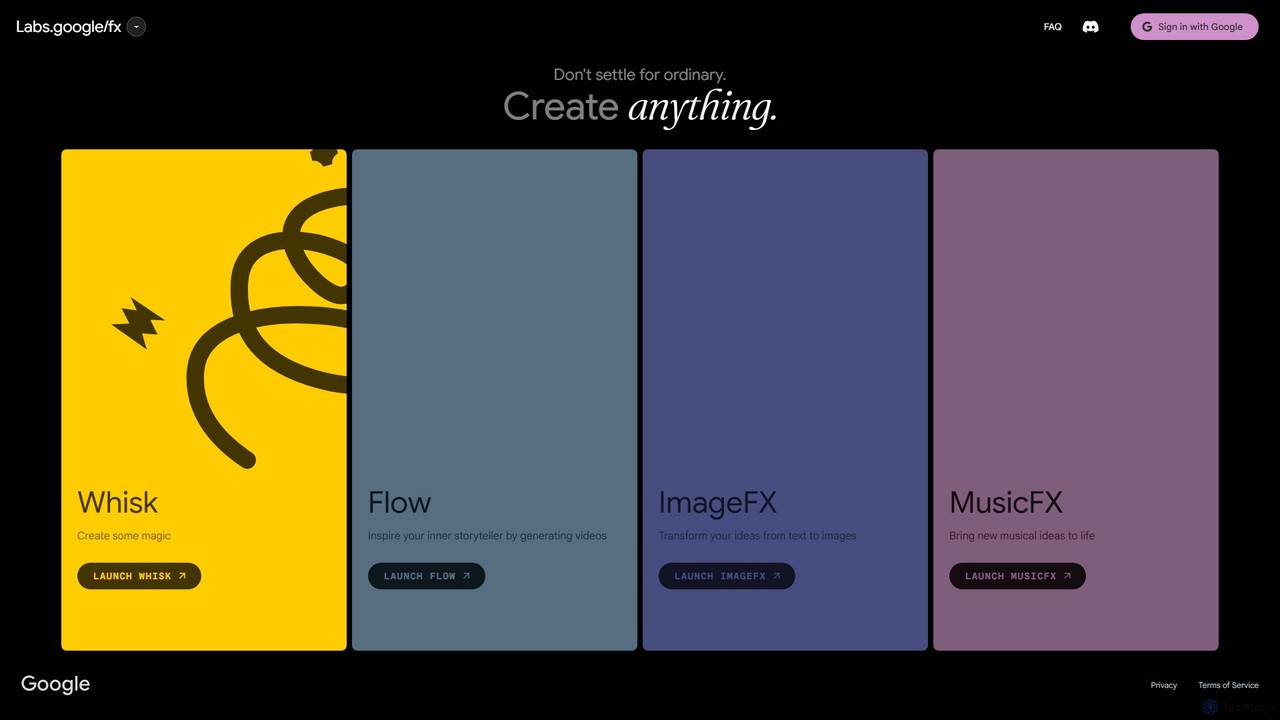
labs.google/fx is a suite of experimental generative AI tools from Google. It allows users to create unique images, …

62.0M
fastrhymes

fastrhymes

fastrhymes is an AI-powered songwriting studio designed for mobile. It's an all-in-one tool for songwriters, rappers, and poets, …

3.6K
Lovelace Studio

Lovelace Studio

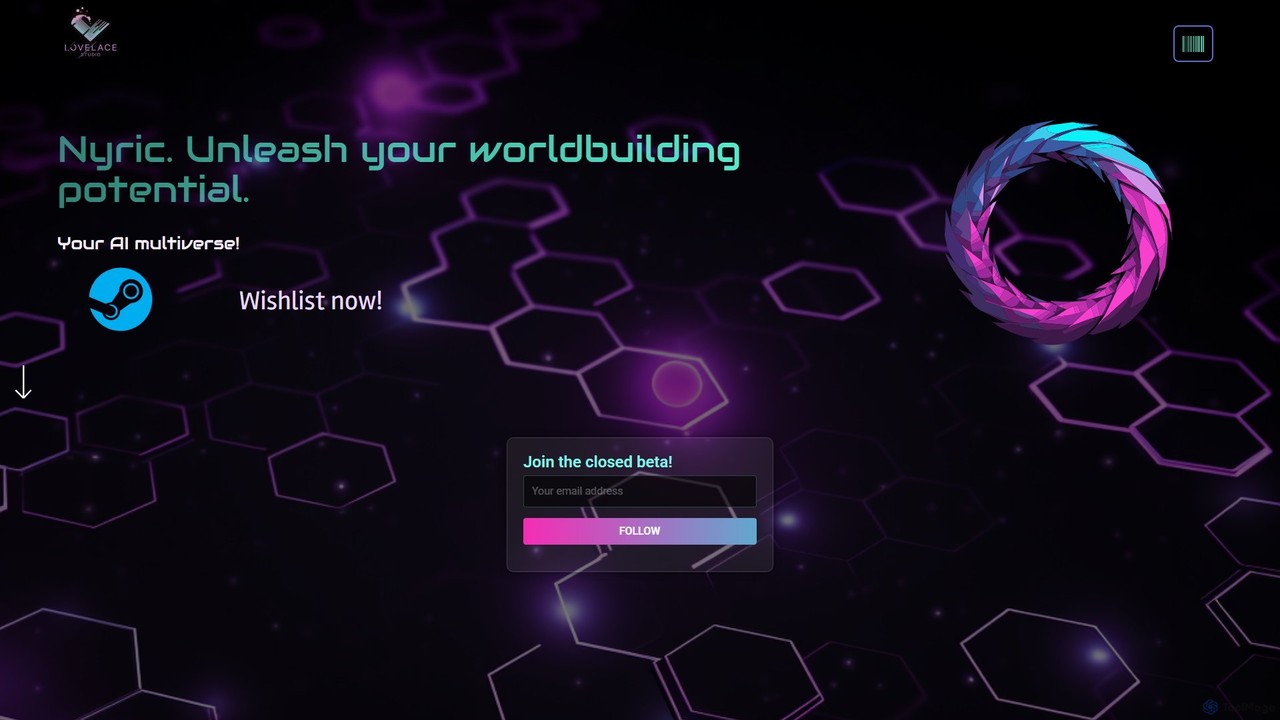
Lovelace Studio is the creator of Nyric, a revolutionary AI-powered multiplayer survival sandbox. It empowers players to generate …

3.6K

About Generative Art

Generative Art tools are a specialized category of AI-powered software that autonomously create unique artworks, images, or patterns through algorithms and computational processes. These tools leverage machine learning models and predefined rules to explore vast creative possibilities, often resulting in outputs that surprise and inspire. They empower artists, designers, and enthusiasts to push the boundaries of traditional art, generating complex visual compositions, abstract forms, and evolving digital landscapes with minimal direct human intervention.

Core Features

  • Algorithmic Pattern Generation: Automatically creates intricate and unique visual patterns based on mathematical rules or learned styles.
  • Parameter-Driven Creation: Allows users to influence the output by adjusting parameters like color palettes, complexity, randomness, and style weights.
  • Real-time Interaction: Some tools enable dynamic generation where outputs evolve in response to user input, audio, or other data streams.
  • Style Exploration & Transfer: Generates variations of existing styles or applies learned artistic styles to new content, offering diverse aesthetic outcomes.
  • Data-Driven Art: Utilizes datasets (e.g., images, text, sensor data) as input to inform the generative process, creating art that reflects specific information.

Use Cases

Generative Art tools are utilized across various creative fields. Digital artists employ them to produce unique series for exhibitions or NFTs, exploring new aesthetics beyond manual creation. Game developers leverage them for rapid concept art generation or to create endless variations of in-game assets like textures and environmental elements. Researchers and educators use them to visualize complex data or teach computational creativity principles, demonstrating the interplay between code and art.

How to Choose

When selecting a Generative Art tool, consider its algorithmic flexibility and the level of control it offers over the generation process. Evaluate the diversity of output styles and the quality of the generated visuals, including resolution and artistic coherence. Assess the ease of use and the learning curve, especially for beginners. Finally, consider community support and integration capabilities with other creative software, ensuring it fits into your existing workflow and allows for further refinement of the generated art.

Generative ArtUse Cases

1

Designing Unique Digital Art Collections

Digital artists and NFT creators utilize generative art tools to produce vast collections of unique artworks with distinct variations. By defining a set of rules, traits, and parameters (e.g., background, foreground elements, color schemes), artists can generate thousands of individual pieces from a single base concept, significantly accelerating the creation process for large-scale projects and ensuring each piece maintains a unique identity while adhering to a cohesive artistic vision.

2

Generating Game Environment Textures and Assets

Game developers and 3D artists employ generative art tools to rapidly create diverse and complex textures, patterns, and environmental assets. Instead of manually designing each element, artists can input basic parameters or reference images, allowing the AI to generate endless variations of rocks, foliage, abstract patterns, or architectural details. This dramatically speeds up asset production, ensures visual diversity, and allows for dynamic, procedurally generated game worlds that feel unique with every playthrough.

3

Crafting Dynamic Visuals for Live Performances

VJs, musicians, and performance artists use generative art software to create real-time, evolving visual backdrops for concerts, theatrical productions, or interactive installations. These tools can be programmed to respond to audio input, audience movement, or live data streams, generating abstract patterns, fluid animations, or complex geometric forms that synchronize with the performance. This creates immersive and unique sensory experiences that are never exactly the same, enhancing the artistic impact.

4

Exploring Novel Fashion and Textile Patterns

Fashion designers and textile artists leverage generative art tools to discover innovative and intricate patterns for fabrics, apparel, and accessories. By feeding design principles, color palettes, or existing motifs into the AI, designers can generate countless unique pattern variations that might be difficult or impossible to conceive manually. This process fosters creative exploration, helps identify emerging trends, and provides a rich source of inspiration for new collections, pushing the boundaries of textile design.

5

Developing Architectural Facade and Interior Designs

Architects and interior designers utilize generative design principles to explore complex and optimized structural forms, facade patterns, or interior layouts. By setting specific constraints and goals (e.g., material efficiency, light penetration, aesthetic appeal), generative tools can produce numerous design iterations that meet these criteria. This allows for the rapid evaluation of diverse solutions, leading to innovative and highly functional designs that might not be discovered through traditional manual methods, enhancing both aesthetics and performance.

6

Creating Abstract Illustrations for Publications

Content creators, publishers, and graphic designers use generative art tools to produce unique and eye-catching abstract illustrations for articles, book covers, or marketing materials. Instead of relying on stock images or commissioning custom artwork, they can input keywords, themes, or color preferences to generate bespoke visuals that perfectly match the content's tone and message. This provides a fresh, distinctive aesthetic, avoids copyright issues, and offers a cost-effective way to acquire high-quality, original graphic elements.

Generative ArtFrequently Asked Questions