Customer Support Best in category 3 results Communication Platform AI Tool

Popular AI tools in the Communication Platform field of Customer Support include PetsApp、Sent、mtalkz, etc., helping you quickly improve efficiency.

Sent

Sent

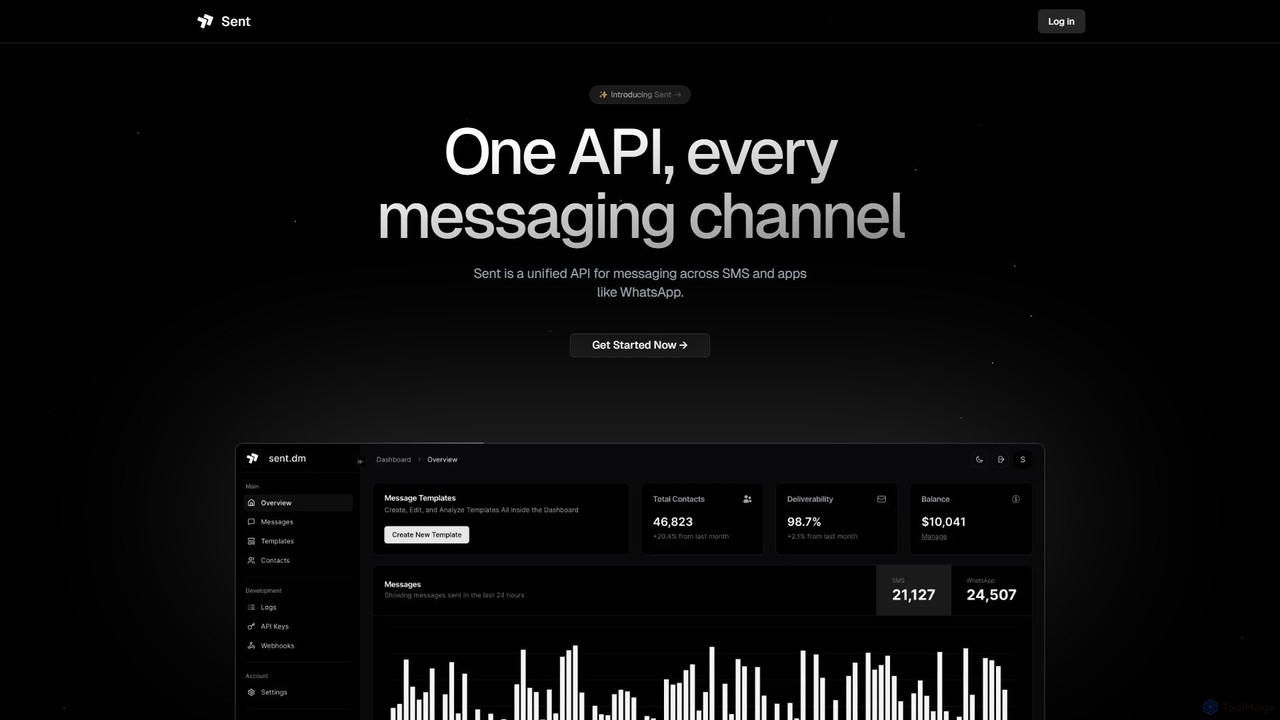
Sent is a unified messaging API platform that enables developers and businesses to communicate with customers across multiple …

40.6K
PetsApp

PetsApp

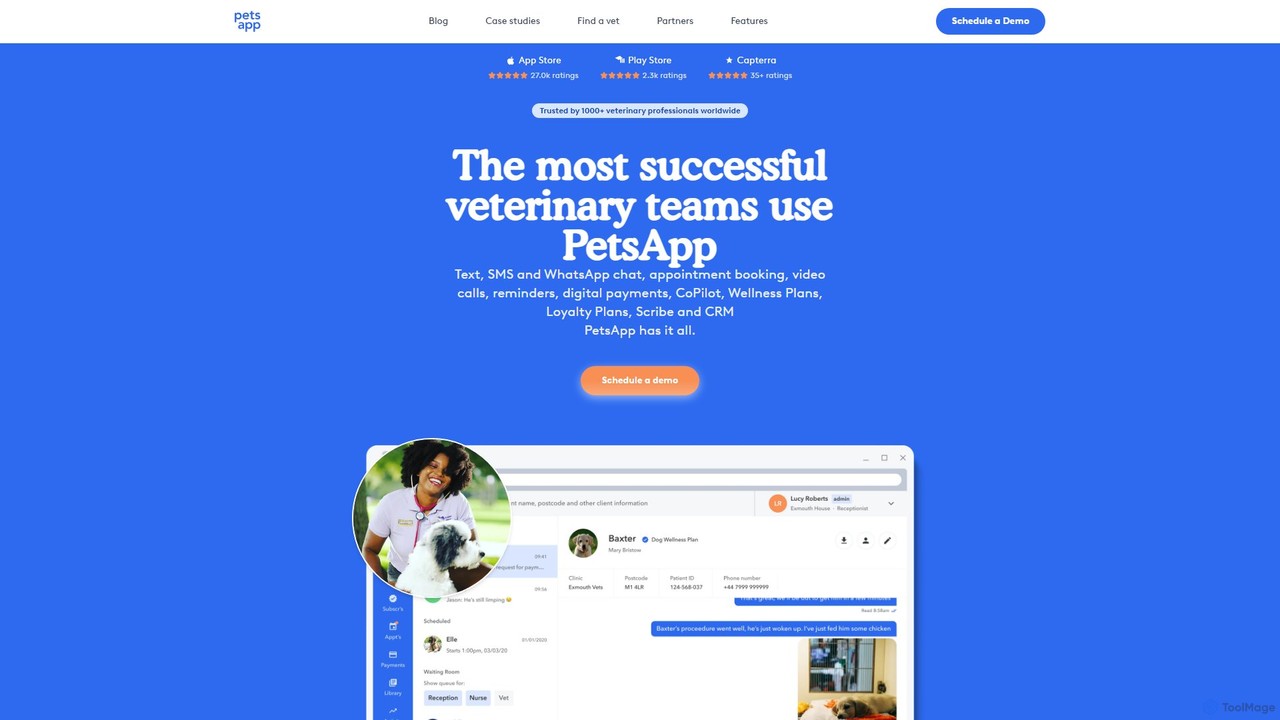
PetsApp is an all-in-one platform for veterinary practices, combining client communication, appointment booking, digital payments, and AI-powered assistants. …

44.7K
mtalkz

mtalkz

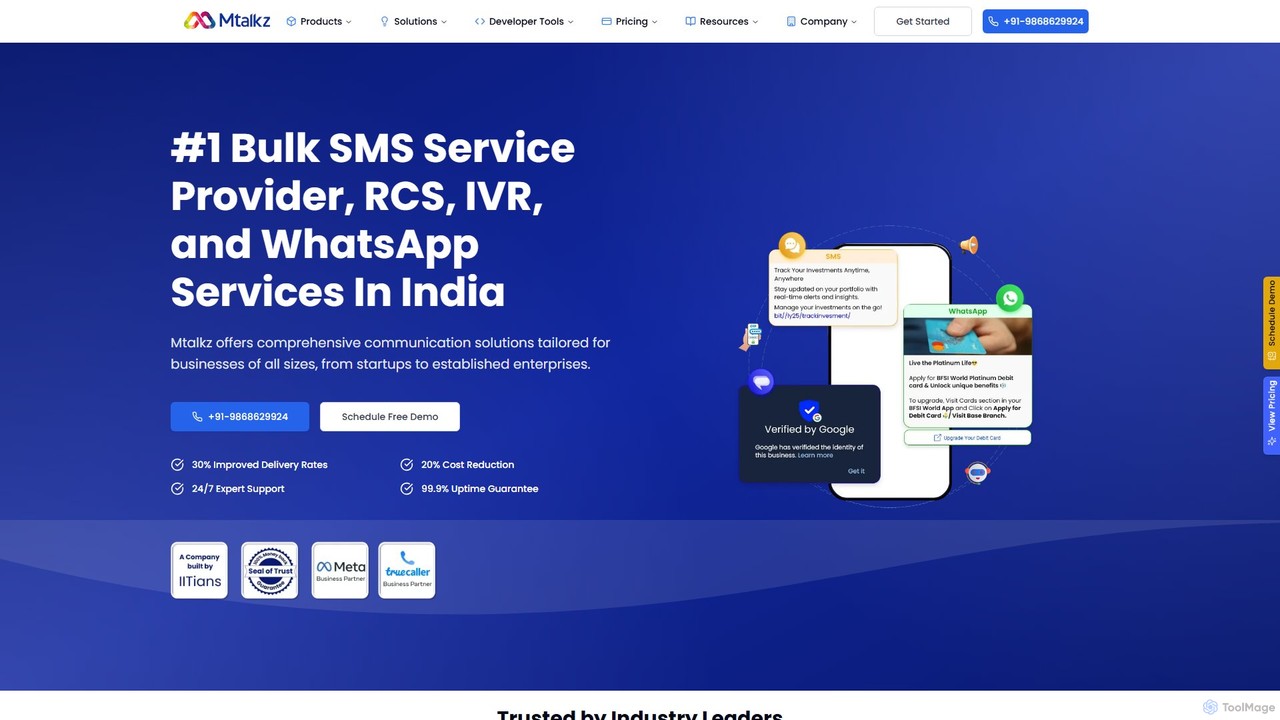
Mtalkz is a leading Communication Platform as a Service (CPaaS) in India, offering a comprehensive suite of services …

32.7K

About Communication Platform

A Communication Platform is a tool designed to centralize customer interactions from various channels into a single, unified interface, forming a key part of a customer support strategy. These platforms leverage AI to automate responses, route conversations intelligently, and provide support agents with rich contextual data. This enables businesses to deliver consistent, personalized, and efficient engagement across email, live chat, social media, and messaging apps. Unlike traditional helpdesks that focus on tickets, these platforms prioritize real-time, conversational relationships.

Core Features

  • Unified Inbox: Consolidates messages from all channels like email, chat, social media, and SMS into one collaborative view.
  • AI-Powered Automation: Deploys chatbots and automated workflows to handle routine inquiries, qualify leads, and route complex issues.
  • Proactive Messaging: Enables sending targeted, triggered messages for user onboarding, announcements, or support follow-ups.
  • Customer Data Integration: Syncs with CRMs and other tools to provide agents with a complete 360-degree view of the customer.
  • Team Collaboration Tools: Features such as internal notes, mentions, and conversation assignments to facilitate seamless teamwork.

Applicable Scenarios

These platforms are ideal for businesses that require real-time, multi-channel customer engagement, such as SaaS companies, e-commerce stores, and online service providers. They are used to manage everything from pre-sales inquiries and user onboarding to ongoing technical support, helping teams provide a cohesive customer experience across the entire journey.

Selection Criteria

When choosing a Communication Platform, first assess its channel coverage to ensure it supports your customers' preferred contact methods. Evaluate the sophistication of its AI and automation capabilities for efficiency gains. Check its integration ecosystem for compatibility with your existing CRM and marketing tools. Finally, consider its scalability and analytics features to support your business growth.

Communication PlatformUse Cases

1

Omnichannel Support for E-commerce Brands

An e-commerce support team uses a communication platform to manage customer inquiries during a major sales event. By consolidating website live chat, Facebook Messenger, and email support tickets into a unified inbox, agents can switch between conversations without changing tabs. AI chatbots handle common questions like 'Where is my order?', freeing up human agents to focus on complex issues like returns or product defects. This results in a 30% reduction in first response time and a significant increase in customer satisfaction scores during peak traffic periods.

2

Proactive User Onboarding for SaaS Companies

A SaaS company implements a communication platform to improve its new user onboarding process. Using proactive messaging features, they set up an automated sequence of in-app messages and emails. These messages are triggered by user actions, such as completing a key setup step or neglecting a core feature for three days. This guided tour helps users discover the product's value faster, leading to a 15% increase in user activation rates within the first week and a reduction in basic support queries from new customers.

3

Automated Lead Qualification for Sales Teams

A B2B sales team integrates a communication platform's chatbot on their pricing page. The chatbot engages visitors by asking qualifying questions about their company size, role, and specific needs. Based on the answers, it either schedules a demo with a sales representative for high-value leads or directs smaller leads to a self-service resource hub. This automates the top of the sales funnel, ensuring that sales reps spend their time only on the most promising prospects, increasing demo booking rates by 25%.

4

Internal IT Support via Slack or Teams

A large corporation's IT department uses a communication platform to streamline internal support requests. They integrate it with Slack, allowing employees to report issues or ask questions directly in a dedicated channel. An AI bot instantly answers common queries like 'how to reset my password' or 'VPN setup instructions'. For complex issues, the bot creates a ticket and assigns it to an available IT specialist, who can then communicate with the employee within the same Slack thread. This reduces resolution times and improves the employee support experience.

5

Social Media Community Management

A community manager for a consumer brand uses a communication platform to monitor all social media interactions. Instead of logging into Facebook, Instagram, and Twitter separately, they see all comments, mentions, and direct messages in one unified feed. They can use saved replies for common questions and collaborate with the marketing team using internal notes on specific customer posts. This centralized approach ensures a consistent brand voice, faster response times to public queries, and prevents any customer interaction from being missed.

6

Automated Appointment Booking for Services

A local service business, like a dental clinic or a salon, uses a communication platform's chatbot on their website and WhatsApp. The bot guides potential clients through the booking process, showing available time slots and collecting necessary information. It can also handle rescheduling requests and send automated appointment reminders via SMS a day before the appointment. This frees up reception staff from phone calls, reduces no-shows, and allows clients to book appointments 24/7, improving overall operational efficiency.

Communication PlatformFrequently Asked Questions