Customer Support Best in category 7 results Communication AI Tool

Popular AI tools in the Communication field of Customer Support include Machine Translation、Linguix、cartage、quiky、Netcapz、AI-EmailWriter、toneup, etc., helping you quickly improve efficiency.

Machine Translation

Machine Translation

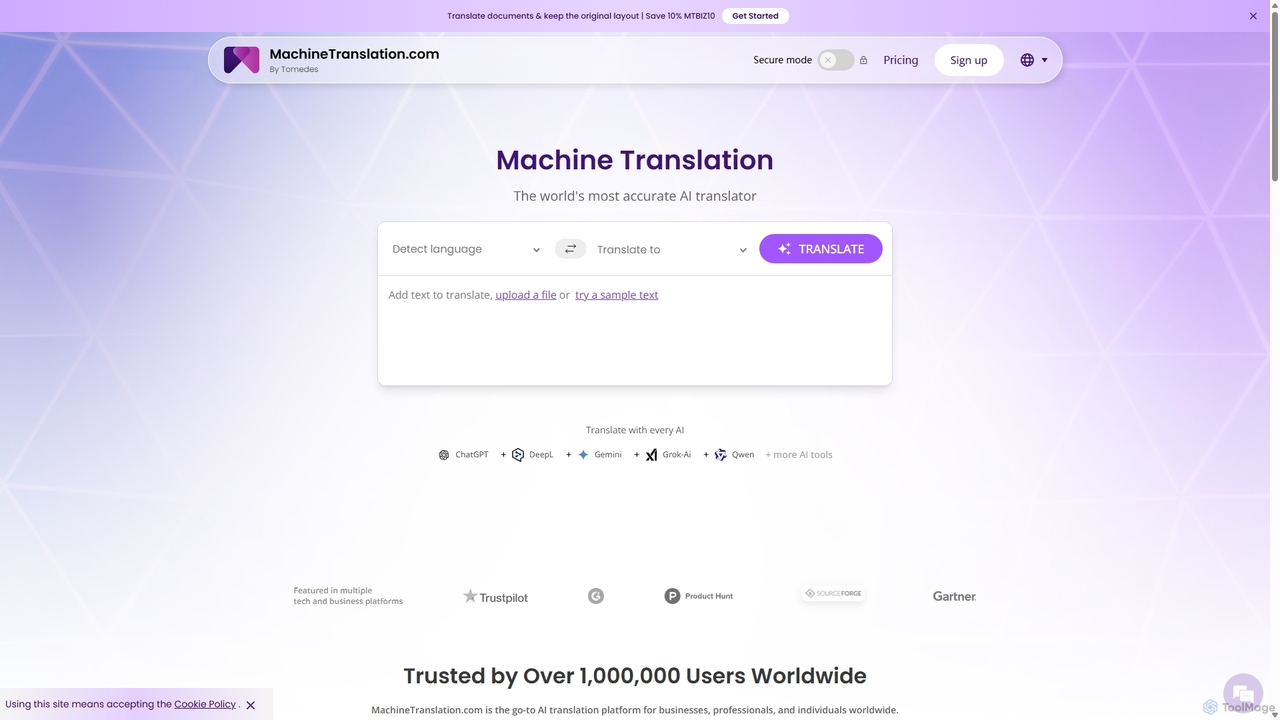
An advanced AI translation platform that aggregates multiple top-tier engines like ChatGPT, DeepL, and Gemini. It provides side-by-side …

501.5K
AI-EmailWriter

AI-EmailWriter

AI-EmailWriter is an intelligent tool designed to help users generate professional and effective emails in seconds. By leveraging …

2.5K
toneup

toneup

toneup is an AI-powered writing assistant that analyzes and refines the tone of your text. It helps you …

2.5K
quiky

quiky

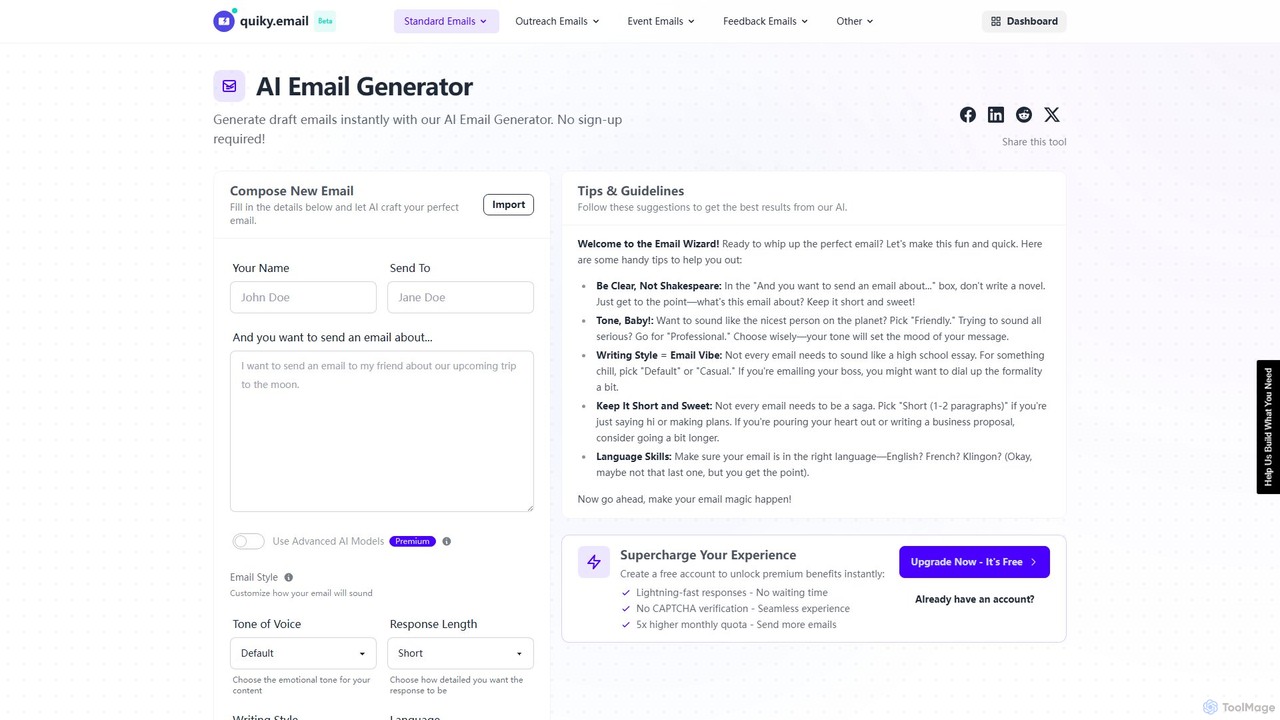
quiky is a free AI-powered suite of email writing tools designed to help you craft better emails faster. …

2.5K
cartage

cartage

Cartage offers "Wilson," an AI logistics coordinator for manufacturers and distributors. It automates freight management, from quoting and …

13.6K
Linguix

Linguix

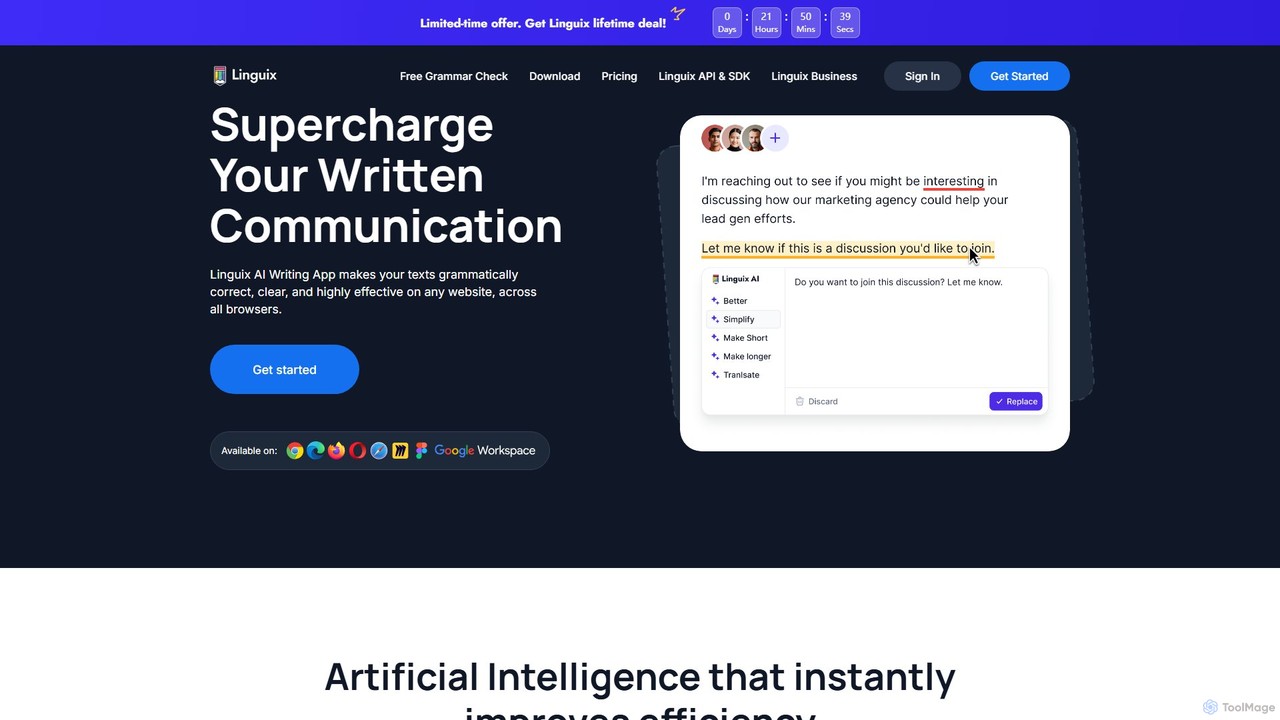
Linguix is an AI-powered writing assistant and grammar checker designed to improve your communication. It corrects grammar, spelling, …

285.9K
Netcapz

Netcapz

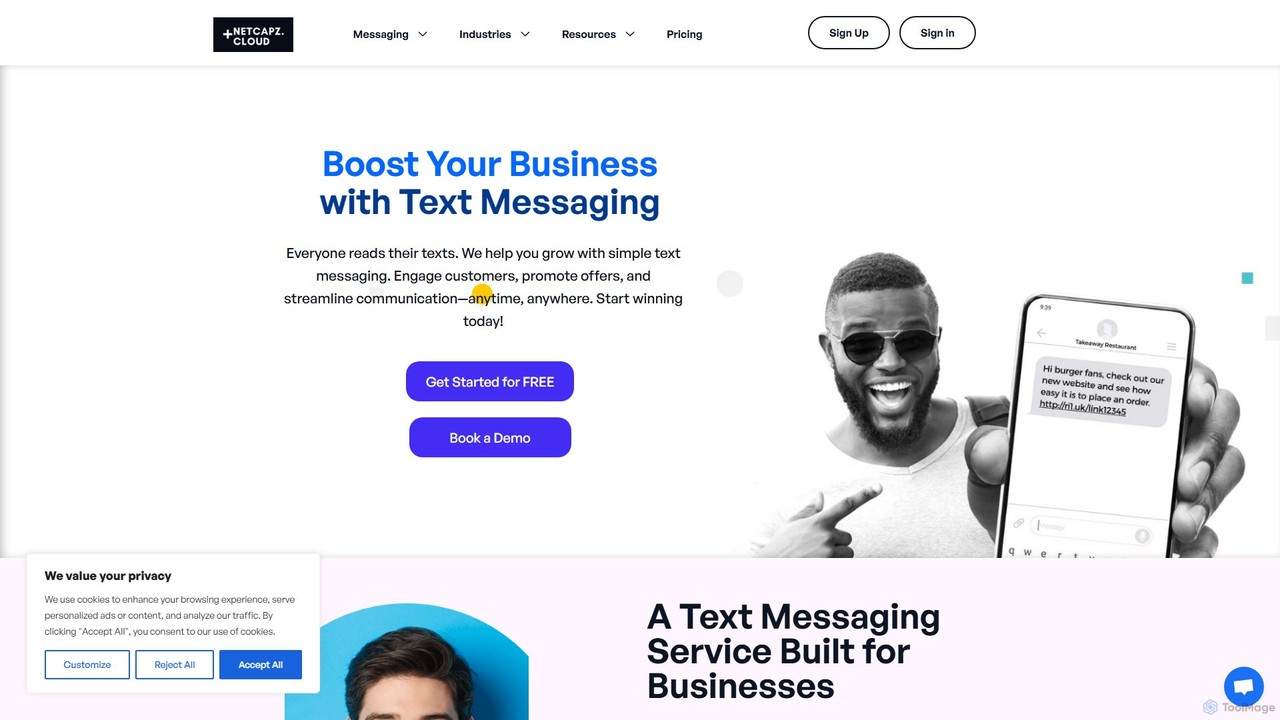
Netcapz is an AI-powered, multi-channel messaging platform for businesses. It enables SMS, WhatsApp, MMS, and Voice marketing to …

2.5K

About Communication

AI Communication tools are a category of artificial intelligence solutions designed to enhance and automate interactions between individuals and organizations. These tools leverage advanced natural language processing (NLP), machine learning, and sentiment analysis to understand, generate, and manage human-like conversations across various digital and voice channels. They significantly improve efficiency, personalization, and consistency in customer support, marketing, and internal operations, serving as a vital component within the broader customer support ecosystem by streamlining how businesses connect with their audience.

Core Features

  • Natural Language Understanding (NLU): Accurately interprets user intent, context, and nuances from diverse linguistic inputs, enabling more intelligent interactions.
  • Automated Response Generation: Creates relevant, coherent, and context-aware replies, ranging from simple FAQ answers to complex conversational flows, reducing manual effort.
  • Multi-channel Integration: Seamlessly connects and manages communications across various platforms, including web chat, email, social media, messaging apps, and voice assistants.
  • Sentiment Analysis: Detects emotional tone and urgency in communications, allowing systems to tailor responses appropriately and prioritize critical customer issues.
  • Personalized Messaging: Delivers highly customized content, recommendations, and offers based on individual user data, interaction history, and preferences, fostering stronger engagement.
  • Proactive Engagement: Identifies opportunities to initiate communication with users based on their behavior or predefined triggers, enhancing customer experience.

Applicable Scenarios

These tools are crucial for businesses aiming to scale their customer interactions while maintaining high quality and personalization. They are widely adopted by customer service departments to efficiently handle routine inquiries and provide instant support, by marketing teams for targeted and personalized outreach campaigns, and by HR for streamlining internal communication and employee support. Their ability to process and respond to high volumes of messages across multiple touchpoints makes them indispensable for modern digital engagement strategies and enhancing overall customer satisfaction.

How to Choose

When selecting AI Communication tools, it is essential to consider the accuracy and robustness of their NLU capabilities for your specific industry and customer language patterns. Evaluate their integration compatibility with your existing CRM, helpdesk, or other business systems to ensure a seamless workflow. Assess the range of communication channels supported, customization options for branding and conversational flows, and the scalability of the solution to meet future demand. Additionally, consider data privacy and security features, as well as the ease of training and maintenance, to ensure the chosen tool aligns perfectly with your strategic communication goals and operational needs.

CommunicationUse Cases

1

Automating Initial Customer Inquiries

Customer support teams leverage AI communication tools to automatically handle common customer questions and requests. An AI chatbot can instantly answer FAQs, provide product information, or guide users through troubleshooting steps, freeing up human agents for more complex issues. This significantly reduces response times and improves customer satisfaction by offering immediate assistance 24/7.

2

Personalized Marketing Campaign Outreach

Marketing professionals use AI communication platforms to create and deliver highly personalized messages to target audiences. Based on customer data, browsing history, and past interactions, the AI can generate tailored email content, social media posts, or SMS messages that resonate with individual preferences, leading to higher engagement rates and conversion.

3

Real-time Multi-language Customer Support

Global businesses utilize AI communication tools with real-time translation capabilities to provide seamless support across different languages. When a customer communicates in their native language, the AI instantly translates it for the support agent and translates the agent's response back, breaking down language barriers and ensuring effective communication for diverse customer bases.

4

Proactive Customer Engagement and Issue Resolution

AI communication systems monitor customer behavior and system data to proactively identify potential issues or opportunities for engagement. For instance, if a customer's service usage patterns suggest a problem, the AI can automatically initiate a personalized message offering assistance or relevant information, often resolving issues before the customer even realizes they have one.

5

Sentiment Analysis for Enhanced Customer Experience

Customer experience managers deploy AI communication tools equipped with sentiment analysis to gauge the emotional tone of customer interactions across all channels. The AI can detect frustration, satisfaction, or urgency in messages, allowing the system to escalate negative sentiment to human agents or adapt its conversational approach to de-escalate situations, leading to more empathetic and effective support.

6

Streamlining Internal Team Communication

Organizations use AI communication tools to optimize internal collaboration and information sharing. AI can summarize lengthy team discussions, extract key decisions, or automatically route messages to the most relevant department or individual. This reduces information overload, ensures critical updates are seen, and enhances overall productivity within large teams or distributed workforces.

CommunicationFrequently Asked Questions