Customer Support Best in category 2 results Customer Onboarding AI Tool

Popular AI tools in the Customer Onboarding field of Customer Support include sendtrumpet、Hexus, etc., helping you quickly improve efficiency.

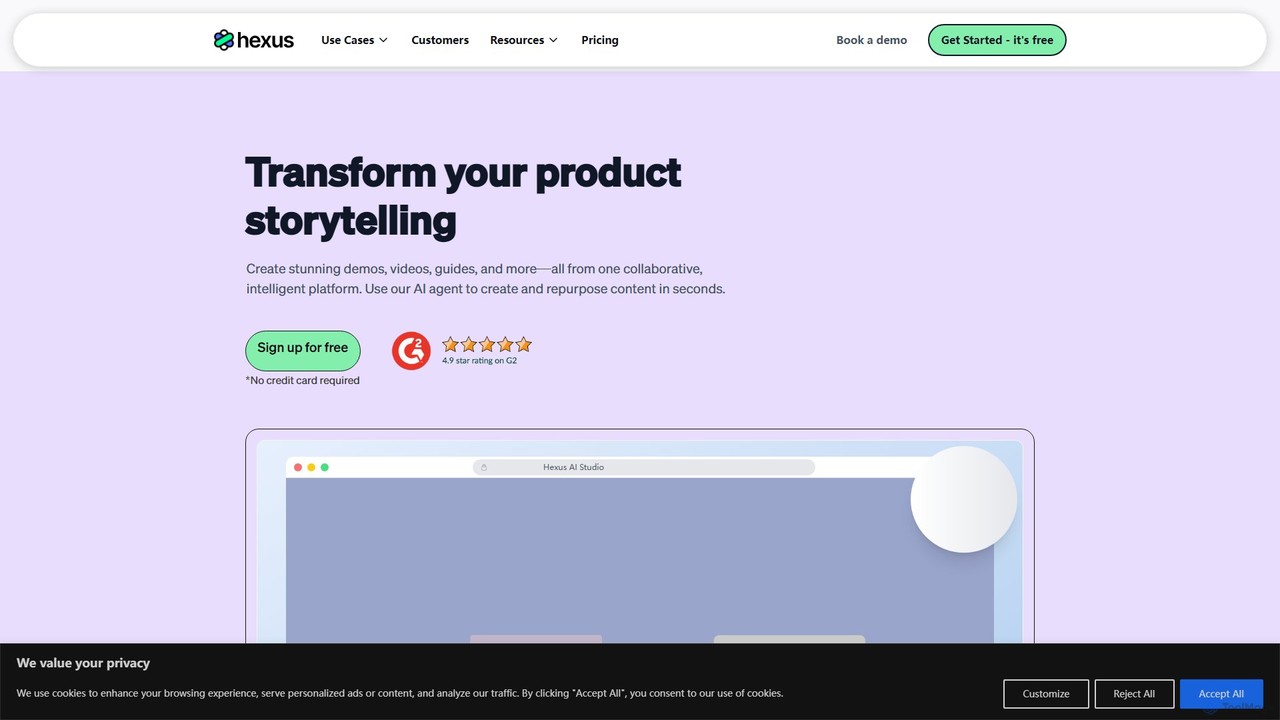
Hexus

Hexus

Hexus is an AI-powered platform that enables teams to create interactive product demos, videos, and guides in minutes. …

20.1K
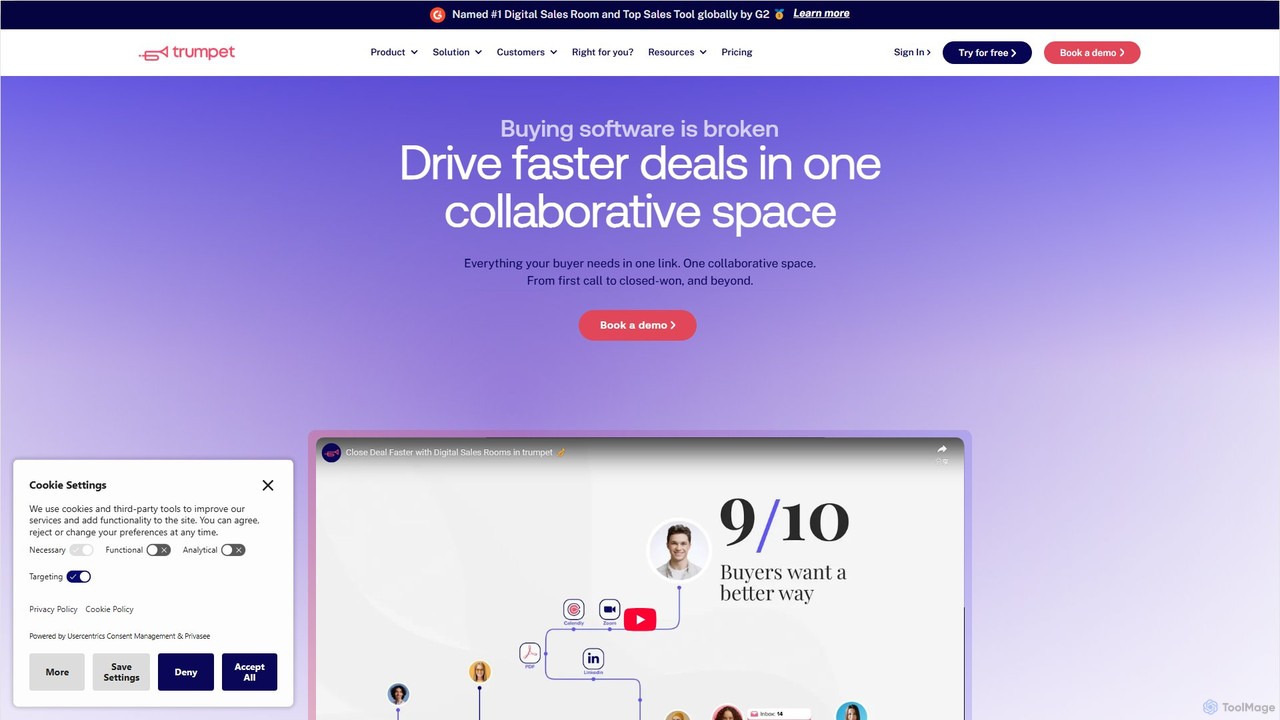
sendtrumpet

sendtrumpet

sendtrumpet is a Digital Sales Room (DSR) and customer onboarding platform that helps revenue teams accelerate deals. It …

37.8K

About Customer Onboarding

Customer Onboarding AI tools are designed to automate and personalize the initial journey of new users, guiding them from sign-up to successful product adoption. These AI-powered solutions leverage machine learning and natural language processing to understand user needs, proactively offer assistance, and streamline the setup process. By providing tailored support and resources, they significantly reduce churn rates and accelerate time-to-value for new customers, enhancing the overall customer support experience.

Core Features

  • Personalized Welcome Flows: Automatically create and deliver customized welcome messages, tutorials, and setup guides based on user data and behavior.
  • Interactive Product Tours: Offer AI-driven, step-by-step walkthroughs of product features, adapting to user progress and engagement.
  • Proactive Issue Resolution: Identify potential friction points during onboarding and offer immediate, relevant solutions or connect users to human support.
  • Automated Knowledge Base Integration: Intelligently suggest relevant articles, FAQs, and video tutorials from a knowledge base at critical onboarding stages.
  • Usage Analytics & Feedback Collection: Track user engagement during onboarding to identify areas for improvement and gather feedback on the initial experience.

Applicable Scenarios

SaaS companies utilize Customer Onboarding AI to guide new subscribers through complex software setups, ensuring they quickly grasp core functionalities and integrate the product into their workflows. E-commerce platforms deploy these tools to help first-time buyers navigate product discovery, account creation, and their initial purchase, reducing cart abandonment. Mobile app developers use AI onboarding to introduce app features and permissions, ensuring users understand the value proposition from the first interaction.

How to Choose

When selecting a Customer Onboarding AI tool, prioritize its integration capabilities with your existing CRM, helpdesk, and product analytics platforms to ensure a seamless data flow. Evaluate the level of personalization and automation it offers, looking for features like dynamic content delivery and AI-driven guidance. Consider the ease of content creation and management for onboarding flows, as well as its scalability to handle growing user volumes. Finally, assess its analytics and reporting features to measure onboarding effectiveness and identify areas for optimization.

Customer OnboardingUse Cases

1

Automating SaaS Product Setup

A new SaaS subscriber receives an AI-guided interactive tour that walks them through initial account configuration, data import, and first project creation. This reduces reliance on manual support and ensures users quickly reach their "aha!" moment, leading to higher activation rates and a smoother start to their product journey.

2

Personalized E-commerce Welcome Journeys

An online retailer uses AI to analyze a new customer's browsing history and purchase intent, then delivers a personalized welcome email series with relevant product recommendations and setup guides for their account. This tailored approach encourages their first purchase and builds early brand loyalty, significantly improving conversion rates for new visitors.

3

Streamlining Mobile App Feature Discovery

A mobile app developer integrates AI onboarding to introduce new users to key app features through contextual pop-ups and short tutorials as they interact with the app. This helps users understand the app's value without feeling overwhelmed, improving retention rates and ensuring a positive first impression.

4

Proactive Support for Complex Software

For enterprise software, AI onboarding identifies users struggling with specific modules or integrations based on their in-app behavior. It then proactively offers targeted help articles, video guides, or initiates a chat with a support agent, preventing frustration and significantly reducing the volume of initial support tickets.

5

Educating Users on Product Updates

When a significant product update is released, AI onboarding tools can guide existing users through the new features. It highlights changes relevant to their usage patterns, provides interactive demos, and collects feedback on the update, ensuring smooth adoption and minimizing confusion for the user base.

6

Collecting Early User Feedback

An AI onboarding system prompts new users at key milestones (e.g., after completing their first task, after 7 days) to provide feedback on their initial experience. This structured feedback helps product teams quickly identify and address common pain points, improving the onboarding process for future users and fostering a sense of being heard.

Customer OnboardingFrequently Asked Questions