ToolMage
Sign in

Best 2 Engagement AI tools for Customer Support

Popular Engagement AI tools in Customer Support include Ctrl and Aii.cx, helping you work more efficiently.

Aii.cx
Freemium

Aii.cx

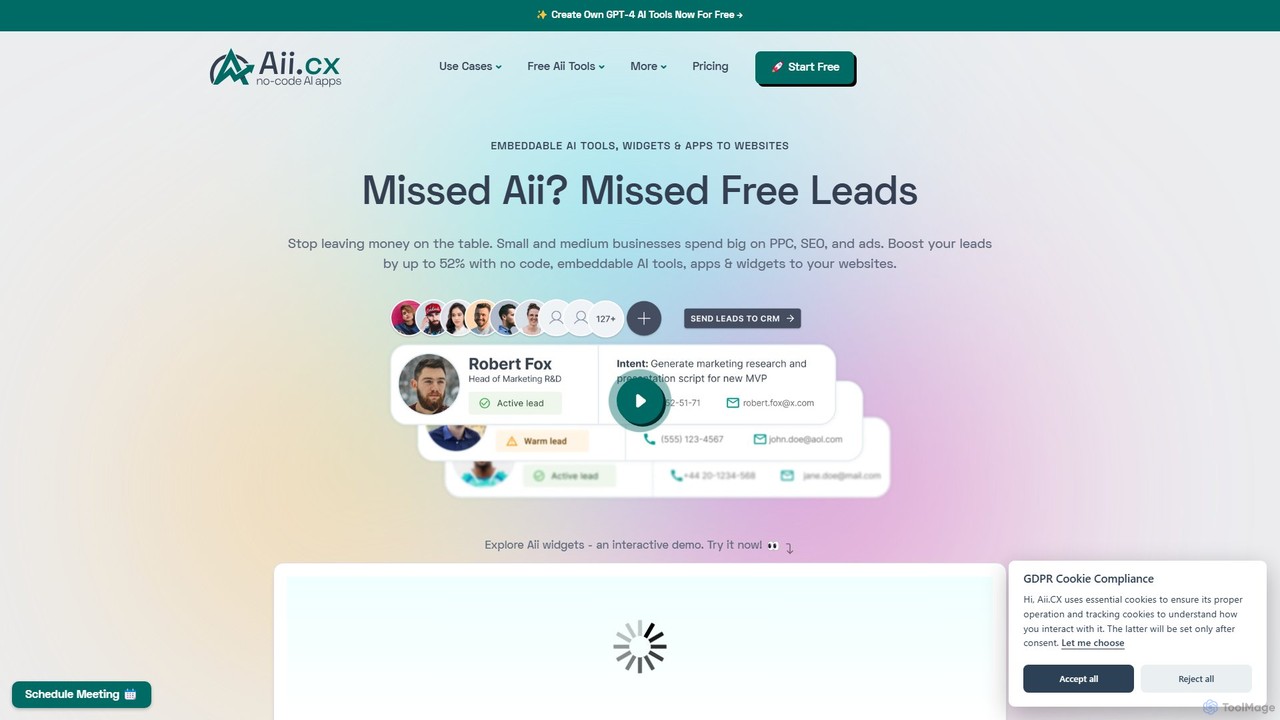
Aii.cx is a no-code platform designed for non-technical professionals to easily create and embed custom AI tools and widgets on their websites. It features a drag-and-drop builder, one-click customization, and is powered by advanced models like GPT-4 to enhance lead generation and user engagement.

Engagement
Visits 5.1KFavorites 132Likes 137
Ctrl
Freemium

Ctrl

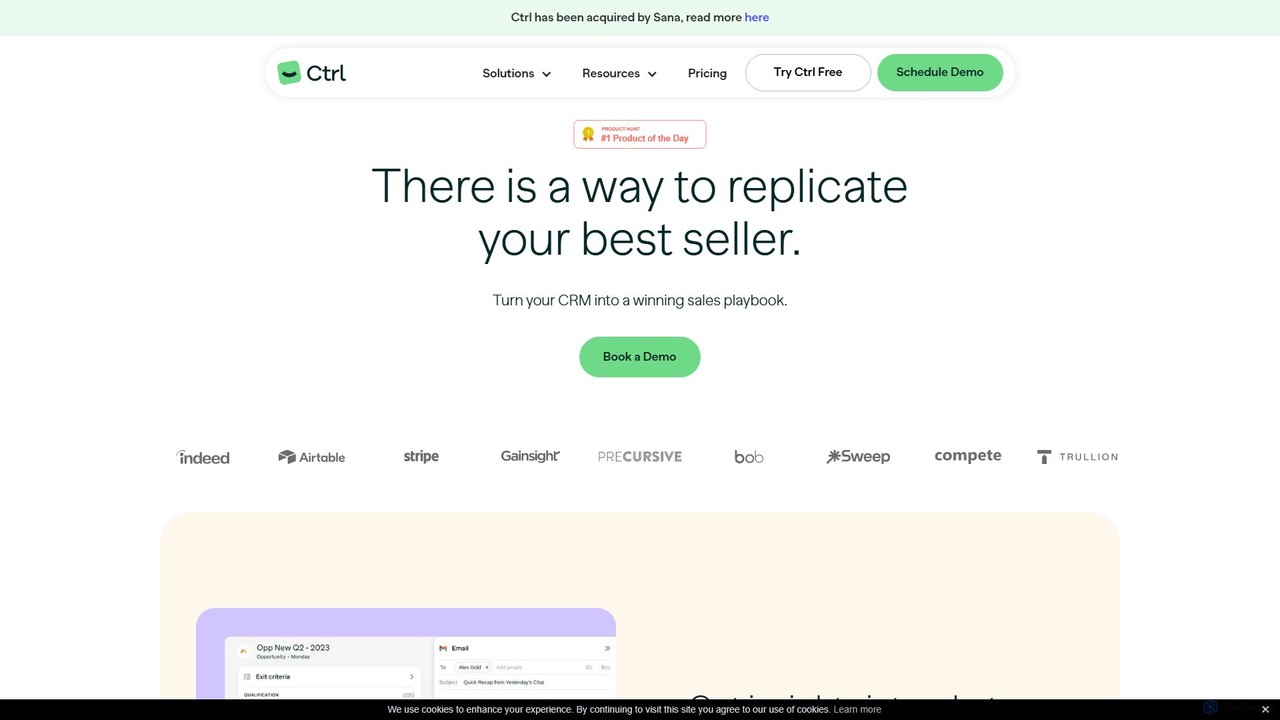
Ctrl is an AI-powered sales engagement platform that transforms your CRM into a dynamic, actionable sales playbook. It automates CRM updates, generates follow-up emails, and provides a unified workspace to guide sales teams, ensuring process consistency, improved forecasting, and increased productivity.

Engagement
Visits 5.1KFavorites 124Likes 120

About Engagement

Engagement AI tools are designed to foster proactive and personalized interactions with customers, enhancing their overall experience. These AI-powered solutions leverage natural language processing and machine learning to deliver real-time assistance, gather feedback, and guide users through their journey. By creating dynamic and responsive touchpoints, they aim to build stronger customer relationships and improve satisfaction beyond traditional support.

Core Features

  • Proactive Chatbots: Initiate conversations with users based on behavior or triggers, offering timely help or information.
  • Personalized Recommendations: Deliver tailored product suggestions or content based on user data and preferences.
  • Interactive Guides: Provide step-by-step assistance or tutorials within an application or website.
  • Sentiment Analysis: Analyze customer emotions during interactions to adapt responses and improve service quality.
  • Automated Feedback Collection: Deploy smart surveys and analyze open-ended responses to gather actionable insights.

Applicable Scenarios

These tools are vital for businesses in e-commerce, SaaS, and service industries looking to enhance customer journeys. They are used by marketing teams for personalized outreach, sales teams for proactive lead nurturing, and customer success teams for improved onboarding and retention.

How to Choose

Consider the tool's NLP capabilities for understanding user intent, its personalization engine, integration with existing CRM/marketing platforms, and robust analytics for measuring engagement. Scalability, ease of customization, and the ability to define proactive triggers are also crucial for effective deployment.

Engagement use cases

1

Onboarding New Users with Interactive Guides

A SaaS company uses AI engagement tools to guide new customers through product setup and feature discovery. An interactive chatbot provides step-by-step walkthroughs, answers common questions about initial configuration, and offers personalized tips based on the user's role, ensuring a smooth and efficient onboarding experience that reduces early churn by up to 20%.

2

Proactive Sales Assistance on E-commerce Sites

An e-commerce retailer deploys an AI chatbot that monitors user behavior on product pages. If a user spends more than 60 seconds on a high-value item without adding it to the cart, the AI proactively initiates a chat, offering a discount code, answering product-specific questions, or suggesting complementary items, leading to a 15% increase in conversion rates for targeted visitors.

3

Personalized Marketing Campaign Delivery

A marketing team uses AI engagement tools to analyze customer data, segment audiences, and deliver highly personalized email or in-app messages. The AI identifies user preferences and past interactions to tailor content, offers, and timing, resulting in a 25% improvement in email open rates and a significant boost in click-through rates for targeted campaigns.

4

Real-time Website Navigation Assistance

An online travel agency employs an AI assistant that monitors user behavior on its website. If a user repeatedly visits flight search results without booking or shows signs of confusion, the AI proactively offers help, suggests alternative routes, or directs them to a live agent, reducing bounce rates by 10% and improving booking completion rates.

5

Gathering Post-Interaction Feedback and Sentiment

After a customer service interaction, an AI engagement tool automatically sends a brief, personalized survey to collect feedback. The AI then analyzes the open-ended responses using sentiment analysis to identify common pain points and areas for improvement in service delivery, providing actionable insights that help improve customer satisfaction scores by 10%.

6

Enhancing Virtual Event Participation

Event organizers utilize AI engagement platforms to enrich virtual conferences. An AI assistant facilitates networking by suggesting relevant connections, answers attendee questions in real-time about schedules or speakers, and recommends sessions based on attendee profiles and interests, leading to a 30% increase in active participation and positive feedback on event interactivity.

Engagement FAQ

What are AI Engagement tools?

AI Engagement tools are applications that use artificial intelligence to create dynamic, personalized, and proactive interactions with customers. They go beyond traditional reactive support by actively fostering connections, guiding users, and gathering insights through intelligent chatbots, personalized content, and interactive experiences. Their goal is to enhance the customer journey and build stronger relationships, often preventing issues before they escalate.

How do AI Engagement tools differ from general Customer Support tools?

While general Customer Support tools primarily focus on reactive problem-solving (e.g., ticketing systems, knowledge bases for FAQs), AI Engagement tools emphasize proactive interaction and relationship building. They aim to prevent issues, guide users, and enrich the customer experience through personalized outreach, interactive guides, and real-time feedback, rather than just resolving existing problems. Engagement tools are about fostering connection throughout the customer journey.

What are the key benefits of using AI Engagement tools?

Key benefits include improved customer satisfaction through personalized experiences, increased conversion rates by guiding users effectively, and reduced support load through proactive assistance. These tools also provide deeper insights into customer sentiment and preferences, helping businesses build stronger loyalty, optimize the entire customer journey, and ultimately drive revenue growth by fostering more meaningful interactions.

What features should I look for when choosing an AI Engagement tool?

When choosing an AI Engagement tool, prioritize robust natural language processing (NLP) for understanding user intent, a powerful personalization engine for tailored interactions, and flexible proactive outreach triggers. Look for seamless integration with your existing CRM or marketing automation platforms, comprehensive analytics for measuring engagement effectiveness and sentiment, and strong customization options. Scalability and ease of use are also critical for long-term success.

Who can benefit most from implementing AI Engagement solutions?

Businesses across various sectors, especially those with high customer interaction volumes like e-commerce, SaaS, financial services, and telecommunications, can benefit significantly. Marketing teams can personalize campaigns, sales teams can proactively assist leads, and customer success teams can improve onboarding and retention. Any organization aiming to build stronger customer relationships, reduce churn, and enhance the overall customer journey will find these solutions invaluable.

Can AI Engagement tools integrate with existing customer support systems?

Yes, most modern AI Engagement tools are designed for seamless integration with existing customer support systems, CRM platforms, and marketing automation software. This allows for a unified view of customer interactions, enabling the AI to leverage historical data for more personalized engagement and ensuring a smooth handover to human agents when complex issues arise. Integration is crucial for a cohesive customer experience strategy.