Customer Support Best in category 2 results Feedback AI Tool

Popular AI tools in the Feedback field of Customer Support include forms.app、Formbot, etc., helping you quickly improve efficiency.

Formbot

Formbot

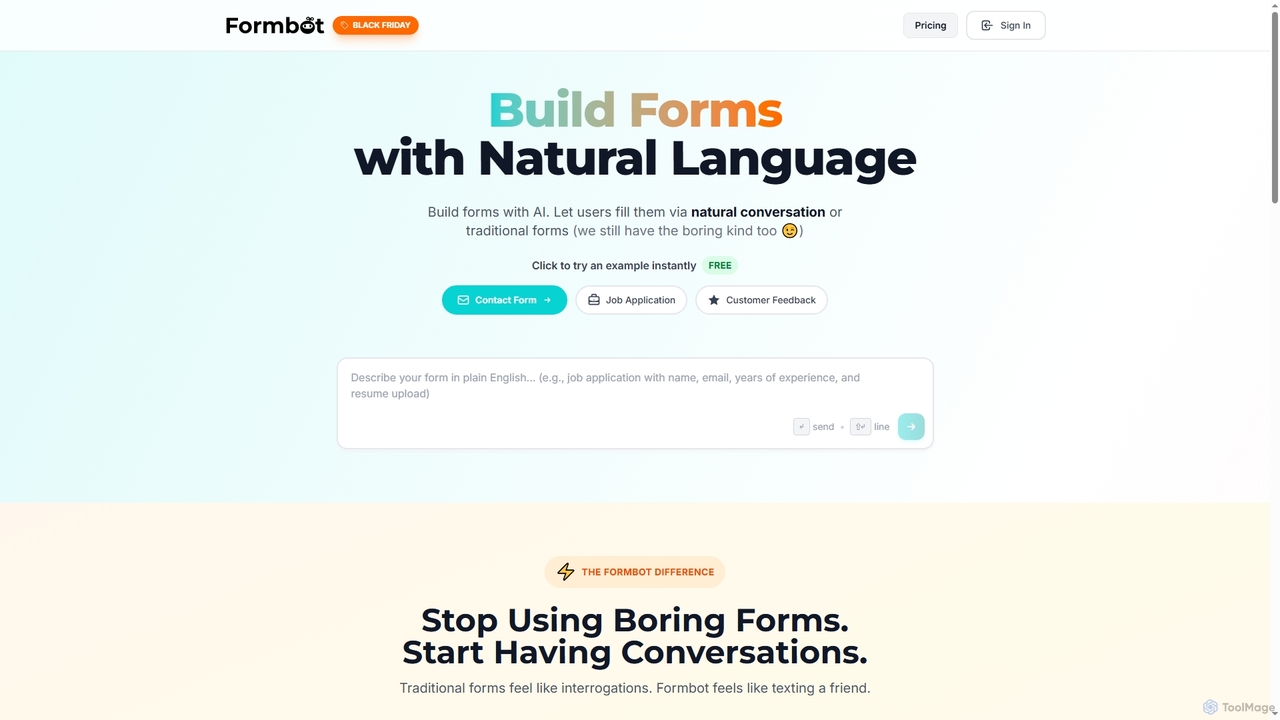
Formbot is an AI-powered form builder that creates forms from natural language descriptions. It features a unique conversational …

3.9K
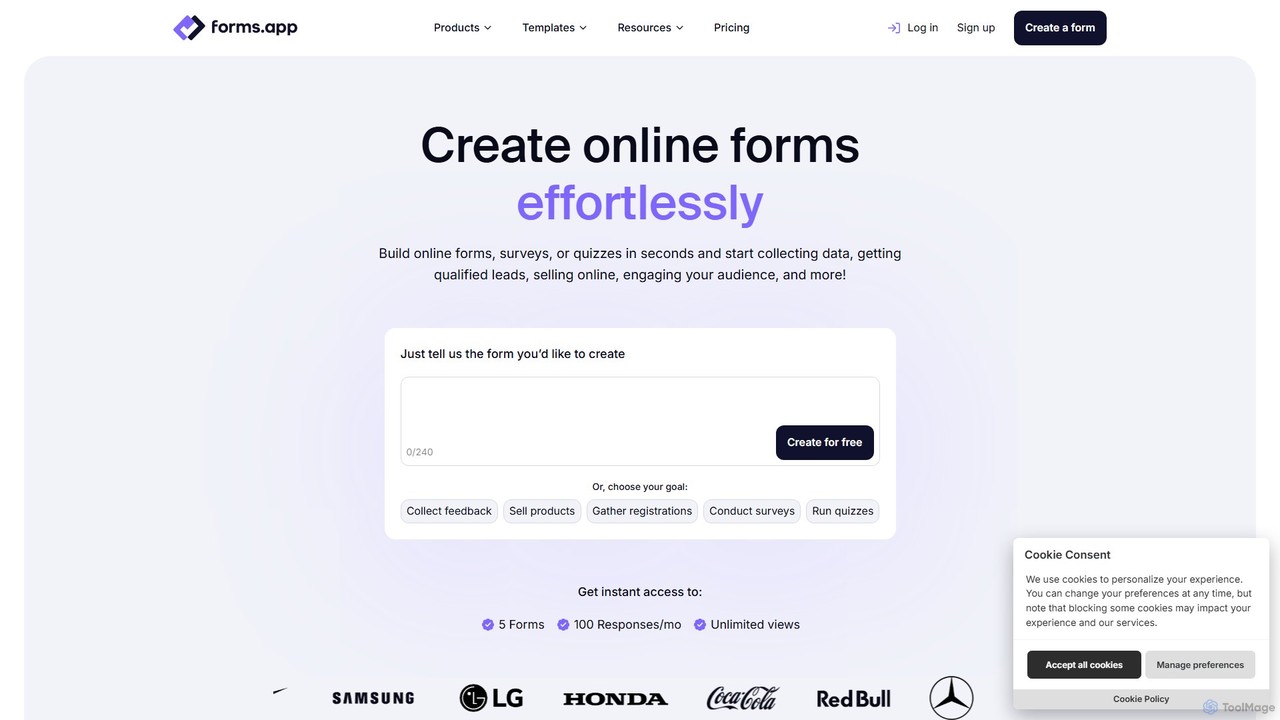
forms.app

forms.app

forms.app is an AI-powered online form builder that enables users to effortlessly create forms, surveys, and quizzes. It …

1.2M

About Feedback

AI Feedback tools are a specialized category of software that automates the collection, analysis, and synthesis of customer opinions. They leverage Natural Language Processing (NLP) to understand sentiment, identify key topics, and detect emerging trends from unstructured text data like reviews, surveys, and support tickets. This enables businesses to quickly transform vast amounts of qualitative feedback into actionable insights for product improvement and strategic decision-making. Unlike simple survey forms, these tools provide deep analytical capabilities to uncover the 'why' behind customer behavior.

Core Features

  • Sentiment Analysis: Automatically determines the emotional tone (positive, negative, neutral) of feedback text.
  • Topic & Keyword Extraction: Identifies and categorizes the main themes and frequently mentioned terms in feedback.
  • Trend Detection: Monitors feedback data over time to spot emerging issues or positive patterns.
  • Automated Summarization: Generates concise summaries from large volumes of text-based feedback.
  • Multi-channel Integration: Aggregates feedback from various sources like app stores, social media, and support platforms.

Use Cases

Primarily used by product managers, UX researchers, and customer experience (CX) teams in SaaS, e-commerce, and mobile app industries. They are essential for continuous product discovery, prioritizing feature requests based on user demand, and monitoring brand health across public channels.

How to Choose

When selecting a tool, consider its integration capabilities with your existing data sources (e.g., Zendesk, App Store Connect), the accuracy of its sentiment and topic analysis models, the customizability of its dashboards and reports, and its ability to handle multiple languages if you have a global user base.

FeedbackUse Cases

1

Analyze App Store Reviews for Product Improvements

A mobile app product manager uses an AI feedback tool to automatically pull in thousands of reviews from the App Store and Google Play. The tool analyzes sentiment and categorizes feedback into topics like 'UI/UX,' 'Bugs,' 'Feature Requests,' and 'Performance.' The manager can quickly identify the most critical bugs reported and the most requested features, using this data to prioritize the next development sprint. This process replaces hours of manual reading and spreadsheet tagging, enabling faster, data-driven decisions.

2

Prioritize Feature Requests from User Feedback

A SaaS company's product team connects their AI feedback tool to Intercom, Zendesk, and a dedicated feedback portal. The AI aggregates all feature requests, identifies duplicates, and groups similar suggestions. It analyzes the sentiment and frequency of each request, providing a data-driven score to help the team decide which features to build next. This ensures the product roadmap aligns directly with the most impactful user needs, moving beyond guesswork and subjective opinions.

3

Monitor Brand Sentiment on Social Media

A marketing manager for a consumer brand uses an AI feedback tool to track mentions of their products on Twitter and Reddit. The tool provides a real-time dashboard showing sentiment trends, alerting the team to any sudden spikes in negative feedback that could indicate a PR crisis. It also identifies key topics of conversation, helping the marketing team understand public perception, measure campaign impact, and refine their messaging strategy accordingly.

4

Synthesize User Interview and Survey Data

A UX researcher uploads dozens of transcripts from user interviews and open-ended responses from a recent survey into an AI feedback tool. The AI processes the unstructured text, extracting key themes, pain points, and direct quotes related to specific product areas. This allows the researcher to quickly generate an evidence-based summary of user needs and present key findings to stakeholders, significantly speeding up the research analysis phase from weeks to days.

5

Identify Root Causes of Customer Churn

A customer success team analyzes feedback from churned customers collected via exit surveys and support ticket history. The AI feedback tool identifies common reasons for leaving, such as 'high price,' 'missing features,' or 'poor customer service.' By quantifying these reasons and tracking them over time, the company can address the root causes of churn, make targeted improvements to their service, and develop more effective retention strategies to reduce future churn rates.

6

Validate New Product Concepts with Market Feedback

Before launching a new product, a startup uses an AI feedback tool to analyze online discussions and reviews of competitor products. The tool identifies common complaints and unmet needs within the target market, such as 'lack of integration with X' or 'complicated onboarding process.' This intelligence helps the startup validate its product concept and refine its value proposition to better address existing gaps in the market, reducing the risk of launch failure by building what customers already want.

FeedbackFrequently Asked Questions