Business Best in category 12 results Data Collection AI Tool

Popular AI tools in the Data Collection field of Business include Jotform、Tally、forms.app、Jinshuju、HeyForm、Makeforms、formsflow.ai、Feathery、easyfill、Formzil, etc., helping you quickly improve efficiency.

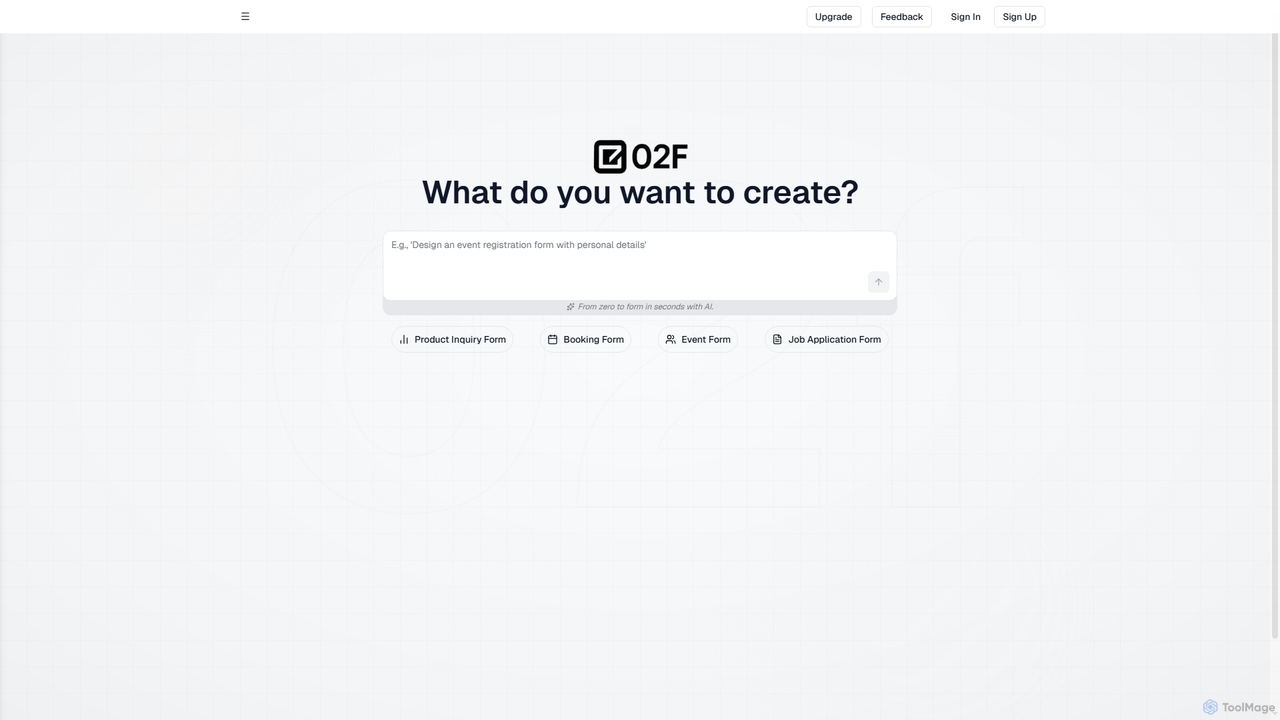
02F

02F

02F is an AI-powered online form builder that enables users to create various types of forms in seconds …

2.7K
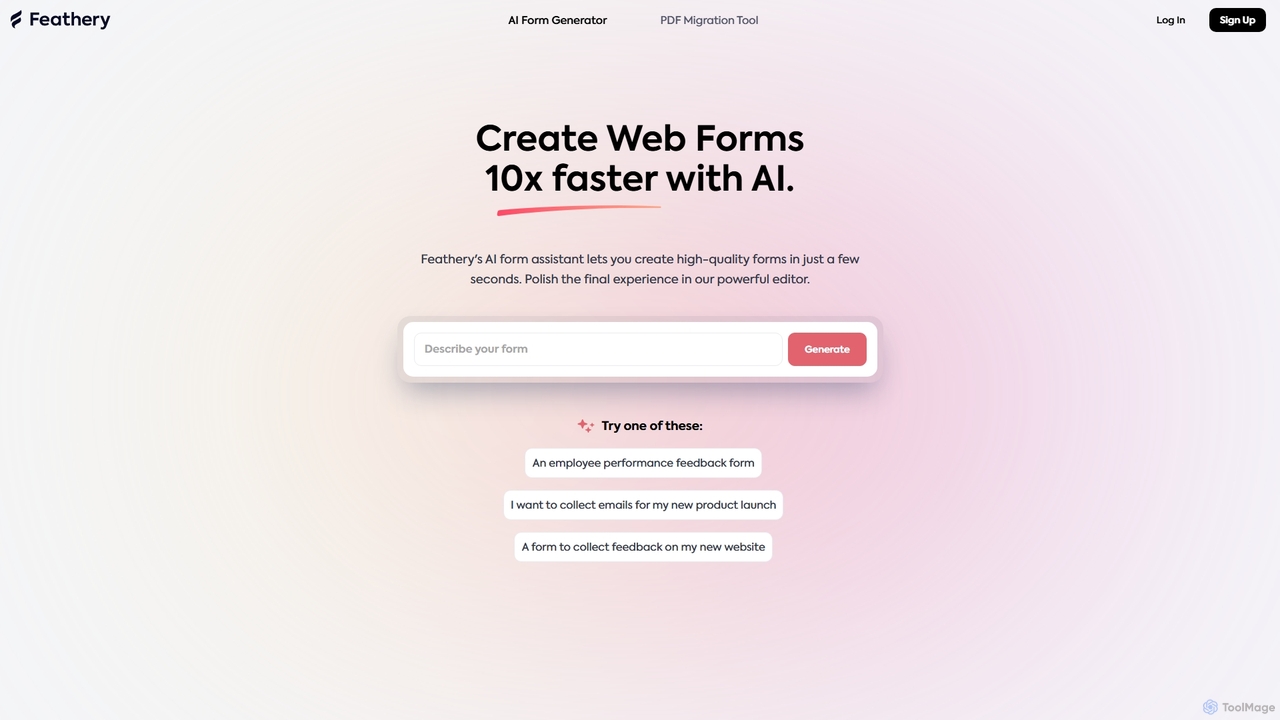
Feathery

Feathery

Feathery is an AI-powered form builder that accelerates web form creation by 10x. Use natural language to generate …

7.8K
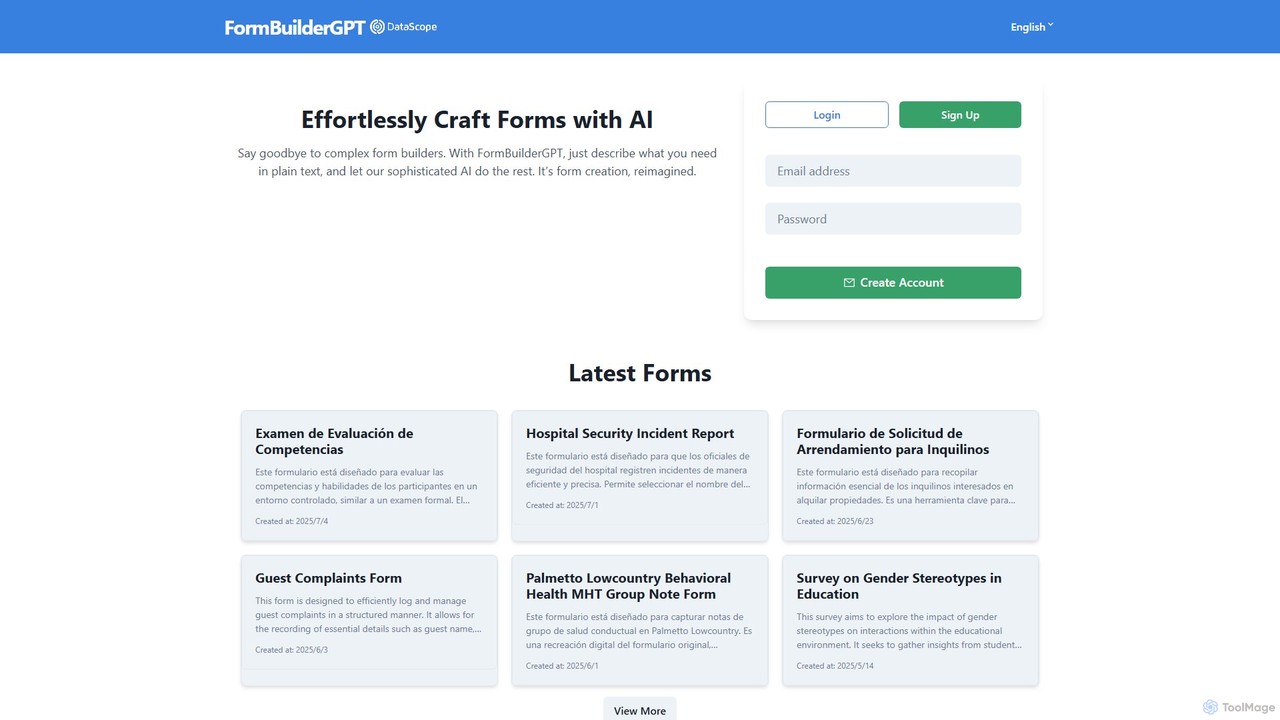
FormBuilderGPT

FormBuilderGPT

FormBuilderGPT is an AI-powered tool that revolutionizes form creation. Simply describe the form you need in plain text, …

2.7K
Jinshuju

Jinshuju

Jinshuju is a versatile data platform that enables anyone to create online forms, surveys, and quizzes. It integrates …

220.4K
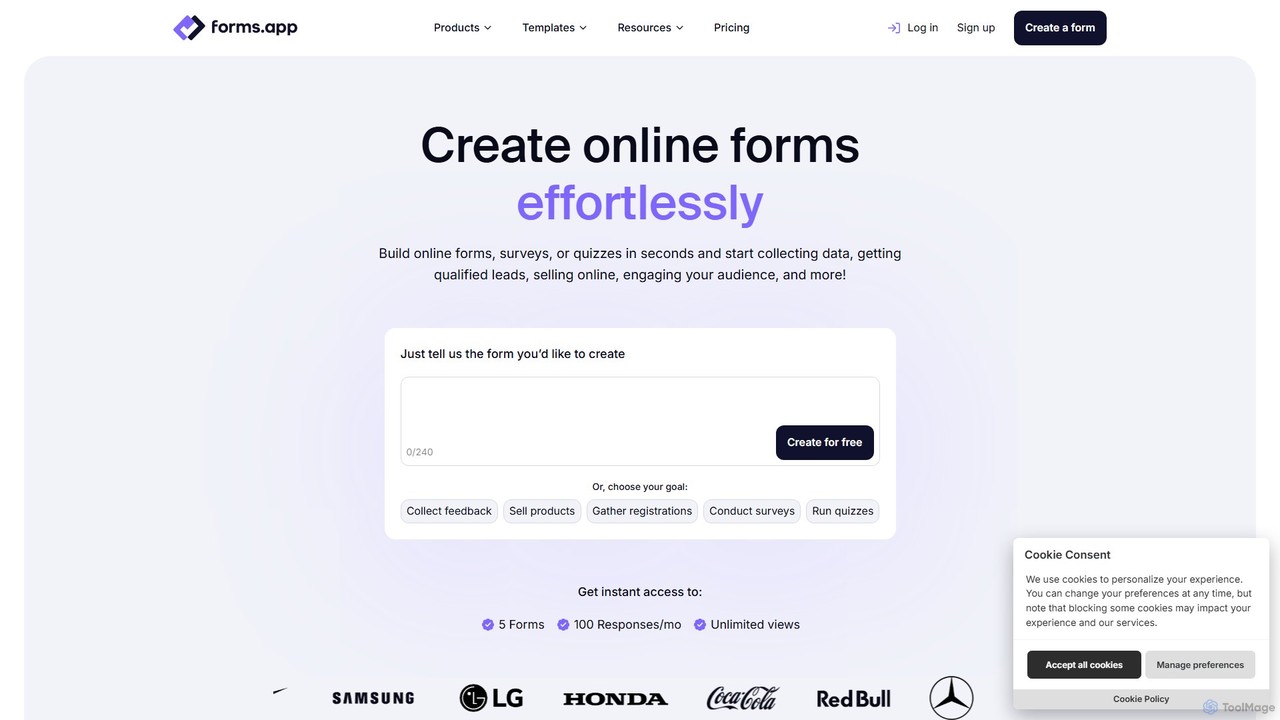
forms.app

forms.app

forms.app is an AI-powered online form builder that enables users to effortlessly create forms, surveys, and quizzes. It …

1.2M
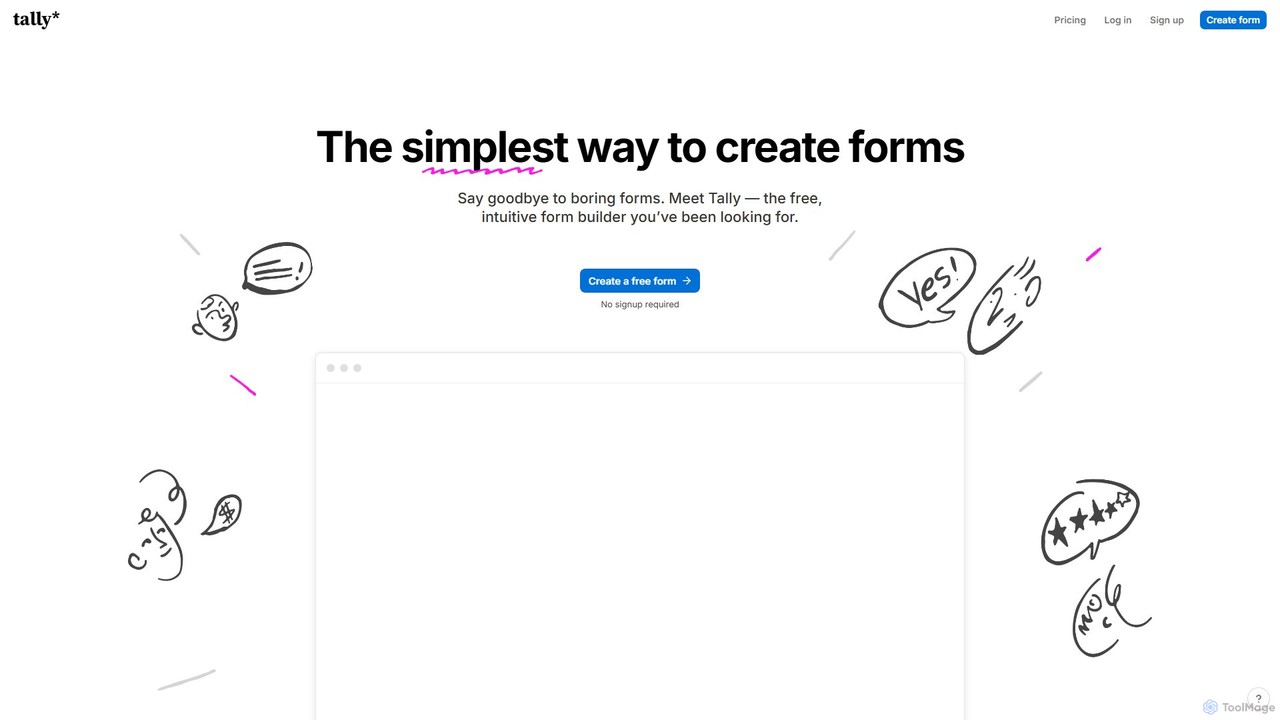
Tally

Tally

Tally is an intuitive and powerful online form builder that works like a text document. It offers unlimited …

11.4M
HeyForm

HeyForm

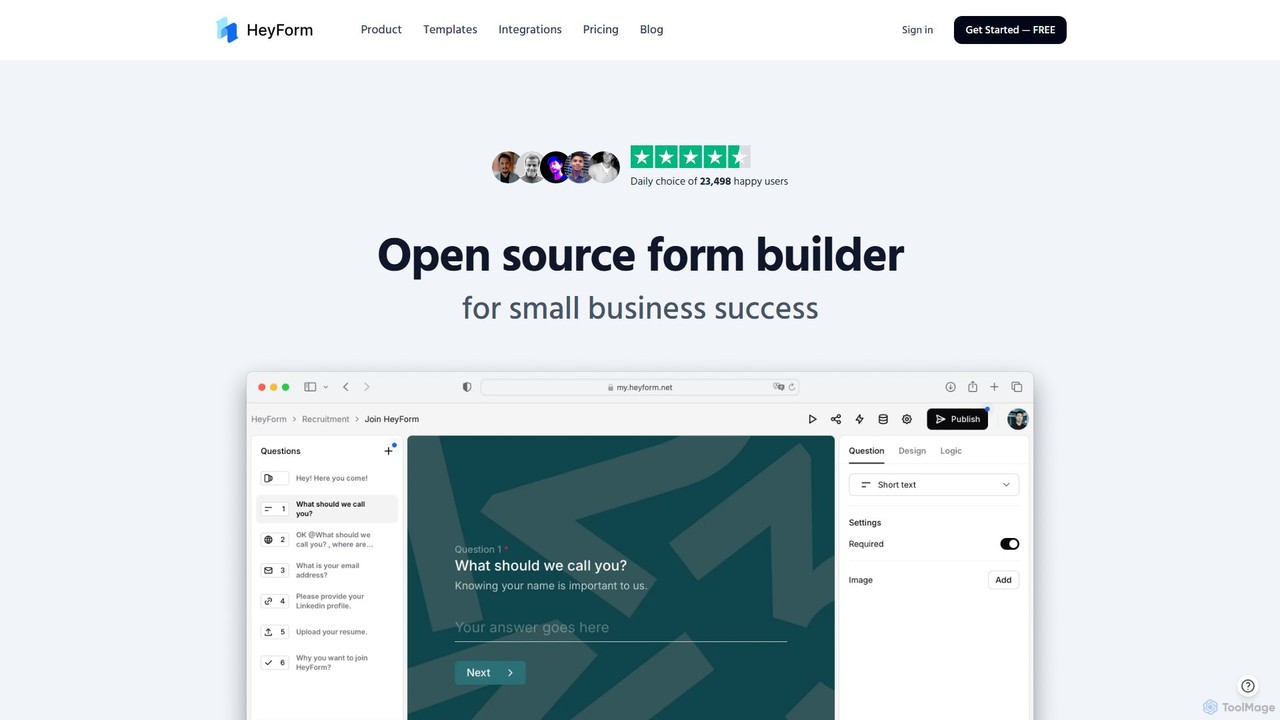
HeyForm is an open-source form builder designed for small businesses. It features an AI copilot to accelerate form …

26.3K
Makeforms

Makeforms

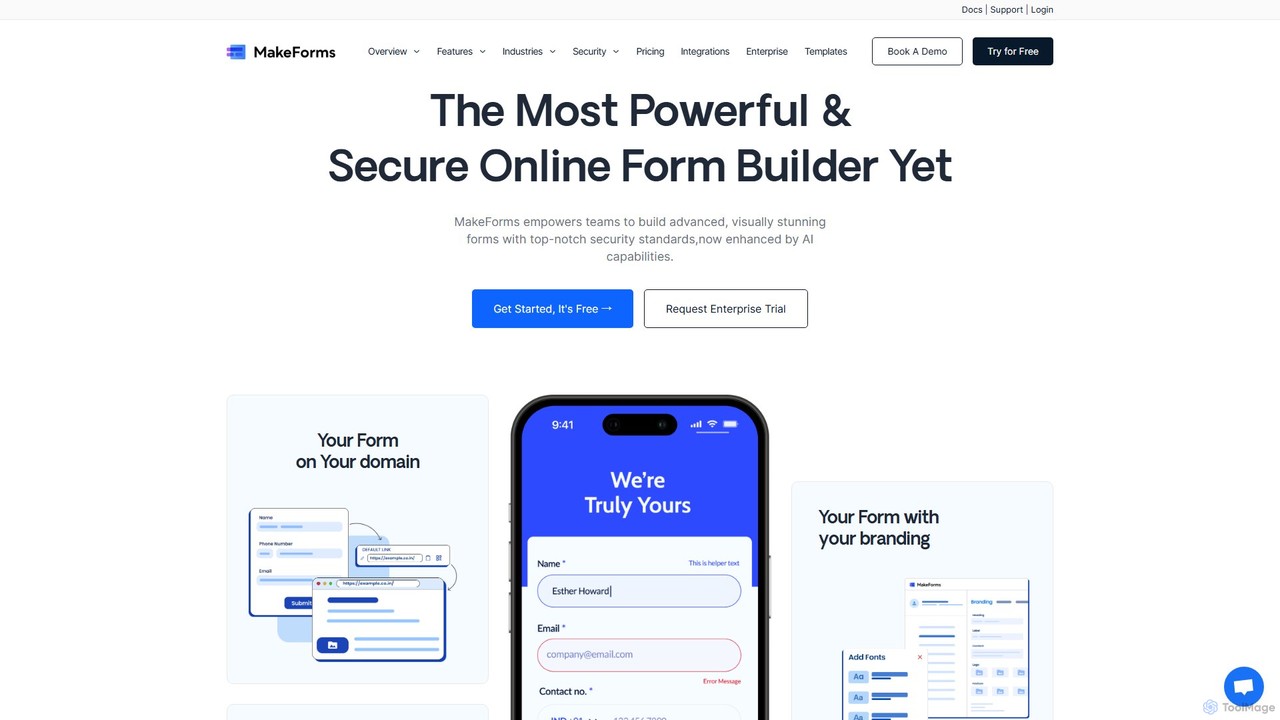
Makeforms is an advanced online form builder that empowers users to create highly customized forms, surveys, and quizzes. …

24.3K
easyfill

easyfill

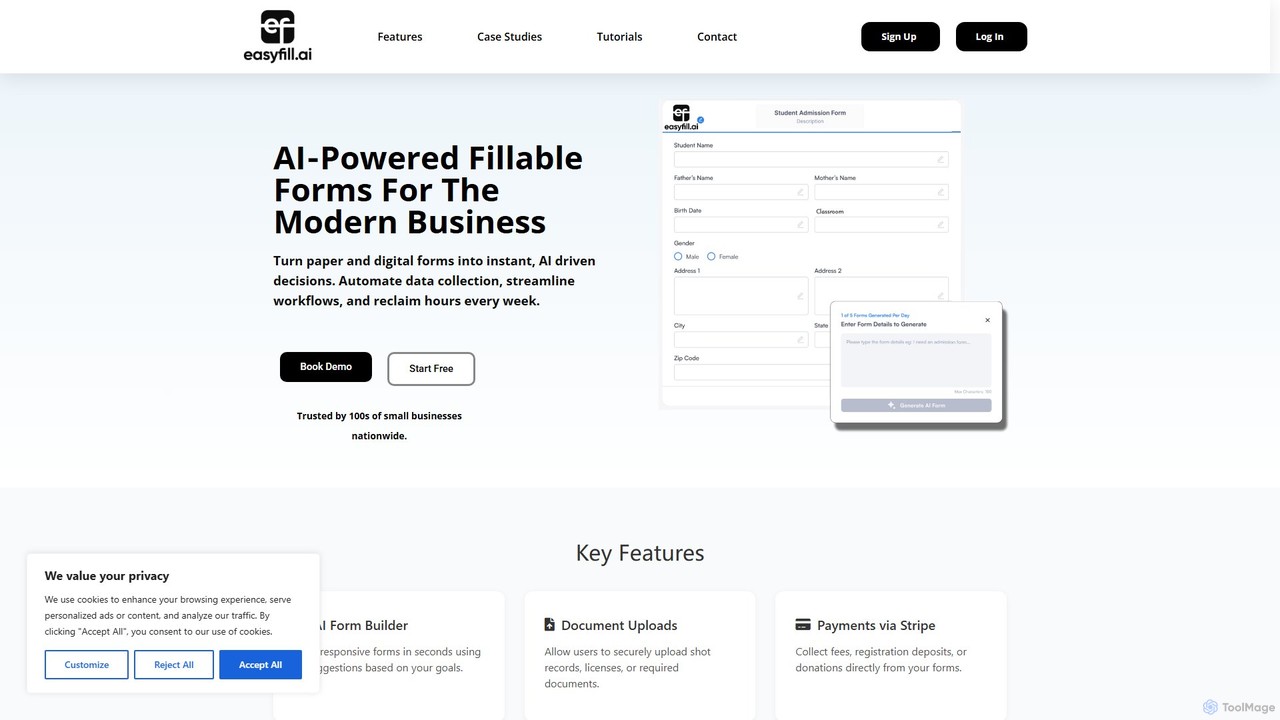
easyfill is an AI-powered form builder that transforms data collection for modern businesses. It allows you to convert …

3.7K
Formzil

Formzil

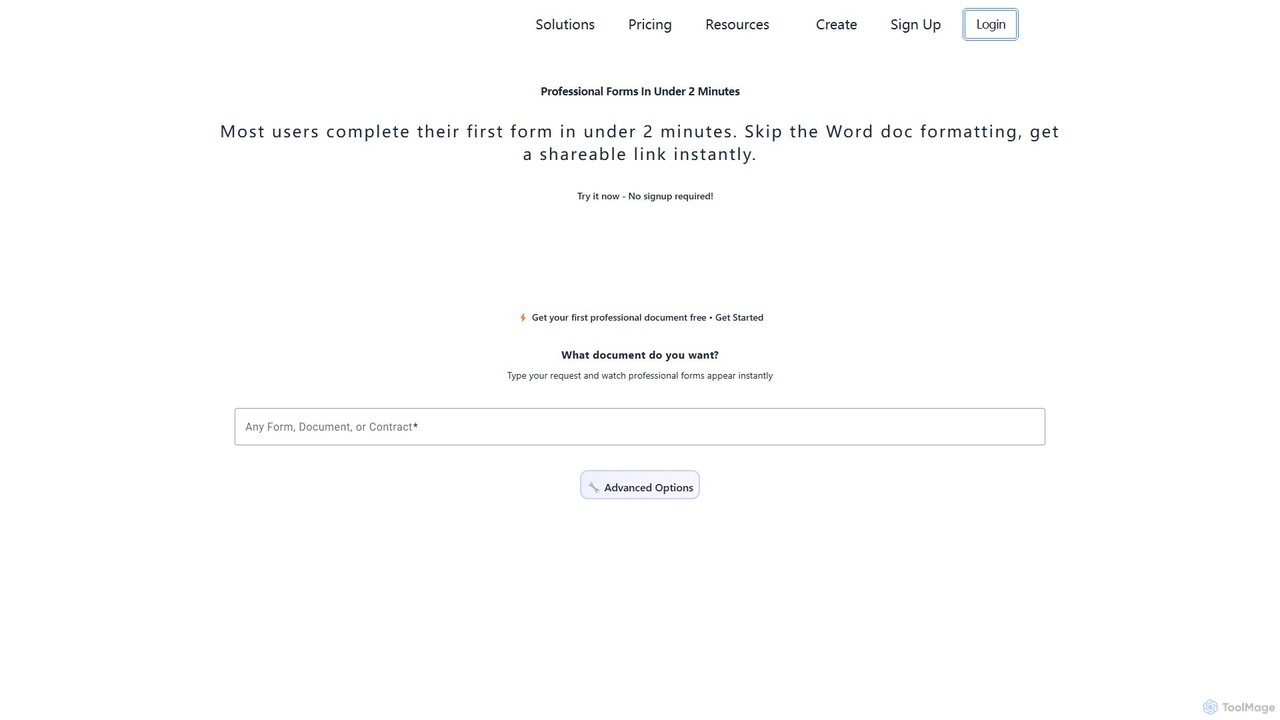
Formzil is an AI-powered form builder that creates professional forms, surveys, and contracts in minutes. Simply describe the …

2.8K
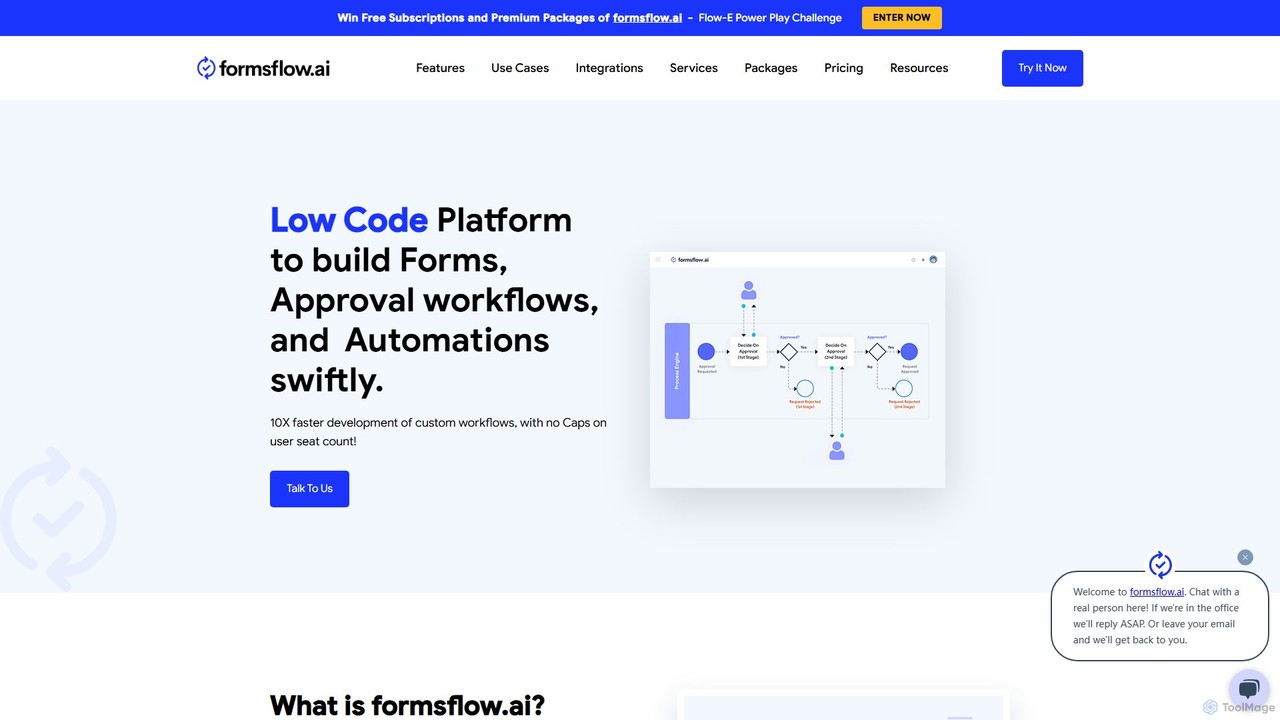
formsflow.ai

formsflow.ai

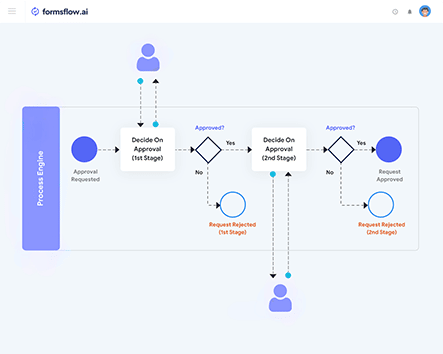
formsflow.ai is a low-code, open-source platform designed for building complex forms and automating workflows. It integrates a drag-and-drop …

11.4K
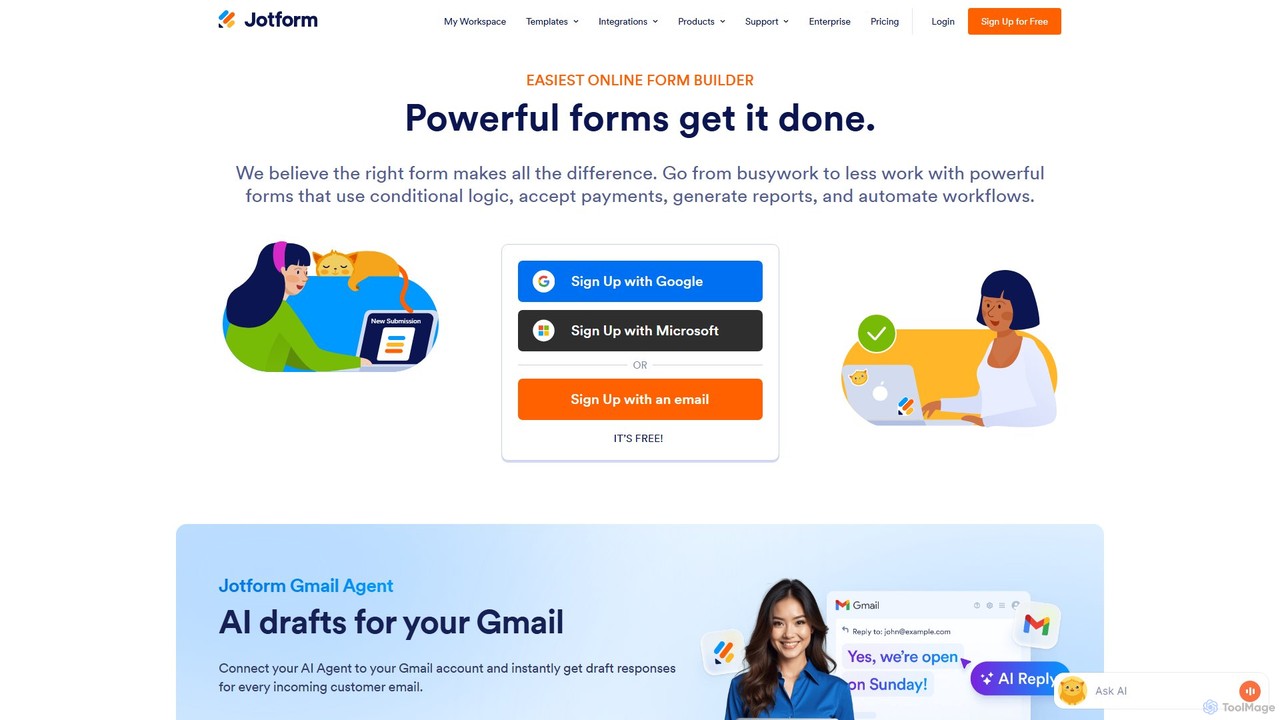
Jotform

Jotform

Jotform is a powerful no-code online form builder that allows anyone to create custom forms for data collection, …

43.5M

About Data Collection

AI Data Collection tools are a class of software that automates the process of gathering information from diverse digital sources. These tools leverage technologies like machine learning, natural language processing (NLP), and computer vision to identify, extract, and structure data from websites, documents, and social media. Their primary value lies in enabling businesses to acquire large-scale, accurate data for market analysis, lead generation, and competitive intelligence with high efficiency. Unlike manual methods, AI-powered collection can handle complex data formats and adapt to changes in source structure automatically.

Core Features

  • Automated Web Scraping: Extracts specific data fields from web pages at scale, navigating complex site structures and logins.
  • Unstructured Data Extraction: Uses NLP and OCR to pull structured information from PDFs, emails, images, and text documents.
  • Real-time Data Monitoring: Continuously tracks specified sources for new or updated information and triggers alerts.
  • Data Structuring & Cleaning: Automatically formats extracted data into a clean, usable format like JSON or CSV, removing duplicates and errors.
  • API Integration: Seamlessly connects with other business systems like CRMs, databases, and analytics platforms to feed collected data into workflows.

Use Cases

These tools are widely used in market research for competitor price tracking, in sales and marketing for building lead lists from online directories, and in finance for extracting data from financial reports. Data scientists also use them to aggregate datasets for training machine learning models. For example, an e-commerce company can automatically collect competitor product information to adjust its pricing strategy in real-time.

How to Choose

When selecting an AI Data Collection tool, consider the types of data sources you need to access (websites, social media, documents). Evaluate the tool's ability to handle complex extraction tasks and its scalability for large data volumes. Assess the ease of use of its interface, especially for non-technical users. Finally, check its integration capabilities with your existing software stack and review the pricing model based on data volume or features.

Data CollectionUse Cases

1

Automated Competitor Price Monitoring

An e-commerce manager needs to maintain competitive pricing for thousands of products. Using an AI Data Collection tool, they set up automated scrapers to monitor key competitor websites daily. The tool identifies product pages, extracts prices, stock availability, and special offers, then structures this data into a dashboard. This allows the pricing team to react instantly to market changes, adjust their own prices strategically, and maximize sales without spending hours on manual checks.

2

Building Targeted Lead Lists for Sales

A sales team is tasked with finding new leads in the software industry. Instead of manually browsing professional networks and company directories, they use an AI Data Collection tool. They define criteria such as 'VP of Engineering', 'SaaS companies', and 'North America'. The tool then crawls relevant public sources, extracts contact names, job titles, company names, and sometimes even verified email addresses. The result is a highly targeted, structured list that can be directly imported into their CRM, saving the sales team dozens of hours of prospecting work each week.

3

Aggregating Social Media Sentiment Data

A brand manager wants to understand public perception following a new product launch. They configure an AI Data Collection tool to monitor social media platforms for mentions of the product name and related keywords. The tool collects thousands of posts, comments, and tweets in real-time. Its built-in NLP capabilities then analyze the text to classify sentiment as positive, negative, or neutral. This provides the manager with a quantitative overview of public reaction, helping them identify key praise points and urgent customer issues without manually reading every mention.

4

Extracting Data from Invoices and Receipts

An accounting department processes hundreds of invoices weekly, a task prone to manual error. They implement an AI Data Collection tool with Optical Character Recognition (OCR) capabilities. Employees simply scan or upload PDF invoices. The AI automatically identifies and extracts key fields like invoice number, vendor name, date, total amount, and line items. The structured data is then exported directly to their accounting software, reducing data entry time by over 80% and significantly improving accuracy.

5

Monitoring Real Estate Market Listings

A real estate agency needs to stay updated on new property listings across multiple platforms. They use an AI Data Collection tool to scrape major real estate websites in their region every hour. The tool is configured to extract property address, price, number of bedrooms, square footage, and agent contact information. New listings are automatically added to a centralized database and agents receive real-time alerts, allowing them to contact sellers faster and provide their clients with the most current market information.

6

Academic Research and Literature Review

A university researcher is conducting a meta-analysis that requires data from hundreds of published scientific papers. Manually finding and extracting this data would take months. By using an AI Data Collection tool, the researcher can automatically scan online academic databases and journals for relevant papers. The tool then uses NLP to extract specific data points, such as sample sizes, statistical results, and methodologies, from the text and tables within these papers. This automates the most tedious part of the literature review, allowing the researcher to focus on analysis and interpretation.

Data CollectionFrequently Asked Questions