ToolMage
Sign in

Best 2 Translation AI tools for Customer Support

Popular Translation AI tools in Customer Support include LanguageIO and Menusso, helping you work more efficiently.

LanguageIO
Paid

LanguageIO

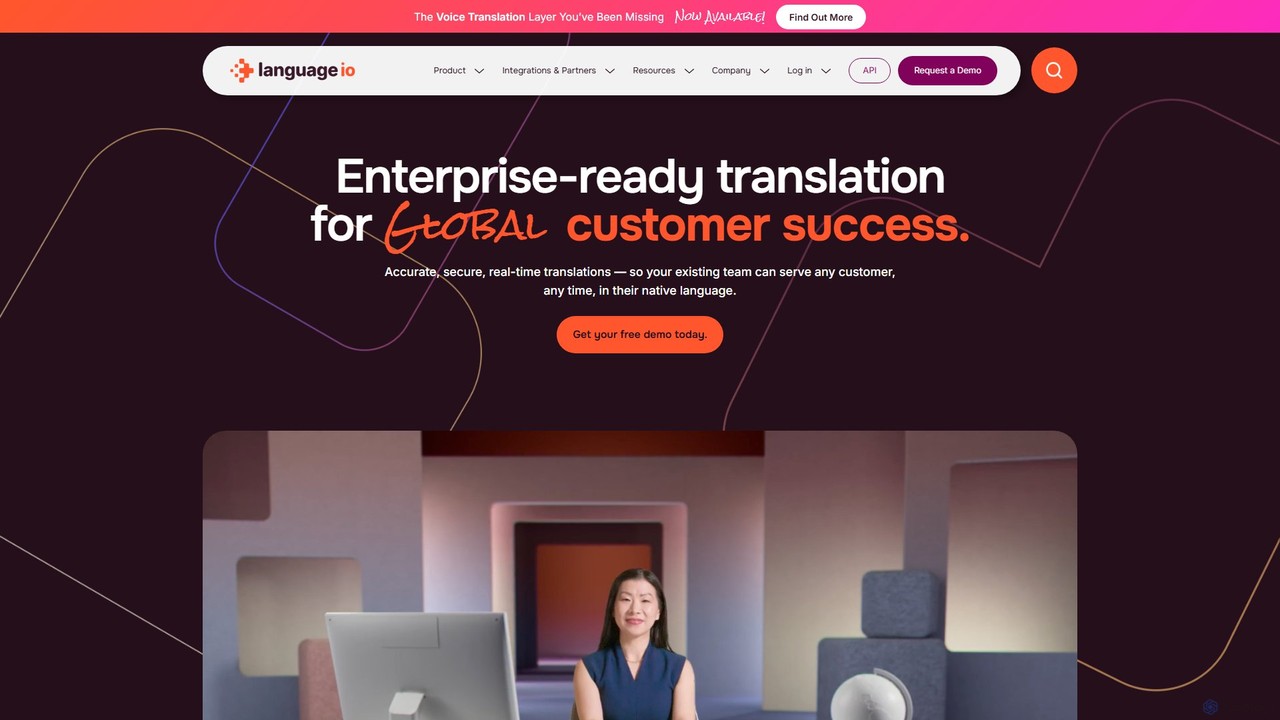
LanguageIO is an enterprise-grade AI translation platform for global customer support. It provides real-time, secure, and accurate translations in over 150 languages, integrating seamlessly with major CRMs like Salesforce and Zendesk. It empowers existing support teams to handle multilingual communications across all channels—chat, email, voice, and chatbots—without hiring additional staff, ensuring security compliance and reducing operational costs.

Global Operations
Visits 13.8KFavorites 120Likes 109
Menusso
Paid

Menusso

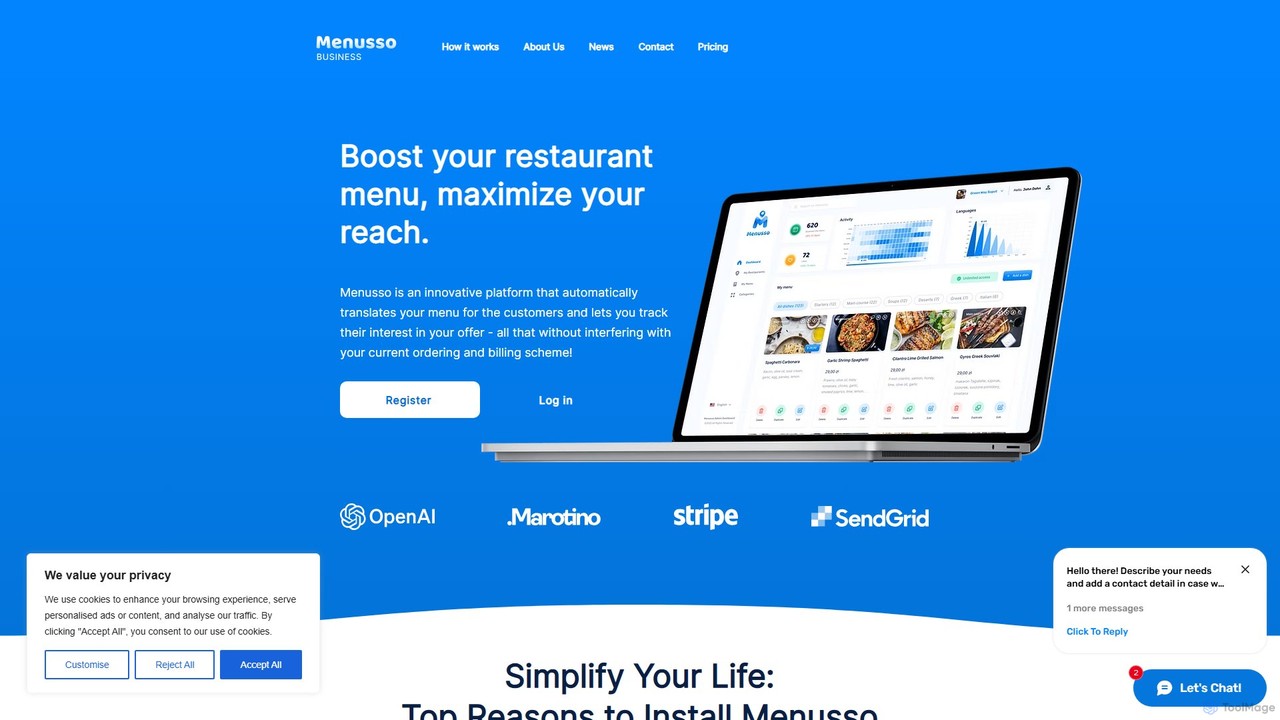
Menusso is an AI-powered digital menu system for restaurants. It offers real-time menu updates, automatic translation into 15 languages using ChatGPT 4.0, and customer preference analytics. This platform helps restaurants attract international diners, reduce printing costs, and dynamically manage promotions, all without needing complex POS integration.

Translation
Visits 4.9KFavorites 139Likes 142

About Translation

AI Translation tools are specialized solutions that leverage artificial intelligence to convert text or speech from one language to another. Utilizing advanced Natural Language Processing (NLP) and Neural Machine Translation (NMT) technologies, these tools aim to provide accurate, contextually relevant, and fluent translations. They are essential for breaking down language barriers, enabling seamless global communication, and enhancing multilingual customer support operations.

Core Features

  • Neural Machine Translation (NMT): Employs deep learning models to translate entire sentences, ensuring better contextual understanding and more natural-sounding output than traditional phrase-based methods.
  • Real-time Translation: Provides instant conversion of spoken or written language, crucial for live chats, video calls, and dynamic content.
  • Glossary & Terminology Management: Allows users to define and enforce specific terms, brand names, or industry-specific jargon, ensuring consistency across all translations.
  • Customization & Fine-tuning: Offers options to train models with specific data, adapting the translation engine to unique linguistic styles, tone, or domain-specific vocabulary.
  • Speech-to-Text & Text-to-Speech Integration: Converts spoken words into text for translation, and translated text back into speech, supporting diverse communication needs.

Use Cases

Businesses with international customer bases frequently deploy AI translation tools to handle multilingual inquiries across various channels like email, chat, and social media. These tools enable support agents to communicate effectively with customers in their native languages, improving satisfaction and resolution times. They also facilitate the localization of product documentation and marketing materials for global markets.

How to Choose

When selecting an AI translation tool, consider the accuracy and fluency of its NMT engine for your target languages and domain. Evaluate its integration capabilities with existing customer support platforms (CRM, live chat). Assess features like real-time translation, glossary management, and customization options. Finally, compare pricing models and the level of support offered.

Translation use cases

1

Enable Real-time Multilingual Customer Chat

Customer service teams use AI translation tools to instantly translate incoming customer messages in various languages into the agent's native language, and vice-versa. This allows agents to provide support to a global customer base without needing to be fluent in multiple languages, significantly reducing response times and improving customer satisfaction.

2

Localize Product Manuals and Marketing Content

Businesses leverage AI translation to quickly translate user manuals, product specifications, website content, and marketing campaigns into multiple target languages. This accelerates market entry for new products and ensures that global audiences receive accurate and culturally relevant information, reducing the cost and time associated with manual localization.

3

Translate Internal Communications for Global Teams

Multinational corporations use AI translation tools to facilitate communication among employees located in different countries. This includes translating internal memos, company announcements, training materials, and meeting summaries, ensuring all team members are informed and aligned, regardless of their native language.

4

Automate Multilingual Email and Support Ticket Translation

Customer support platforms integrate AI translation to automatically translate incoming customer emails and support tickets into the agent's preferred language. Agents can then respond in their language, and the tool translates the reply back to the customer's language, streamlining the workflow for international support requests.

5

Provide Real-time Translation for Global Meetings

For international conferences, webinars, or virtual team meetings, AI translation tools can provide real-time captions or audio translation. This ensures that participants from diverse linguistic backgrounds can fully understand and engage in discussions, fostering inclusivity and effective collaboration across borders.

6

Translate User Reviews and Social Media Content

Brands and platforms utilize AI translation to understand and respond to user-generated content, such as customer reviews, forum posts, and social media comments, in various languages. This helps in monitoring global brand sentiment, identifying product issues, and engaging with a broader international audience effectively.

Translation FAQ

What are AI Translation tools?

AI Translation tools are software applications that use artificial intelligence, primarily Neural Machine Translation (NMT), to automatically convert text or speech from one language to another. Unlike traditional rule-based or statistical methods, NMT models learn from vast amounts of data to produce more natural, contextually accurate, and fluent translations. They are widely used in global communication, content localization, and multilingual customer support.

How do AI Translation tools differ from traditional human translation services?

AI Translation tools offer instant, scalable, and cost-effective translation, ideal for large volumes of content or real-time communication. However, human translation provides superior nuance, cultural sensitivity, and creative adaptation, especially for highly specialized or sensitive texts. AI tools are best for speed and efficiency, often used for initial drafts or high-volume, less critical content, while human translators excel in quality assurance and complex localization projects.

What are the key features to look for in an AI Translation tool?

When choosing an AI translation tool, prioritize features like Neural Machine Translation (NMT) for higher accuracy and fluency. Look for real-time translation capabilities for dynamic interactions, and robust glossary/terminology management to ensure consistency. Customization options, such as the ability to train models with your specific data, are crucial for domain-specific content. Integration with existing platforms (e.g., CRM, CMS) and support for your required languages are also vital considerations.

Can AI Translation tools handle specialized or technical jargon?

Modern AI translation tools, especially those with customization features, can handle specialized or technical jargon reasonably well. By utilizing custom glossaries, terminology databases, and domain-specific training data, users can significantly improve the accuracy of translations for niche industries like legal, medical, or engineering. While they may not always match human expert precision, their ability to learn and adapt makes them highly valuable for technical content.

How do AI Translation tools specifically benefit customer support operations?

AI Translation tools significantly enhance customer support by enabling agents to communicate with customers in their native languages, regardless of the agent's linguistic skills. This leads to faster response times, improved customer satisfaction, and reduced operational costs. They facilitate real-time chat translation, automate email and ticket translation, and help localize support documentation, making global customer service more efficient and inclusive.