ToolMage
Sign in

Best 58 Virtual Assistant for Customer Support

Popular Virtual Assistant in Customer Support include Tavus, Numa, Smith.ai, Avoca, myaifrontdesk, HappyRobot, Hippocratic AI, Newo, heyrosie, and TaskAGI, helping you work more efficiently.

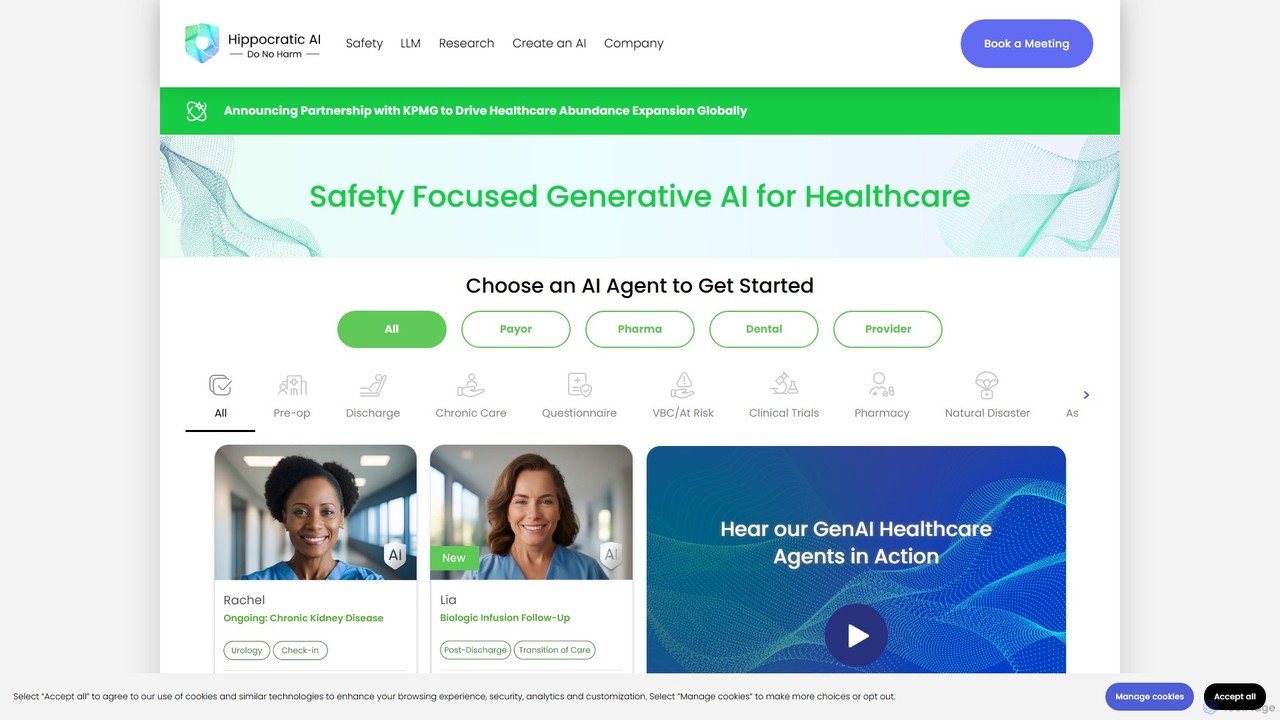
Hippocratic AI
Paid

Hippocratic AI

Hippocratic AI is a safety-focused generative AI platform for healthcare. It provides empathetic AI agents to automate non-diagnostic, patient-facing tasks, aiming to address the global shortage of healthcare workers by offering scalable, low-risk communication and care management solutions.

Virtual Assistant
Visits 76.1KFavorites 117Likes 120
Smith.ai
Paid

Smith.ai

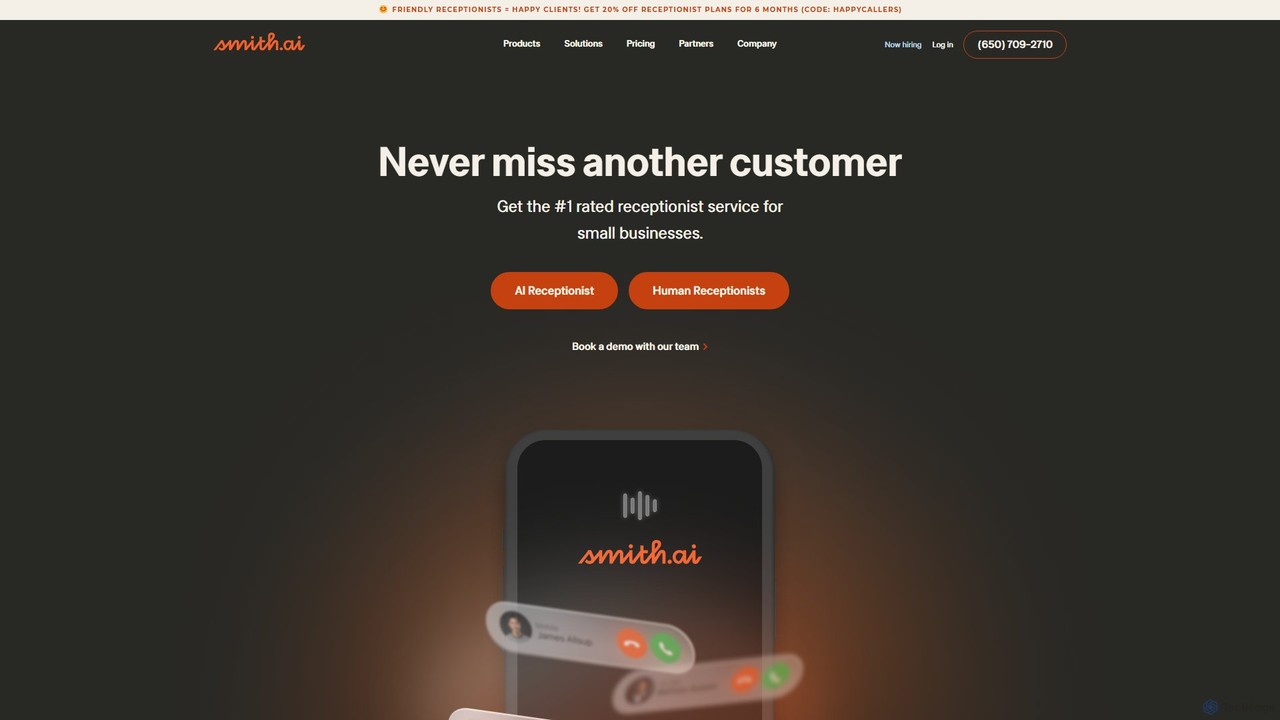
Smith.ai is a 24/7 virtual receptionist service that combines professional human agents with AI technology. It handles calls, web chats, and outreach to capture and convert leads, book appointments, and provide superior customer support for businesses of all sizes.

Virtual Assistant
Visits 123.8KFavorites 126Likes 134
Furhat Robotics
Paid

Furhat Robotics

Furhat Robotics provides the world's most advanced social robotics and conversational AI platform. It features a physically present robot with an expressive, back-projected face, designed for natural human-robot interaction. The platform is used globally in research, education, healthcare, and enterprise applications to create socially aware and engaging experiences.

Virtual Assistant
Visits 14.2KFavorites 111Likes 103
Scrollengine
Paid

Scrollengine

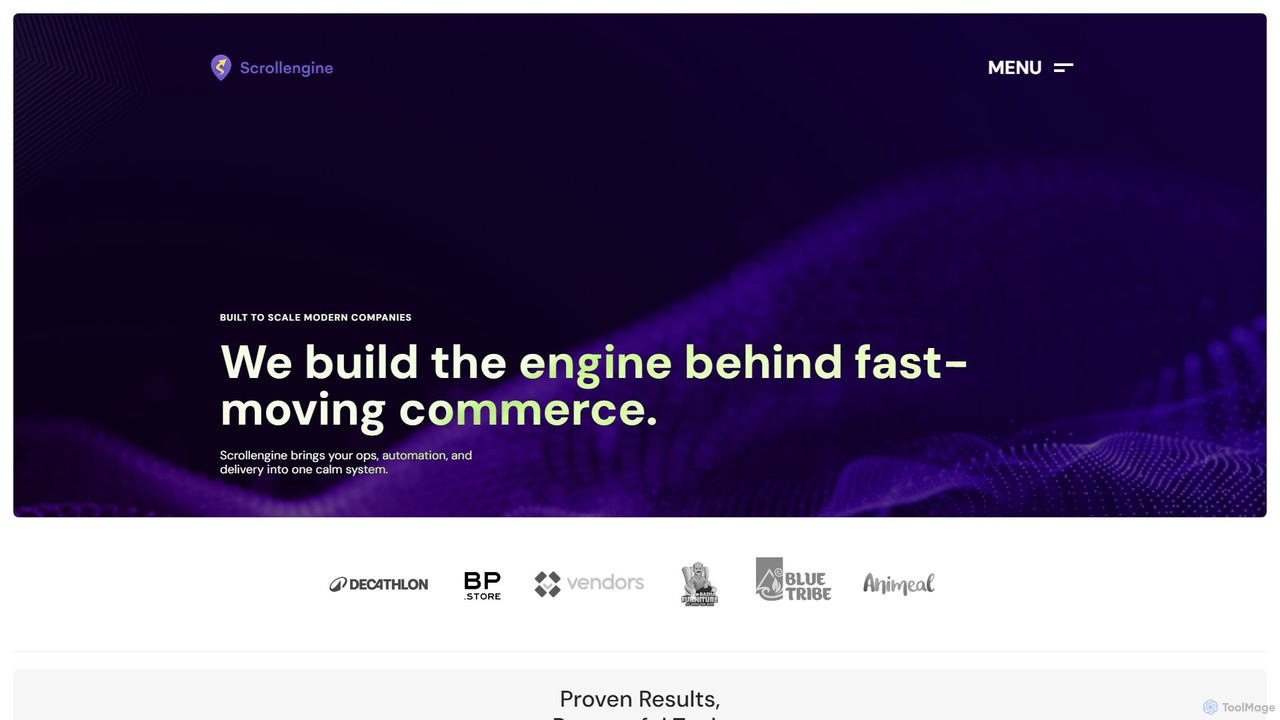
Scrollengine is an AI-powered logistics and operations platform designed for modern e-commerce businesses. It unifies local delivery, route planning, store location services, and in-store assistance into a single, streamlined system. Ideal for Shopify merchants, it helps companies scale smarter, deliver faster, and reduce operational costs through intelligent automation.

Virtual Assistant
Visits 6.1KFavorites 111Likes 98
Simple Phones
Freemium

Simple Phones

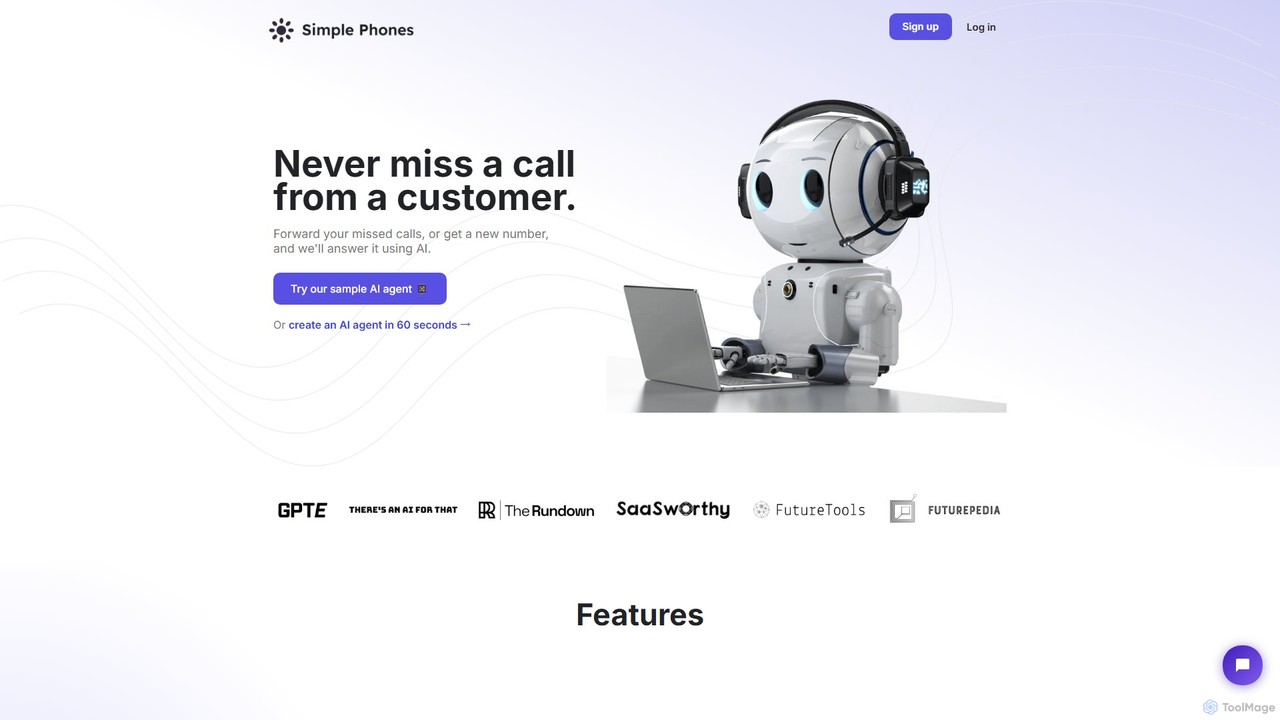
Simple Phones provides an AI-powered phone agent to answer your business calls 24/7. Forward your missed calls or get a new number, and the AI will handle inquiries, book appointments, and take messages, ensuring you never miss a customer opportunity. It's customizable, affordable, and integrates with your existing systems.

Virtual Assistant
Visits 6.8KFavorites 140Likes 133
sandra_ai
Paid

sandra_ai

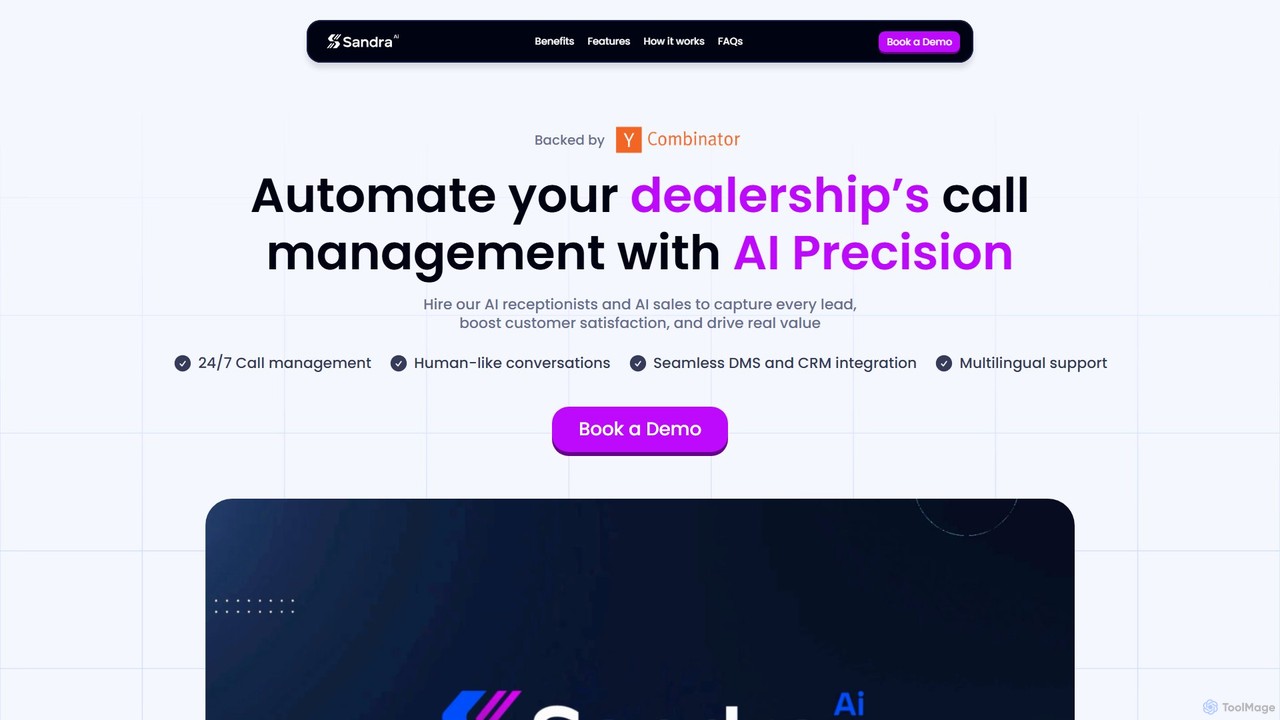
Sandra AI provides AI-powered receptionists and sales assistants for car dealerships. It automates call management 24/7, handling appointments, lead capture, and customer follow-ups with human-like conversations. By integrating with your existing DMS and CRM, it boosts efficiency, enhances customer satisfaction, and increases sales and service revenue.

Virtual Assistant
Visits 14KFavorites 164Likes 157
gosameday
Paid

gosameday

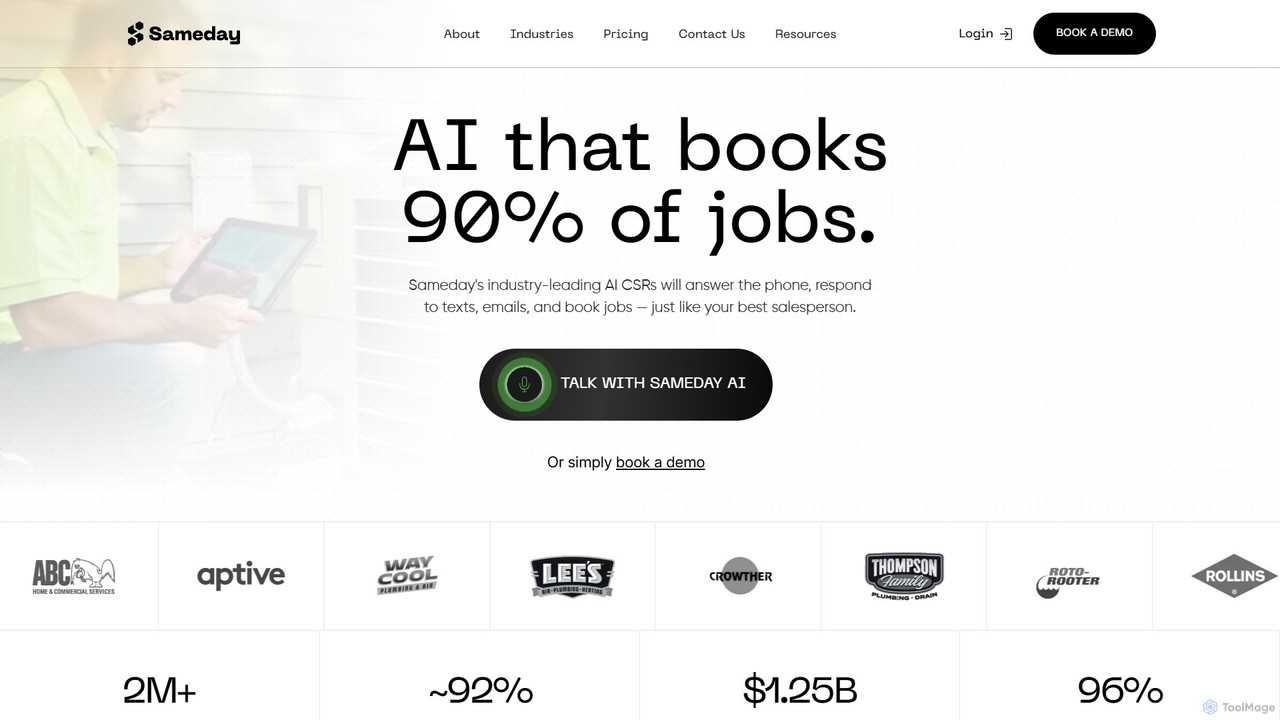
gosameday is an AI-powered phone answering system designed for home service businesses. It acts as a 24/7 AI receptionist, CSR, and salesperson, handling calls, texts, and emails to book appointments, answer inquiries, upsell services, and follow up with customers. It integrates seamlessly with field service management software to automate scheduling and improve booking rates.

Virtual Assistant
Visits 12.7KFavorites 153Likes 149
Sensay
Freemium

Sensay

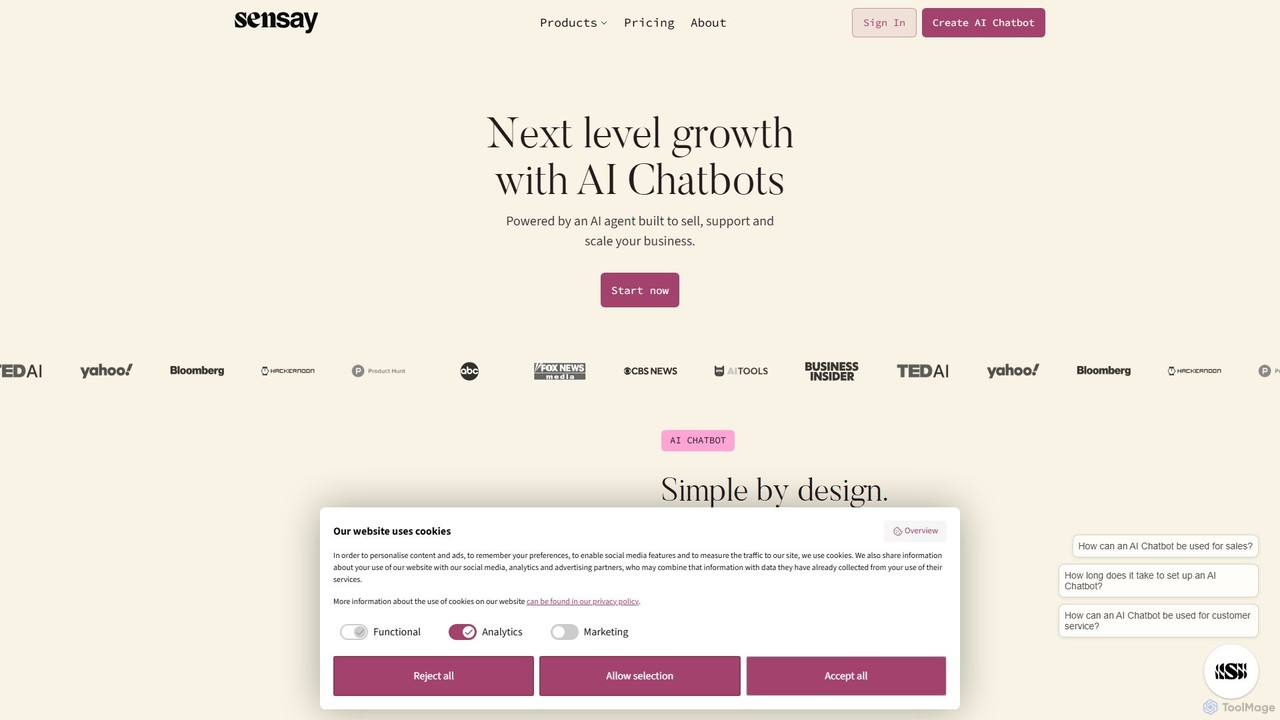
Sensay is an AI platform that allows you to create powerful, lifelike AI chatbots and digital replicas in minutes. Train your AI with your knowledge from YouTube, files, and websites to scale your expertise, automate interactions, and engage your audience 24/7 across multiple platforms like websites, Discord, and Telegram.

No Code Builder
Visits 15.4KFavorites 102Likes 83
Arold
Freemium

Arold

Arold is an AI-powered assistant for Airbnb hosts that integrates directly into the Airbnb inbox. It provides one-tap, intelligent, and customizable reply suggestions to save time, enhance guest communication, and improve overall satisfaction.

Virtual Assistant
Visits 5.8KFavorites 140Likes 148
xokind
Freemium

xokind

xokind is an advanced AI platform for building and deploying personalized, empathetic AI agents. Create no-code chatbots and virtual assistants with unique personalities, connect them to knowledge bases, and deploy them across multiple channels for customer support, personal coaching, or interactive marketing.

Virtual Assistant
Visits 6.2KFavorites 135Likes 112

About Virtual Assistant

Virtual Assistants are AI-powered tools designed to automate and streamline various tasks, primarily within customer support and administrative functions. Leveraging natural language processing (NLP) and machine learning, these tools can understand user queries, provide information, and execute actions autonomously. They enhance operational efficiency by handling routine interactions, freeing human agents for complex issues, and ensuring consistent, round-the-clock service availability.

Core Features

  • Natural Language Understanding (NLU): Interprets and processes human language to understand user intent and context.
  • Automated Task Execution: Performs routine actions like scheduling appointments, answering FAQs, or processing simple requests.
  • Multi-channel Support: Operates across various platforms including websites, messaging apps, and voice interfaces.
  • Personalized Interactions: Learns from past interactions to offer tailored responses and recommendations.
  • Proactive Engagement: Can initiate conversations or offer assistance based on user behavior or predefined triggers.

Applicable Scenarios

Virtual Assistants are invaluable for businesses seeking to scale their customer service, reduce operational costs, and improve user experience. They are widely adopted in industries like e-commerce for order tracking, healthcare for appointment booking, and IT support for troubleshooting common issues. They also assist individuals with personal productivity tasks such as managing calendars and setting reminders.

How to Choose

Selecting a Virtual Assistant requires evaluating its NLP capabilities, ensuring it can accurately understand diverse user inputs. Consider its integration potential with existing CRM, ticketing, and communication systems. Assess scalability to handle fluctuating user volumes and the level of customization offered for branding and specific business logic. Finally, review security features and data privacy compliance.

Featured tool rankings

Virtual Assistant use cases

1

Automating First-Level Customer Support

For e-commerce businesses, a Virtual Assistant can handle a high volume of common customer inquiries such as order status checks, return policies, and product information. By integrating with the order management system, it provides instant, accurate responses 24/7, reducing the workload on human agents by up to 60% and improving customer satisfaction through immediate resolution.

2

Streamlining Appointment Scheduling

Healthcare providers or service-based businesses can deploy a Virtual Assistant to manage appointment bookings and cancellations. Patients or clients interact with the AI to find available slots, confirm details, and receive reminders, significantly reducing administrative overhead and minimizing no-shows. This frees up reception staff to focus on more complex patient care or client needs.

3

Providing Instant IT Helpdesk Support

Internal IT departments can use a Virtual Assistant to offer immediate support for common technical issues like password resets, software installation guides, or network troubleshooting. Employees can get instant solutions without waiting for a human agent, leading to faster problem resolution and improved employee productivity across the organization.

4

Enhancing Lead Qualification and Nurturing

Sales and marketing teams can leverage Virtual Assistants on websites to engage visitors, answer initial questions about products or services, and qualify leads based on predefined criteria. The AI can then collect contact information and seamlessly hand over high-potential leads to sales representatives, optimizing the sales funnel and increasing conversion rates.

5

Personalized Financial Advisory Support

Financial institutions can deploy Virtual Assistants to provide personalized support for banking inquiries, investment updates, or budget tracking. Users can ask questions about their account balance, recent transactions, or get advice on savings, receiving tailored information securely and conveniently, enhancing customer engagement and trust.

6

Automating HR Onboarding and FAQ

Human Resources departments can utilize Virtual Assistants to guide new employees through the onboarding process, answering common questions about company policies, benefits, and payroll. This ensures new hires receive consistent and immediate information, reducing the burden on HR staff and allowing them to focus on strategic talent management initiatives.

Virtual Assistant FAQ

What are AI Virtual Assistants?

AI Virtual Assistants are software programs that use artificial intelligence, specifically natural language processing (NLP) and machine learning, to understand and respond to human queries and perform tasks. They are designed to simulate human conversation and provide automated support, information, or services across various digital channels, often acting as a first point of contact in customer support.

How do Virtual Assistants differ from traditional Chatbots?

While both automate conversations, Virtual Assistants are generally more advanced than traditional rule-based chatbots. Virtual Assistants leverage AI to understand context, intent, and even sentiment, allowing for more fluid, personalized, and complex interactions. Traditional chatbots often rely on predefined scripts and keywords, limiting their ability to handle nuanced or unexpected queries, whereas VAs can learn and adapt.

What are the key benefits of implementing a Virtual Assistant?

Implementing a Virtual Assistant offers several benefits, including 24/7 availability, instant response times, and the ability to handle a large volume of inquiries simultaneously, leading to improved customer satisfaction. They significantly reduce operational costs by automating routine tasks and free up human agents to focus on more complex or sensitive issues, thereby increasing overall efficiency and productivity.

What tasks can AI Virtual Assistants perform?

AI Virtual Assistants can perform a wide range of tasks, including answering frequently asked questions (FAQs), providing product information, processing simple transactions (like order status), scheduling appointments, collecting user feedback, and guiding users through processes. More advanced VAs can also proactively engage users, personalize recommendations, and integrate with backend systems to retrieve specific data.

What should I consider when integrating a Virtual Assistant into my existing systems?

When integrating a Virtual Assistant, consider its compatibility with your existing CRM, ERP, and communication platforms to ensure seamless data flow. Evaluate the ease of deployment, the level of technical expertise required, and the availability of APIs for custom integrations. Also, plan for ongoing training and optimization of the AI model to maintain accuracy and effectiveness as your business needs evolve.