ToolMage
Sign in

Best 8 Voicebots AI tools for Customer Support

Popular Voicebots AI tools in Customer Support include Bland AI, biglysales, echo.win, OpenCall AI, Vocads, altnativ, Vee, and Outcall AI, helping you work more efficiently.

OpenCall AI
Paid

OpenCall AI

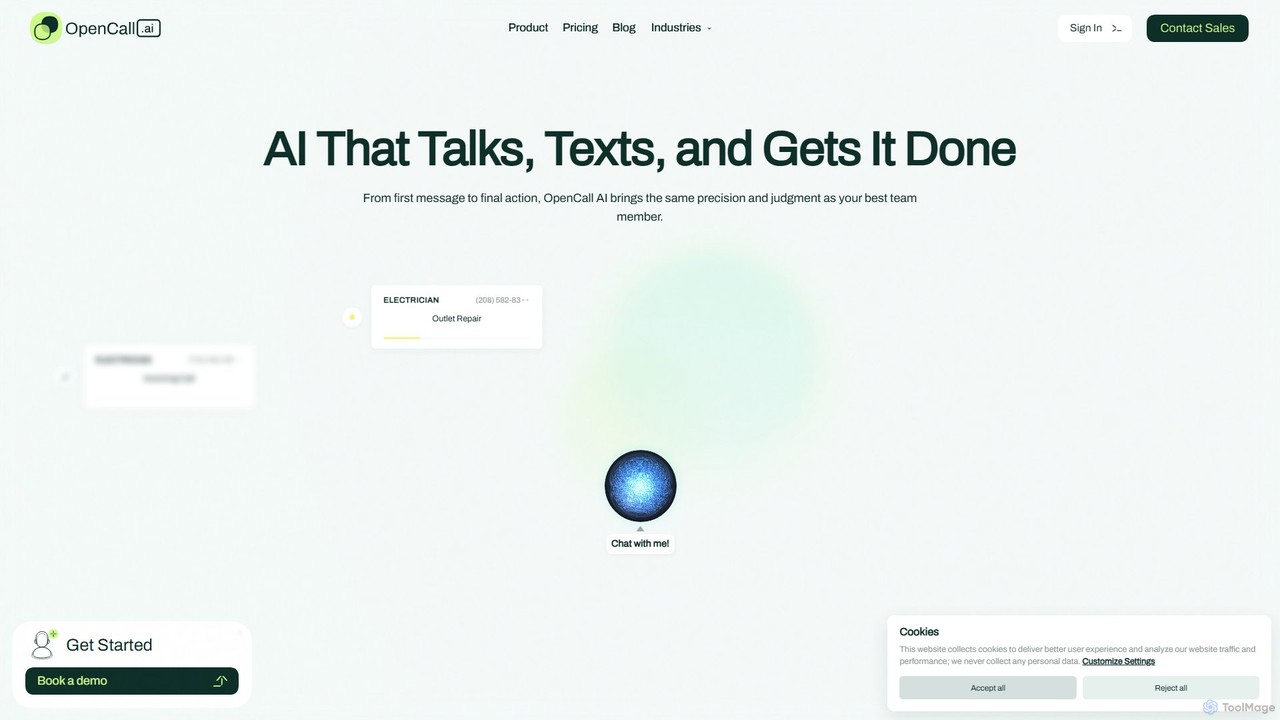
OpenCall AI provides intelligent, 24/7 AI agents that automate phone calls and SMS conversations for businesses. It handles complex tasks like appointment scheduling, customer intake, and sales acceleration, integrating seamlessly with your existing CRM and EHR systems. It's designed for high-volume communication, especially in sectors like healthcare, beauty, and home services.

Voicebots
Visits 10.1KFavorites 102Likes 111
Vee
Paid

Vee

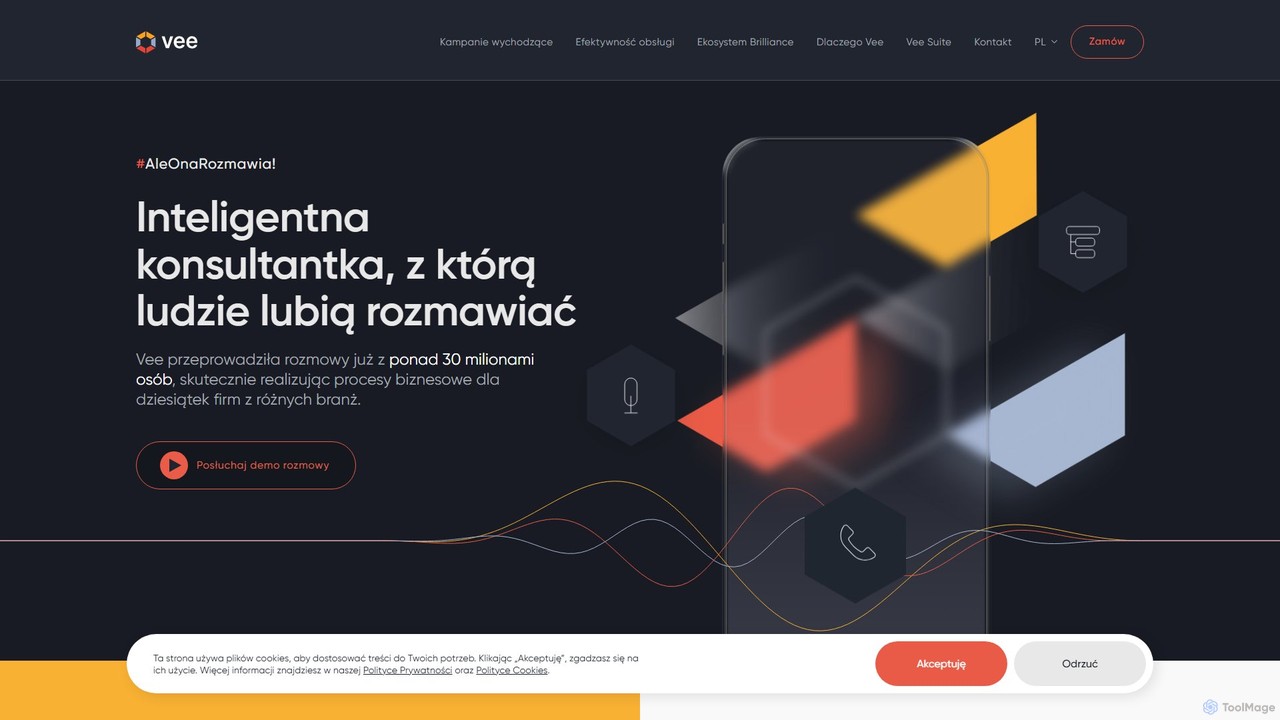
Vee is an advanced AI voice consultant designed to automate call center operations. Powered by the proprietary Brilliance ecosystem, Vee engages in natural, human-like phone conversations to handle inbound and outbound tasks, including lead generation, customer support, and debt collection. It has successfully conducted over 30 million conversations, boosting efficiency and customer satisfaction for businesses across various industries.

Voicebots
Visits 4.9KFavorites 131Likes 107
altnativ
Paid

altnativ

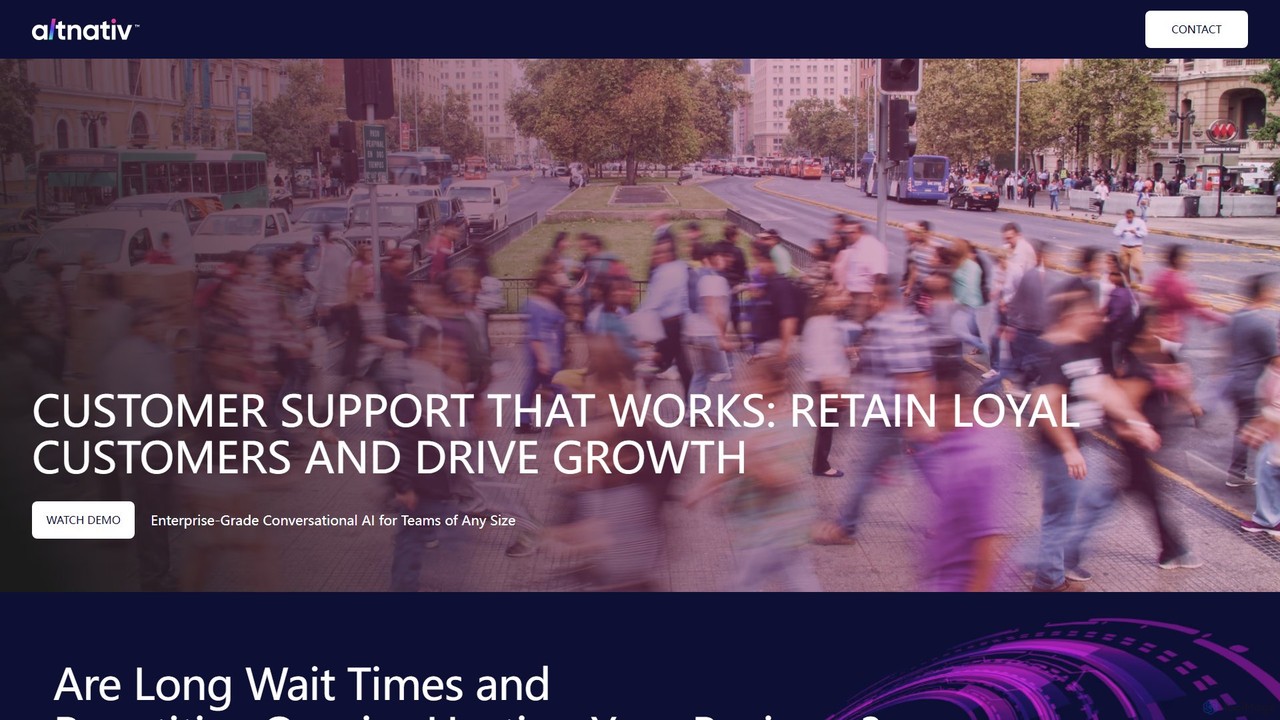
Altnativ offers enterprise-grade, real-time AI voice customer support. This conversational AI platform eliminates long wait times, provides 24/7 availability, and reduces operational costs. It features human-like AI agents, seamless integration with major CRMs, and advanced analytics to enhance customer satisfaction and drive business growth.

Call Center
Visits 5KFavorites 70Likes 75
Bland AI
Freemium

Bland AI

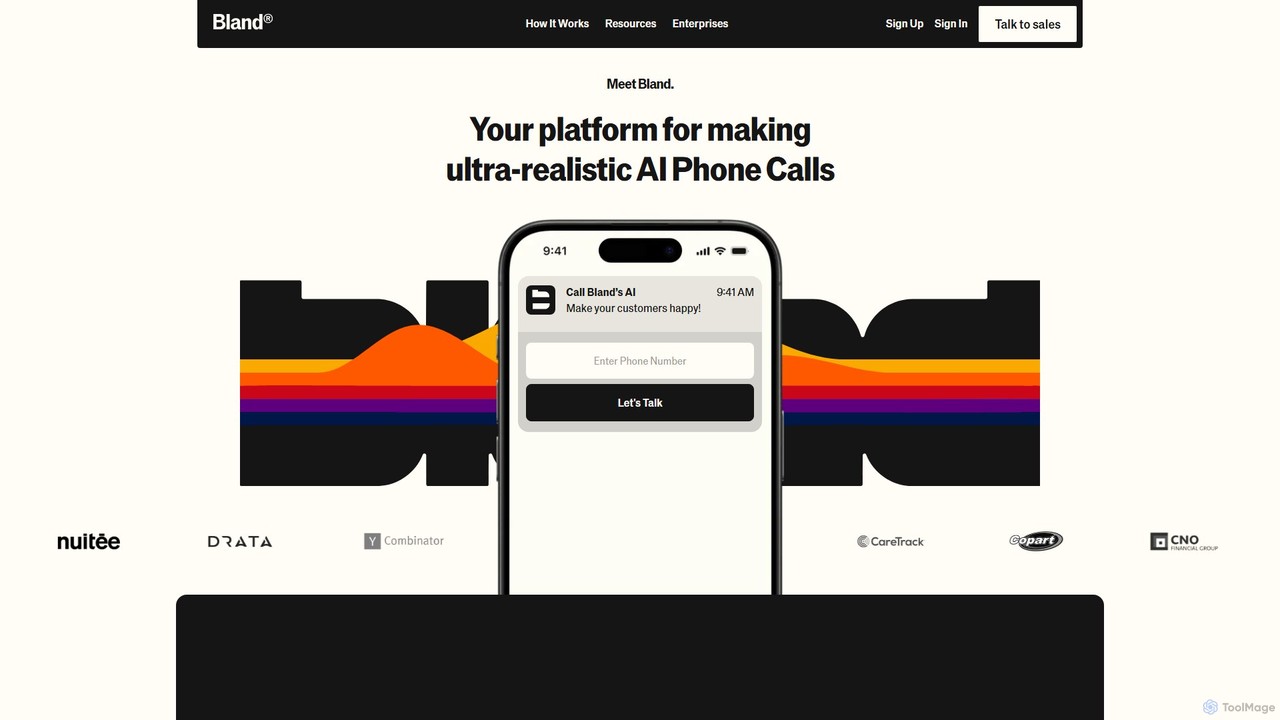
Bland AI is a platform for creating ultra-realistic, conversational AI phone agents. It automates tasks like sales, scheduling, and customer support 24/7. With its end-to-end infrastructure, it offers high scalability, security, and seamless integration with existing business systems, speaking any language to enhance customer experience.

Voicebots
Visits 229.9KFavorites 100Likes 107
Outcall AI
Paid

Outcall AI

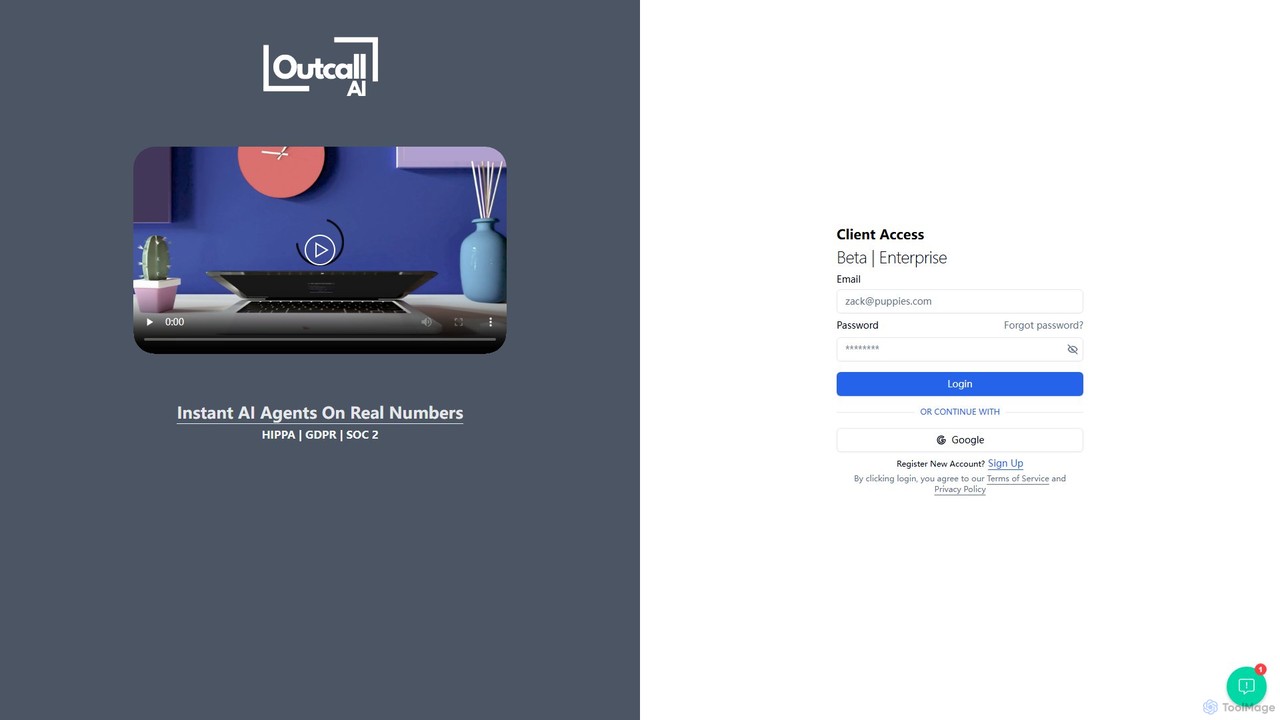
Outcall AI provides indistinguishable AI voice receptionists that operate on real phone numbers, ensuring every call is answered 24/7. It's a secure, scalable solution for businesses to manage front desk operations, offering HIPAA, GDPR, and SOC 2 compliance for enterprise-level needs.

Virtual Assistant
Visits 4.2KFavorites 116Likes 130
Vocads
Freemium

Vocads

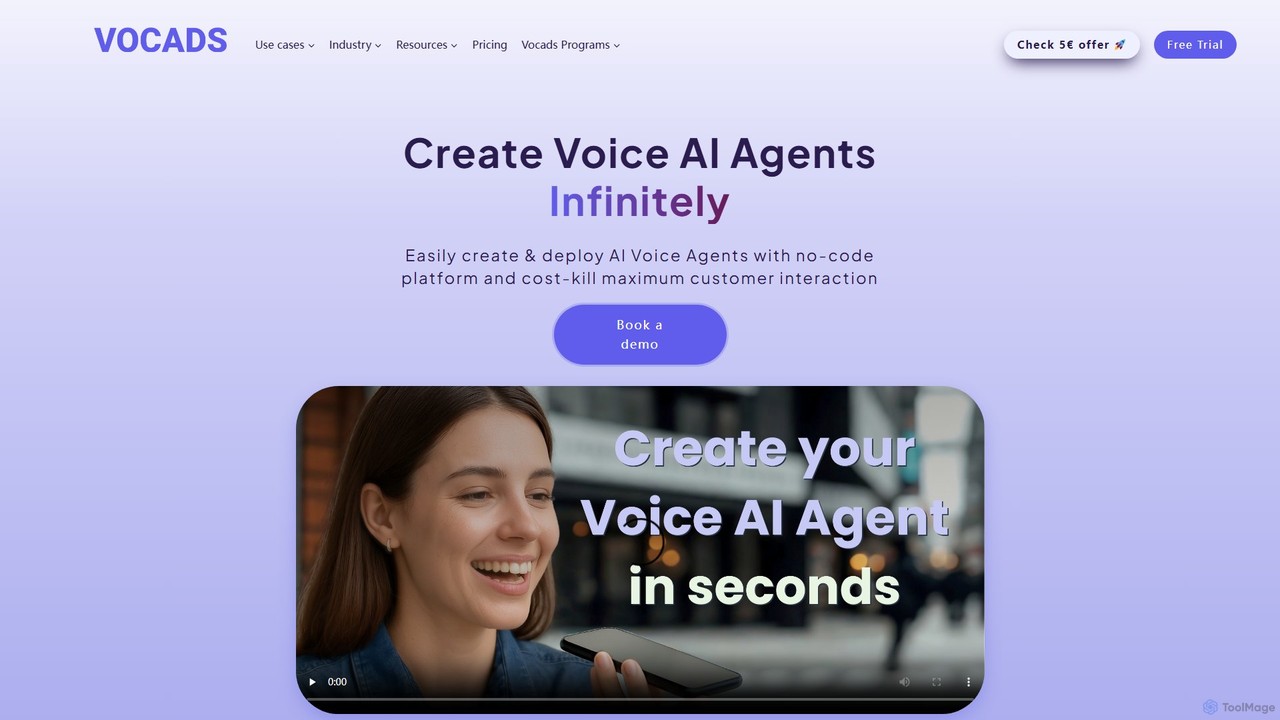
Vocads is a no-code platform for creating and deploying multilingual AI Voice Agents. It helps businesses automate customer interactions, reduce call center costs, and enhance customer experience with 24/7 availability. Easily build voice-powered surveys, appointment schedulers, and FAQ bots for web and phone.

Voicebots
Visits 7.7KFavorites 114Likes 100
biglysales
Paid

biglysales

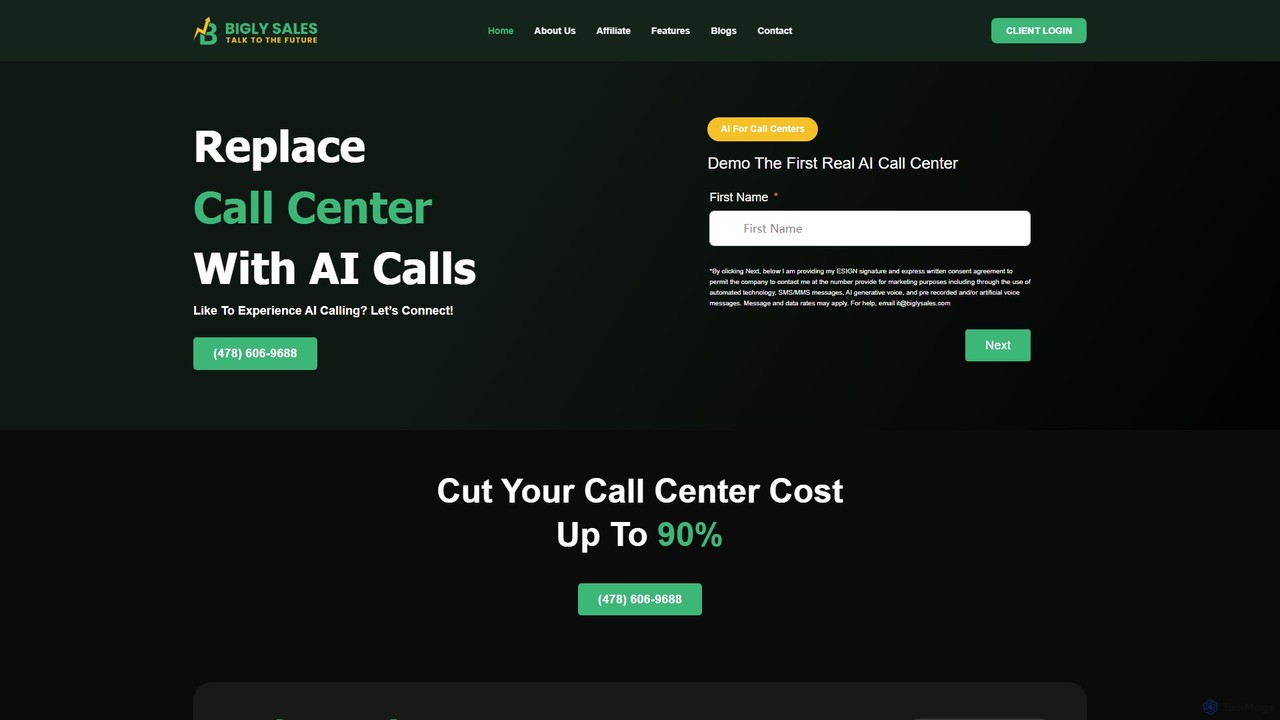
Bigly Sales is an AI-powered communication platform designed to replace traditional call centers. It automates sales and customer support with AI agents that can handle calls, SMS, and emails 24/7. The platform offers features like instant lead response, multi-language support, voice cloning, and deep integrations with CRMs and social media. It aims to significantly cut operational costs while improving lead conversion and customer engagement for businesses of all sizes.

Voicebots
Visits 17.9KFavorites 131Likes 120
echo.win
Freemium

echo.win

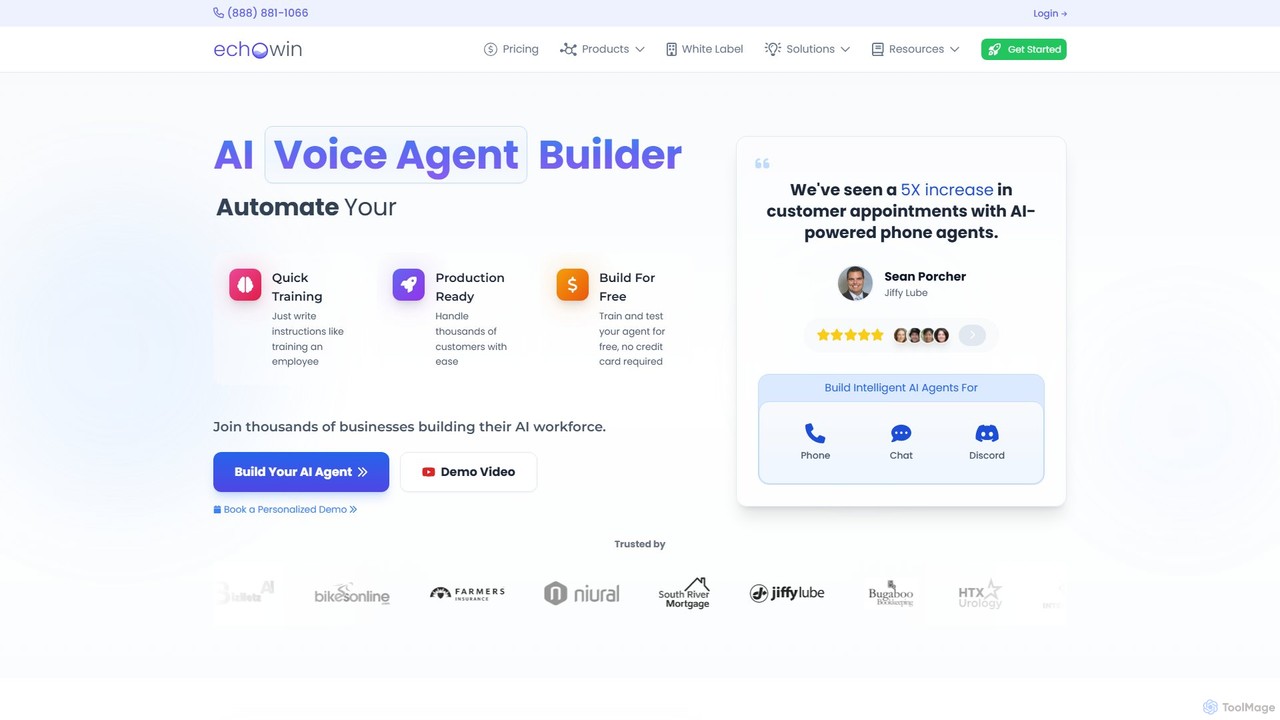
echo.win is a no-code platform for building and deploying intelligent AI voice agents. Automate customer support, schedule appointments, and handle inquiries 24/7 across phone, web chat, and Discord. Train agents with plain English, connect to your knowledge base, and integrate with over 8000 apps to streamline your business communications and workflows.

Voicebots
Visits 16KFavorites 114Likes 126

About Voicebots

Voicebots are AI-powered conversational agents designed to interact with users through spoken language. They leverage automatic speech recognition (ASR), natural language processing (NLP), and text-to-speech (TTS) technologies to understand queries and generate human-like vocal responses. These intelligent systems automate customer interactions, provide instant support, and streamline various voice-based services, significantly enhancing operational efficiency in customer support.

Core Features

  • Speech Recognition (ASR): Converts spoken words into text for processing, accurately interpreting diverse accents and speech patterns.
  • Natural Language Understanding (NLU): Analyzes the meaning and intent behind user utterances, even with complex or ambiguous phrasing.
  • Text-to-Speech (TTS): Generates natural-sounding spoken responses from text, often with customizable voices and emotional tones.
  • Context Management: Maintains conversational flow by remembering previous interactions and user preferences throughout a dialogue.
  • Integration Capabilities: Connects seamlessly with CRM systems, knowledge bases, and other enterprise applications for comprehensive service.

Use Cases

Voicebots are widely adopted across various sectors to handle routine inquiries, provide information, and guide users through processes. They are essential for businesses seeking to offer 24/7 voice support, manage high call volumes efficiently, and reduce agent workload. From banking to healthcare, voicebots ensure consistent, scalable customer service.

How to Choose

When selecting a voicebot solution, consider its accuracy in speech recognition and natural language understanding for your target audience. Evaluate its integration capabilities with existing customer support infrastructure, the flexibility of its text-to-speech voices, and its ability to handle complex conversational flows. Scalability, security features, and pricing models are also crucial factors.

Featured tool rankings

Voicebots use cases

1

Automated Phone Customer Service

A telecommunications company uses a voicebot to answer common customer queries about billing, data plans, or technical support. The voicebot guides users through troubleshooting steps or directs them to relevant self-service options, reducing wait times and freeing human agents for complex issues.

2

24/7 Banking Inquiry Handling

A bank deploys a voicebot to provide round-the-clock assistance for balance checks, transaction history, and branch locations. Customers can securely access their account information or get quick answers to FAQs without needing to speak to a human representative, enhancing convenience.

3

Appointment Scheduling and Reminders

Healthcare providers or service businesses utilize voicebots to manage appointment bookings, cancellations, and send automated reminders. The voicebot interacts with patients or clients to find suitable slots and confirm details, significantly streamlining administrative tasks.

4

Order Status and Tracking

E-commerce businesses integrate voicebots to allow customers to check their order status, track shipments, or initiate returns simply by speaking. This provides instant updates and reduces the volume of inbound calls to customer service centers.

5

Internal IT Helpdesk Support

Large enterprises use voicebots to automate responses to common IT support requests from employees, such as password resets, software installation guides, or network connectivity issues. This ensures immediate assistance and reduces the burden on the IT support team.

6

Interactive Voice Response (IVR) Enhancement

Companies upgrade traditional IVR systems with voicebot capabilities to offer more natural and intuitive navigation. Instead of pressing numbers, callers can simply state their needs, leading to a more personalized and efficient routing experience.

Voicebots FAQ

What are Voicebots?

Voicebots are AI-driven conversational systems that interact with users using spoken language. They leverage technologies like ASR, NLP, and TTS to understand verbal commands and generate vocal responses, primarily for automating customer service, information retrieval, and various voice-based interactions.

How do Voicebots differ from traditional IVR systems?

Voicebots offer a more natural and intelligent conversational experience compared to traditional Interactive Voice Response (IVR) systems. While IVR relies on pre-recorded menus and touch-tone inputs, voicebots use natural language processing to understand free-form speech, allowing for more complex queries and dynamic, human-like dialogues.

What are the key benefits of implementing Voicebots for customer support?

Implementing voicebots significantly enhances customer support by providing 24/7 availability, reducing call wait times, and handling high volumes of routine inquiries efficiently. They ensure consistent service quality, lower operational costs, and free up human agents to focus on more complex or sensitive customer issues, improving overall customer satisfaction.

What technical components are essential for a Voicebot?

Essential technical components for a voicebot include Automatic Speech Recognition (ASR) for converting speech to text, Natural Language Processing (NLP) for understanding user intent, and Text-to-Speech (TTS) for generating spoken responses. Additionally, a robust dialogue management system and integration capabilities with backend systems are crucial for effective operation.

Can Voicebots handle complex customer queries?

While voicebots excel at handling routine and frequently asked questions, their ability to manage complex queries depends on their underlying AI sophistication and training data. Advanced voicebots can handle multi-turn conversations and context switching, but for highly nuanced or emotionally charged issues, they typically escalate to a human agent, ensuring a seamless customer experience.