ToolMage
Sign in

Best 1 Art Generator for Design

Popular Art Generator in Design include fancyqrs, helping you work more efficiently.

fancyqrs
Freemium

fancyqrs

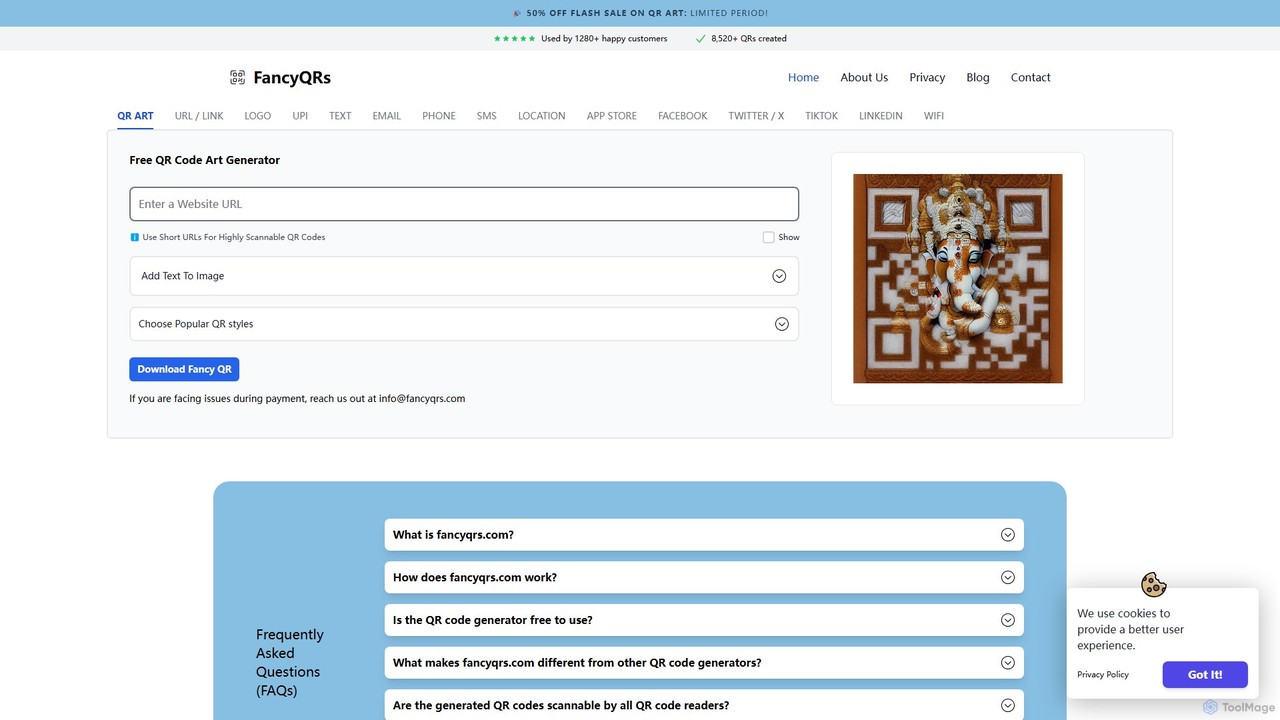
fancyqrs is an AI-powered QR code art generator that transforms standard QR codes into unique, visually stunning designs. It allows users to customize codes with various styles, colors, and patterns to match their brand or personal aesthetic. In addition to artistic QR codes, it offers a completely free tool for generating standard QR codes for URLs, text, and more, making it a versatile solution for both marketing and personal use.

Art Generator
Visits 6.7KFavorites 150Likes 161

About Art Generator

Art Generators are AI-powered tools that create original visual content from text prompts, images, or other inputs. Leveraging advanced deep learning models like GANs and Diffusion Models, these tools transform descriptions into unique artworks, illustrations, and photorealistic images. They empower creators, marketers, and designers to rapidly prototype ideas, generate diverse visual assets, and explore new artistic styles without extensive manual effort.

Core Features

  • Text-to-Image Generation: Converts descriptive text prompts into a wide array of visual outputs, from abstract art to detailed scenes.
  • Image-to-Image Transformation: Modifies existing images based on new prompts or style transfers, maintaining core elements while altering aesthetics.
  • Style Transfer: Applies the artistic style of one image to the content of another, creating unique hybrid visuals.
  • Variations & Iterations: Generates multiple versions of an image from a single input, facilitating creative exploration and refinement.
  • Upscaling & Enhancement: Improves the resolution and detail of generated or existing images, making them suitable for high-quality output.

Use Cases

Art Generators are invaluable for professionals across various creative industries. Graphic designers use them to quickly generate mood boards and concept art. Marketing teams leverage them for creating unique social media visuals and ad campaigns. Game developers utilize these tools for rapid prototyping of character designs, environments, and textures, significantly accelerating the initial design phase.

How to Choose

When selecting an Art Generator, consider the quality and style of its output, which varies significantly between models. Evaluate the range of customization options, such as prompt engineering capabilities and style controls. Assess the pricing model, whether it's subscription-based or pay-per-generation. Finally, check for integration with existing creative workflows and the ease of use for your specific skill level.

Art Generator use cases

1

Concept Art for Game Development

Game artists and developers can input textual descriptions of characters, creatures, or environments to rapidly generate multiple concept art variations. This allows for quick iteration on visual ideas, exploring different styles and compositions before committing to detailed design, significantly speeding up the pre-production phase.

2

Social Media Content Creation

Marketing professionals and content creators can use Art Generators to produce unique and eye-catching visuals for social media posts, ads, and campaigns. By simply describing the desired image, they can generate custom graphics that stand out, saving time and resources compared to traditional stock photo searches or custom design work.

3

Personalized Gift & Merchandise Design

Entrepreneurs and small business owners can create bespoke designs for personalized gifts, apparel, or merchandise. Users can input specific themes, names, or styles to generate unique artwork that can be printed on t-shirts, mugs, or posters, offering highly customized products to customers.

4

Interior Design Visualization

Interior designers and homeowners can visualize room concepts by inputting descriptions of desired furniture, color schemes, and styles. Art Generators can render various design possibilities, helping clients make informed decisions and explore different aesthetic directions without the need for expensive 3D modeling software or physical mock-ups.

5

Story Illustration for Authors

Authors and independent publishers can generate custom illustrations for their books, short stories, or blog posts. By describing scenes, characters, or abstract concepts from their narrative, they can obtain unique visual accompaniments that enhance storytelling and engage readers, making their content more appealing.

6

Digital Art Exploration & Experimentation

Digital artists and hobbyists can experiment with new styles, techniques, and themes without extensive manual drawing or painting. Art Generators provide a sandbox for creative exploration, allowing users to quickly generate diverse artworks, blend styles, and discover new artistic directions, fostering innovation and learning.

Art Generator FAQ

What are Art Generators?

Art Generators are AI tools that create original images, illustrations, and artworks from various inputs, primarily text prompts. They utilize deep learning models to interpret descriptions and synthesize visuals, offering a powerful way to produce unique graphics. Key characteristics include their ability to generate diverse styles, iterate rapidly, and transform concepts into visual realities.

How do Art Generators work?

Art Generators typically work using advanced AI models like Generative Adversarial Networks (GANs) or Diffusion Models. Users provide a text prompt (e.g., "a cat in a spacesuit") or an initial image. The AI then processes this input, drawing upon vast datasets of images it has been trained on, to synthesize a new image that matches the description or style. This process involves complex algorithms that understand context, style, and composition.

What is the difference between an Art Generator and an AI Image Editor?

An Art Generator creates entirely new images from scratch based on prompts, focusing on generating original content. In contrast, an AI Image Editor modifies or enhances existing images, performing tasks like background removal, object manipulation, color correction, or upscaling. While some Art Generators include editing features, their primary function is creation, whereas editors focus on transformation and refinement of pre-existing visuals.

Who can benefit from using Art Generators?

A wide range of individuals and professionals can benefit from Art Generators. This includes graphic designers seeking concept art, marketing teams needing unique visuals, game developers for rapid prototyping, content creators for blog illustrations, and even hobbyists exploring digital art. Anyone needing to quickly visualize ideas or generate diverse imagery without traditional artistic skills can find these tools invaluable.

What factors should I consider when choosing an Art Generator?

When choosing an Art Generator, prioritize the quality and aesthetic style of its output, as different tools excel in various artistic domains. Consider the ease of use and the flexibility of prompt engineering for precise control. Evaluate the cost-effectiveness, whether it's a free tier, subscription, or pay-per-use model. Finally, check for community support, available tutorials, and integration options with your existing creative software.