ToolMage
Sign in

Best 1 Copywriting AI tools for Design

Popular Copywriting AI tools in Design include FigCopy, helping you work more efficiently.

FigCopy
Freemium

FigCopy

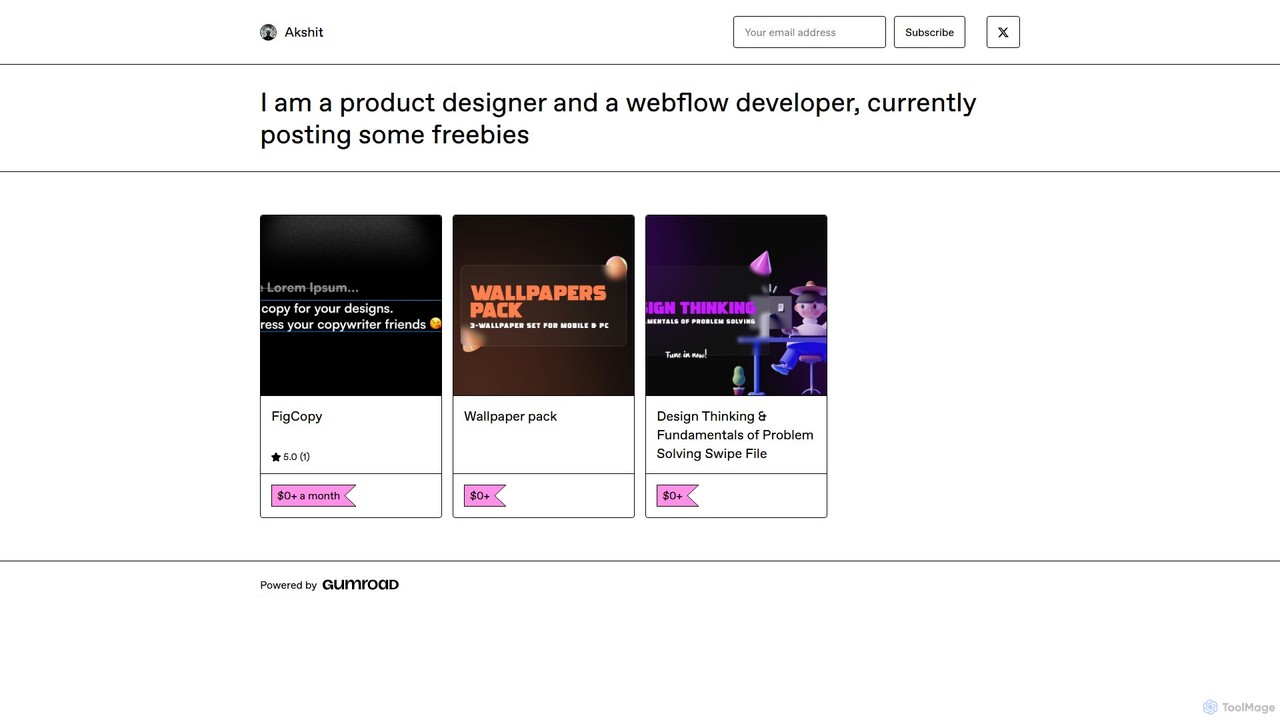
FigCopy is an AI-powered Figma plugin that replaces dummy text with high-quality, context-aware copy. Select a text layer, provide some context, and instantly generate compelling headlines, CTAs, and body text. It streamlines the design workflow, enhances collaboration, and helps you create more realistic and professional designs. Perfect for UI/UX designers, web designers, and marketing teams.

Copywriting
Visits 5.2KFavorites 99Likes 115

About Copywriting

AI Copywriting tools are AI-powered applications designed to generate, optimize, and refine written content for various marketing and communication purposes. Leveraging natural language processing (NLP) and machine learning, these tools assist users in creating compelling text, from headlines to long-form articles. They significantly boost content creation efficiency within the broader design and marketing workflow, producing high-quality, contextually relevant copy tailored to specific audiences and platforms.

Core Features

  • Content Generation: Automatically produces diverse forms of text, including ad copy, social media posts, and blog outlines, based on user prompts.
  • Tone & Style Adjustment: Modifies the writing style and tone to match specific brand voices or target audience preferences.
  • SEO Optimization: Integrates relevant keywords and optimizes content structure to improve search engine visibility.
  • Content Rewriting & Paraphrasing: Rephrases existing text to enhance clarity, conciseness, or originality, avoiding plagiarism.
  • Idea Brainstorming: Generates creative concepts and outlines for various content types, overcoming writer's block.

Use Cases

AI Copywriting tools are invaluable for marketing teams, content creators, and small business owners who need to produce high volumes of engaging text. They are used to quickly draft marketing campaigns, create consistent brand messaging across platforms, and scale content production without compromising quality. These tools streamline the initial drafting phase, allowing human writers to focus on refinement and strategic oversight.

How to Choose

When selecting an AI Copywriting tool, consider its language generation quality and versatility across different content types. Evaluate the range of available templates and customization options for tone and style. Check for integration capabilities with existing marketing platforms and SEO tools. Finally, assess the pricing model, user interface, and the level of support for your specific content creation needs and team size.

Copywriting use cases

1

Generating High-Converting Ad Copy

A digital marketer needs to create multiple ad variations for a new product launch across Google Ads and social media platforms. Using an AI Copywriting tool, they input product features and target audience demographics. The tool then generates dozens of compelling headlines, descriptions, and calls-to-action, allowing the marketer to quickly test and identify the highest-performing ad copy, significantly reducing the time spent on manual drafting and brainstorming.

2

Crafting Engaging Social Media Captions

A social media manager is responsible for daily posts across multiple platforms, requiring fresh and engaging captions. Instead of manually writing each one, they use an AI Copywriting tool to generate diverse caption options based on a given image or topic. The tool can suggest relevant hashtags, emojis, and adapt the tone for platforms like Instagram, Twitter, or LinkedIn, ensuring consistent brand voice and saving hours of creative effort.

3

Developing SEO-Optimized Blog Post Outlines

A content marketer needs to produce a series of blog posts targeting specific long-tail keywords to improve organic search rankings. By feeding these keywords and a brief topic description into an AI Copywriting tool, they can quickly generate detailed blog outlines, including suggested headings, subheadings, and key points to cover. This ensures the content is structured for SEO from the outset and provides a solid framework for human writers, accelerating the content pipeline.

4

Personalizing Email Marketing Campaigns

An e-commerce business wants to send personalized email sequences to different customer segments based on their purchase history and browsing behavior. An AI Copywriting tool can integrate with CRM data to generate highly customized email subject lines, body content, and product recommendations for each segment. This level of personalization significantly increases open rates and click-through rates, driving more sales with less manual effort.

5

Rewriting and Enhancing Existing Content

A content agency needs to update and refresh old blog posts or website pages to improve their relevance and SEO performance without creating entirely new content. An AI Copywriting tool can take existing text and rewrite it, improving readability, incorporating new keywords, or adjusting the tone. This process helps extend the lifespan of valuable content, ensuring it remains fresh and competitive in search engine results.

6

Generating Product Descriptions for E-commerce

An e-commerce store with a large inventory needs to create unique and persuasive product descriptions for hundreds or thousands of items. Manually writing these is time-consuming and often leads to inconsistencies. An AI Copywriting tool can take basic product specifications (e.g., material, color, size, features) and generate engaging, SEO-friendly descriptions in various styles, ensuring consistency and accelerating the product listing process, leading to better customer engagement and search visibility.

Copywriting FAQ

What are AI Copywriting tools?

AI Copywriting tools are software applications that use artificial intelligence, primarily natural language processing (NLP) and machine learning, to assist in generating, optimizing, and refining written content. They can produce various forms of text, from short ad headlines to longer articles, by understanding prompts and learning from vast datasets. These tools aim to enhance content creation efficiency and quality for marketing, sales, and communication purposes.

How do AI Copywriting tools differ from general AI content generators?

While both generate text, AI Copywriting tools are specifically tailored for marketing and persuasive writing. They often include templates for ad copy, sales emails, product descriptions, and social media posts, focusing on conversion-driven language and brand voice consistency. General AI content generators might produce broader informational or creative text without the same emphasis on commercial objectives or specific marketing formats, making copywriting tools more specialized for business communication.

Who benefits most from using AI Copywriting tools?

AI Copywriting tools primarily benefit marketers, content creators, small business owners, and e-commerce professionals. Anyone who regularly needs to produce large volumes of high-quality, engaging, and conversion-focused text can leverage these tools. This includes those managing social media, running ad campaigns, writing blog posts, or creating product descriptions, as the tools significantly accelerate the drafting process and help maintain brand consistency.

Can AI Copywriting tools replace human writers?

AI Copywriting tools are powerful assistants, but they are not designed to fully replace human writers. They excel at automating repetitive tasks, generating initial drafts, brainstorming ideas, and optimizing content for specific parameters like SEO. Human writers bring creativity, critical thinking, emotional intelligence, nuanced understanding of brand voice, and strategic oversight that AI cannot replicate. The most effective approach is often a collaboration, where AI handles the heavy lifting of generation, and humans refine, personalize, and add strategic depth.

What are the ethical considerations when using AI for copywriting?

Ethical considerations for AI copywriting include ensuring originality and avoiding plagiarism, as AI models learn from existing data. Transparency is crucial; users should disclose when AI has been used to generate content, especially in sensitive contexts. There's also the risk of AI perpetuating biases present in its training data, leading to insensitive or discriminatory language. Users must review and edit AI-generated content to ensure accuracy, fairness, and adherence to ethical guidelines and brand values.

How can I ensure the AI-generated copy aligns with my brand voice?

To ensure AI-generated copy aligns with your brand voice, start by providing the AI tool with clear guidelines, examples of your existing brand content, and specific instructions on tone, style, and vocabulary. Many advanced AI copywriting tools allow for custom brand voice profiles. After generation, always review and edit the output. Human oversight is essential to refine the text, inject unique brand personality, and ensure it resonates authentically with your target audience, making the AI a powerful assistant rather than a standalone solution.