ToolMage
Sign in

Best 6 Creative Asset Generation AI tools for Design

Popular Creative Asset Generation AI tools in Design include Nano Banana, ImageFX, Seedream 4.0, Gempix2, and Hocha, helping you work more efficiently.

Hocha
Freemium

Hocha

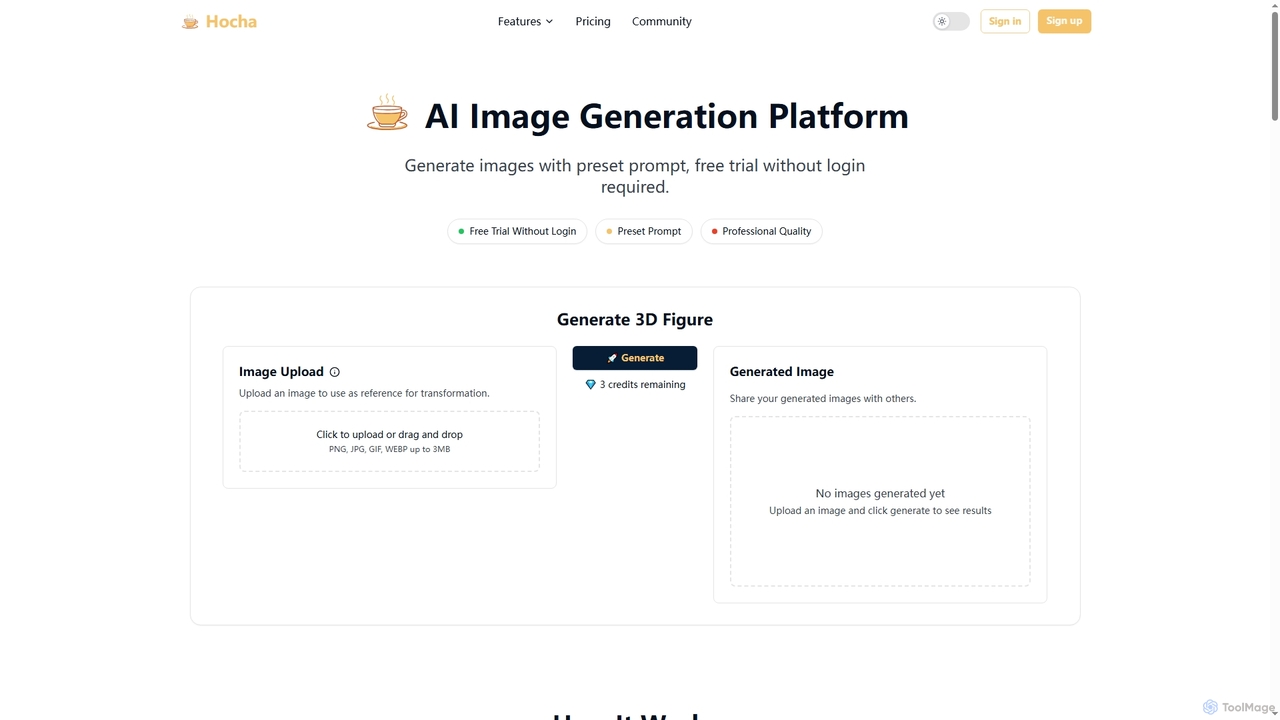
Hocha is an AI-powered image generation and editing platform that allows users to transform images into stunning 3D figures, create professional headshots, generate diverse character illustrations, and enhance photos with advanced AI models. It offers a free trial without login, fast results, and commercial licensing options.

Creative Asset Generation
Visits 5.3KFavorites 115Likes 113
Gempix2
Freemium

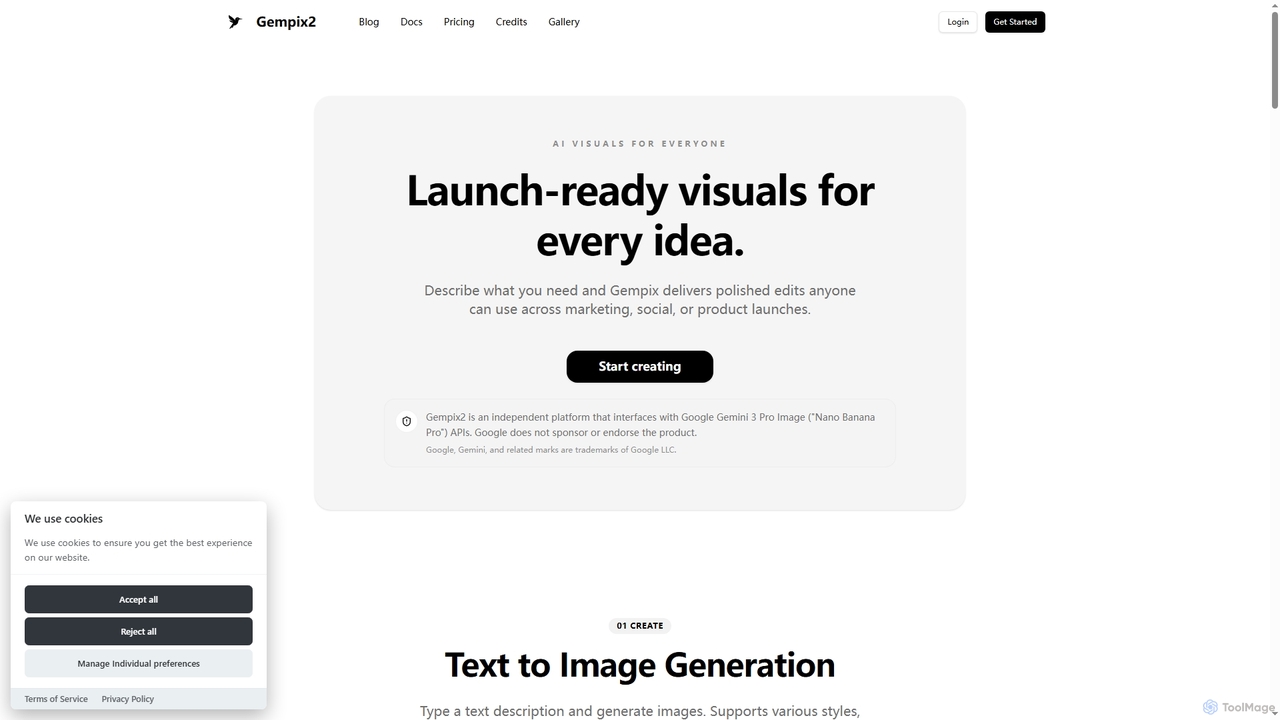
Gempix2

Gempix2 is an advanced AI image generation and editing platform powered by Google Gemini 3 Pro Image (Nano Banana Pro) APIs. It enables users to create stunning visuals from text, modify existing images, and generate style variations with precise control, multilingual text rendering, and factual grounding.

Creative Asset Generation
Visits 5.4KFavorites 127Likes 118
Nano Banana
Freemium

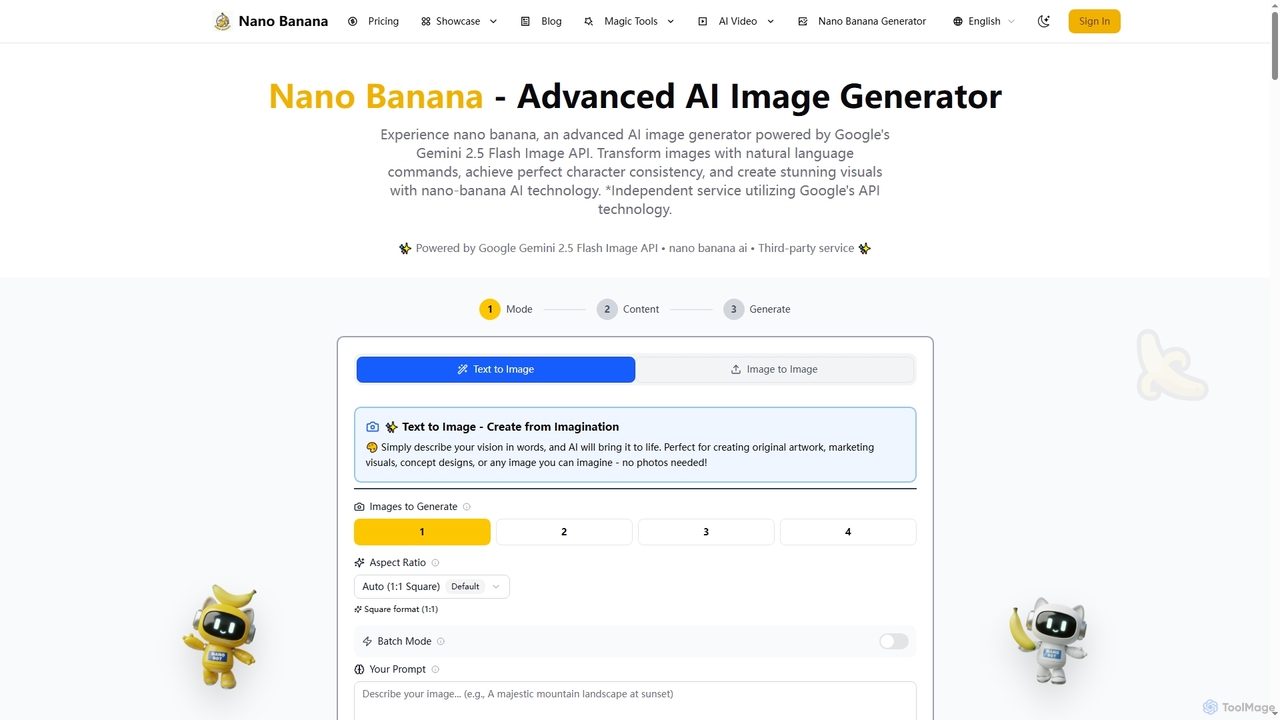
Nano Banana

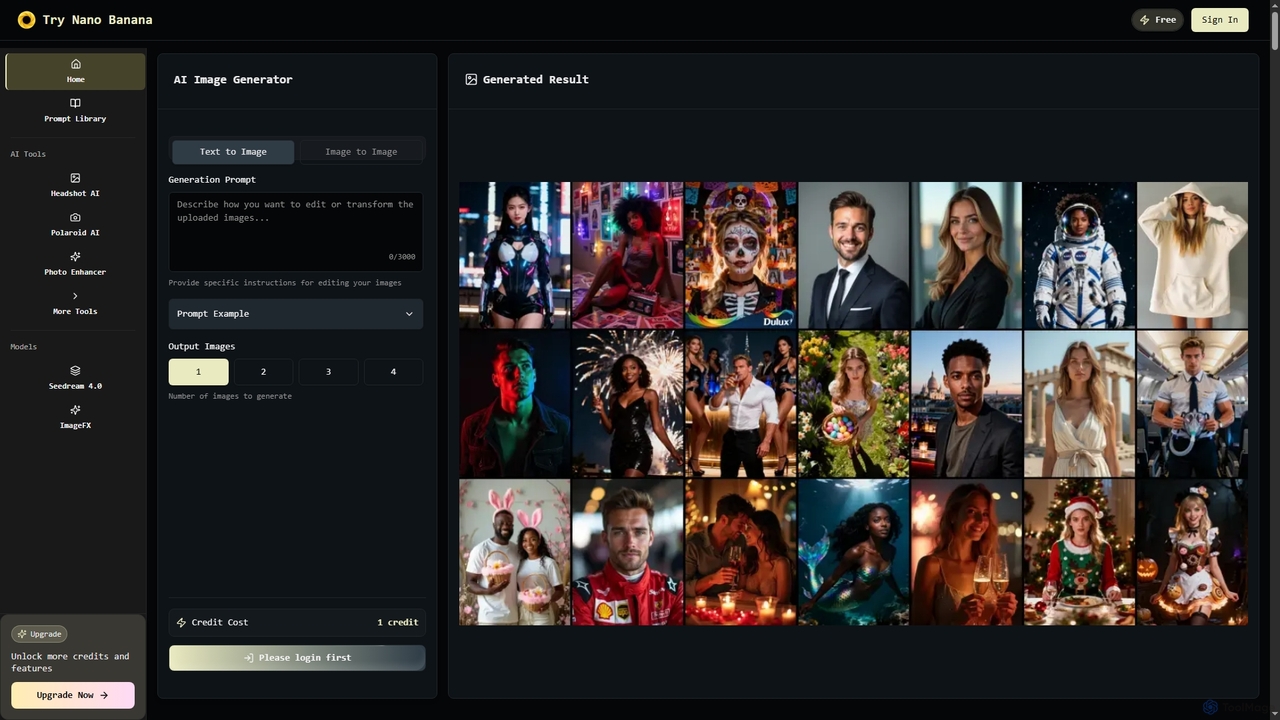
Nano Banana is an advanced AI image generator powered by Google's Gemini 2.5 Flash Image API. It enables users to create and transform stunning visuals with natural language commands, ensuring perfect character consistency and scene preservation for professional-grade content.

Creative Asset Generation
Visits 291.5KFavorites 135Likes 162
ImageFX
Freemium

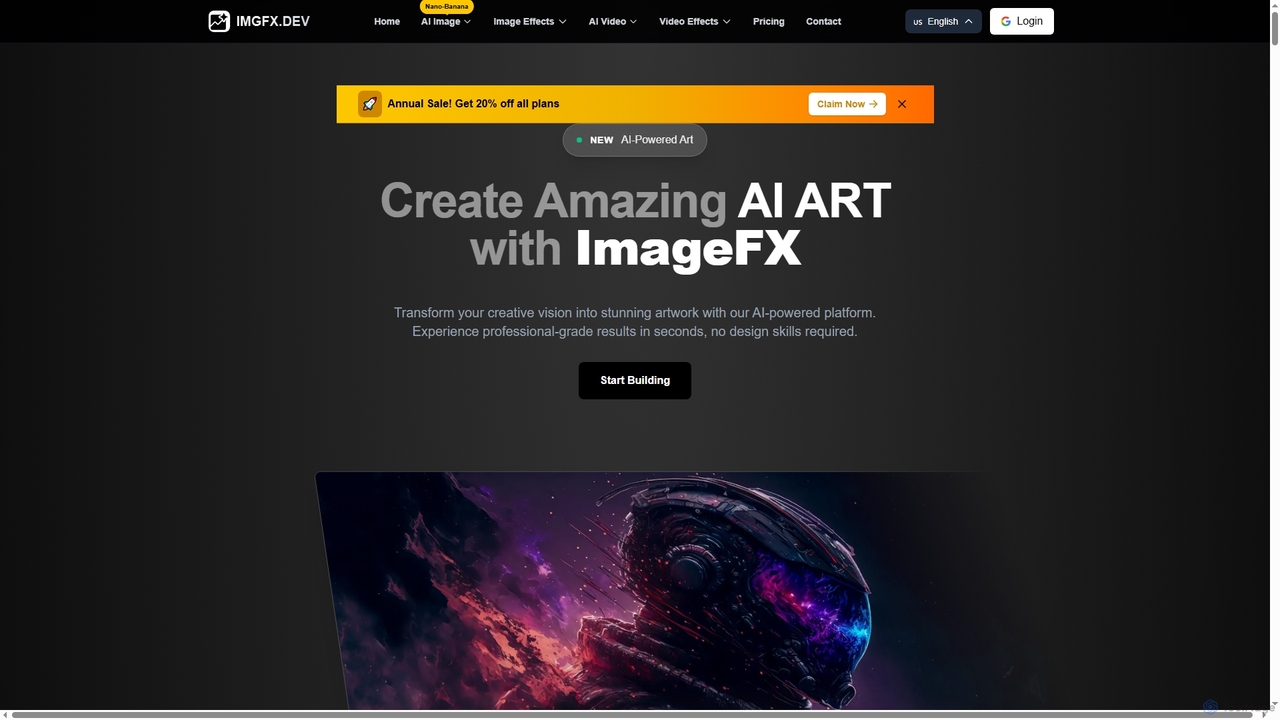
ImageFX

ImageFX is an AI-powered platform that transforms creative visions into stunning images and videos. It offers professional-grade results in seconds, without requiring design skills, featuring text-to-image, image-to-image, text-to-video, and image-to-video capabilities, along with advanced editing tools for diverse creative needs.

Creative Asset Generation
Visits 58.5KFavorites 106Likes 99
Seedream 4.0
Freemium

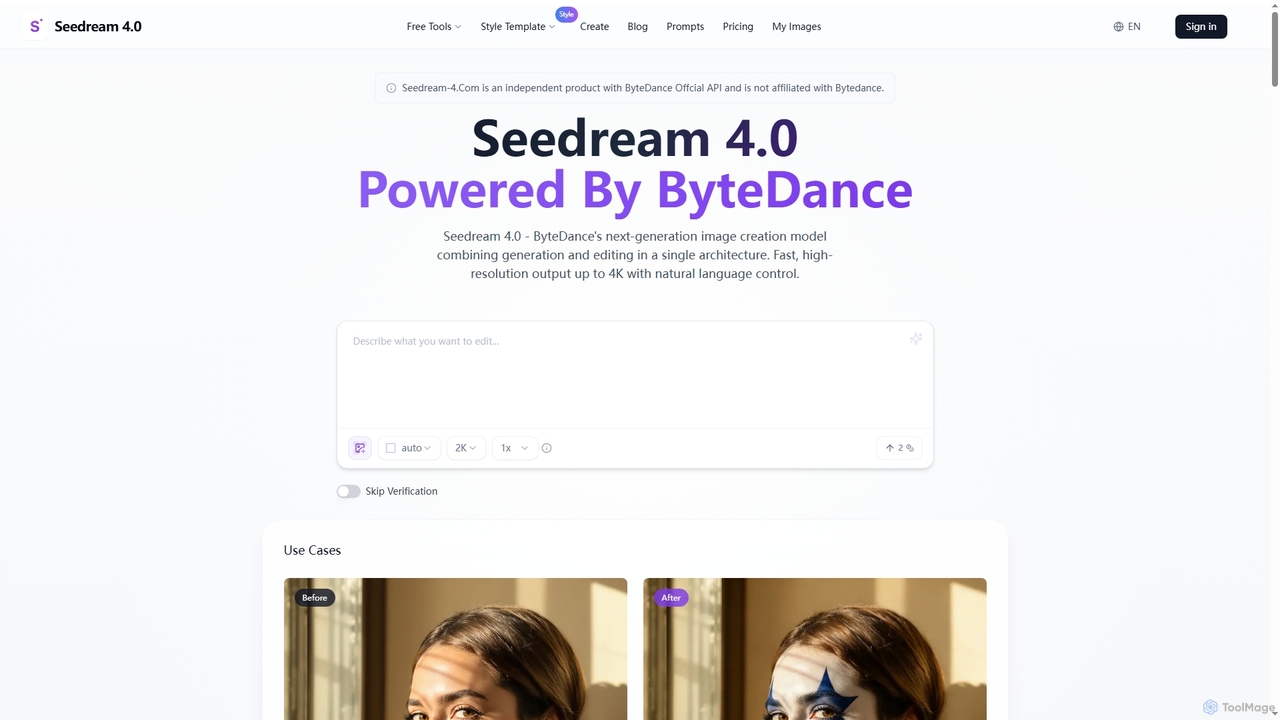
Seedream 4.0

Seedream 4.0 is ByteDance's advanced AI image creation and editing tool, unifying text-to-image generation and image modification in a single architecture. It delivers fast, high-resolution outputs up to 4K with natural language control, batch processing, and versatile style transfer, empowering creators with seamless visual content production.

Creative Asset Generation
Visits 5.6KFavorites 127Likes 135
Nano Banana
Freemium

Nano Banana

Nano Banana is an instant AI image generator powered by Google's Gemini 2.5 Flash Image model, offering text-to-image creation, smart image editing, and multi-image fusion. It helps users generate professional-quality visuals for various personal and commercial needs, including headshots, product images, and artistic creations, with speed and high resolution.

Creative Asset Generation
Visits 13.8KFavorites 112Likes 120

About Creative Asset Generation

Creative Asset Generation tools are AI-powered platforms that automatically create diverse digital content, such as images, videos, 3D models, and audio. These innovative tools leverage advanced machine learning algorithms, including generative adversarial networks (GANs) and diffusion models, to transform text prompts, sketches, or existing data into unique and high-quality creative outputs. They significantly accelerate the design process, enabling users to rapidly generate countless variations, explore novel concepts, and produce professional-grade assets for various applications within the broader design ecosystem, thereby enhancing efficiency and fostering unprecedented creative exploration.

Core Features

  • Text-to-Image/Video: Generate visual content from descriptive text prompts.
  • 3D Model Creation: Produce three-dimensional objects or scenes from 2D inputs or text.
  • Audio/Music Generation: Compose original soundscapes, melodies, or sound effects based on specified parameters.
  • Style Transfer & Variation: Apply artistic styles or generate multiple stylistic variations of an existing asset.
  • Asset Enhancement: Upscale resolution, refine details, or improve the quality of generated assets.

Use Cases

These tools are invaluable for marketing teams needing rapid content for campaigns, game developers creating concept art and in-game assets, and product designers visualizing new ideas. They streamline workflows for content creators, architects, and e-commerce businesses by providing on-demand, customizable creative elements.

How to Choose

When selecting a Creative Asset Generation tool, consider the quality and fidelity of its output, the specific types of assets it can generate (e.g., 2D, 3D, audio), the level of customization and control offered, and its integration capabilities with your existing design software. Evaluate the pricing model, licensing terms for generated content, and the community support available.

Creative Asset Generation use cases

1

Generate Diverse Marketing Visuals

Marketing teams and content creators utilize AI asset generation tools to rapidly produce a wide array of visual content for campaigns, social media, and advertisements. By inputting text prompts describing desired themes, styles, or products, they can generate numerous unique images, banners, or short videos, significantly accelerating content production cycles and ensuring a fresh, consistent brand presence across platforms.

2

Design Game Characters and Environments

Game developers and concept artists employ these tools to accelerate the ideation and prototyping phases of game design. They can generate multiple variations of character concepts, environmental textures, or 3D models from simple descriptions or sketches, allowing for quick exploration of different artistic directions and reducing the manual effort involved in initial asset creation.

3

Visualize Product Concepts and Variations

Product designers and engineers leverage AI to visualize new product ideas and explore design variations efficiently. By providing specifications or basic 2D drawings, they can generate realistic renderings or even preliminary 3D models, facilitating early-stage feedback, accelerating design iterations, and presenting concepts to stakeholders without extensive manual modeling.

4

Create Architectural Renderings and Interior Designs

Architects and interior designers use creative asset generation tools to transform blueprints, mood boards, or simple sketches into photorealistic architectural visualizations. This enables them to quickly experiment with different materials, lighting conditions, furniture arrangements, and aesthetic styles, offering clients a comprehensive visual understanding of proposed designs before construction begins.

5

Produce E-commerce Product Images with Varied Backgrounds

E-commerce businesses and online retailers benefit from generating high-quality product images with diverse, appealing backgrounds from a single original product photo. This capability allows them to create visually engaging listings for different platforms or seasonal campaigns, reducing the cost and time associated with traditional photoshoots and enhancing product presentation.

6

Compose Background Music and Sound Effects

Content creators, filmmakers, and podcasters utilize AI to generate original background music, jingles, or specific sound effects tailored to their projects. By specifying mood, genre, or desired instrumentation, they can quickly obtain unique audio assets, enriching their multimedia content without requiring extensive musical composition skills or access to large sound libraries.

Creative Asset Generation FAQ

What are Creative Asset Generation tools?

Creative Asset Generation tools are AI-powered software applications that automatically produce various digital assets, such as images, videos, 3D models, and audio. They leverage advanced machine learning models to interpret user inputs like text prompts or sketches, transforming them into unique, high-quality creative content. These tools significantly streamline workflows for designers, marketers, and content creators by accelerating ideation, generating diverse options, and reducing manual effort in asset production.

How do I choose the best Creative Asset Generation tool?

To choose the best Creative Asset Generation tool, consider several key factors. First, evaluate the quality and fidelity of the output it produces for your specific needs. Second, check the types of assets it specializes in (e.g., 2D images, 3D models, audio). Third, assess the level of customization and control it offers over the generation process. Finally, consider its ease of use, integration capabilities with your existing software, pricing model, and the licensing terms for the generated content.

What is the difference between Creative Asset Generation and traditional design tools?

The primary difference lies in their core function: Creative Asset Generation tools *create* new content from scratch based on AI algorithms and prompts, while traditional design tools primarily focus on *editing, manipulating, or assembling* existing content. AI generation excels at rapid ideation, exploring diverse variations, and automating repetitive tasks, offering speed and novelty. Traditional tools provide precise manual control, detailed refinement, and are essential for final polish and complex compositions that require human artistic direction.

What types of creative assets can AI generate?

AI-powered Creative Asset Generation tools are capable of producing a wide range of digital assets. This includes realistic or stylized images, illustrations, and concept art; short videos and animations; various 3D models for objects, characters, or environments; and original audio content such as background music, sound effects, and jingles. While impressive, current AI still has limitations in generating highly complex narratives or nuanced human expressions without significant human guidance.

Do I need design skills to use Creative Asset Generation tools?

While many Creative Asset Generation tools are designed to be user-friendly, often requiring only text prompts, having some design skills can significantly enhance your results. Basic understanding of composition, color theory, and visual aesthetics helps in crafting more effective prompts and critically evaluating the AI's output. For more advanced customization or integration into complex projects, design proficiency allows for better refinement and manipulation of the generated assets, ensuring they align with your creative vision.