Design Best in category 3 results Digital Art AI Tool

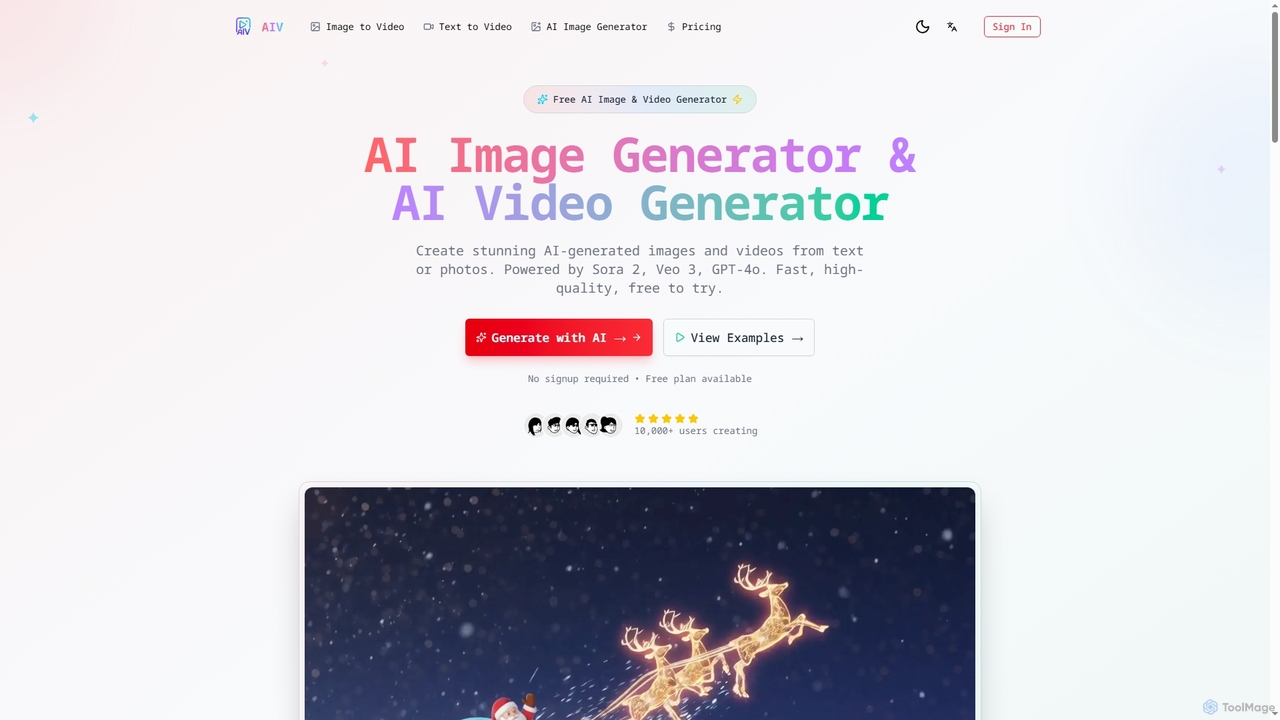
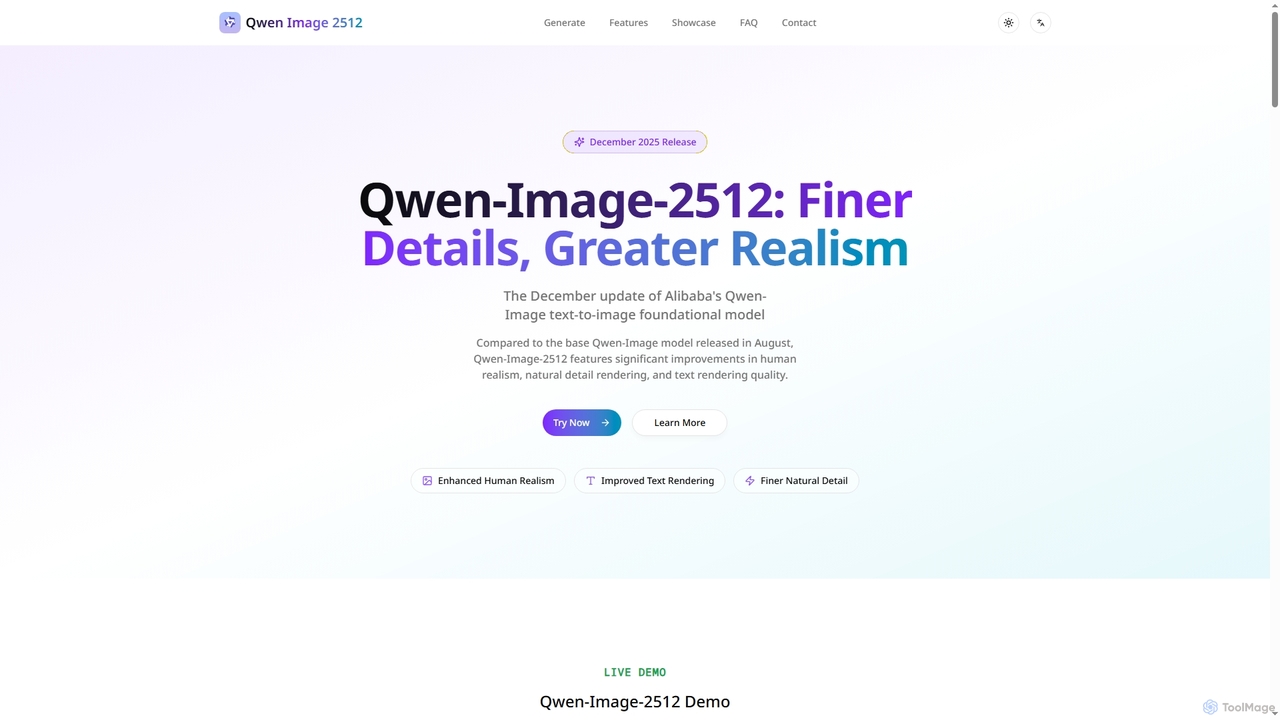
Popular AI tools in the Digital Art field of Design include Freeimgen、AI Image Video、Qwenimg, etc., helping you quickly improve efficiency.

Qwenimg

Qwenimg

Qwenimg is Alibaba's advanced AI text-to-image foundational model, Qwen-Image-2512, designed for generating highly realistic images. It excels in …

2.9K
AI Image Video

AI Image Video

AI Image Video is a powerful platform that leverages advanced AI models like Sora 2, Veo 3, and …

3.9K
Free
Freeimgen

Freeimgen

Freeimgen is a 100% free AI image generator that creates stunning visuals in seconds without requiring registration or …

67.3K

About Digital Art

AI Digital Art tools are a class of software that leverages artificial intelligence, particularly generative models, to create or transform visual artwork. These tools typically use deep learning algorithms like diffusion models or Generative Adversarial Networks (GANs) to interpret text prompts, sketches, or existing images and produce novel artistic outputs. They empower both artists and non-artists to rapidly visualize concepts, explore diverse styles, and generate unique graphics that would be time-consuming or difficult to create manually. This technology serves as a powerful creative partner, augmenting traditional workflows and unlocking new possibilities in visual expression.

Core Features

  • Text-to-Image Generation: Creates detailed images from descriptive text prompts, turning ideas into visual art.
  • Image-to-Image Transformation: Modifies an existing image based on a text prompt or another image's style (style transfer).
  • AI-Assisted Painting & Inpainting: Intelligently fills in, removes, or expands parts of an image (outpainting) based on context.
  • Variational Generation: Produces multiple unique variations of an artwork from a single input, facilitating creative exploration.
  • Style & Model Specialization: Offers fine-tuned models for specific aesthetics like photorealism, anime, fantasy, or abstract art.

Use Cases

AI Digital Art tools are widely used by concept artists in the gaming and film industries to quickly generate character and environment ideas. Digital marketers and content creators use them to produce unique visuals for social media campaigns, blog posts, and advertisements. Independent artists and designers also leverage these tools to create NFT collections, design textile patterns, or explore new personal artistic styles.

How to Choose

When selecting an AI Digital Art tool, consider the level of creative control and parameter tuning it offers. Evaluate the variety and quality of its pre-trained style models to ensure they align with your aesthetic goals. Check the maximum output resolution and supported file formats. Crucially, review the tool's terms of service regarding the commercial usage rights of the generated images, as this varies significantly between platforms.

Digital ArtUse Cases

1

Concept Art Ideation for Game Development

A concept artist working on a new fantasy video game needs to quickly generate a wide range of character and environment designs. Instead of spending days sketching manually, they use an AI Digital Art tool. By inputting detailed text prompts like 'elven warrior with glowing armor in a bioluminescent forest, cinematic lighting,' the artist can generate dozens of high-quality visual concepts in minutes. This allows the art director and team to review multiple directions and iterate on ideas much faster, reducing the pre-production timeline by up to 50% and fostering a more collaborative creative process.

2

Creating Unique Marketing Visuals

A social media manager for a boutique coffee brand needs original, eye-catching images for a new campaign. Stock photos feel generic and hiring an illustrator is too expensive. Using an AI art generator, the manager inputs prompts like 'surreal painting of a coffee cup overflowing with a galaxy, vibrant colors, art nouveau style.' The tool produces several unique images that perfectly match the brand's artistic vibe. This allows the marketing team to create a visually consistent and highly engaging campaign across all platforms without exceeding their budget, resulting in a higher click-through rate.

3

Personalized NFT Art Collection Generation

An independent digital artist wants to launch an NFT collection of 1,000 unique, algorithmically generated portraits. Manually creating each one would be impossible. The artist uses an AI tool, training a model on their own art style or using advanced prompting techniques. They set up a script to generate variations by changing parameters like color palettes, accessories, and backgrounds. The AI generates the entire collection, ensuring each piece is unique yet stylistically coherent. This process enables a single artist to produce a large-scale generative art project, making it accessible to a wider audience on NFT marketplaces.

4

Illustrations for Children's Books

An author without professional drawing skills wants to self-publish a children's book. They use an AI Digital Art tool to bring their story to life. By providing simple descriptions of scenes and characters, such as 'a friendly cartoon bear having a picnic with a squirrel under a large oak tree, watercolor style,' they can generate a consistent set of illustrations. The 'image-to-image' feature allows them to upload a rough sketch to guide the AI, maintaining a coherent visual narrative throughout the book. This empowers creators to produce fully illustrated books independently, significantly lowering the barrier to entry in publishing.

5

Architectural Visualization and Mood Boards

An interior designer is pitching a concept for a new hotel lobby. To convey the desired atmosphere, they use an AI art tool to create stylized visualizations. They input prompts like 'luxury hotel lobby, art deco style, with velvet sofas and gold accents, evening ambiance, photorealistic.' They also use the tool to generate abstract textures and patterns that complement the design. These images are compiled into a compelling mood board that helps the client visualize the final space far more effectively than simple sketches or material samples. This accelerates client approval and ensures a shared vision from the project's outset.

6

Fashion and Textile Pattern Design

A fashion designer is looking for inspiration for a new fabric collection. They use an AI Digital Art tool specialized in pattern generation. By inputting keywords like 'botanical seamless pattern, vintage floral, muted color palette, intricate details,' the AI generates hundreds of unique, tileable patterns. The designer can then select the most promising designs, use AI to create color variations, and refine them further in traditional design software. This workflow dramatically shortens the pattern discovery phase and introduces novel design combinations that might not have been conceived through manual methods alone.

Digital ArtFrequently Asked Questions